Signs a Labrador Has a Food Allergy
It’s truly disheartening when your energetic, happy Labrador starts scratching incessantly, develops angry red patches, or suffers from chronic tummy troubles. You love them like family, and seeing them uncomfortable or unwell is a huge worry. It can be incredibly frustrating trying to figure out what’s causing their distress, especially when you’ve already checked for fleas and environmental irritants. This guide is here to walk you through the distinct signs that might indicate your beloved Labrador is struggling with a food allergy, helping you understand what to look for and what steps to take next.
Understanding What a Food Allergy Really Is in Labradors
Before we dive into the nitty-gritty of symptoms, it’s crucial to understand what we’re actually talking about when we say "food allergy." It’s often confused with food intolerance, but they are quite different. An allergy is an immune system response, where your Labrador's body mistakenly identifies a harmless food protein as a threat. This triggers an immunological reaction that can manifest in various ways, often intensely and persistently.
Food Allergy Versus Food Intolerance
Think of it this way: a food intolerance is more like a tummy ache after eating something that doesn't quite agree with you, perhaps due to difficulty digesting a certain ingredient. Lactose intolerance in dogs, for instance, isn't an allergy; it's a lack of the enzyme needed to break down lactose, leading to digestive upset. Your Labrador might have loose stools or gas, but it won't trigger a widespread immune attack.
On the other hand, a food allergy is a full-blown immune system overreaction. Even a tiny amount of the offending protein can set off a cascade of symptoms. This distinction is really important because while an intolerance might be managed by simply avoiding the irritating ingredient, an allergy can be more severe and requires careful management to prevent ongoing suffering and potential secondary issues for your Labrador. Knowing the difference helps you approach the problem with your vet more effectively.
Common Allergenic Ingredients for Labradors
While any protein can theoretically cause an allergy, some are far more common culprits for Labradors, and dogs in general. The most frequent offenders tend to be proteins found in common dog food ingredients that your Labrador has been exposed to repeatedly over time. Chicken, beef, dairy, wheat, soy, and corn are frequently cited as top allergens.
It's not usually the grain itself that's the problem, but rather the protein within it, like gluten in wheat. Many people automatically assume grains are bad, but often it's the animal protein source. This is why when you're considering Choosing Dog Food for a Labrador Retriever, understanding these common allergens is a key part of making an informed decision, especially if you suspect sensitivities. Remember, your Labrador's immune system needs time to develop an allergy, so it often presents in dogs that have been eating the same food for months or even years.
The Most Common Skin Symptoms of Labrador Food Allergies
When a Labrador has a food allergy, the skin is usually the first and most obvious place where symptoms show up. It's incredibly frustrating for owners to see their normally sleek, healthy Lab constantly scratching and looking uncomfortable. These skin issues aren't just minor irritations; they can significantly impact your dog's quality of life and lead to secondary infections if not addressed.
Persistent Itching and Scratching
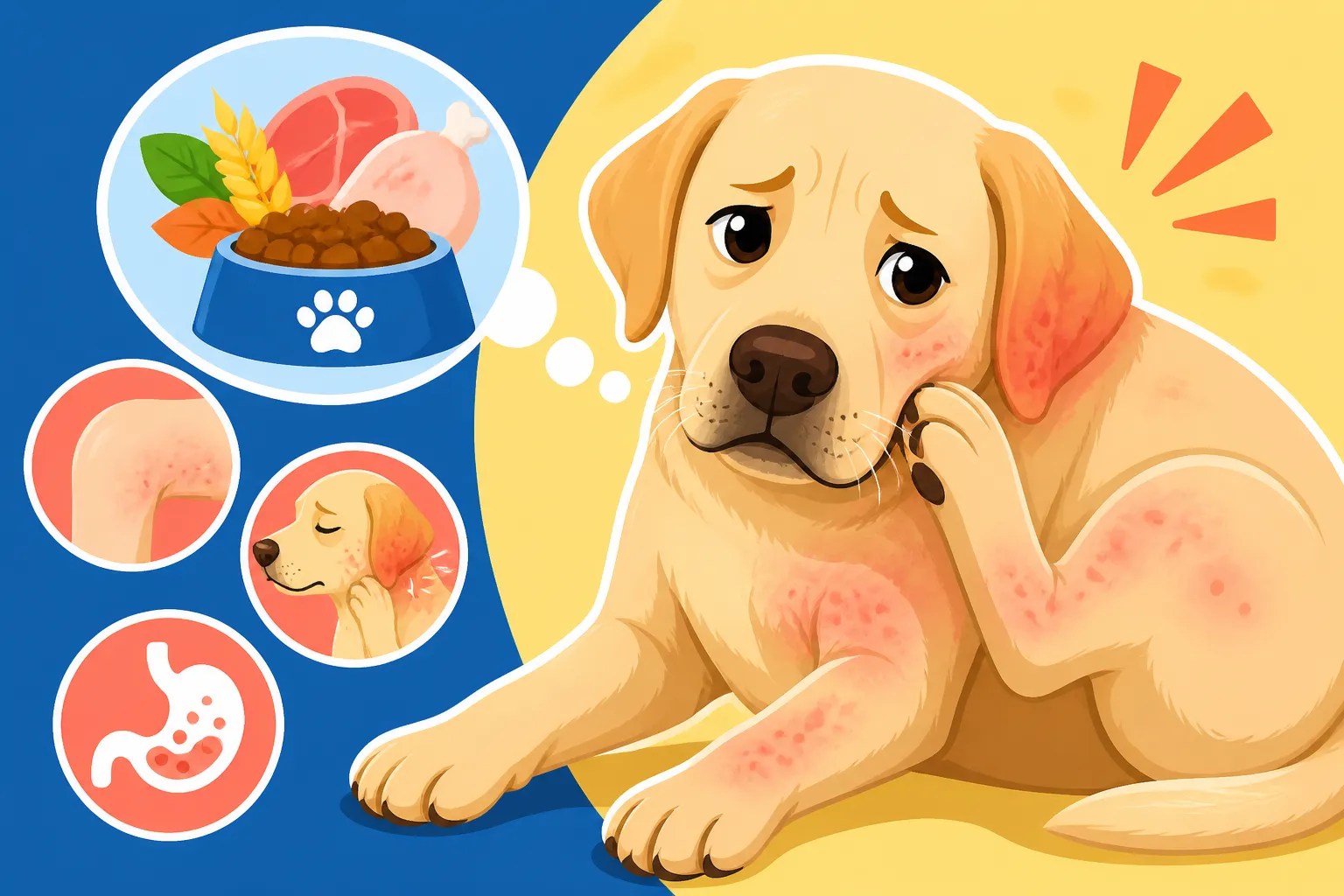
One of the hallmark signs of a food allergy in Labradors is relentless itching, or pruritus. You might notice your dog scratching their ears, face, armpits, groin, or under their tail almost constantly. It's not just a quick scratch here and there; it's persistent, sometimes to the point where they interrupt their sleep or play. This itching can be intense and often doesn't respond well to conventional flea treatments, which can make you feel even more helpless when you're trying to ease their discomfort.
If you’ve already ruled out parasites with your vet and the itching continues unabated, especially if it's year-round and not seasonal like many environmental allergies, a food allergy should definitely be on your radar. This kind of chronic itch can drive a Labrador (and their owner!) absolutely crazy, leading to other problems like anxiety and sleepless nights.
Redness, Rashes, and Hot Spots
The constant scratching and licking that accompanies a food allergy can quickly lead to irritated, inflamed skin. You might observe redness (erythema), small bumps or rashes, and even open sores where your Labrador has traumatized their skin. These inflamed areas are ripe for secondary bacterial or yeast infections, which can exacerbate the itching and lead to a vicious cycle.
A common manifestation of this is the infamous "hot spot," technically called acute moist dermatitis. These are rapidly developing, painful, red, oozing lesions that appear almost overnight, often on the head, neck, or hips. While hot spots can have many causes, a persistent underlying itch, like that from a food allergy, is a very common trigger. Treating the hot spot itself is crucial, but if you don't address the root cause, such as a food allergy, they will likely keep recurring, making life miserable for your poor pup. Learning about Hot Spots and Allergies in Labradors can help you differentiate and treat these effectively.
Chronic Ear Infections and Paw Licking
Beyond general body itching, specific areas like the ears and paws are frequently affected by food allergies in Labradors. You might notice your dog constantly shaking their head, pawing at their ears, or a strong, yeasty odor coming from deep within the ear canal. This is often due to chronic ear infections, which can be caused by bacteria or yeast, thriving in the inflamed and moist environment created by an allergic reaction. These infections can be incredibly painful and frustrating to treat if the underlying allergy isn't managed.
Similarly, obsessive paw licking or chewing is a classic sign. Your Labrador might sit and lick their paws for extended periods, causing the fur to become stained brown from saliva, and the skin between their toes to become red, swollen, and even infected. It’s not just a cute habit; it’s a sign of intense discomfort. These symptoms, when combined with general body itching, significantly strengthen the case for a potential food allergy. Understanding Labrador Ear and Skin Disease can provide further insight into these recurring issues.
Gastrointestinal Signs That Point to a Food Allergy
While skin issues are usually the most visible, food allergies in Labradors can also wreak havoc on their digestive system. These internal symptoms can sometimes be trickier to pinpoint, as they can overlap with many other health issues, but consistently observing them alongside skin problems often suggests a food allergy.
Chronic Diarrhea or Vomiting
If your Labrador regularly experiences loose stools, diarrhea, or bouts of vomiting, especially after meals or seemingly without explanation, a food allergy could be the cause. This isn't just an occasional upset stomach; it's persistent digestive distress. The body, perceiving the food protein as a threat, tries to expel it, leading to inflammation in the gastrointestinal tract.
You might notice that the diarrhea is often soft, poorly formed, or contains mucus. Sometimes, it can even lead to your Labrador having accidents in the house, despite being perfectly house-trained. This constant inflammation and upset can also lead to poor nutrient absorption, and in severe cases, your dog might even start to lose weight, despite eating a normal amount of food. This is an uncomfortable and potentially serious situation for your dog, requiring attention from your vet.
Excessive Gas and Abdominal Discomfort
Another common, albeit less glamorous, gastrointestinal sign is excessive flatulence. If your Labrador is clearing rooms with their gas more often than not, and it's accompanied by other digestive or skin issues, it's worth considering a food allergy. The fermentation of undigested food proteins in the gut, coupled with inflammation, can lead to increased gas production and significant discomfort.
You might also observe your Labrador displaying signs of abdominal pain or discomfort. This could manifest as restlessness, reluctance to be touched on their belly, a hunched posture, or even a reduced appetite due to feeling generally unwell. They might pace more, struggle to get comfortable, or make gurgling noises from their stomach. This kind of chronic digestive upset isn't normal for a healthy Labrador and warrants investigation.
Changes in Appetite or Weight
While some Labradors with food allergies might maintain their robust appetite despite discomfort, others may experience a noticeable change. Some dogs might become pickier, refusing certain foods, or they might even have a decreased appetite due to nausea or chronic stomach pain. It's an unusual thing for a Labrador to turn down food, so any sustained disinterest is a red flag.
Conversely, some Labradors might become even more food-obsessed, trying to eat anything they can get their paws on in an attempt to alleviate internal discomfort, which can be a subtle but important behavioral cue. Over time, persistent malabsorption from an inflamed gut can also lead to gradual weight loss or difficulty maintaining a healthy body condition, even if they're eating the usual amount. Keeping an eye on their body condition score, as you would to prevent Labrador Obesity and the Years It Costs, becomes even more critical in these situations.
Other, Less Obvious Clues Your Labrador Has a Food Allergy
While skin and gut issues are the heavy hitters, food allergies can sometimes present in more subtle, or less commonly recognized, ways. These additional clues can help you piece together the puzzle, especially if your Labrador's symptoms aren't exclusively confined to itching or digestive upset.
Chronic Respiratory Issues
Though less common than skin or GI symptoms, some Labradors with food allergies can exhibit mild respiratory issues. This might include chronic sneezing, nasal discharge, or even a persistent cough. It's often due to inflammation affecting the mucous membranes in the respiratory tract.
These symptoms can easily be mistaken for environmental allergies, kennel cough, or other infections. However, if they are persistent, non-seasonal, and accompany other classic food allergy signs, it’s worth discussing with your vet. It's another example of how the body's immune system can react in unexpected ways when faced with an allergen.
Behavior Changes and Low Energy
Chronic discomfort, whether from persistent itching or an upset stomach, can take a significant toll on your Labrador's overall demeanor and energy levels. A dog in constant pain or discomfort isn't a happy dog. You might observe a once-bouncy and enthusiastic Labrador becoming more lethargic, withdrawn, or less interested in play and exercise.
They might seem generally "down," irritable, or even snap more easily if touched in a sensitive area. This change in personality can be heartbreaking for owners and is a strong indicator that something is truly bothering your dog beneath the surface. Sometimes, the subtle Reading Pain in a Stoic Labrador can be crucial in recognizing these underlying issues. If your usually high-energy Labrador is suddenly acting much older or less engaged, it’s a sign that their body is fighting something internally.
Poor Coat Quality
Beyond the visible skin lesions, a food allergy can also impact the overall health and appearance of your Labrador's coat. A healthy Labrador should have a dense, shiny, water-resistant double coat. However, if they are suffering from a food allergy, you might notice their coat becoming dull, dry, brittle, or sparse.
Hair loss (alopecia), especially on the belly, flanks, or around the eyes and mouth, can occur due to inflammation, constant scratching, or underlying nutritional deficiencies caused by poor absorption in an inflamed gut. While not the first symptom you'd look for, a noticeable decline in coat quality, especially when paired with itching, can be another piece of the puzzle indicating an underlying systemic issue like a food allergy.
What to Do If You Suspect a Food Allergy
Discovering that your Labrador might have a food allergy can feel overwhelming, but the good news is that it’s a manageable condition once properly diagnosed. The key is working closely with your veterinarian to implement the right diagnostic and management strategy.
Consult Your Veterinarian
Your first and most important step is to schedule an appointment with your veterinarian. They will conduct a thorough physical examination, discuss your Labrador's history, symptoms, and current diet. It’s crucial to provide as much detail as possible about when symptoms started, their frequency, and any patterns you’ve observed. Your vet will first want to rule out other common causes of itching and gastrointestinal upset, such as parasites, environmental allergies, or other medical conditions. They might perform skin scrapings, cytology of the ears or skin, or even blood tests to check for other issues.
Don’t jump to conclusions or change your dog’s food drastically without professional guidance. Your vet can guide you through the process, which is often methodical and requires patience. When considering the costs associated with these diagnostic steps, remember that pet insurance can offer peace of mind. Plans from providers like Healthy Paws can often help cover the expenses of vet visits, tests, and specialized diets related to allergy diagnosis and management.
The Elimination Diet: The Gold Standard
If your vet suspects a food allergy, the most reliable diagnostic tool is an elimination diet, also known as a novel protein or hydrolyzed protein diet. This is not just switching to a "grain-free" food off the shelf. An elimination diet involves feeding your Labrador a very strict, limited ingredient diet for an extended period, typically 8 to 12 weeks. The food will contain either:
- A novel protein source: This is a protein your Labrador has never eaten before (e.g., venison, duck, rabbit, kangaroo).
- A hydrolyzed protein source: In these diets, the proteins are broken down into such tiny molecules that the immune system doesn't recognize them as allergens.
During this period, absolutely nothing else can be fed – no treats, no table scraps, no flavored medications, not even flavored toothpaste. This strict adherence is paramount, as even a tiny slip can compromise the entire trial. Learning about Running an Elimination Diet on a Labrador will give you a comprehensive understanding of how to implement this critical step effectively.
| Symptom Category | Likely Food Allergy Sign | Possible Other Causes |
|---|---|---|
| Skin | Persistent, non-seasonal itching, especially face/paws/ears | Fleas, environmental allergies, mites, bacterial/yeast infections |
| Redness, rashes, chronic hot spots | Fleas, environmental irritants, secondary infections | |
| Recurrent ear infections (bacterial/yeast) | Environmental allergies, ear mites, conformation (floppy ears) | |
| Obsessive paw licking/chewing | Environmental allergies, anxiety, injury, yeast infection | |
| Gastrointestinal | Chronic soft stools, diarrhea, vomiting | Parasites, IBS, pancreatitis, infections, food intolerance |
| Excessive gas, abdominal discomfort | Food intolerance, quick eating, bacterial overgrowth | |
| Changes in appetite, weight loss/gain | Other illnesses, dental issues, stress | |
| Other | Dull coat, hair loss | Nutritional deficiency, hormonal issues, parasites |
| Lethargy, behavior changes | Pain, other illnesses, stress, aging | |
| Chronic sneezing/coughing (rare) | Environmental allergies, infections, foreign body |
Reintroduction and Long-Term Management
After the elimination diet period, if your Labrador's symptoms have significantly improved or resolved, your vet will then guide you through the reintroduction phase. This involves adding back single, common food ingredients, one at a time, for a few days to a week. If symptoms return after reintroducing a specific ingredient, you’ve likely found your culprit! This step is critical because it definitively identifies the allergen, allowing you to create a long-term diet plan.
Once the allergens are identified, the long-term management involves strictly avoiding those ingredients. This might mean sticking to the novel or hydrolyzed protein diet, or carefully selecting a commercial dog food that is free of the identified allergens. You might also consider Home Cooked Meals for a Labrador if you prefer to have absolute control over ingredients. This commitment to avoiding triggers is key to keeping your Labrador healthy and comfortable. It's an adjustment, but seeing your Labrador thrive without constant itching or stomach upset is incredibly rewarding and worth every effort.
Disclaimer
The information provided in this article is intended for general knowledge and informational purposes only, and does not constitute veterinary advice. Always consult with a qualified veterinarian for any health concerns or before making any decisions related to your Labrador's health and medical care.