How Long a Labrador Puppy Can Hold It
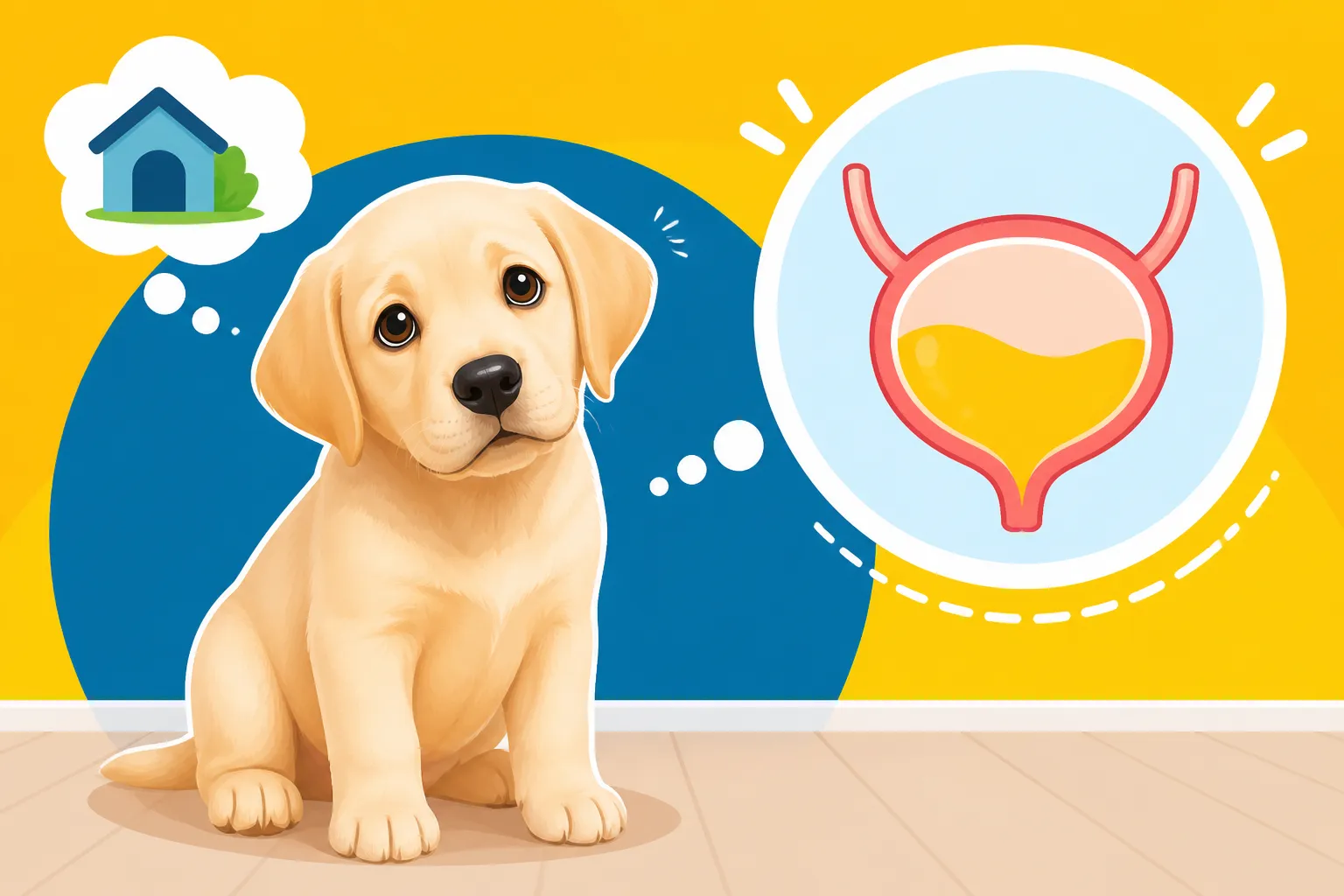
Bringing a new Labrador puppy home is an absolute joy, but let's be honest, the constant worry about potty accidents can be utterly exhausting. You're trying to figure out if your little furball is just stubborn or if their tiny bladder simply hasn't developed enough to "hold it" for more than five minutes. It’s a common frustration many new Labrador owners face, feeling like you’re glued to a leash or constantly cleaning up messes. This guide will walk you through realistic expectations for how long your Labrador puppy can truly hold their bladder, and share practical strategies to make potty training a smoother, less stressful journey for both you and your delightful new companion.
The Age-Based Bladder Control Guideline
One of the most widely cited rules of thumb for puppy bladder control is surprisingly simple, but it’s crucial to understand its limitations. This guideline suggests that a puppy can generally hold their bladder for about one hour for every month of their age, up to a maximum of about 8-10 hours for adult dogs. While it provides a good starting point, remember that it's a guideline, not a guaranteed ironclad rule.
Understanding the "Months Plus One Hour" Guideline
Let's break down what this means in practical terms. If you have an eight-week-old Labrador puppy, which is two months old, the guideline suggests they can hold their bladder for roughly two to three hours. A three-month-old puppy might manage three to four hours, and so on. This rule primarily applies during the day when your puppy is awake and active. Overnight is a different ballgame, as their metabolism slows down, and they're typically less active, often allowing them to hold it for slightly longer periods than during their waking hours, though still far less than an adult dog.
However, it's vital to recognize that this is an average, and individual puppies can vary wildly. Some precocious pups might stretch it a bit further, while others, especially those caught up in play or excitement, might need to go much sooner. For instance, a two-month-old pup might wake up from a nap and need to go immediately, even if it's only been an hour since their last potty break, because that sleep-wake transition often stimulates their bladder. It’s a starting point to help you plan your schedule, but always be ready for deviations.
Individual Differences in Puppy Bladder Control
Just like human toddlers, every Labrador puppy is unique. Factors like their size, metabolism, and even their individual personality can play a role in how long they can comfortably hold their urine. A smaller, more active pup might have a faster metabolism and therefore need to relieve themselves more frequently than a larger, more relaxed littermate, even if they are the same age.
Their diet can also influence things. Puppies on a wet food diet, or those who drink a lot of water, might need more frequent trips outside. Think of it this way: their bodies are tiny, their bladders are undeveloped, and they don't yet have the muscle control or cognitive awareness to "hold it" indefinitely. It's not a matter of defiance, but simply a biological reality of puppyhood. Acknowledging these individual variations is key to setting realistic expectations and avoiding unnecessary frustration during the potty training process.
Factors Influencing a Labrador Puppy's Bladder Capacity
Beyond just age, several dynamic factors can significantly impact how long your Labrador puppy can hold their bladder. Understanding these can help you anticipate their needs and prevent accidents before they happen.
Diet, Hydration, and Meal Schedules
What and when your Labrador puppy eats and drinks has a direct correlation to their potty schedule. A meal stimulates the digestive system, and often, within 15-30 minutes of eating, a puppy will need to defecate and sometimes urinate. If you're free-feeding your puppy, meaning food is available all day, it makes predicting potty breaks incredibly difficult. Instead, establishing a consistent How Much a Labrador Puppy Eats at Eight Weeks and feeding schedule is paramount.
For hydration, always ensure fresh water is available throughout the day, but consider limiting water intake about an hour or two before bedtime to reduce overnight accidents. This doesn't mean depriving them of water, just being strategic. A puppy who gulps down a large bowl of water after a play session will undoubtedly need to go sooner than one who's had sips throughout the day. Paying attention to these patterns will give you valuable clues about when your pup's next potty break is likely to occur.
Activity Levels and Excitement
A sleeping puppy might hold their bladder for longer, but the moment they wake up, the urge can be immediate. Similarly, periods of intense play or high excitement often trigger the need to urinate. Think about it: when your Labrador puppy is romping around the yard, chasing a ball, or greeting a new person, their metabolism is high, their body is active, and their little bladder is under pressure. It's not uncommon for a puppy to get so excited they simply forget themselves and pee.
This is why it's crucial to take your puppy out immediately after waking up from a nap, right after a play session, and definitely after any exciting event, like a visitor arriving or returning home after a short outing. These are prime times for accidents, and being proactive can save you a lot of clean-up and your puppy a lot of stress. Keep your eyes peeled for those tell-tale signs: circling, sniffing the ground, or suddenly stopping play.
Health Considerations
While most potty training challenges relate to development and routine, sometimes a puppy's inability to hold their bladder or their increased frequency in needing to go can signal an underlying health issue. Urinary tract infections (UTIs) are relatively common in puppies and can cause frequent, sometimes painful, urination. Other issues like bladder stones or even certain congenital conditions could affect bladder control.
If your Labrador puppy, who was previously making good progress with potty training, suddenly starts having more accidents, or if they strain to urinate, pass very small amounts, or show any signs of discomfort during urination, it's always best to consult your veterinarian. They can rule out any medical reasons before you double down on training efforts, ensuring your pup is healthy and comfortable throughout the process.
Practical Strategies for Potty Training Success
Potty training a Labrador puppy doesn't have to be an endless cycle of frustration and clean-up. With a solid plan and consistent effort, you can help your pup develop good bladder control and establish excellent potty habits. It's about setting them up for success, not just waiting for them to make a mistake.
Establishing a Consistent Potty Schedule
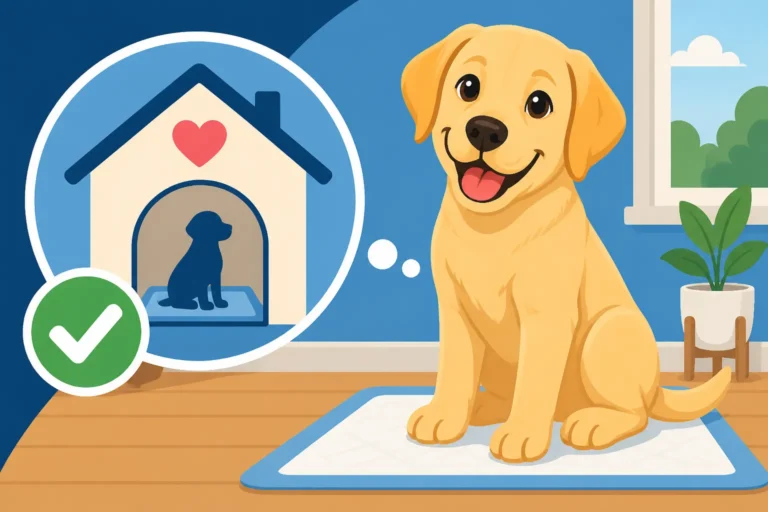
Consistency is the absolute bedrock of successful potty training. Your puppy thrives on routine, and knowing exactly when and where they're expected to relieve themselves drastically reduces accidents. Start by creating a detailed Potty Training Schedule for a Labrador Puppy that outlines specific times for potty breaks. This usually means taking them out:
- Immediately upon waking up in the morning.
- After every nap, even a short one.
- After every meal.
- After every play session.
- Before bedtime.
- And generally every 2-3 hours in between, especially for very young puppies.
When you take your puppy out, go to the same designated potty spot every time. This helps them associate that location with relieving themselves. Use a consistent verbal cue, like "go potty" or "do your business," as they are eliminating. When they finish, praise them enthusiastically and offer a high-value treat. This positive reinforcement makes the outdoor potty experience a rewarding one, strengthening the desired behavior. Over time, your pup will start to connect the cue, the location, and the reward with the act of going potty, leading to faster and more reliable results.
Leveraging Crate Training for Bladder Control
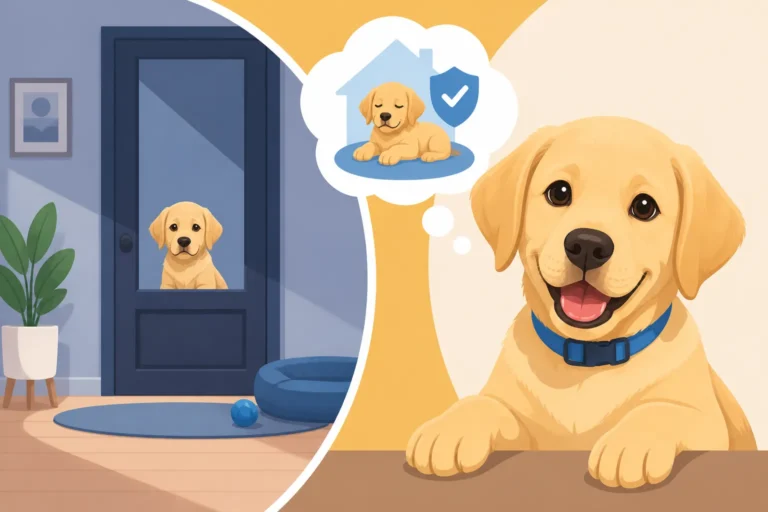
Crate training is an invaluable tool for potty training a Labrador puppy, as it taps into a dog's natural instinct not to soil their sleeping area. When properly introduced, a crate becomes a safe, comfortable den for your puppy, not a punishment. The key is to choose the right size crate—one large enough for your puppy to stand up, turn around, and lie down comfortably, but not so large that they can designate a "bathroom corner" far from their sleeping area. If the crate is too big, you might find your puppy having accidents inside. You can use a divider with an appropriately sized crate to expand it as your puppy grows. For tips on selection, see Crate Size for Potty Training a Labrador.
Place the crate in a central, family-oriented area of your home, like the living room or your bedroom at night. For specific advice on nighttime, check out Getting a Labrador Puppy to Sleep Until Morning and Overnight Potty Breaks for a Labrador Puppy. When your puppy is in their crate, they'll be motivated to hold their bladder, knowing they don't want to mess their bed. However, remember the age-based guidelines: never leave a puppy in a crate longer than they are physically capable of holding it. Frequent, scheduled potty breaks from the crate are essential to build success and prevent them from being forced to soil their space, which would undermine the whole process. Many puppy parents find excellent, durable crates and supplies on Amazon, making it easy to get started.
Recognizing the Signs and Preventing Accidents
Preventing accidents is much easier than cleaning them up (though a good enzymatic cleaner from Amazon is always a wise investment for puppy households!). This requires vigilant supervision, especially in the early stages of potty training. Always keep an eye on your Labrador puppy, and if you can't actively supervise them, consider tethering them to you or putting them in their crate for a short period.
Learn to recognize your puppy's pre-potty signals. These can include:
- Sniffing the ground intently.
- Circling or pacing.
- Restlessness.
- Suddenly stopping play.
- Whining or barking (though some puppies do this silently).
- Heading for a particular spot, like a quiet corner or the door.
The moment you see any of these signs, gently but quickly scoop your puppy up (or lead them on a leash) and take them to their designated potty spot outside. Don't scold them if they have an accident indoors; they're still learning. A quick, neutral interruption and redirection outside are more effective. Reward heavily when they go in the right place!
Positive Reinforcement and Rewards
When your Labrador puppy successfully goes potty outside, make it a party! Enthusiastic praise, a happy tone of voice, and a tasty high-value treat should be given immediately after they finish their business. This instantaneous reward helps your puppy connect the act of peeing or pooping outside with something wonderful happening to them. This crucial timing reinforces the desired behavior powerfully.
Avoid any negative reinforcement for indoor accidents. Scolding or punishing your puppy after an accident will only teach them to fear you or to hide their accidents, making it harder to catch them in the act and redirect them. Your goal is to make going potty outside the most positive, rewarding experience possible. Over time, your Labrador will learn that going outside brings joy (and treats!), and they'll be eager to do it there every time. This positive approach, often taught by online trainers like BAXTER & Bella, builds a strong, trusting bond and makes the whole training journey much more enjoyable.
Common Challenges and Troubleshooting
Potty training a Labrador puppy, while rewarding, isn't always a smooth, straight line to success. There will be bumps, detours, and moments when you feel like you're taking two steps back for every one forward. Understanding common challenges and how to address them can help you stay resilient and effective.
Dealing with Overnight Accidents
One of the most challenging aspects of puppy potty training is managing those overnight hours. Even with the "months plus one hour" rule, a young puppy, particularly under 4 months, may not be able to hold it for an entire night (6-8 hours). It's a common dilemma, leading to disturbed sleep for both human and canine.
The best strategy for Overnight Potty Breaks for a Labrador Puppy often involves setting an alarm for yourself. For a very young puppy (8-10 weeks), this might mean a potty break every 2-3 hours. As they get older, you can gradually extend these intervals. Take your puppy out on a leash, keep it quiet and business-like – no playing, no major excitement. Just go potty, praise calmly, and back to the crate they go. Ensure their crate is appropriately sized, as discussed earlier (not too big!), and that they've had their last meal and water a couple of hours before bedtime. This helps to reduce the volume of urine they'll need to hold overnight. Remember, consistency in these overnight trips will eventually help them develop the bladder control needed to sleep through the night.
When to Seek Professional Guidance
While most potty training issues can be resolved with consistency, patience, and the strategies outlined above, there are times when seeking professional guidance is absolutely the right step. If your Labrador puppy seems to be regressing in their potty training, or if they've never quite grasped the concept despite your best efforts, it might be time to consider professional help. This could be in the form of a certified professional dog trainer, or if you suspect a medical issue, your veterinarian.
A sudden increase in accidents, straining to urinate, or any signs of discomfort during urination warrant an immediate vet visit to rule out underlying medical conditions like a urinary tract infection (UTI). If health issues are cleared, a trainer can offer fresh perspectives, identify subtle behaviors you might be missing, and customize a training plan for your specific pup and household. Online resources, like those offered by BAXTER & Bella, can also provide structured courses and personalized support that can be incredibly helpful for persistent challenges or for getting off to the right start. There's no shame in asking for help; it shows you're dedicated to your Labrador's well-being and success.
| Age of Labrador Puppy | Average Max Hold Time (Daytime) | Typical Overnight Max Hold Time |
|---|---|---|
| 8 weeks (2 months) | 2-3 hours | 3-4 hours |
| 12 weeks (3 months) | 3-4 hours | 4-5 hours |
| 16 weeks (4 months) | 4-5 hours | 5-6 hours |
| 20 weeks (5 months) | 5-6 hours | 6-7 hours |
| 6+ months | 6-8+ hours | 8+ hours |
Remember, these are general guidelines. Always observe your individual puppy and adjust your schedule accordingly. Some puppies might hit these milestones earlier, while others may take a bit more time and consistency. Focus on praise and positive reinforcement, and keep in mind that accidents are part of the learning process. With a consistent routine and plenty of patience, your Labrador puppy will master potty training. For more comprehensive insights into their early development, you might find Labrador Puppy Health in the First Year or When to Start Training a Labrador Puppy helpful. Additionally, understanding general puppy behaviors like Labrador Puppy Mouthing and How to Redirect It can contribute to overall training success.
Disclaimer
This article is for general informational purposes only and does not constitute professional advice. Laws, prices and regulations vary by location and change over time. Consult a qualified professional for guidance on your specific situation.