House Training a Labrador Retriever
Bringing a new Labrador puppy home is an exhilarating time, full of wagging tails and tiny licks. But let's be honest, the excitement can quickly be overshadowed by the daunting task of house training, especially when those little accidents seem to happen at the most inconvenient moments. It feels like you're constantly scrubbing the floor and wondering if your intelligent pup will ever truly "get it." This comprehensive guide is here to walk you through every step of house training your Labrador Retriever, offering practical advice and empathetic understanding to help you and your furry friend achieve potty success without the stress.
Understanding Your Labrador's Instincts for House Training
Before we dive into schedules and cleaning supplies, it's really helpful to understand why house training can sometimes feel like an uphill battle, especially with a breed as lively and, let's face it, easily distracted as a Labrador. They're wonderful dogs, but their natural instincts, coupled with their puppy brains, mean they aren't born knowing the etiquette of indoor living.
The Labrador's Natural Drives and Potty Habits
Labradors, at their core, are creatures of habit and routine, which is a huge advantage once you establish one. However, as puppies, their bladders are tiny, and their digestive systems are rapidly processing all the food and water they consume. This means frequent potty breaks are not just a suggestion; they're a biological necessity. Imagine a baby who can't tell you when they need to go—that's essentially your Labrador puppy! They also have a natural instinct to keep their sleeping area clean, which is the foundational principle behind crate training. They generally won't soil their "den" unless they absolutely cannot hold it, making the crate an invaluable tool. Their high energy levels, though endearing, can sometimes make them forget themselves during play. One minute they're romping, the next they've paused to relieve themselves, completely oblivious to your exasperation. It's not malice; it's just puppy physics and pure excitement overriding their burgeoning understanding of where to go.
Communication Cues Your Labrador Will Give
Learning to read your Labrador's subtle signals is like cracking a secret code, and it's one of the most powerful tools in your house training arsenal. Unlike a human child who might say "Mommy, potty," your puppy communicates through body language and behavior. Before an accident happens, most puppies will display a few key signs. These can include pacing, sniffing the ground intently, circling, whining, going to the door, or even suddenly stopping play. If you're really paying attention, you might even catch them starting to squat or lift a leg. The trick is to intervene before they complete the act. As they get older, their signals become more refined; some will stand by the door and stare, others might give a little bark or nose you. Don't underestimate these cues. Missing them often means missing an opportunity for a successful outdoor potty break and potentially a mess indoors. The more consistent you are in responding to even the smallest signal, the faster your Labrador will learn that these actions get them exactly what they want: outside time.
Preparing Your Home for House Training Success
When you bring a new Labrador puppy home, it's not just about getting them to understand where to go; it's also about setting up their environment for success. Your home needs to become a classroom where good habits are easy and mistakes are hard. This means being proactive and thoughtful about space, tools, and prevention.
The Essential Crate: Size and Placement
The crate is, without a doubt, the single most important tool for house training a Labrador. It taps into their natural denning instinct to keep their sleeping area clean. However, the size is crucial. A crate that's too large allows them to potty in one corner and sleep in another, defeating the purpose entirely. You want a crate that's just big enough for them to stand up, turn around, and lie down comfortably. Many crates come with dividers, which are fantastic for adjusting the space as your puppy grows. For tips on choosing the right one, check out Crate Size for Potty Training a Labrador.
Placement matters, too. Your Labrador's crate shouldn't be tucked away in a lonely corner. Labradors are social animals, and being near their human family makes them feel secure. Place the crate in a common area where the family spends a lot of time, like the living room or kitchen. At night, it's often helpful to have the crate in your bedroom for the first few weeks. This allows you to hear them if they stir and need a middle-of-the-night potty break, which is really common for young pups. Hearing them rustle or whine can prevent an overnight accident and get you into a good routine for Labrador Puppy Nights and Crying.
Potty Zones: Indoor and Outdoor Setups
Establishing clear "potty zones" helps your Labrador understand where they are expected to eliminate. For most people, the primary potty zone will be outside in a designated area of the yard. This might be a specific patch of grass, a dirt area, or even a small section lined with pea gravel. The key is consistency. Always take your puppy to this same spot, every single time. This familiarity helps them associate the area with relieving themselves. When they go, make a huge fuss with praise and treats!
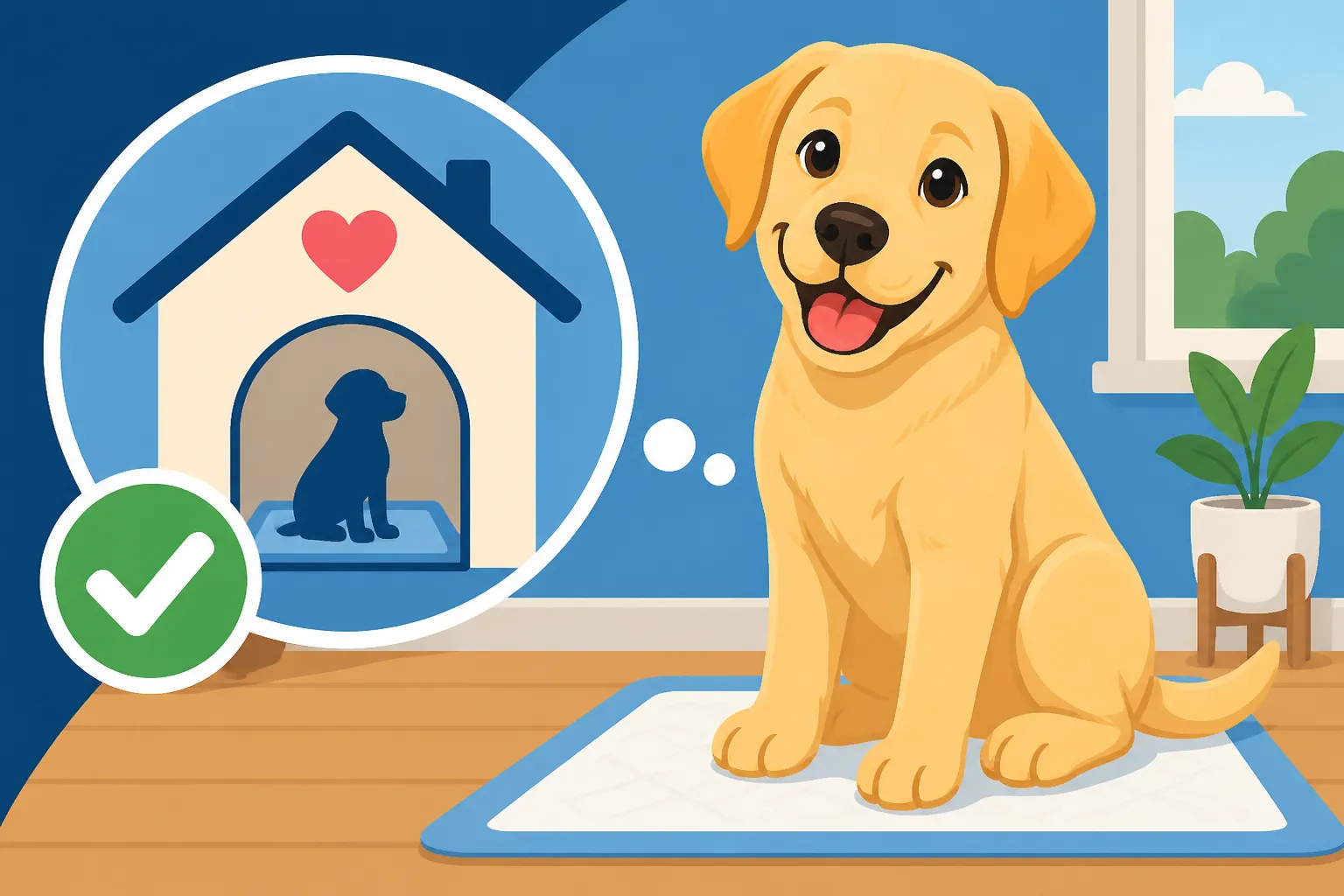
Sometimes, especially for very young puppies, owners might consider an indoor potty option like puppy pads or an artificial grass patch, particularly if they live in an apartment or are concerned about extreme weather. If you go this route, be mindful that it can create an extra step in training later, as you'll eventually need to transition them to outdoor-only eliminations. If you use pads, put them in a consistent, easily accessible spot. The goal is to make the "right" place as obvious and rewarding as possible. Remember to praise heavily for success in these areas, just as you would for outdoor potties. You can find various pads and grass patches on platforms like Amazon if you decide to go this route, giving you flexibility.
Puppy-Proofing for Accidents and Prevention
No matter how diligent you are, accidents will happen. It's part of the process, and it's essential not to get discouraged. However, you can significantly reduce the likelihood and impact of these accidents through smart puppy-proofing. Think of your home from your Labrador's perspective: every corner is a potential discovery, every soft surface a potential toilet.
First, limit your puppy's unsupervised access to the house. Use baby gates or exercise pens to confine them to specific, easily cleaned areas when you can't have eyes on them. This might be the kitchen with a tile floor or a utility room. If they have an accident in a small, contained area, it's easier to clean and manage. Remove any tempting rugs or carpets from these areas initially. Second, invest in a good enzymatic cleaner. Regular household cleaners might remove the visible stain, but they won't eliminate the odor that's imperceptible to humans but a giant "potty here!" sign to your Labrador. An enzymatic cleaner breaks down the odor-causing molecules, preventing repeat offenses in the same spot. Ensure you have plenty of paper towels and this cleaner on hand. Being prepared for accidents is not admitting defeat; it's being a responsible and realistic Labrador owner.
Establishing a Rock-Solid Potty Schedule
Consistency is king when it comes to house training, and nowhere is this more true than with establishing a predictable potty schedule. Your Labrador puppy thrives on routine, and a well-planned schedule helps them learn when and where they're expected to relieve themselves, minimizing confusion and accidents.
The Importance of a Consistent Routine
Labradors, like most dogs, are creatures of habit. Their bodies naturally adjust to regular feeding times, wake-up times, and play times. By integrating potty breaks into this rhythm, you're building a strong association in their minds: "This time of day, this activity, means it's time to go outside and potty." A consistent routine removes the guesswork for your puppy and allows them to anticipate their next opportunity. If your schedule is erratic, taking them out at random times, it's like asking them to solve a puzzle with missing pieces. They simply won't know when to hold it and when to expect to be let out. This consistency extends beyond just when you take them out; it also applies to where you take them (the designated potty spot) and how you reward them (praise and treats every time). The more predictable you are, the faster your Labrador will pick up on the pattern. This foundational principle is key to successful training, whether for potty breaks or learning their First Commands to Teach a Labrador.
Sample Potty Schedule for Different Ages
While every puppy is different, a general schedule can guide you. Young puppies (8-12 weeks) need to go out very frequently. Think every 30-60 minutes while awake, immediately after waking up from naps, after eating or drinking, after playing, and right before bedtime. As they grow, their bladder control improves.
Here's a sample daily schedule:
| Time | Activity | Notes |
|---|---|---|
| 6:00 AM | Wake up, immediately outside to potty. | First thing in the morning is critical. |
| 6:15 AM | Breakfast, play. | |
| 6:45 AM | Outside to potty (after eating/playing). | Another critical time. |
| 7:00 AM – 12:00 PM | Short potty breaks every 30-60 min, play. | If crated, shorter intervals; if supervised, longer. |
| 12:00 PM | Lunch, play. | |
| 12:30 PM | Outside to potty (after eating/playing). | |
| 12:30 PM – 5:00 PM | Short potty breaks every 1-2 hours, play/nap. | Gradually increase time as pup gets older. |
| 5:00 PM | Dinner, play. | |
| 5:30 PM | Outside to potty (after eating/playing). | |
| 5:30 PM – 9:00 PM | Short potty breaks every 1-2 hours, quiet time. | Last few hours before bed. |
| 9:00 PM | Last potty break before bed. | Take them out one last time, even if they seem tired. |
| Overnight | Potty break as needed (see below). | Young puppies will need at least one, possibly two. |
As your Labrador gets older (3-6 months), you can gradually extend the time between breaks. A good rule of thumb is that a puppy can typically hold their bladder for one hour per month of age, plus one hour (e.g., a 3-month-old puppy can hold it for 4 hours), but this is a maximum, not a target for training. Always aim for more frequent breaks. For a more detailed guide, see Potty Training Schedule for a Labrador Puppy.
Midnight Potty Breaks and Overnight Strategy
Overnight can be a real sticking point for new puppy owners. The good news is that puppies, especially when crated, can often hold it longer at night because their metabolism slows down while they sleep. However, young puppies will need to go out at least once, and sometimes twice, during the night. The key is to make these breaks as uneventful as possible.
When your puppy stirs or whines in their crate (which should be in your bedroom initially so you can hear them), don't engage in play or lavish attention. Quietly take them straight outside to their designated potty spot. Don't turn on too many lights, don't talk much, and definitely don't let them explore the yard. The goal is strictly business. Once they've pottied, offer quiet praise and a small, quick treat, then immediately bring them back inside and put them back in their crate. This teaches them that crying in the crate at night means "potty time," not "playtime." It also helps reinforce the idea that night is for sleeping. Trying to push them too long can lead to accidents and frustration for everyone, so be realistic about How Long a Labrador Puppy Can Hold It during those first few weeks.
The Art of Positive Reinforcement and Rewards
If there's one golden rule in house training a Labrador, it's this: positive reinforcement is your superpower. Labradors are famously eager to please and highly food-motivated, making them perfect candidates for reward-based training. This method not only teaches them desired behaviors but also builds a strong, trusting bond between you and your pup.
Marking Good Behavior: Timed Praise and Treats
The most crucial element of positive reinforcement for house training is timing. When your Labrador squats and potties in the correct spot outside, you have a tiny window – literally 1-3 seconds – to mark that behavior as desirable. As soon as they finish, enthusiastically say "Yes!" or "Good potty!" (or whatever marker word you choose) and immediately follow it with a high-value treat and genuine, happy praise. A quick pat or scratch behind the ears is also great. The goal is for your puppy to connect the act of eliminating in the right spot directly with the awesome reward. If you wait too long, even a few seconds, they might associate the reward with something else they're doing (like sniffing a bush or looking at you), rather than the potty act itself.
This immediate feedback loop is incredibly powerful. It clearly communicates to your Labrador exactly what you want them to do. It also transforms potty breaks from a chore into a fun, rewarding interaction. Remember, your excitement is contagious, and a happy owner makes for a happy, well-trained Labrador.
Choosing High-Value Rewards for Your Labrador
Not all treats are created equal in the eyes of a Labrador. For house training, especially in the early stages, you want to use high-value rewards. These are treats that your Labrador absolutely adores and would do almost anything for. Forget the dry, crunchy biscuits for now. Think soft, smelly, and delicious morsels.
Examples of high-value treats can include:
- Small pieces of cooked chicken or turkey breast
- Cheese cubes (in moderation)
- Hot dogs (cut into tiny pieces)
- Store-bought soft training treats designed for puppies (like Zuke's Mini Naturals or Wellness Soft Puppy Bites)
- Even pieces of their regular kibble, if they're really hungry and it's particularly motivating.
The idea is that the reward should be so fantastic that it outweighs any distractions and makes going potty outside the most amazing thing ever. Keep these treats readily available near the door where you take them out, or in a treat pouch on your person. This ensures you're always prepared for that immediate reward. Over time, as your Labrador consistently potties outside, you can gradually reduce the reliance on high-value treats and transition to more verbal praise and occasional rewards. For more on what motivates them, check out Treats That Motivate a Food-Driven Labrador.
Avoiding Punishment for Accidents
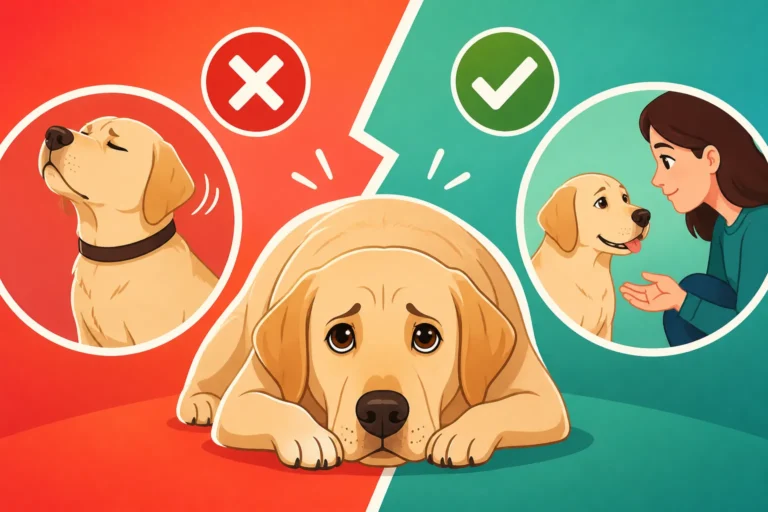
This is perhaps one of the most critical aspects of positive reinforcement: never punish your Labrador for an accident. This includes yelling, rubbing their nose in it, or physical corrections. While it might feel like a natural, frustrated reaction, punishment is counterproductive and can severely damage your relationship with your puppy.
When you punish a Labrador for an indoor accident, they don't associate the punishment with the act of peeing indoors. Instead, they learn to associate it with peeing in front of you. This can lead to a host of problems:
- Hiding to potty: They'll start sneaking off to hidden corners, behind furniture, or to another room to relieve themselves, making it harder to catch them in the act and direct them outside.
- Fear and anxiety: They may become fearful of you, especially during potty breaks, which undermines trust and makes all training harder.
- Holding it too long: They might hold their bladder and bowels for excessively long periods, even when outside, out of fear of getting it wrong, which can lead to discomfort or even health issues.
If you catch your Labrador in the act of having an accident indoors, simply interrupt them calmly with a clap or a sharp "Ah-ah!" and immediately scoop them up (if small enough) or leash them and rush them outside to their designated potty spot. If they finish outside, reward lavishly. If they don't, bring them back in, keep them on a leash with you, and try again in 5-10 minutes. If you find an accident after the fact, there's nothing to do but clean it up thoroughly with an enzymatic cleaner. The moment has passed, and punishment at that point is meaningless to your dog. Focus on preventing future accidents through vigilance and routine.
Dealing With Accidents and Setbacks
Let's be real: no house training journey is perfectly smooth. Accidents will happen. You'll walk into a room and find a puddle, or your pup will have an unfortunate mishap right after coming inside from a successful potty break. It's frustrating, certainly, but understanding how to handle these moments is crucial for long-term success.
Cleaning Up Accidents Effectively
When an accident happens indoors, your immediate reaction might be a groan of dismay. However, how you clean it up is just as important as the act of cleaning itself. As mentioned before, standard household cleaners often don't eliminate the odor molecules that are a huge beacon for your Labrador's super-sensitive nose, telling them, "Hey, this is a potty spot!"
This is where a good enzymatic cleaner comes into play. These cleaners contain enzymes that break down the organic matter in urine, feces, and vomit, neutralizing the odors at their source.
Here's the routine:
- Blot, don't rub: For urine, use paper towels or an old rag to blot up as much of the liquid as possible. Rubbing can spread the stain and push it deeper into carpets or upholstery.
- Rinse (if applicable): For carpet or fabric, you might want to lightly rinse the area with clean water and blot again.
- Apply enzymatic cleaner generously: Saturate the soiled area with the cleaner, making sure to cover an area slightly larger than the visible stain, as urine can spread. Read the product instructions carefully; some require you to let it sit for a while, others advise covering it with a towel to keep it moist. Brands available on Amazon often provide excellent enzymatic cleaners designed specifically for pet accidents.
- Allow to dry: Let the area air dry completely. Don't use other cleaners on top of the enzymatic one, as they can sometimes interfere with the enzymes.
- Repeat if necessary: For stubborn odors or older stains, you might need to repeat the process.
Proper cleaning is not just about aesthetics; it's about eliminating the scent cues that encourage your Labrador to re-offend in the same spot.
Identifying and Addressing Regression
Sometimes, a seemingly house-trained Labrador might suddenly start having accidents again. This "regression" can be incredibly disheartening, making you feel like you're back at square one. However, it's rarely a sign that your dog has "forgotten" their training.
Regression is almost always a symptom of something else going on. Common causes include:
- Medical issues: A urinary tract infection (UTI), kidney problems, or even sudden onset diabetes can cause increased urination and loss of bladder control. Any sudden change in potty habits should warrant a vet visit to rule out underlying health problems. Which Labrador Conditions Show Up Most at the Vet is a great resource if you're concerned about health.
- Changes in routine: A new work schedule, a family vacation, a new pet, or even just changes in daylight hours can throw off your Labrador's internal clock and lead to confusion.
- Stress or anxiety: Separation anxiety, fear of new noises (like fireworks or thunderstorms), or changes in the household (a new baby, houseguests) can manifest as house soiling.
- Inconsistent management: Have you gotten lax with supervision? Are you allowing them too much unsupervised freedom? Have you stopped rewarding them for outdoor success?
- Adolescence: Just like human teenagers, adolescent Labradors (roughly 6-18 months) can go through a phase where they test boundaries and seem to "forget" training. This is a common time for Why a House-Trained Labrador Regresses.
Addressing regression means first ruling out medical causes, then identifying the root behavioral or environmental cause. Once you figure out why, you essentially go back to basics: increase supervision, shorten potty intervals, go back to lavish rewards for outdoor success, and consider temporary confinement like crating or leashing indoors.
When to Seek Professional Help
If you've been diligently following a consistent schedule, using positive reinforcement, cleaning accidents properly, and ruling out medical issues, but your Labrador is still struggling with house training, it might be time to call in the cavalry: a professional dog trainer or a veterinary behaviorist.
Here's when to consider professional help:
- Chronic accidents: If accidents are happening daily or multiple times a day despite your best efforts.
- Peeing in the crate: If your Labrador is consistently soiling their crate, especially if it's appropriately sized, it's a significant red flag. This can indicate severe anxiety, a medical issue, or a complete breakdown in the denning instinct.
- Difficulty identifying cues: If you genuinely can't seem to read your dog's signals, a professional can offer a fresh pair of eyes and teach you how to interpret their body language.
- Stress-related behaviors: If the accidents are accompanied by other signs of anxiety or stress, such as destructive chewing, excessive barking, or withdrawal, a behaviorist can help diagnose and treat the underlying emotional issues.
A good professional can assess your specific situation, observe your Labrador's behavior, and provide a tailored plan. They can also offer guidance on managing challenging situations and give you the confidence you need to get back on track. Resources like BAXTER & Bella offer comprehensive online puppy training programs that often include guidance on house training, which can be a good starting point before individual consultation.
Transitioning to Outdoor Independence
The ultimate goal of house training is for your Labrador to reliably and independently seek to go outside when they need to relieve themselves. This doesn't happen overnight; it's a gradual process of building bladder and bowel control, strengthening communication, and reinforcing good habits.
Gradually Increasing Time Between Potty Breaks
As your Labrador matures, their bladder and bowel control will naturally improve. You won't need to take them out every hour forever! The key is to gradually and thoughtfully increase the time between scheduled potty breaks. Don't rush this process. A good indicator that your pup is ready for longer stretches is consistent success at the current interval. If they've gone several days or a week without an accident at a 2-hour interval, try extending it to 2.5 hours. Always keep a close eye on them during these extended times, looking for those familiar pre-potty signals.
Remember that certain activities, like vigorous play or immediately after a big drink of water, will always necessitate a sooner potty break, regardless of their age. The aim is to build their ability to hold it comfortably while also ensuring they have ample opportunities to go outside. This means that even if they can hold it for four hours, you might still take them out every three hours, just to make sure they're not pushing their limits. This strategy helps them internalize the expectation that outdoor relief is always available when needed.
Teaching Your Labrador to Signal
While you start by observing your Labrador's natural signals, the next step is to teach them a clear, consistent way to ask to go out. This puts the responsibility on them, empowering them and making your life much easier.
Common signaling methods include:
- Bell training: Hang a set of bells on the doorknob leading to their potty area. Every time you take your Labrador out, gently use their paw to ring the bells and say "Outside, potty!" or a similar cue. Then immediately go out. When they accidentally bump the bells and you go out, reward them if they potty. Eventually, they'll learn that ringing the bells leads to the door opening and a chance to go potty.
- Sitting by the door: Many Labradors naturally start sitting or standing intently by the door when they need to go. If you notice this, immediately open the door and reward them for going outside.
- Barking/Whining at the door: If your Labrador naturally barks or whines at the door, you can reinforce this. However, be careful not to reinforce excessive or demanding barking; only respond to polite requests at the door.
Whatever method you choose, consistency is key. Always respond to their signal, even if you just took them out. If they go outside and don't potty, that's okay. Just bring them back in and try again in a few minutes, keeping them on a short leash or under close supervision in the meantime. The goal is to make their signal universally understood and always rewarded.
Maintaining the Routine in New Environments
Your Labrador might be a potty pro at home, but what happens when you travel or visit friends? New environments can throw off even the best-trained dogs. The smells, sights, and routines are all different, which can lead to confusion and accidents.
To maintain good habits in new places:
- Bring familiar items: Their crate, bed, and favorite toys can provide a sense of security and familiarity.
- Establish an immediate routine: As soon as you arrive, take your Labrador to a designated outdoor potty spot. Repeat this frequently, especially in the first few hours.
- Supervise closely: Treat them like a young puppy again. Keep them leashed or under constant supervision indoors to prevent accidents.
- Use their crate: The crate is invaluable for providing a safe, clean space where they feel secure and are less likely to have an accident.
- Be patient: Understand that it might take a day or two for them to adjust. Don't get frustrated if there's a minor setback. Just calmly redirect them and reinforce good behavior.
Remember, the principles remain the same: consistency, positive reinforcement, and clear communication. By applying these, your Labrador can become a polite house guest wherever you go. For example, if you're taking a road trip, having their crate and familiar items from home will make the travel and stay much easier. Consider their comfort for Road Trips and Travel With a Labrador.
Common House Training Mistakes to Avoid
Even with the best intentions, it's easy to fall into certain traps during house training. Avoiding these common mistakes can save you a lot of frustration and help your Labrador learn faster and more effectively.
Free-Feeding and Inconsistent Schedules
One of the biggest pitfalls in house training is free-feeding your Labrador, which means leaving food out all day for them to graze whenever they please. While it might seem convenient, it makes predicting potty needs almost impossible. When food intake is inconsistent, so are elimination times.
Labradors, especially as puppies, thrive on routine. Scheduled meals lead to scheduled poops! If you feed your Labrador at specific times each day, you can much more accurately predict when they'll need to go outside for a bowel movement, typically within 15-30 minutes after eating. This predictability is a cornerstone of effective house training. For more on this, check out Why Free Feeding Fails With a Labrador.
Similarly, an inconsistent potty schedule is a recipe for disaster. If you take your puppy out every hour one day and every three hours the next, you're creating confusion. Your Labrador won't know when to expect a break or when they're expected to hold it. Stick to a schedule like glue, especially in the early weeks. This consistency helps their body regulate and builds the association between time of day/activity and going outside.
Rushing the Process and Expecting Too Much
It's easy to get impatient, especially when you see other puppies seeming to "get it" faster, or when you're just plain tired of cleaning up messes. However, rushing the house training process and expecting too much from your Labrador too soon is a common mistake that can lead to setbacks.
Remember, bladder and bowel control develops over time. A 2-month-old puppy physically cannot hold it for as long as a 6-month-old. Expecting them to is unfair and will inevitably lead to accidents. Each puppy learns at their own pace, and factors like breed, individual temperament, and even previous experiences (if adopting an older dog) can influence the timeline.
Avoid pushing the limits on how long they can hold it. If you've had success taking them out every hour, don't suddenly jump to three hours just because you're busy. Gradually extend the time between breaks only when they've demonstrated consistent success at the current interval. Celebrate small victories, be patient with failures, and understand that house training is a marathon, not a sprint. Trying to speed things up often backfires, creating more stress and slowing down the overall progress.
Misinterpreting Your Labrador's Signals
Another common mistake is misinterpreting or simply missing your Labrador's subtle cues that they need to go out. As mentioned earlier, puppies communicate through body language long before an accident happens. If you're distracted by your phone, the TV, or household chores, you might miss that crucial sniff, circle, or shift in posture.
Sometimes, owners also misinterpret why their dog is having an accident. They might assume stubbornness or defiance, when in reality, it could be a medical issue, anxiety, or simply a miscommunication. For example, a puppy pacing and whining near the door might be signaling they need to go out, not just begging for attention. If you ignore the signal, an accident is likely to follow.
Make a conscious effort to be present and observe your Labrador, especially during critical times like after waking, eating, or playing. Learn their specific signals. Every dog is an individual, and while general cues exist, your Labrador might have their own unique way of telling you it's time. By understanding and responding promptly to their communication, you reinforce that their signals are effective, building confidence and accelerating their learning curve.
Products and Tools That Can Make a Difference
While consistent training and patience are truly the most important "tools," certain products can make the house training journey smoother, more efficient, and less stressful for both you and your Labrador. Having the right gear on hand can prevent accidents, simplify clean-up, and reinforce good habits.
Crates, Gates, and Playpens
As we discussed, the crate is paramount. It provides a safe, den-like space where your Labrador feels secure and is naturally less likely to soil. When choosing a crate, consider one with a divider that can be adjusted as your puppy grows, saving you from buying multiple crates. Wire crates offer good ventilation and visibility, while plastic travel crates can be cozy and den-like. You can easily find a wide range of sizes and styles on Amazon.
Baby gates and exercise pens are fantastic for limiting your puppy's access to unsupervised areas of the house. This is crucial for preventing accidents in rooms where you can't keep a close eye on them. For instance, you can use a baby gate to confine your pup to the kitchen while you're cooking, or an exercise pen to create a safe play zone in the living room. This allows you to "puppy-proof" certain areas without having to completely barricade your entire home. They are particularly useful for those periods when you can't have your full attention on your pup but also don't want them confined to their crate for too long.
Cleaning Supplies and Odor Eliminators
Accidents are inevitable, and having the right cleaning supplies is essential for mitigating their impact. Your absolute must-have is an enzymatic cleaner. These cleaners are specifically designed to break down the organic molecules in urine and feces, eliminating the odor that attracts your dog back to the same spot. Brands like Nature's Miracle or Rocco & Roxie are highly recommended and widely available.
Beyond enzymatic cleaners, stock up on basic supplies:
- Paper towels: For quick blotting of fresh accidents.
- Old rags/microfiber cloths: For scrubbing and applying cleaners.
- Rubber gloves: To keep things hygienic.
- A small scrub brush: For getting into carpet fibers.
Having these on hand ensures you can tackle any mess quickly and effectively, preventing lingering odors that could encourage your Labrador to re-offend. This is part of the First Year Costs With a Labrador and What It Costs, so budgeting for good quality cleaning supplies from the start is wise.
Training Aids and Resources
Beyond physical tools, there are various aids and resources that can support your house training efforts:
- Potty bells: As discussed, these can be a great way for your Labrador to signal their need to go out. You can find simple bell sets that hang on a doorknob, often listed on platforms like Amazon.
- High-value training treats: Keep a supply of soft, highly palatable treats specifically for rewarding successful potty breaks outside. These should be different and more exciting than their regular kibble. For more insight, check out Treats That Motivate a Food-Driven Labrador.
- Long lines/leashes: For supervised outdoor play or when visiting new places, a long line (15-30 feet) can give your Labrador a bit more freedom while still allowing you to keep them close and direct them to a potty spot if needed.
- Online training programs and books: Platforms like BAXTER & Bella offer comprehensive online puppy training programs that cover everything from house training to basic obedience, often with videos and live Q&A sessions. These can be incredibly helpful for troubleshooting and providing structured guidance. Books on positive reinforcement puppy training can also offer valuable insights and additional strategies.
- Smart home cameras: If you need to leave your puppy alone for short periods in a confined, puppy-proofed area, a pet camera can help you monitor their behavior and catch any pre-potty signals or accidents, allowing you to learn their patterns even when you're not in the room.
By integrating these products and resources into your house training plan, you're creating an environment that supports your Labrador's learning and sets both of you up for success.
Disclaimer
This article is for general informational purposes only and does not constitute professional advice. Laws, prices and regulations vary by location and change over time. Consult a qualified professional for guidance on your specific situation.