Why a Quarter of Labradors Overeat by Genetics
A POMC gene deletion affects twenty-three percent of Labradors, disrupting brain fullness signals and causing constant hunger.

A POMC gene deletion affects twenty-three percent of Labradors, disrupting brain fullness signals and causing constant hunger.
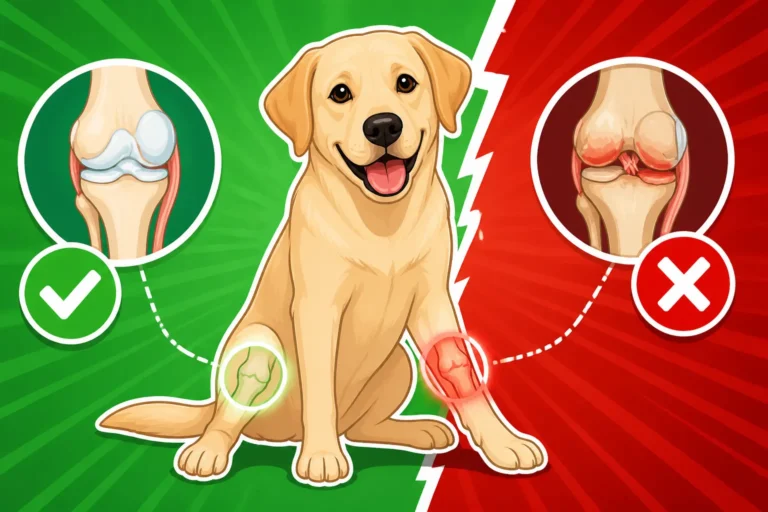
Labrador cruciate ligament tears and why forty to sixty percent of these dogs suffer a second injury within two years.
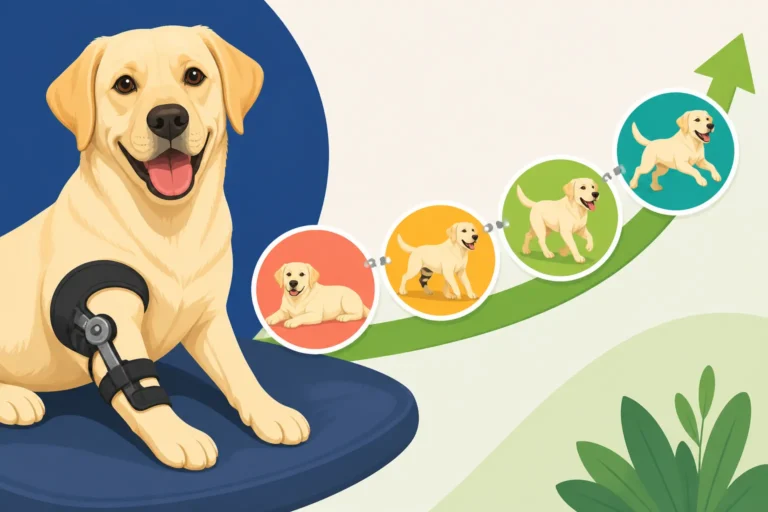
Labrador cruciate surgery recovery timelines, post-op care steps, and rehabilitation methods for TPLO and TTA procedures.
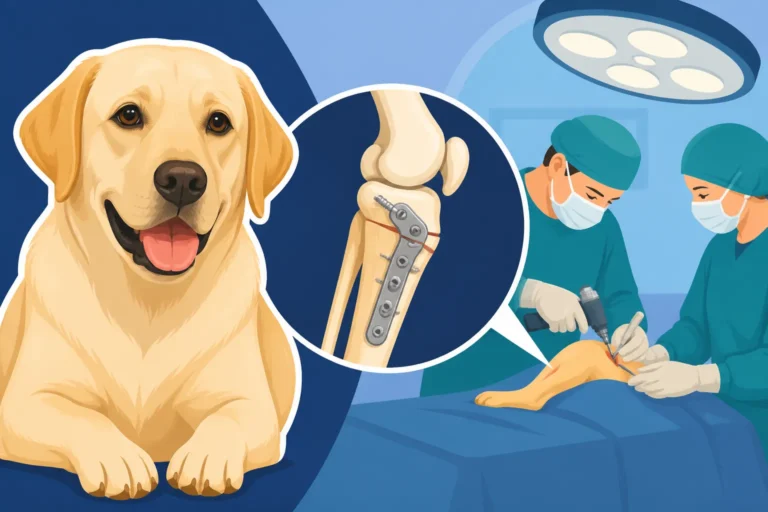
Labrador TPLO surgery repairs a torn cranial cruciate ligament by reshaping the tibia bone to stabilize the knee joint during movement.
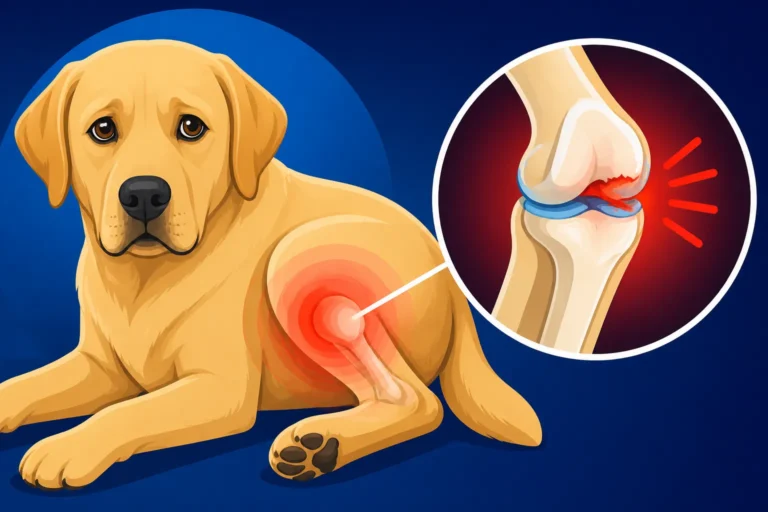
Labrador cranial cruciate ligament tears occur due to joint biomechanics, genetics, and tibial angles causing chronic stress.
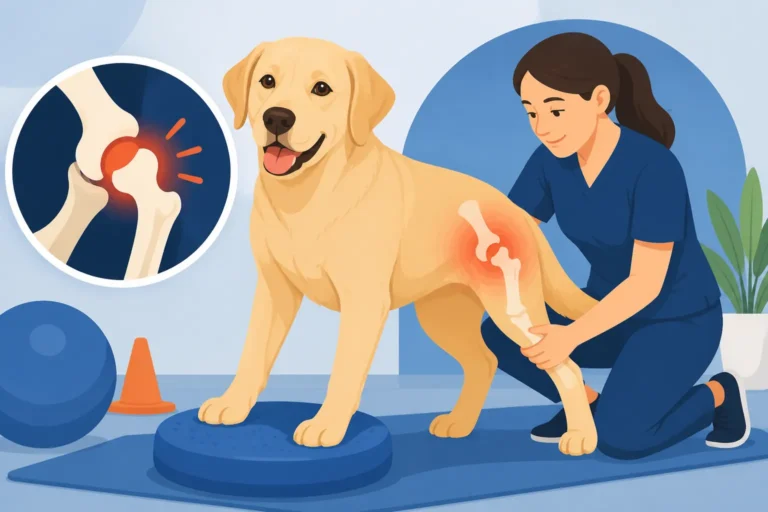
Physical therapy for Labradors with hip dysplasia manages pain, builds muscle strength, improves mobility, and prevents osteoarthritis.

Labrador hip dysplasia management involves non-surgical strategies to control joint pain, reduce inflammation, and improve mobility.
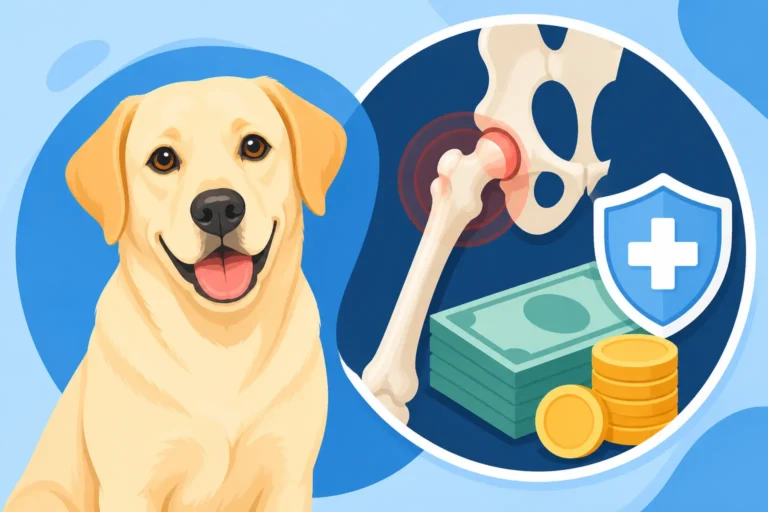
Labrador hip surgery costs and procedures, ranging from $1,500 to $4,000 for an FHO, with diagnostic fees from $200 to $800.
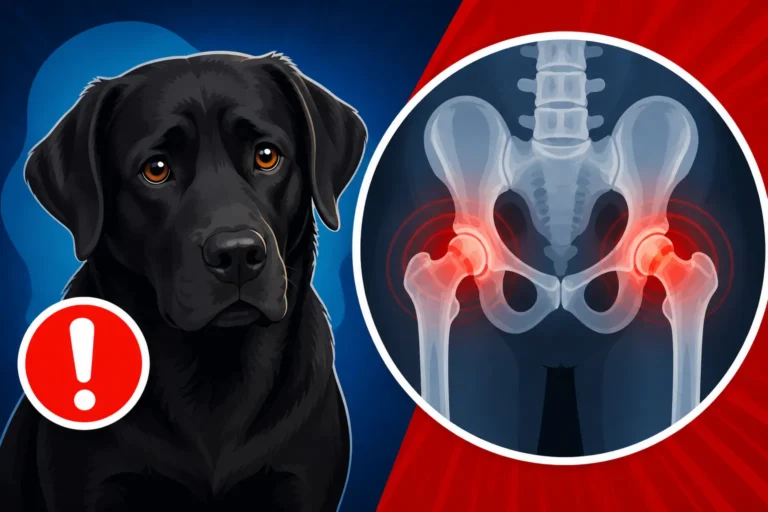
PennHIP distraction index scores above 0.3 reveal high hip dysplasia risk for Labrador dogs undergoing joint evaluations.
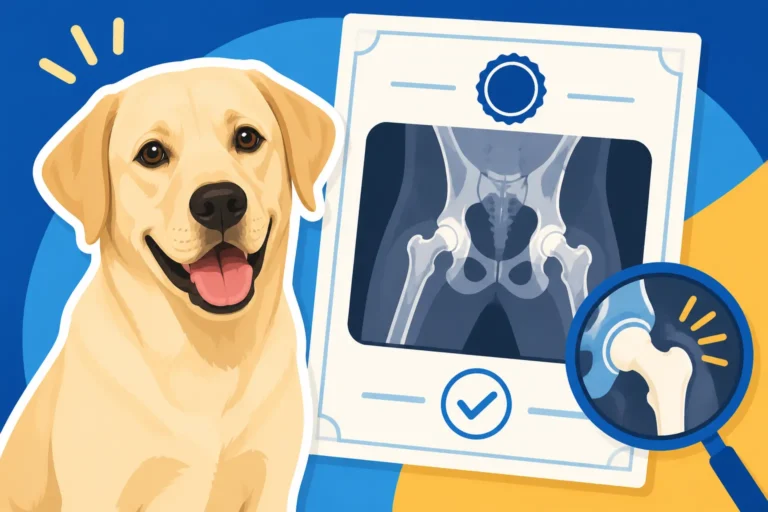
OFA hip certificates for Labradors provide standardized evaluations and grades ranging from excellent to severe to assess joint health.