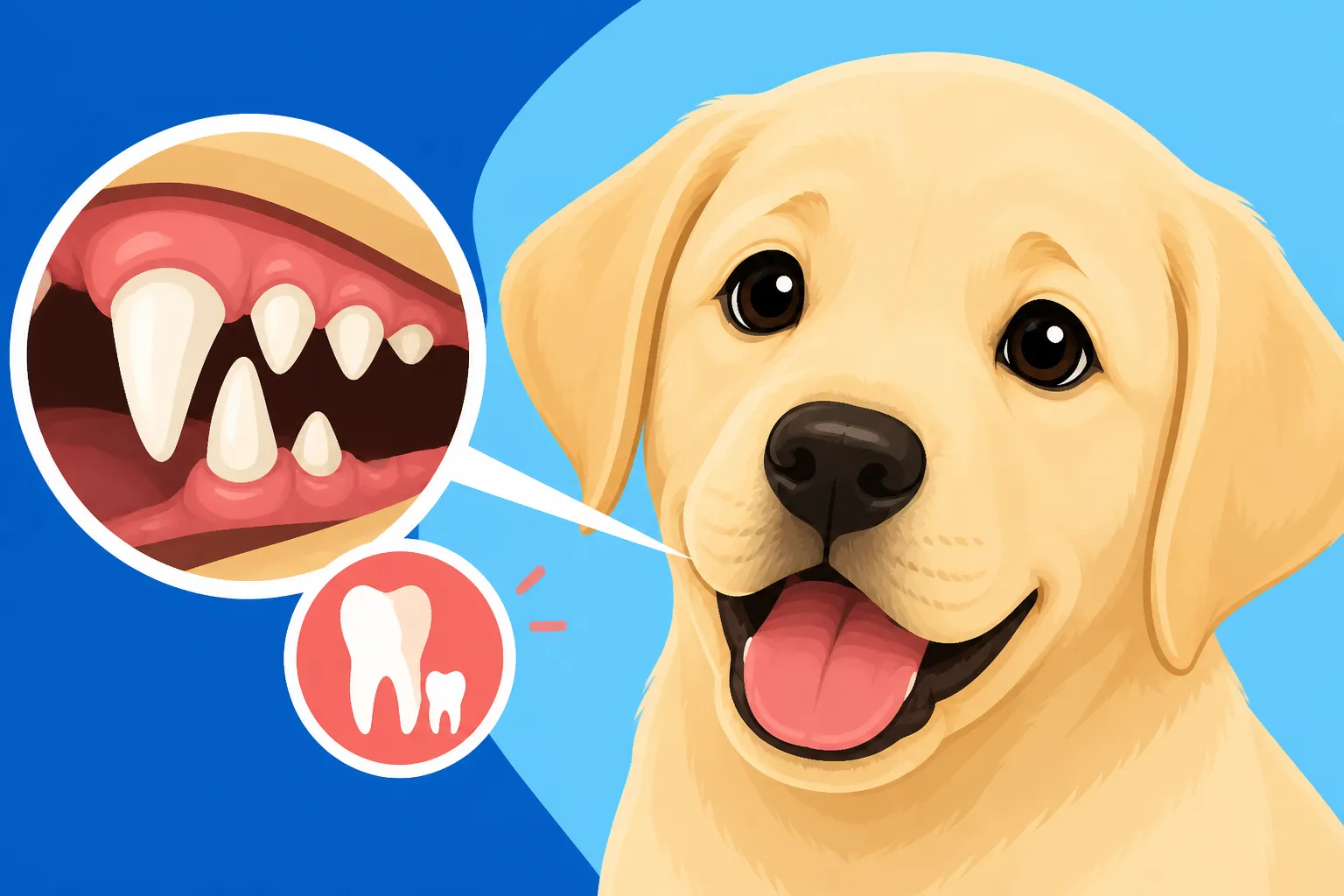
Retained Baby Teeth in a Labrador Puppy
It can be quite alarming and even a bit frustrating when you notice your sweet Labrador puppy still clinging onto their baby teeth long after their adult teeth have started to erupt. Many new owners feel a sense of confusion or worry, wondering if this is normal and what steps they need to take to ensure their pup's oral health. This comprehensive guide is here to shed light on retained baby teeth in Labrador puppies, explaining why it happens, what to look for, the potential risks, and how your veterinarian can help.
What Are Retained Baby Teeth and Why Do They Happen in Labradors?
The journey of a puppy losing their baby teeth is usually a quiet, unremarkable process. Most times, owners barely notice the tiny teeth falling out, perhaps finding a stray one on the carpet or discovering their pup has simply swallowed them. But for some Labradors, a few of those baby teeth can be a little too stubborn, holding onto their spot even as the permanent adult teeth try to make their grand entrance. This phenomenon is known as "retained deciduous teeth," and while it sounds complex, it's essentially just those pesky baby teeth refusing to budge.
The Normal Teething Process for Labrador Puppies
Just like human babies, Labrador puppies are born without teeth. Their first set, known as deciduous teeth or "milk teeth," typically begin to emerge when they are around 3 to 4 weeks old. By the time a Labrador puppy is 6 to 8 weeks old, they usually have a full set of 28 razor-sharp puppy teeth. These are fantastic for investigating the world and, let's be honest, for nipping at your fingers during play!
The shedding of these baby teeth usually kicks off around 3 to 4 months of age. As the adult teeth start to develop beneath the gums, they exert pressure on the roots of the baby teeth. This pressure causes the roots of the deciduous teeth to resorb, or dissolve away, weakening their hold. Eventually, the baby tooth becomes loose and falls out, making way for the permanent tooth. This process continues until a Labrador is typically 6 to 7 months old, at which point they should have a complete set of 42 adult teeth. Understanding The Labrador Teething Timeline is crucial for any new puppy owner to know what to expect.
During this time, you might notice your puppy chewing more intensely, or even find tiny specks of blood on their chew toys. This is all perfectly normal. The discomfort is usually mild and quickly resolved as each tooth detaches. It's a natural cycle of growth and development, but sometimes, nature needs a little nudge.
Common Causes of Retained Deciduous Teeth
So, why do some Labrador puppies end up with these clingy baby teeth? The most common reason relates to the normal resorption process failing or being incomplete. When the root of a baby tooth doesn't resorb properly, the tooth remains firmly anchored in the jaw, even as the adult tooth tries to push through.
One primary cause is when the permanent tooth erupts in an abnormal position, missing the root of its baby counterpart. Instead of pushing directly underneath and signaling the baby tooth to let go, the adult tooth comes in beside it, leaving the baby tooth unaffected. This is particularly common with the canine teeth (the pointy ones at the front of the mouth) and sometimes the incisors. Genetic predisposition can also play a role, with certain breeds or lines being more prone to dental issues. While Labradors aren't typically top of the list for this, it can still happen, especially if there's a slight misalignment in jaw structure or tooth spacing.
Another factor can be overcrowding, especially in smaller breeds, but even in larger mouths like a Labrador's, if teeth are too close together, it can disrupt the natural shedding process. Sometimes, it's just a fluke, a single tooth that decides to defy the odds. Regardless of the specific cause, the result is two teeth attempting to occupy the same space, which almost always leads to problems.
Recognizing the Signs of Retained Teeth in Your Labrador
Catching retained baby teeth early is important for your Labrador's long-term oral health. It requires a bit of vigilance on your part, as some puppies might not show obvious signs of discomfort. Regular handling and checking your puppy's mouth can help you spot issues before they escalate.
Visual Cues and What to Look For
The most straightforward sign of a retained baby tooth is simply seeing two teeth where there should only be one. This "double dentition" is most noticeable with the canine teeth. You'll observe the slender, sharp baby canine still standing guard while its thicker, more robust adult replacement emerges right alongside it, usually slightly to the inside or outside. You might see this with incisors too, appearing as a crowded row of tiny teeth with the new ones pushing through.
Make it a habit to routinely lift your Labrador's lips and examine their gums and teeth. Pay close attention to symmetry and spacing. Are the teeth coming in straight? Is there sufficient space between them? Any tooth that seems to be stubbornly holding on past 6 or 7 months of age is a red flag. A quick check during playtime or a cuddle can make all the difference. While you're at it, it's a good idea to generally monitor Labrador Puppy Health in the First Year to catch any other developmental concerns.
Beyond seeing two teeth, you might notice inflammation around the gum line where the adult and baby tooth are competing for space. Food particles, hair, and bacteria can easily get trapped in the narrow gap between the two teeth, leading to gingivitis (gum inflammation). The gums might appear red, swollen, or even bleed slightly if touched. This can also contribute to Labrador Dental Disease and Tartar development much earlier than it should.
Behavioral Changes and Discomfort Signals
While some Labradors might be stoic about the discomfort, others will show more obvious signs. If your puppy is usually a vigorous chewer but suddenly seems hesitant or uncomfortable when gnawing on their favorite toy, it could indicate oral pain. You might observe them trying to chew primarily on one side of their mouth or dropping food more often.
Another common behavioral sign is pawing at their mouth, excessive drooling, or rubbing their face against furniture or the floor. They might become more irritable during meal times or resist having their mouth touched, even for gentle petting. Bad breath, medically known as halitosis, can also be a significant indicator. As mentioned, trapped food and bacteria between the crowded teeth create an ideal environment for foul-smelling bacteria to thrive.
If you notice any of these behavioral changes, coupled with visual cues of retained teeth, it's definitely time to make an appointment with your veterinarian. Don't assume your Labrador is just being finicky or going through a "phase." Their discomfort is real, and it needs professional attention.
The Risks and Complications of Unaddressed Retained Teeth
Ignoring retained baby teeth might seem like a minor issue, especially if your Labrador isn't overtly bothered. However, these seemingly small dental quirks can lead to a cascade of significant health problems, impacting not just their mouth but their overall well-being.
Dental Health Issues and Malocclusion
The most immediate concern with retained baby teeth is overcrowding. When the adult tooth has to erupt next to a baby tooth, it often comes in at an abnormal angle or position. This creates a situation where teeth are too close together, leading to food and bacteria accumulation. Think about trying to floss between two perfectly straight teeth – now imagine doing it between two teeth crammed into one socket, angled awkwardly. It's nearly impossible. This trapped debris quickly turns into plaque and then hardened tartar, accelerating the onset of gingivitis and periodontal disease.
Furthermore, malocclusion, or an improper bite, is a serious complication. The retained baby tooth can literally push the adult tooth out of its correct alignment. For example, a retained upper canine might force the permanent upper canine to erupt too far forward, or a retained lower canine might cause the permanent lower canine to erupt too far inward, potentially digging into the roof of the mouth and causing painful ulcerations. This can make chewing uncomfortable, affect the way your Labrador holds toys, and even lead to chronic pain. The development of severe malocclusion can be very painful and require extensive orthodontic treatment if not addressed early.
The persistent inflammation and infection around these crowded teeth can also lead to more serious issues like abscesses, where pus collects in the gum tissue or bone, causing excruciating pain and potentially spreading infection to other parts of the body.
Impact on Overall Oral Health and Eating Habits
Beyond the immediate dental issues, retained baby teeth can have a broader impact on your Labrador's oral health and even their enjoyment of life. Chronic pain from crowded or misaligned teeth can make eating a chore. Imagine having a constant toothache or a sore spot in your mouth every time you try to chew. This discomfort might lead to a decreased appetite, weight loss, or an aversion to certain types of food.
The persistent presence of bacteria and inflammation due to poor oral hygiene around retained teeth can also affect overall systemic health. While less common, severe oral infections can sometimes spread to other organs, including the heart, kidneys, and liver, contributing to more serious health conditions in the long run. Good oral health is truly a cornerstone of overall canine wellness, and problems starting early can have lasting consequences.
This is where a good pet insurance plan, like one from Healthy Paws, can truly be a lifesaver. While routine dental cleanings are often excluded, coverage for extractions due to medical necessity, like those caused by retained teeth, can significantly alleviate the financial burden of these essential procedures. It’s worth looking into Pet Insurance for a Labrador Retriever to understand what kind of coverage options are available.
How Vets Address Retained Baby Teeth in Labradors
So, you've spotted those stubborn little teeth, and now you're wondering what comes next. Don't worry, your veterinarian is well-equipped to handle this common issue with precision and care, making sure your Labrador's smile is set up for success.
When and How Your Vet Will Diagnose the Issue
The best time to check for retained baby teeth is during your Labrador puppy's routine veterinary check-ups. Typically, by the time your pup is 6 to 7 months old, all baby teeth should have fallen out, and all adult teeth should be in. During your puppy's The First Vet Visit for a Labrador Puppy and subsequent booster shots, the vet will usually perform a thorough oral examination. They'll be looking specifically for double dentition, malocclusion, and any signs of inflammation.
If your vet identifies any retained deciduous teeth, they will likely recommend extraction. It’s a pretty standard procedure, and catching it early is always the best approach. Sometimes, the decision to extract can be made right away if the adult tooth is already severely misaligned or if there's significant inflammation. In other cases, if the adult tooth is just barely emerging, your vet might suggest a short waiting period (a week or two) to see if the baby tooth resolves on its own, though this is less common once the adult tooth is clearly present.
Your vet will also discuss the potential risks if left untreated, emphasizing the importance of correcting the issue promptly to prevent more severe dental problems down the line. They might even show you examples of how the retained tooth is impacting the adult tooth's position.
The Extraction Procedure and Post-Op Care
The extraction of retained baby teeth is a surgical procedure that requires general anesthesia. This allows the vet to perform a thorough and safe extraction, ensuring your Labrador experiences no pain or distress during the process. Before anesthesia, your vet will likely recommend pre-anesthetic blood work to ensure your puppy is healthy enough for the procedure. They will also discuss pain management for before, during, and after the extraction.
During the procedure, the vet will carefully extract the retained tooth, making sure to remove the entire root. If any part of the root remains, it can lead to complications such as infection or a cyst. Once the tooth is out, the vet will ensure the extraction site is clean and healthy. Often, absorbable sutures are placed to close the gum tissue, promoting healing. Your Labrador will typically go home the same day.
Post-operative care is crucial for a smooth recovery. Your vet will provide specific instructions, which usually include:
- Soft Food Diet: For several days, your pup will need soft food to prevent irritation at the extraction site.
- Pain Medication: You'll be sent home with pain relief and possibly antibiotics to prevent infection. Make sure to administer these exactly as prescribed.
- Restricted Activity: Limit vigorous play, hard chewing, and tug-of-war games for a week or two to allow the gums to heal.
- Monitoring: Keep an eye on the extraction site for any signs of swelling, redness, discharge, or continued pain.
- Follow-Up: A follow-up visit might be scheduled to ensure proper healing and address any concerns.
It's natural to be concerned about your puppy undergoing anesthesia, but for an experienced veterinary team, this is a routine and safe procedure that significantly benefits your Labrador's long-term health. The cost of such procedures, including anesthesia and extraction, can sometimes be substantial, making a robust pet insurance plan like those offered by Healthy Paws a sound investment. Knowing that a portion of these unexpected expenses can be covered provides immense peace of mind.
Preventing Future Dental Problems and Ongoing Care
Once those pesky retained baby teeth are gone, it's a great opportunity to commit to a robust dental health routine for your Labrador. Proactive care from a young age can prevent many common dental issues down the road and save you headaches (and vet bills!) in the future.
Proactive Measures and Routine Oral Hygiene
Starting good oral hygiene habits early is key for a Labrador. Even though they have a strong chewing instinct, regular brushing is the gold standard for preventing plaque and tartar buildup. Get your puppy accustomed to having their mouth handled and their teeth brushed daily. You don't need fancy equipment; a soft-bristled toothbrush designed for dogs and dog-specific toothpaste (never human toothpaste!) is all you need. You can find excellent guidance on Brushing a Labrador's Teeth at Home to get started.
Beyond brushing, incorporating dental chews and toys into their routine can also help. Look for products that are approved by the Veterinary Oral Health Council (VOHC), as these have been scientifically proven to reduce plaque and tartar. However, remember that dental chews are supplements to brushing, not replacements. Products like certain Greenies or Virbac C.E.T. chews can be beneficial. It's helpful to know which Dental Chews That Work for Labradors to choose effectively.
Diet can also play a role. While most commercial kibbles are not designed to clean teeth effectively, some specialized dental diets are formulated with unique kibble shapes and textures to help scrape plaque off teeth as your dog chews. Discussing these options with your vet can provide further tailored advice for your particular Labrador.
The Importance of Regular Vet Check-ups
Regular veterinary check-ups are paramount for maintaining your Labrador's oral health, especially after dealing with retained baby teeth. Your vet will continue to monitor their mouth, checking for new issues, assessing the health of their adult teeth, and ensuring there are no signs of periodontal disease.
These routine exams are not just about teeth; they cover your Labrador's overall health and well-being. During these visits, your vet can provide professional dental advice, assess your dog's diet, and recommend appropriate dental care products tailored to their needs. They can also advise you on How Often a Labrador Needs Dental Cleaning, which typically involves a professional cleaning under anesthesia once tartar begins to accumulate, usually every 1-3 years depending on individual dental health.
Furthermore, these check-ups are your opportunity to discuss any changes you've noticed or concerns you have. Early intervention for dental issues, just like with retained puppy teeth, almost always leads to better outcomes and less invasive (and less expensive) treatments. The long-term health of your beloved Labrador truly depends on this consistent, proactive approach, and considering the Annual Cost of Keeping a Labrador Retriever, prioritizing preventative care often saves money in the long run.
Ultimately, your commitment to your Labrador's dental health, starting from puppyhood, will pay dividends throughout their life, ensuring they maintain a healthy, pain-free smile for years to come.
Disclaimer
The information provided in this article is for general informational purposes only and is not a substitute for professional veterinary advice. Always consult with a qualified veterinarian regarding any medical concerns or before making any decisions about your pet's health.