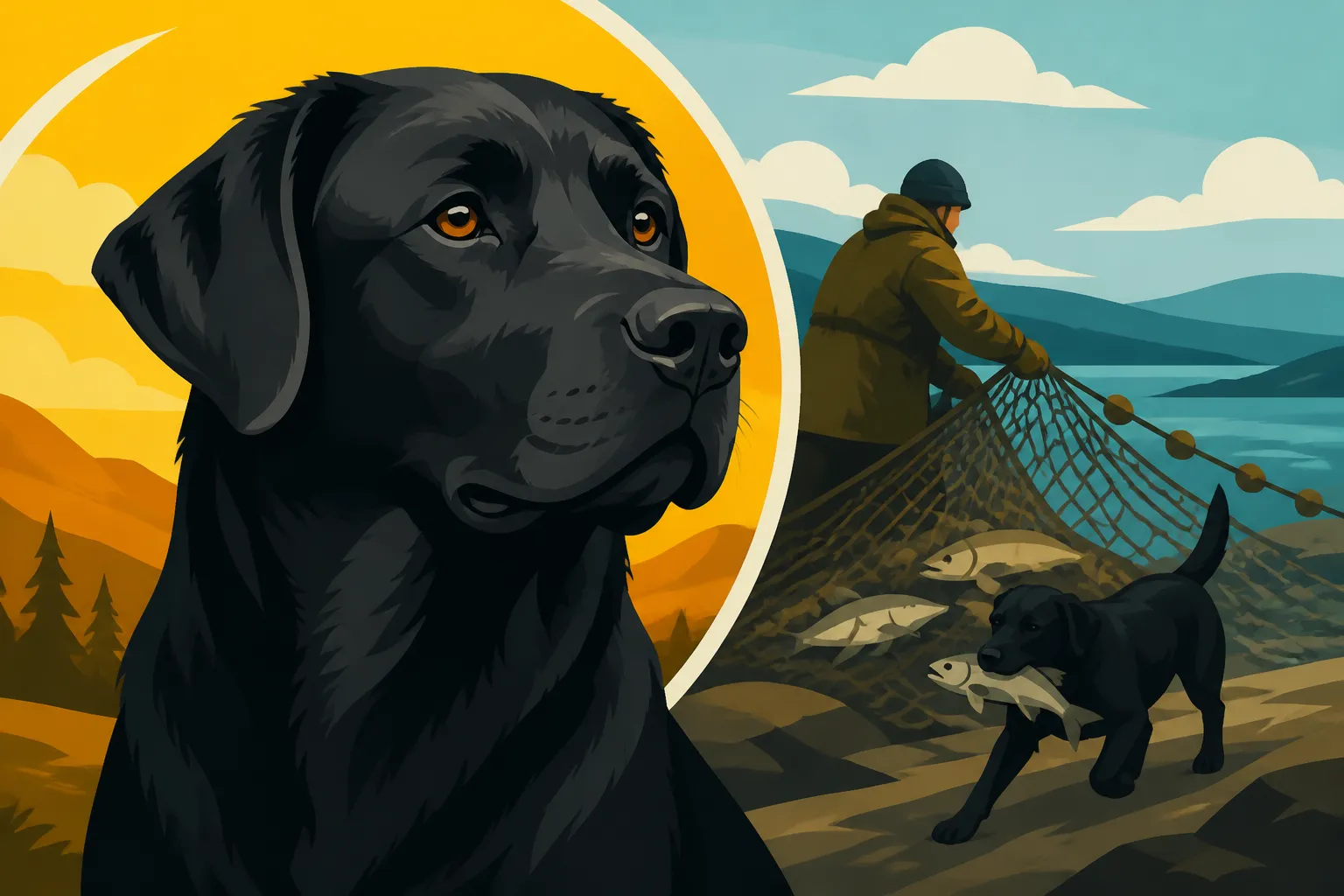
Where the First Labrador Ancestors Worked
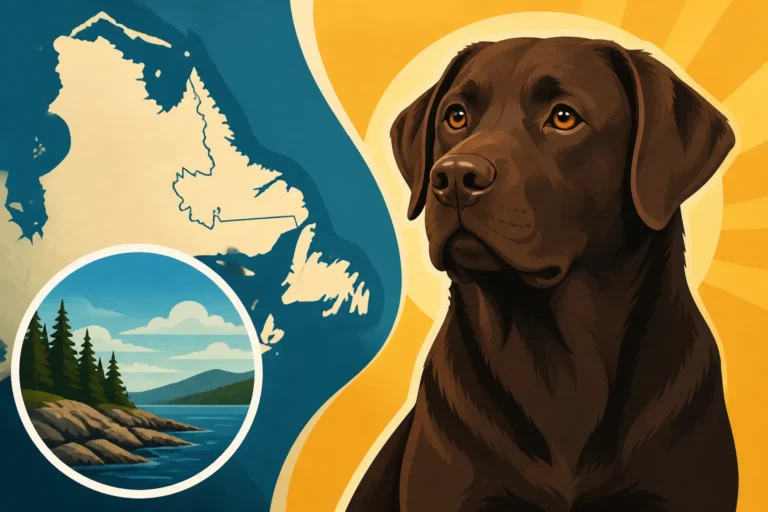
Have you ever looked at your sweet, goofy Labrador splashing in a puddle or carrying a toy ever so gently in their mouth and wondered where those distinctive traits truly came from? It’s easy to see the modern Labrador as a beloved family pet, but their origins are rooted in a far harsher, more demanding environment. To truly understand the Labrador Retriever, we have to travel back in time to the rugged, icy coasts of Newfoundland, where their ancestors, the St. John's Water Dogs, earned their keep through sheer grit and an unshakeable bond with their human partners. This guide will explore the challenging conditions and vital roles these original Labradors fulfilled, shedding light on the very DNA that makes our modern companions so special.
The Harsh Realities of Early Labrador Life on the Newfoundland Coasts
Imagine a life where every day was a battle against the elements – brutal winds, freezing sea spray, and the relentless cold of the North Atlantic. This wasn't just scenery for the St. John's Water Dog; it was their office. Their existence was intrinsically linked to the fishing communities along the coast of Newfoundland, a place where survival depended on hard work, resilience, and an unwavering spirit. These dogs weren't pampered pets; they were essential members of the crew, their lives a constant testament to their incredible strength and intelligence. The conditions shaped them, filtering out any trait that wasn't useful or even critical for their daily tasks.
The St. John's Water Dog: A Mariner's Best Friend
The St. John's Water Dog, often considered the direct ancestor of the modern Labrador Retriever, was not a formally recognized breed in the way we understand it today. Instead, they were a landrace – a type of dog that developed naturally over generations in response to its local environment and the needs of the people who relied on them. These dogs were medium-sized, sturdy, and possessed a thick, oily double coat that offered unparalleled protection against the frigid waters. Their paws were often described as webbed, an adaptation that made them exceptional swimmers, perfectly suited for plunging into the icy depths. If you're curious about The St. John's Water Dog Behind the Labrador, it's fascinating to see how closely those foundational traits align with what we still cherish in our Labs today.
Their temperament was just as critical as their physical attributes. Fishermen needed a dog that was intelligent, biddable, and possessed an innate desire to retrieve. Picture a small fishing boat tossed on heavy seas; a dog that was easily distracted or rebellious wouldn't last a day. These dogs were renowned for their loyalty and their tireless work ethic. They had to be calm under pressure, able to focus on the task at hand regardless of the commotion or harsh weather. This isn't just a romantic notion; it was a matter of economic survival for the fishermen, and often, their personal safety. The sheer dependability of these dogs cemented their place not just as tools, but as trusted companions in the face of incredible hardship.
Working Alongside Fishermen in Icy Waters
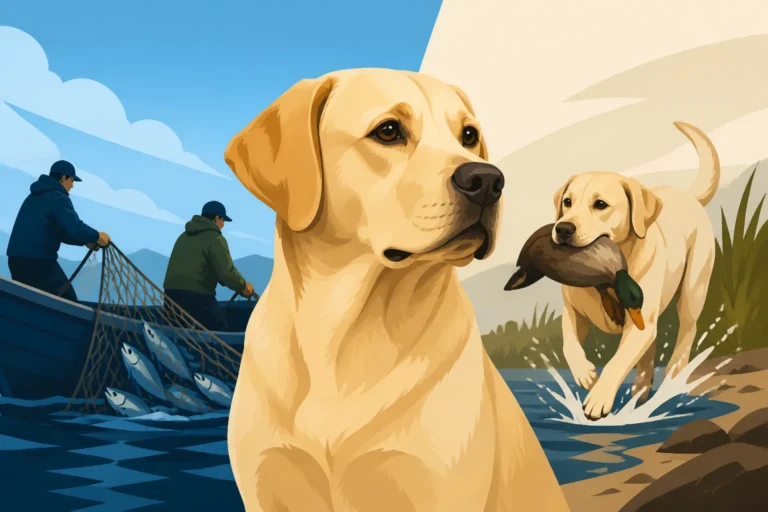
The primary role of the St. John's Water Dog was to assist the fishermen with their daily catches. This wasn't about fetching a stick on a sunny beach; it involved grueling work in extremely cold water. Picture a scene where long fishing lines, often laden with hooks and fish, needed to be hauled in or retrieved if they broke away. The fishermen would send their dogs into the water to grab the lines or nets, bringing them back to the boat or shore. This required immense stamina, a dense, insulating coat, and an unflappable nature.
The dogs would leap from small boats or rocky shorelines into the Atlantic, often navigating choppy waves and strong currents. They’d use their powerful tails, described famously as an "otter tail," as a rudder to maneuver efficiently. This constant exposure to the freezing ocean meant that only the hardiest dogs survived and thrived. It was a brutal form of natural selection, ensuring that only the strongest, most adept water dogs passed on their genes. This heritage explains so much about our Labs' love for water, even if their current "work" involves chasing a tennis ball into a pond. How Fishermen Used Labrador Ancestors truly painted a picture of necessity shaping a breed.
A Day in the Life of a Working St. John's Dog
Life wasn't easy for these dogs. Their days were long, demanding, and often perilous. They were valued for their utility above all else, and their physical capabilities were pushed to the limits day in and day out. Understanding the specifics of their daily grind helps us appreciate the depth of their genetic predispositions and the remarkable traits that persist in modern Labradors. It wasn't just about swimming; it was a suite of skills that made them indispensable members of the community.
Retrieving Lines and Nets from the Sea
The core of their work involved retrieving. Imagine hundreds of yards of fishing line, often made of heavy rope, needing to be brought back to the boat. Sometimes, lines would snap or nets would drift away in strong currents, representing a significant financial loss for the fishermen. This is where the St. John's Dog shone brightest. With a command, they would launch themselves into the churning ocean, locate the floating gear, and swim back, gently but firmly carrying the rope or net in their mouths. This wasn't just a simple fetch; it was a task that required keen eyesight, powerful swimming, and the ability to hold objects without damaging them – a trait we now call the "soft mouth." The fishermen relied on this ability heavily; tearing a valuable net or puncturing a fish meant lost income. The Labrador's Fishing and Retrieving Heritage speaks volumes to this innate drive.
These retrieval missions often happened in freezing conditions, sometimes even at night or in thick fog, relying on the dog's exceptional senses and unwavering dedication. They weren't just retrieving; they were saving livelihoods. This incredible drive to bring things back, coupled with their innate gentleness when carrying objects, is the direct legacy we see in our Labradors today, whether they're bringing you your slippers or carrying a bird without a single feather ruffled. You can even find specialized training dummies on sites like Chewy that cater to this powerful retrieving instinct.
Guarding Boats and Catches on Shore
While their water work was paramount, the St. John's Water Dogs were also valuable on land. Fishing camps were often remote, and once the catch was brought ashore, it needed protection. Fish, especially cod, was a valuable commodity, and theft was a real concern. These dogs naturally became vigilant guardians of the boats, fishing gear, and the day's bounty. Their presence alone was often enough to deter opportunistic scavengers or thieves. They were loyal to their human families and their property, demonstrating a protective instinct that was more about vigilance than aggression.
This dual role, working tirelessly in the water and then acting as a watchful sentry on land, showcased their remarkable versatility. They weren't one-trick ponies; they were all-around working dogs perfectly adapted to the demands of a fishing lifestyle. This explains why Labradors are often so attuned to their surroundings and can be quick to alert their families to visitors, even if their guarding usually amounts to an excited bark and a wagging tail rather than anything truly menacing.
The Traits Forged by Their Working Lives
The extreme conditions and specific jobs performed by the St. John's Water Dogs didn't just shape their physical form; they indelibly molded their temperament and the very instincts that define the Labrador Retriever to this day. When you see your Labrador exhibiting certain behaviors, you're often witnessing echoes of their working ancestors.
The Drive to Retrieve and the "Soft Mouth"
Perhaps no trait is more iconic to the Labrador than their insatiable desire to retrieve, combined with their famously "soft mouth." This wasn't a charming quirk for the St. John's dogs; it was a job requirement. They needed to pick up delicate items like fish or eggs without crushing them, yet hold firmly onto heavy ropes or downed fowl. This meticulous balance of strength and gentleness was paramount. Why Labradors Have Soft Mouths is a question rooted deep in their utility. Imagine a dog that retrieved a valuable fish only to damage it – that wouldn't have been tolerated. They needed to bring the catch back intact.
This genetic programming means that even today, a well-bred Labrador often instinctively retrieves objects with care. They don't just pick things up; they carry them, often presenting them to you with a sense of purpose. This trait also made them invaluable as gundogs later, able to retrieve game birds without damaging them for the table. When you consider What a Soft Mouth Meant on a Fishing Boat, it paints a clear picture of how practical and essential this characteristic truly was.
Resilience and Adaptability to a Tough Environment
The Newfoundland coast was no place for a delicate dog. The St. John's Water Dogs had to be incredibly hardy, both physically and mentally. They endured freezing temperatures, rough seas, long working hours, and often a sparse diet. Their thick, water-resistant double coats, sturdy builds, and robust health were all a testament to generations of survival in a harsh climate. They couldn't afford to be prone to illness or injury, as veterinary care was nonexistent, and a disabled dog was a liability.
This legacy of resilience means that Labradors are generally a tough, adaptable breed. They thrive in various environments, from bustling city apartments (with enough exercise!) to sprawling country estates. They often possess a remarkable tolerance for cold weather and an enduring enthusiasm for activity, regardless of minor discomforts. However, it's important to remember that while they are resilient, modern Labs still need proper care, nutrition, and veterinary attention. A good diet, perhaps from a trusted supplier like Chewy, is essential for maintaining their health.
An Unwavering Bond with Their Human Partners
Beyond their physical capabilities, the St. John's Water Dogs were known for their profound loyalty and biddability. Their lives were intertwined with their human companions, and successful work depended on clear communication and mutual trust. They worked as a team, day in and day out, fostering an incredibly strong bond. This was not just a dog-owner relationship; it was a partnership of survival.
This deep-seated desire to please and connect with humans is a cornerstone of the modern Labrador temperament. It's why they are so trainable, so eager to participate in family activities, and why they make such wonderful companions, service dogs, and therapy animals. They were bred to work with people, not independently, and that cooperative spirit remains a defining characteristic. This inherent friendliness and desire to be part of the "pack" is arguably one of their most enduring and cherished traits. You might find resources on The Labrador Retriever Breed Explained that delve further into this fascinating aspect of their temperament.
These early working lives laid the foundation for the Labrador Retriever we know and love today. From their webbed feet and water-repellent coats, perfectly suited for swimming, to their eagerness to retrieve and their gentle mouths, every part of them was forged by the demands of assisting fishermen in the North Atlantic. It's a powerful reminder that while our Labs might now live a life of leisure, the heart of a working dog beats strong within them.
| Trait | St. John's Water Dog (Historical Role) | Modern Labrador Retriever (Contemporary Manifestation) |
|---|---|---|
| Coat | Dense, oily, double coat for insulation in icy water | Water-resistant double coat; sheds seasonally (check grooming tools at Chewy) |
| Paws | Webbed feet for powerful swimming | Webbed feet; excellent swimmers, love water activities |
| Tail | Thick, rudder-like "otter tail" for steering | Strong "otter tail," often used for balance and expression |
| Retrieving Drive | Essential for retrieving fishing lines, nets, escaped fish | Innate desire to fetch, carry toys, excel in retrieve sports |
| "Soft Mouth" | Crucial for handling delicate fish and nets without damage | Gentle bite; capable of carrying fragile items without harm |
| Stamina & Hardiness | Endured long hours in harsh, cold maritime environment | High energy levels, robust health, loves outdoor adventures |
| Biddability/Trainability | Needed to follow commands precisely in challenging conditions | Highly intelligent and eager to please, excels in obedience, service work |
| Loyalty/Bonding | Formed deep partnerships with fishermen for survival | Devoted family companions, thrive on human interaction |
Disclaimer
This article is for general informational purposes only and does not constitute professional advice. Laws, prices and regulations vary by location and change over time. Consult a qualified professional for guidance on your specific situation.