The Labrador’s Fishing and Retrieving Heritage
Have you ever watched your Labrador meticulously carry a fragile toy without a single tooth mark, or dive into the nearest body of water with unbridled joy, and wondered why they do it? It’s not just a cute quirk; these are echoes of a profound history. This guide will take you on a journey to understand the foundational role Labradors played in fishing and retrieving, revealing the origins of the traits that make them the incredible companions we cherish today.
The Humble Beginnings: Newfoundland and the St. John's Water Dog
Long before they were cherished family pets and beloved companions, Labradors were hardy working dogs on the rugged coasts of Newfoundland, Canada. Their story doesn't begin in a fancy kennel or show ring, but on fishing boats and icy shores, alongside the tough, resilient fishermen who depended on them for survival. Understanding this initial partnership is key to unlocking the true essence of the breed we know today.
A Fisherman's Best Friend: Describing Their Role with Fishermen in Newfoundland
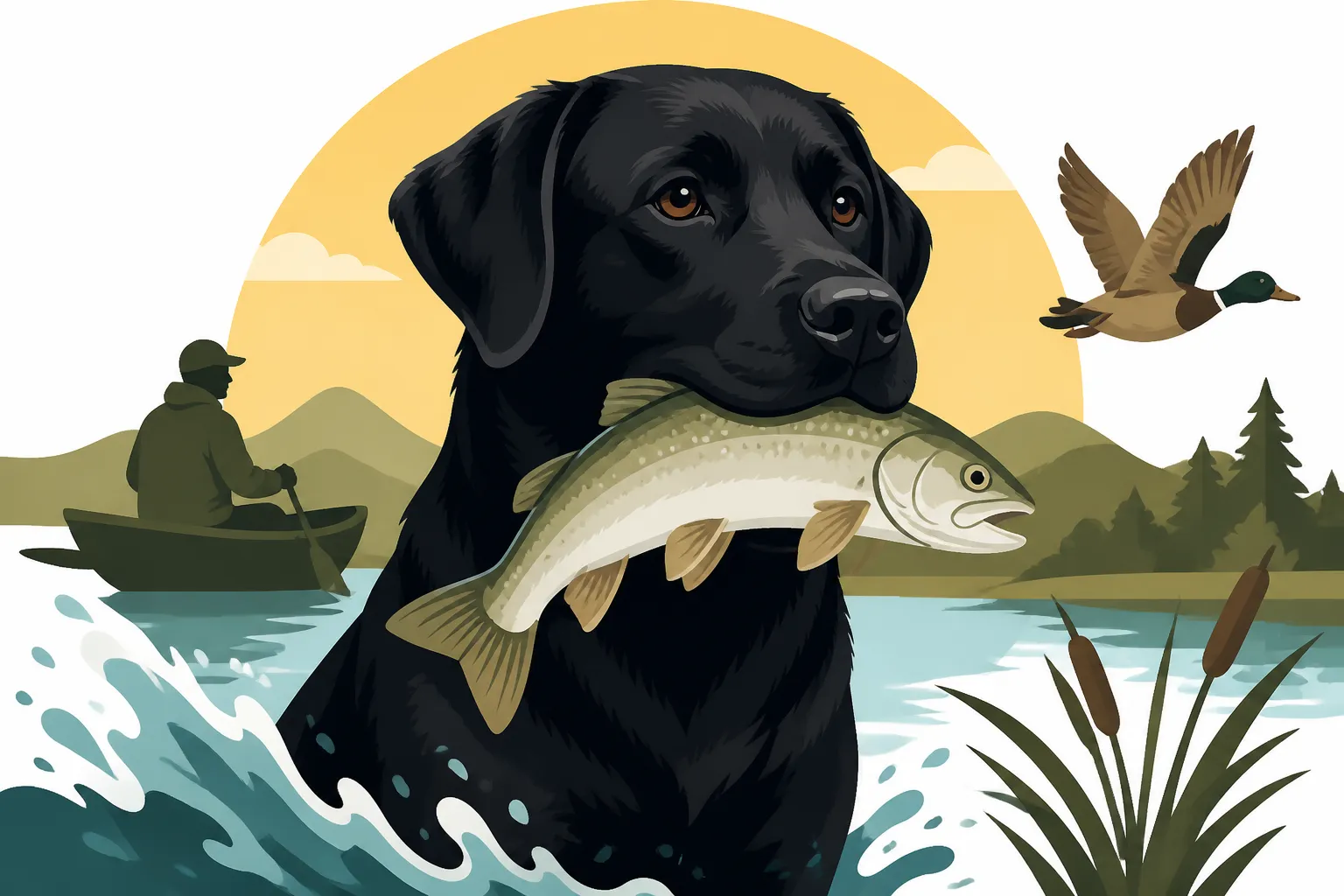
Imagine the scene: cold, windswept Atlantic coastlines, bustling fishing villages, and small boats braving treacherous waters. Here, a unique type of dog, often referred to as the St. John's Water Dog, was an indispensable crew member. These dogs weren't just passengers; they were active participants in the demanding daily grind of fishing. Their primary job involved retrieving fish that had slipped from hooks or nets, fetching ropes, and even helping to haul in lines. They were essentially the 'go-getters' of the fishing fleet, performing tasks that were too dangerous or difficult for humans in the freezing, unpredictable ocean.
These dogs had to be tough, with an innate love for the water and an eagerness to please their human partners. A fisherman's livelihood depended on their efficiency and reliability. There was no room for hesitation or disobedience when a valuable catch was floating away, or a critical piece of equipment needed to be brought back to the boat. This high-stakes environment naturally selected for dogs with immense biddability, intelligence, and an almost obsessive drive to retrieve. Their bond with the fishermen was one of mutual respect and dependence, forged in the harsh realities of their shared existence. They weren't just pets; they were integral tools, companions, and protectors. If you want to dive deeper into their early lineage, read about The St. John's Water Dog Behind the Labrador.
Traits Bred for the Sea: Focus on Their Physical Adaptations
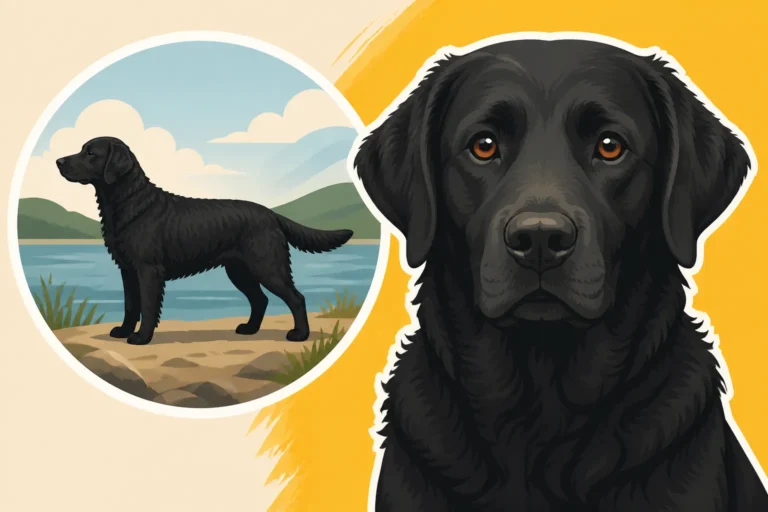
The St. John's Water Dog, the direct ancestor of the Labrador, possessed a specific set of physical traits that made them perfectly suited for their aquatic duties. Their thick, dense double coat, much like a modern Labrador's, was paramount. It was water-resistant and provided incredible insulation against the biting cold of the Atlantic Ocean, allowing them to swim and retrieve for extended periods without succumbing to hypothermia. This coat isn't just for looks; it’s a direct inheritance from their working past, allowing them to shed water almost instantly and preventing chilling. You can learn more about Labrador Coat Type in the Standard.
Their unique "otter" tail – thick at the base and tapering, with no feathering – acted as a powerful rudder, giving them incredible maneuverability in choppy waters. And, of course, their famous webbed feet, strong and paddle-like, made them exceptionally efficient swimmers. These weren't accidental features; they were the result of generations of natural selection and intentional breeding by the fishermen who needed dogs optimized for aquatic work. Every aspect of their physical being was a testament to their job, a finely tuned machine built for the sea.
Crossing the Atlantic: From Fishing Boats to British Estates
The journey of the Labrador from a Newfoundland fishing vessel to the prestigious estates of British nobility is a fascinating chapter in their history. It was during this period that their retrieving prowess truly began to be recognized beyond the utilitarian demands of fishing, paving the way for their formal establishment as a breed.
The Earls and Dukes Who Saw Potential: How British Nobility Recognized Their Talent
In the early 19th century, British noblemen visiting Newfoundland were captivated by these remarkable dogs. They saw beyond the rugged fisherman's helper and recognized their unparalleled retrieving abilities, their eagerness, and their gentle nature. These aristocratic sportsmen, often engaged in waterfowl hunting on their sprawling estates, understood that these dogs possessed a combination of traits perfectly suited for retrieving game birds. It was a lightbulb moment: a dog that could brave icy waters, tirelessly fetch fallen birds, and do so with a "soft mouth" that wouldn't damage the prize.
Thus, some of these St. John's Water Dogs were brought back to England. The Second Earl of Malmesbury is often credited as one of the first to import them, and he dedicated himself to developing the breed for retrieving game. His estate, and those of others like the Duke of Buccleuch, became instrumental in refining these dogs. They were selectively bred, not just for their physical attributes, but for their temperament – their unwavering loyalty, trainability, and that inherent drive to work alongside humans. These early breeders meticulously documented pedigrees and focused on solidifying the traits we now associate with the Labrador Retriever. This era truly shaped Where the Labrador Retriever Came From.
Evolution of the Retrieving Role: Shifting From Net-Hauling to Game Retrieval
With their move to British estates, the primary retrieving role of these dogs shifted. While they still loved water and were adept at it, their focus moved from retrieving lost fish and hauling lines to the more refined sport of gundog work. They became indispensable partners for hunters, tasked with marking fallen birds, retrieving them from land or water, and returning them unharmed to hand. This required an even greater level of control, focus, and a precise "soft mouth."
The environment also changed. Instead of icy ocean waves, they navigated marshes, fields, and rivers. This new demand highlighted their versatility and adaptability. The instincts honed by generations of working with fishermen proved equally valuable in the hunting field, demonstrating that their core drive to retrieve was robust and could be channeled into different, albeit related, tasks. This period was crucial in defining the Labrador as a premier gundog, a reputation that continues to this day. To understand the subtle shifts in their purpose, you might enjoy learning How Fishermen Used Labrador Ancestors compared to their later gundog roles.
The Legendary "Soft Mouth" and Its Importance
Perhaps one of the most defining and celebrated traits of the Labrador Retriever, directly stemming from their heritage, is their "soft mouth." This isn't just a charming characteristic; it's a testament to centuries of careful breeding and its profound importance in their working roles.
What "Soft Mouth" Truly Means: Explaining the Gentle Retrieve
When we talk about a Labrador having a "soft mouth," we're referring to their incredible ability to carry objects, even delicate ones, gently and without causing any damage. It means they can pick up a bird without crushing its feathers or breaking its skin, or retrieve an egg without cracking its shell. This isn't just about strength control; it's about an innate sensitivity and precision in their bite. It's the opposite of a hard mouth, which would render a retrieved bird unusable for the dinner table or a fragile fishing buoy punctured.
This trait was absolutely vital for their original role with fishermen. Imagine a dog retrieving a valuable fish that had slipped the net – if they damaged the fish, it would be worthless. Similarly, in gundog work, a hunter needs their retrieved game to be intact and presentable. A Labrador with a truly soft mouth understands this instinctively, holding the object firmly enough to carry it, but gently enough to preserve it. It's a marvel of canine dexterity and self-control. For a deeper dive, check out What a Soft Mouth Meant on a Fishing Boat.
Training for a Delicate Touch: How This Trait Is Nurtured and Valued
While the "soft mouth" is an inherent genetic trait in well-bred Labradors, it's also something that dedicated breeders and trainers actively nurture. From puppyhood, responsible breeders observe for signs of this gentle hold and encourage it through appropriate play. When the dogs transition to more formal training, especially for gundog work, specific exercises are designed to reinforce this delicate touch. This might involve retrieving progressively more fragile items, starting with soft dummies and moving to real game birds, always emphasizing a calm, gentle pickup and delivery.
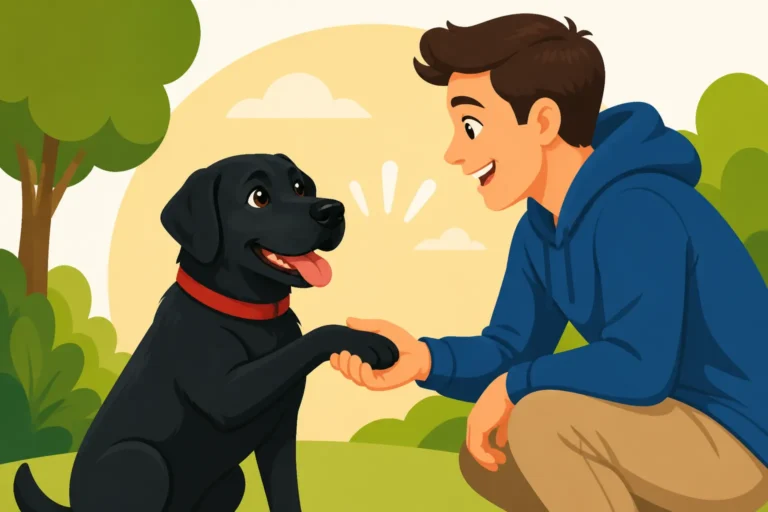
The value of a soft mouth extends beyond the hunting field. In a family home, it means your Labrador is less likely to damage toys, or even your hand during play. It's why they are so often chosen for roles like service dogs, where they need to retrieve items for people with disabilities without causing harm. It’s also why many Labradors seem to enjoy carrying things around the house, whether it's a favorite toy or a discarded sock – it’s an instinctual expression of their retrieving drive and soft mouth at work. Sometimes, you'll even see them carrying something in their mouth when they greet you, a charming habit that traces back to their heritage. Why Labradors Carry Things in Their Mouths explores this in more detail.
Waterfowl and Upland: The Modern Gundog
The Labrador Retriever's journey from a fisherman's aid to a hunter's indispensable partner is a story of incredible adaptability and natural talent. Today, they remain one of the most popular gundog breeds globally, excelling in a variety of hunting scenarios.
Mastering the Water Retrieve: Their Prowess in Duck Hunting
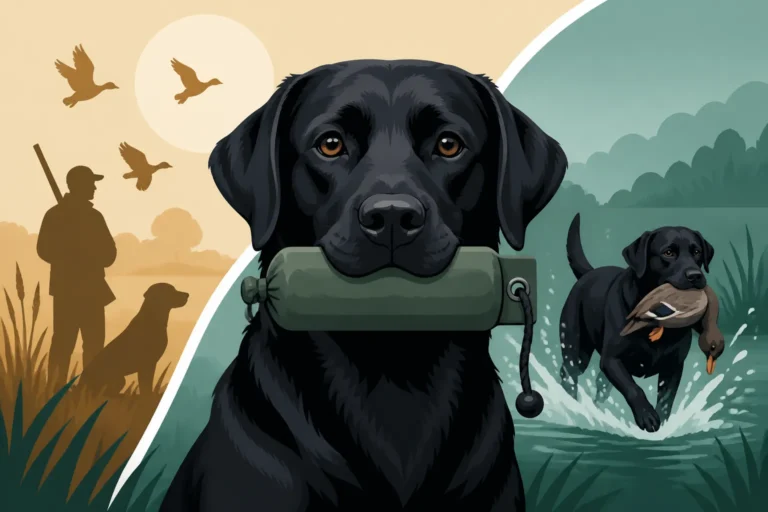
If there's one thing a Labrador loves more than food, it might just be water. This passion isn't just for a casual swim on a hot day; it's deeply ingrained from their ancestors' work in the frigid Atlantic. In waterfowl hunting, this characteristic makes them utterly invaluable. Duck hunting often involves harsh conditions: icy lakes, muddy marshes, dense reeds, and powerful currents. A Labrador will plunge into these environments without hesitation, tirelessly swimming to retrieve fallen ducks or geese. Their dense double coat and powerful otter tail are perfectly designed for this work, offering protection and propulsion in challenging aquatic settings.
A skilled waterfowl Labrador isn't just a strong swimmer; they possess incredible marking abilities, watching where a bird falls and remembering its location even amidst distractions. They navigate cover, break through ice, and power through waves to bring the bird back to the hunter, all while maintaining that soft mouth to ensure the game is undamaged. This isn't a task for just any dog; it requires a unique blend of physical robustness, mental fortitude, and an unwavering drive to retrieve. Many modern Labradors still participate in hunt tests and field trials, showcasing these incredible abilities.
Versatility in the Field: Their Adaptability to Various Terrains and Game
While their reputation for water retrieves is legendary, Labradors are far from one-trick ponies. They are equally adept at upland game hunting, which involves birds like pheasants, grouse, and quail in fields, forests, and brushy terrain. Here, their strong noses come into play, scenting game and flushing it for the hunter, then diligently retrieving it once shot. This requires a different set of skills: quartering a field systematically, holding a point (though not as pronounced as a pointing breed), and navigating dense cover.
Their intelligence and biddability mean they can be trained to handle a wide range of game and environments. Whether it's a cold Canadian marsh or a sunny American prairie, a well-trained Labrador can adapt. This versatility is one of the reasons they became, and remain, the quintessential retrieving dog. Their enthusiasm, coupled with their innate talent, makes them a joy to work with in any hunting scenario. For those interested in the competitive side, there are many opportunities for Labradors in Waterfowl and Upland Hunting.
The Enduring Legacy in Today's Labradors
Even if your Labrador has never seen a fishing boat or a duck blind, their historical heritage profoundly influences their behavior and personality today. These ancient instincts are what make them such recognizable and beloved companions.
Instincts in Our Family Pets: How These Historical Traits Manifest Daily
Think about your Labrador's quirks and habits – many of them are direct echoes of their working past. That intense focus on a thrown ball or frisbee? That's their retrieving drive. Their inexplicable joy when they find a muddy puddle or a lake to splash in? That's the St. John's Water Dog coming out. Their tendency to carry objects around the house, sometimes even bringing you a shoe or a toy when you walk in the door? That's their soft mouth and innate desire to "present" a retrieve.
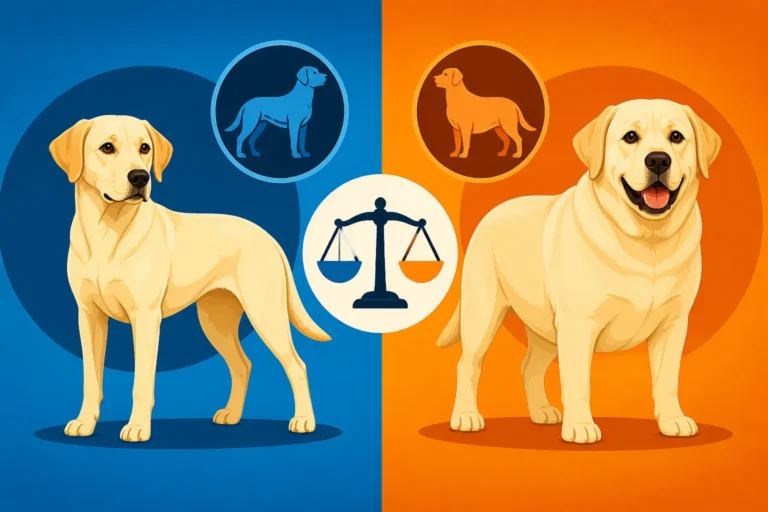
Their eager-to-please nature, their intelligence, and their remarkable trainability were all crucial for working alongside demanding fishermen and hunters. These traits translate beautifully into the family home, making them responsive, loyal, and relatively easy to train for basic obedience. Even their famous appetite and tendency to put on weight can be traced back to their working days when they needed abundant calories to fuel their strenuous activities in cold environments. It’s a powerful reminder that while their job descriptions have changed, the core of who they are has not.
Keeping the Working Spirit Alive: Modern Activities That Honor Their Heritage
For many Labrador owners, understanding their dog's heritage means finding ways to honor and channel those deep-seated instincts in modern life. You don't need to be a hunter to keep their retrieving spirit alive! Simple games of fetch, whether in the yard, at a park, or in the water, are incredibly satisfying for them. Activities like dock diving, where dogs leap off a dock to retrieve a toy thrown into water, are a fantastic outlet for their swimming and retrieving prowess.
Even mental exercises like scent work or puzzle toys can tap into their intelligence and problem-solving skills, mimicking the focus required in their historical roles. Long walks or hikes, especially near water, allow them to explore and engage their senses, much like their ancestors quartering a field. Investing in good quality, durable toys, perhaps from a brand like Chewy, that can withstand enthusiastic retrieving sessions can also be a great way to indulge their natural drives. Ultimately, by understanding and respecting their incredible history, we can provide our Labradors with richer, more fulfilling lives that truly celebrate who they were, and who they continue to be. Knowing Whether Labradors Still Work as Gundogs might inspire you to explore these activities.
| Trait | Description | Relevance to Fishing/Retrieving |
|---|---|---|
| Double Coat | Dense, weather-resistant outer coat with a soft, insulating undercoat. | Protection from icy waters and harsh weather; quick-drying. |
| "Otter" Tail | Thick at the base, tapering to the tip, free from feathering. | Acts as a rudder for steering in water; strong propulsion. |
| Webbed Feet | Strong, webbed paws. | Excellent swimming capability; paddle efficiently. |
| Soft Mouth | Ability to retrieve objects gently without damage. | Crucial for retrieving fish, game birds, and delicate fishing gear. |
| Strong Build/Stamina | Muscular, athletic physique with high endurance. | Hauling nets, retrieving heavy objects, long hours of work. |
| Devotion/Biddability | Eager to please, intelligent, and highly trainable. | Essential for working closely with humans and following complex commands. |
Disclaimer
This article is for general informational purposes only and does not constitute professional advice. Laws, prices and regulations vary by location and change over time. Consult a qualified professional for guidance on your specific situation.