What the St. John’s Water Dog Looked Like
If you've ever gazed into the soulful eyes of your beloved Labrador Retriever, you might have wondered about their origins. It's a common thought, especially when you see their boundless energy and innate love for water. Many people know that Labradors hail from Newfoundland, but the image of their original ancestor, the St. John's Water Dog, often remains a blurry historical photograph in our minds. This guide will take a deep dive into what this incredible, now-extinct breed truly looked like, exploring their physical traits, working temperament, and the enduring legacy they left for the Labradors we cherish today.
The Ancestor: Introducing the St. John's Water Dog
Imagine a rugged, wild coastline, where fishing boats brave icy waters and hardworking people rely on their animals for survival. This was the world of the St. John's Water Dog, a canine companion far removed from the pampered pups lounging on our sofas today. These dogs weren't just pets; they were essential members of the fishing communities, playing a vital role in the daily grind of earning a living from the sea. Understanding their environment helps paint a clearer picture of why they looked and behaved the way they did.
Life on the Rugged Newfoundland Coast
Newfoundland, an island off the eastern coast of Canada, is a place of breathtaking beauty but also formidable challenges. The climate is harsh, with freezing winters, unpredictable storms, and abundant, often frigid, Atlantic waters. Early European settlers, primarily from England and Ireland, arrived with their own working dogs, but it was the local "St. John's Water Dog" that proved perfectly adapted to this unique environment. These dogs were likely a mix of various working breeds brought over, eventually evolving into a distinct type suited for the unforgiving conditions. Their entire existence revolved around the fishing industry, which shaped every aspect of their physical form and mental fortitude.
They weren't bred for fancy pedigrees or show rings; they were bred for utility. Their sturdy build, dense coat, and eager disposition were not aesthetic choices but crucial survival traits. They needed to withstand long hours in the cold, wet environment, jump in and out of small boats, and retrieve items from the water without hesitation. This constant exposure to the elements and demanding work meant that only the fittest and most functional dogs thrived, naturally selecting for traits that would later define the Labrador Retriever breed. Their lives were filled with cold spray, slippery decks, and the heavy scent of fish, a testament to their incredible resilience.
A Dog Bred for a Hard Life
The primary "job" of the St. John's Water Dog was to assist fishermen. This involved a variety of tasks that required strength, agility, and an unwavering drive to retrieve. They would jump into the frigid Atlantic to retrieve lost fishing lines, nets, and even fish that had escaped the nets. They were also known to help haul ropes and bring small items from the boat to shore, demonstrating an incredible willingness to work alongside their human companions. This wasn't a casual task; it was their livelihood and, for the fishermen, sometimes the difference between a successful catch and going home empty-handed.
Their lives were certainly not easy, but these dogs were celebrated for their tenacity and loyalty. They lived and worked shoulder-to-shoulder with their owners, often sharing meager rations and sleeping conditions. This close bond fostered a deep connection and mutual respect, attributes that we still see shining through in the modern Labrador's devoted nature. The harsh realities of their existence meant that any dog without the drive, intelligence, or physical capability simply wouldn't have survived, let alone passed on its genes. This relentless selective pressure forged a truly remarkable animal.
Unpacking Their Appearance: The St. John's Water Dog's Distinctive Features
When you look at a photograph of a St. John's Water Dog – and unfortunately, there are very few genuine historical images, mostly drawings and descriptions – you can immediately see the familial resemblance to our Labradors. However, there were subtle differences, molded by centuries of working directly in a harsh environment rather than being refined for specific breed standards. They were, in essence, the original, raw version of the Labrador.
Size, Build, and Overall Stature
The St. John's Water Dog was a medium to large-sized dog, generally described as powerful and muscular, but not excessively heavy or cumbersome. They needed to be agile enough to navigate slippery boat decks and scramble over rocks, yet strong enough to pull against currents and carry retrieved items. Their build was often described as more rangy and slightly less heavily boned than some of the modern show-line Labradors you see today, reflecting their need for endurance and swift movement rather than sheer bulk. Think of an athletic, working canine rather than a bulky powerhouse.
Their overall stature was built for purpose. They typically stood around 22 to 25 inches at the shoulder and weighed anywhere from 60 to 80 pounds, although exact figures are scarce and would have varied greatly depending on individual lines and local conditions. What was consistent was their robust constitution. They had to be tough and durable, capable of enduring physical strain and the demanding environment without succumbing to injury or illness easily. This innate hardiness is a trait that many Labrador owners still appreciate today, though modern Labradors benefit from far superior veterinary care and nutrition, readily available at places like Chewy.
The Water-Resistant Coat and Color Palette
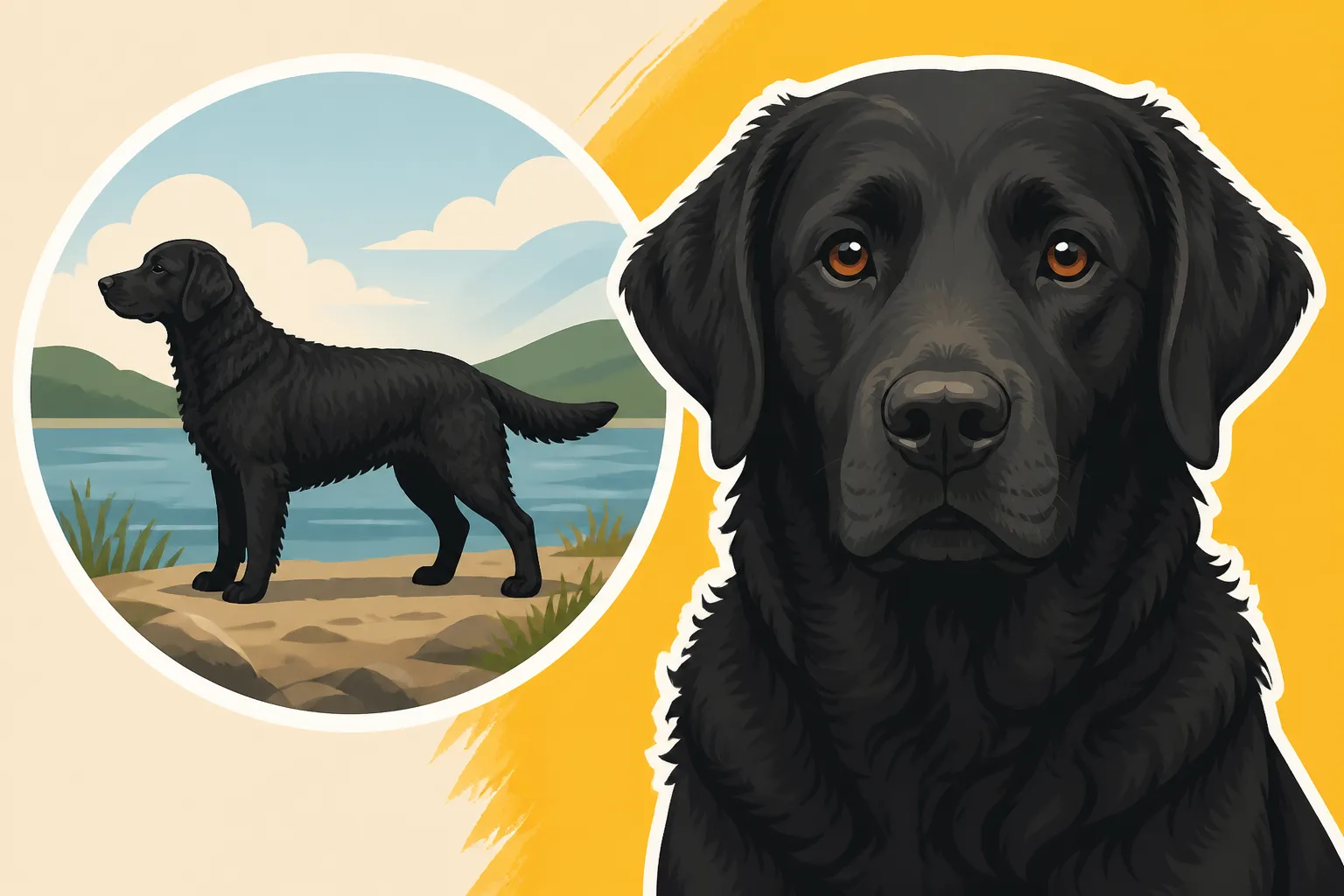
Perhaps the most defining physical characteristic of the St. John's Water Dog was its incredible coat. It was a dense, short, and incredibly oily double coat, specifically designed to repel water and provide insulation against the freezing temperatures of the North Atlantic. The outer coat was coarse and straight, acting like a waterproof barrier, while the undercoat was soft and thick, trapping warmth close to the body. When these dogs emerged from the water, they would shake themselves vigorously, and you'd see the water literally bead off, leaving their skin relatively dry. This is the hallmark of a truly aquatic dog.
In terms of color, the St. John's Water Dog was predominantly black, often with white markings on the chest, paws, and muzzle. These white patches were sometimes referred to as "smokings" or "socks." While yellow and chocolate Labradors exist today, the black coloration was by far the most common, and arguably the most desirable for the working conditions, as it was thought to absorb more sunlight, providing additional warmth in cold conditions. This dense, protective coat is a direct ancestor of the Labrador Coat Type in the Standard we recognize today, though modern breeding has diversified the accepted color palette considerably.
Head, Expression, and That Famous Tail
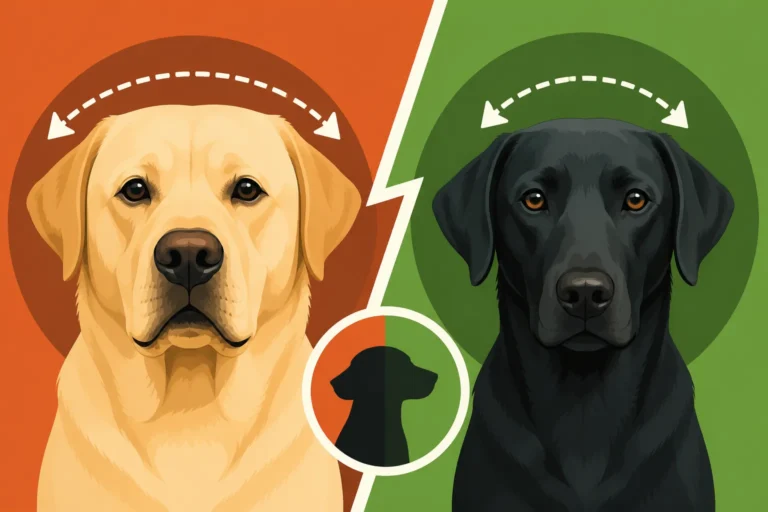
The head of the St. John's Water Dog was broad and strong, with a kindly yet intelligent expression in their eyes. They had a moderately long muzzle, powerful jaws, and a keen sense of smell, all essential for locating and retrieving items. Their ears were medium-sized, hanging close to the head, which helped prevent water from entering during swims and protected them from the elements. This combination of strength and gentle intelligence in their facial features is something that truly resonates when you compare them to the Labrador faces we know and love.
But perhaps the most iconic feature, and one that absolutely defines the Labrador breed, was their "otter tail." This tail was thick at the base, tapering to a rounded point, and completely devoid of feathering (long hair). It was covered in the same dense, short, water-resistant fur as their body. The structure of this tail wasn't just for show; it was a powerful rudder, assisting them in steering and propelling themselves through the water. It was strong and robust, an extension of their powerful body, used constantly in their retrieving work. You can learn more about this distinctive feature in The Labrador Otter Tail Explained. Without this unique tail, they simply wouldn't have been as efficient in the water.
More Than Just Looks: Temperament and Working Abilities
While their physical appearance was perfectly tailored for their environment, it was the St. John's Water Dog's temperament and working drive that truly made them indispensable companions to the Newfoundland fishermen. These were not dogs for the faint of heart, but rather intelligent, resilient, and utterly devoted partners. Their mental make-up was just as important as their physical form in their ability to perform their duties.
Intelligence, Drive, and Trainability
The St. John's Water Dog possessed an exceptional level of intelligence and an eagerness to please, making them highly trainable. They needed to understand complex commands and respond reliably in challenging situations, often with dangerous consequences if they failed. Their natural inclination to work alongside humans meant they were quick studies, absorbing lessons and developing strong bonds with their handlers. This inherent smarts and willingness to cooperate are traits that continue to make Labradors such popular working and family dogs today. Labrador Intelligence and Trainability is a topic often discussed, and it's clear where that reputation began.
Their drive to retrieve was unparalleled, almost an obsession. This wasn't just a playful game; it was fundamental to their job. They had an inherent desire to bring things back to their human, a trait that breeders sought to amplify. This unwavering focus, combined with their sharp minds, allowed them to be incredibly efficient at their tasks, whether it was fetching a lost buoy or assisting with the day's catch. This powerful drive is a cornerstone of the Labrador temperament, a force that needs to be channeled through training and activity, perhaps with enrichment toys from Chewy.
Their Unparalleled Affinity for Water
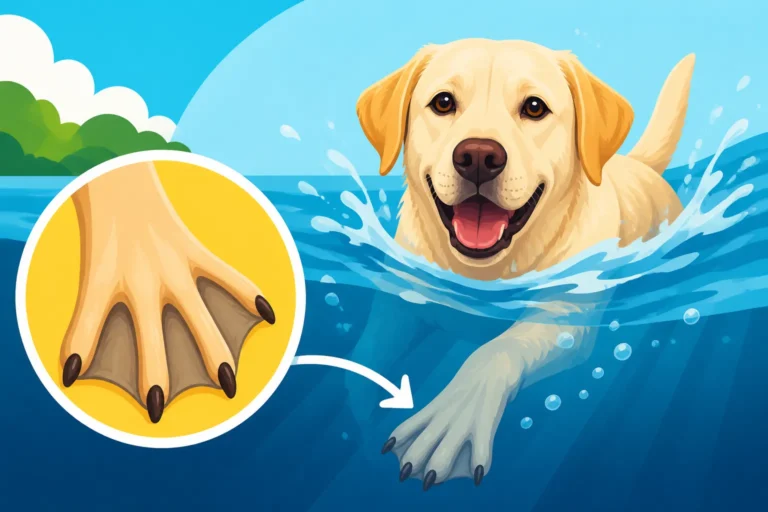
It goes without saying that a "water dog" would love water, but the St. John's Water Dog's affinity was truly extraordinary. They were built for it, enjoyed it immensely, and were incredibly comfortable and efficient swimmers. They could spend hours in the choppy, cold ocean without complaint, their dense coats and webbed feet providing the perfect tools for the job. This deep-seated love for water is one of the most beloved characteristics of the modern Labrador, and it's a direct inheritance from these aquatic ancestors.
This comfort in water extended beyond just swimming; it included navigating small, unstable boats, enduring sea spray, and diving into waves. Their webbed feet, while not as pronounced as some truly aquatic breeds, certainly aided their paddling efficiency. This natural predisposition for aquatic activities made them the perfect partners for fishermen, seamlessly integrating into the demanding marine lifestyle. You can still see this instinct when your Labrador dives headfirst into any body of water, big or small! We even explore this in Labrador Webbed Feet and Swimming.
Soft Mouth and Retrieving Instinct
One of the most remarkable and crucial traits of the St. John's Water Dog was its "soft mouth." This meant they could carry retrieved items, such as fish or game, gently without damaging them. For a fisherman, this was vital – a dog that crushed the catch was useless. This soft mouth allowed them to bring items back intact, a testament to their careful and controlled bite. It wasn't about biting down hard; it was about securely holding.
This instinct to retrieve, combined with their soft mouth, made them invaluable. They would eagerly swim out, grasp the item, and return it directly to their handler. This reliable retrieving behavior is something that generations of Labrador breeders have painstakingly preserved and refined. It's why Labradors excel as gundogs, service dogs, and beloved family companions who love to play fetch. The inherent desire to carry things is so strong, it's why Why Labradors Carry Things in Their Mouths is such a relevant topic even today.
The Lasting Legacy: From St. John's to the Modern Labrador
The story of the St. John's Water Dog doesn't end with its extinction. Instead, it marks the beginning of the Labrador Retriever as we know it. These resilient, intelligent, and water-loving dogs captured the attention of British aristocrats and dog enthusiasts, leading to their journey across the Atlantic and their eventual formalization as a distinct breed.
Crossing the Atlantic: Their Journey to Europe
In the 19th century, British noblemen, particularly those with a passion for hunting and waterfowl retrieving, began to notice the exceptional abilities of the St. John's Water Dogs being brought back from Newfoundland by fishing vessels. Ships regularly sailed between Newfoundland and ports like Poole in Dorset, England. These dogs were initially known by various names, including "Newfoundland Dogs," "Lesser Newfoundlands," or "St. John's Dogs," to differentiate them from the much larger Newfoundland breed. Wealthy sportsmen saw their potential as superior gun dogs, especially for retrieving game from water.
These early imports were the foundation stock for what would become the Labrador Retriever. Key figures like the 2nd Earl of Malmesbury and the 5th Duke of Buccleuch were instrumental in establishing breeding programs in Britain. They recognized the unique blend of retrieving drive, biddability, and aquatic prowess that these dogs possessed. These individuals, along with others, began carefully breeding the St. John's Water Dog, focusing on solidifying their traits and creating a consistent type. This crucial period of development in England is Where the Labrador Retriever Came From truly begins its modern chapter.
What Our Labradors Inherited
The St. John's Water Dog is essentially the blueprint for the modern Labrador Retriever. Every characteristic we admire in our Labs – their friendly disposition, unwavering loyalty, incredible intelligence, tireless work ethic, and profound love for water – can be traced directly back to their Newfoundland ancestors. Breeders in England continued to select for these desirable traits, eventually formalizing the breed standard. The "otter tail," the dense, water-repellent coat, the "soft mouth," and the eager-to-please temperament were all carefully preserved and passed down through generations.
While the St. John's Water Dog itself is now sadly extinct, its spirit lives on vibrantly in every Labrador Retriever. The breed was eventually recognized by the Kennel Club in England in 1903 and the American Kennel Club in 1917, solidifying its place in canine history. Today, whether your Labrador is a beloved family pet or a working companion, they carry the genetic legacy of those hardy, devoted dogs that braved the freezing waters of Newfoundland, making them one of the most versatile and cherished breeds in the world. Next time you're browsing for a new toy for your Lab on Chewy, remember the long journey their ancestors took!
| Feature | St. John's Water Dog (Historical) | Modern Labrador Retriever (Contemporary) |
|---|---|---|
| Primary Role | Fisherman's assistant, water retriever | Companion, gundog, service dog |
| Appearance | Predominantly black, often with white markings; slightly rangier | Black, yellow, chocolate; uniform color is standard |
| Coat | Dense, short, oily double coat; excellent water repulsion | Dense, short double coat; excellent water repulsion |
| Tail | "Otter tail" (thick at base, tapering, no feathering) | "Otter tail" (thick at base, tapering, no feathering) |
| Size | Medium to large (approx. 60-80 lbs, 22-25 inches) | Medium to large (approx. 55-80 lbs, 21.5-24.5 inches) |
| Temperament | Intelligent, eager to please, strong retrieving drive, hardy | Intelligent, eager to please, strong retrieving drive, friendly |
| Habitat | Rugged Newfoundland coast, fishing boats | Global, diverse environments, homes, farms |
| Extinction Status | Extinct (mid-20th century) | Thriving, one of the most popular breeds |
Disclaimer
This article is for general informational purposes only and does not constitute professional advice. Laws, prices and regulations vary by location and change over time. Consult a qualified professional for guidance on your specific situation.