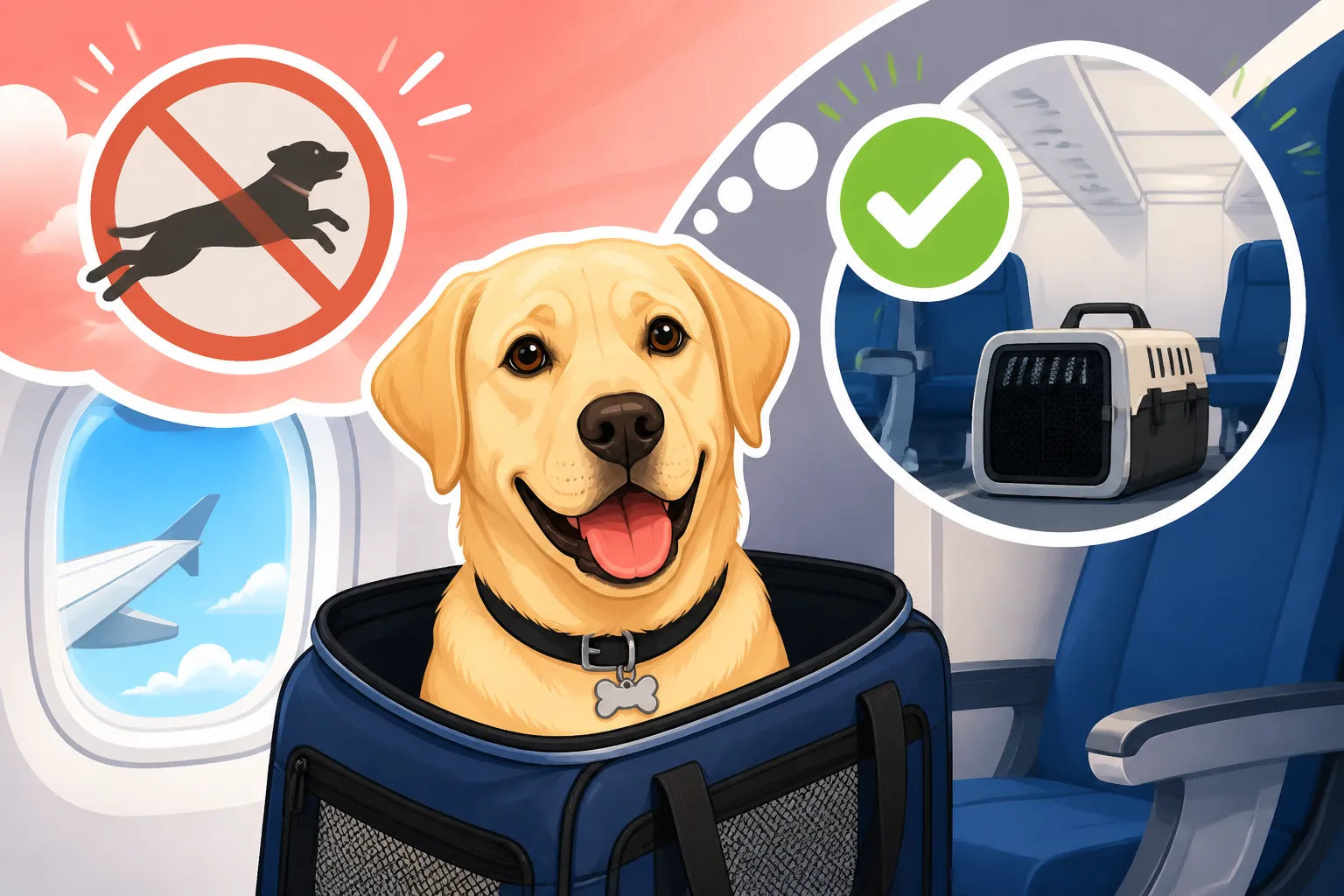
Whether a Labrador Can Fly in Cabin
Oh, the dream of having your beloved Labrador right there at your feet, even when you're soaring through the clouds! It's a vision many of us have, especially when planning a move or a long trip, but the reality for Labrador owners looking to fly with their furry companions in the airplane cabin often comes with a hefty dose of disappointment. The sheer size and weight of a full-grown Labrador usually mean they don't meet the strict in-cabin requirements. This guide is here to walk you through the nitty-gritty of airline pet policies, explain why Labradors rarely fit the in-cabin criteria, and explore all your options for traveling with your large, loving dog.
The Hard Truth About Labradors and Airplane Cabins
Let's just be frank: it's incredibly rare for a standard adult Labrador Retriever to fly in the cabin of an airplane. I know, it's a tough pill to swallow, especially when you see smaller dogs tucked comfortably under seats. The heartbreak of realizing your loyal companion can't join you in the main cabin can be significant, particularly if you're facing a move or an extended stay somewhere far from home. This isn't just about airline preference; it's rooted in very practical and regulated constraints designed for the safety and comfort of all passengers, including our furry friends.
The Size and Weight Hurdle
Airlines have incredibly strict rules regarding the dimensions of pet carriers that can fit under the seat in front of you. These carriers must be able to slide completely under the seat, and your pet must be able to stand up, turn around, and lie down comfortably within it. While this might be perfectly feasible for a tiny Chihuahua or a petite toy poodle, a Labrador Retriever, even a smaller female, simply cannot fit these dimensions once fully grown.
Consider a typical airline's maximum carrier dimensions: often around 18" L x 11" W x 11" H. Now, think about your Labrador. A healthy adult male Labrador can stand over 22 inches tall at the shoulder and weigh anywhere from 65 to 80 pounds, sometimes more for a particularly robust show line dog. Even a female Labrador, which tends to be a bit smaller, will still easily exceed these dimensions. They just aren't built for that kind of cramped space. It's not about being a "bad dog" or poorly behaved; it's pure physics. Trying to squeeze a Labrador into a carrier that small would be inhumane and a serious violation of animal welfare. It's a common frustration, and a very valid one, when you simply want your companion close.
Service Animals Versus Pet Animals: A Crucial Distinction
It's vital to understand the difference between a pet and a service animal when it comes to airline travel. The rules are entirely different. Genuine service animals, which are individually trained to perform tasks for the benefit of a person with a disability, are generally permitted to fly in the cabin, often at their handler's feet, regardless of their size. This is due to federal regulations like the Air Carrier Access Act (ACAA) in the United States, which protects the rights of individuals with disabilities to travel with their service animals.
However, a Labrador that provides comfort or emotional support but isn't trained to perform specific tasks directly related to a disability is considered an emotional support animal (ESA). The landscape for ESAs on planes has changed dramatically in recent years. Most airlines no longer recognize ESAs as service animals and treat them as regular pets. This means if your Labrador is an ESA, they will likely fall under the standard pet policies, which, as we've discussed, typically exclude Labradors from in-cabin travel due to their size. It’s a common source of confusion and disappointment for owners who’ve relied on their dog for comfort, only to find the travel rules have shifted. Always check the very latest guidelines for any airline you're considering.
Decoding Airline Pet Regulations for Larger Breeds
Every airline has its own set of rules, and while they might share common themes, the specifics can vary enough to make a huge difference in your travel plans. It's not just about if they can fly in the cabin, but how they can fly at all. For a Labrador, understanding these regulations usually means delving into cargo hold policies, which come with their own complexities and considerations.
General Rules for In-Cabin Pets
For the sake of completeness, let's quickly reiterate the typical in-cabin requirements, just so you have a clear picture of why they simply don't align with a Labrador's physique:
- Carrier Size: As mentioned, carriers must fit under the seat. Dimensions are usually around 18"L x 11"W x 11"H, though some airlines might allow a slightly larger or softer-sided carrier that can compress. Your dog must be able to comfortably stand up and turn around in it.
- Combined Weight Limit: Many airlines have a combined weight limit for the pet and carrier, often ranging from 15 to 25 pounds. A single bag of quality Labrador kibble often weighs more than that, let alone your actual dog!
- Pet Age and Health: Puppies typically need to be a certain age (e.g., 8-10 weeks) and fully weaned. A health certificate from a vet, issued within a specific timeframe (e.g., 10 days) before travel, is almost always required. This is where pet insurance like Healthy Paws can be beneficial, covering unexpected vet visits should a health issue arise right before your trip, potentially impacting your ability to get that certificate.
- Number of Pets: There are strict limits on how many pets can be in the cabin per flight, and sometimes even per passenger.
These rules are non-negotiable for in-cabin travel. There's no magical loophole for a Labrador unless they are a certified service animal.
Specific Airline Variations
While the core principle of "Labradors don't fit under seats" remains universally true, the specific policies around cargo travel or alternative options can differ. For instance, some airlines might be more accustomed to transporting larger animals, perhaps having better-equipped cargo facilities or more robust climate control options, especially when flying out of major hubs like Denver or Atlanta. Others might have embargoes on pet travel during certain times of the year (extreme heat or cold) or to specific destinations.
It’s imperative to check the pet policy of your exact chosen airline and even your specific aircraft type. A large wide-body jet might have different cargo considerations than a smaller regional plane. Don't just look it up once; confirm directly with the airline multiple times leading up to your trip, as policies can change. The last thing you want is a surprise at the airport. You might even find that one airline is far more accommodating for cargo than another, even if neither allows in-cabin for your Lab.
Booking and Fees
If you're resigned to the fact that your Labrador will need to fly as cargo, understand that this involves significant planning and cost.
- Reservations are Key: Pet cargo space is limited and often booked on a first-come, first-served basis. You absolutely cannot just show up at the airport with your Labrador and expect to put them in cargo. You usually need to book their travel far in advance, sometimes directly through the airline's cargo department rather than the passenger reservation system.
- Fees: Expect to pay a substantial fee for cargo travel. These are often much higher than in-cabin pet fees, reflecting the specialized handling, space, and sometimes even separate facilities involved. These costs can vary wildly, so always get a clear quote. This is just one aspect of the overall cost of keeping a Labrador, but a significant one if travel is frequent.
- Crate Requirements: Airlines will specify the type and size of crate needed for cargo travel. This usually means a rigid, IATA-compliant kennel with proper ventilation, food/water dishes, and "Live Animal" labels. Retailers like Chewy can be a great resource for finding crates that meet these stringent requirements, ensuring you have a safe and approved travel container for your dog. Remember, the crate needs to be large enough for your Labrador to stand, turn, and lie down naturally, but not so large that they could be jostled excessively. You can find more information on specific needs by searching for "Crate and Bed Sizing Costs for a Labrador".
Alternatives When a Labrador Can't Fly In-Cabin
Realizing your Labrador can't be in the cabin with you can be disheartening, but it doesn't mean your travel dreams are shattered. It just means you need to get creative and prioritize your dog's safety and comfort. There are several alternatives, each with its own set of pros and cons, which are crucial to weigh before making a decision.
Cargo Travel: Pros, Cons, and Safety Concerns
Shipping your Labrador in the climate-controlled, pressurized cargo hold of a plane is often the only way to fly them commercially. It's a decision that many owners grapple with, and it's completely understandable to feel anxious about it.
- Pros: It's often the fastest way to transport your Labrador over long distances, especially across continents. For military families, international relocations, or very long domestic moves (like coast to coast), it might be the only practical option. Your Labrador will be in a separate compartment designed for animal transport, with temperature regulation and oxygen, distinct from luggage.
- Cons: The primary concern for many owners is safety and stress. While airlines take precautions, there's always a risk, albeit small, associated with air travel for pets. This can include stress, temperature fluctuations, or mishandling. Brachycephalic (short-nosed) breeds are often prohibited due to breathing difficulties, but Labs generally don't face this issue. Extreme weather conditions at departure, connection, or arrival airports can lead to flight cancellations or embargoes on pet travel, leaving your plans in limbo. Additionally, the separation from you can be stressful for a dog, especially a sensitive Labrador who thrives on companionship. Medications to sedate your dog are generally not recommended by vets for air travel, as they can interfere with their ability to regulate body temperature and can have adverse effects at altitude.
- Mitigation: To reduce risks, book direct flights whenever possible to minimize transfers and handling. Fly during cooler parts of the day in summer (early morning/late evening) and warmer parts in winter (mid-day). Ensure your Labrador is well-hydrated and has a familiar, comfortable crate. Attach clear identification, your contact information, and a photo of your dog to the crate. Discuss all aspects with your veterinarian to ensure your Lab is healthy enough for the journey; they can also advise on ways to make the experience less stressful, without resorting to sedatives.
Driving or Train Travel: Feasibility and Planning
For domestic travel, or even cross-border trips to Canada or Mexico, traveling by car or train offers significantly more control and can be less stressful for many Labradors.
- Driving: This is often the preferred method for many Labrador owners. You can stop when needed for potty breaks, exercise, and water. Your Lab remains with you, which reduces anxiety for both of you. You can control the environment (temperature, music, smells) and bring all their familiar items. However, long car trips require careful planning. You'll need to research pet-friendly accommodations along your route (many hotels accept Labradors, but always call ahead). Ensure your car is suitable for your Labrador, with enough space, proper ventilation, and safety restraints or a travel crate. You might want to invest in a car barrier or seat cover to keep your vehicle clean and your dog safe. Planning for your dog's meals is also important; if your Labrador is on a fresh diet from a brand like Ollie, you'll need to ensure you have a cooler and access to refrigeration for their food.
- Train Travel: Amtrak in the US and Via Rail in Canada do allow some pets on board, but typically only small dogs and cats in carriers that fit under seats. Similar to air travel, a Labrador is generally too large for in-cabin train travel. However, some long-distance train routes might have specific pet cars or allow larger dogs under very specific conditions, often requiring them to be crated in a designated area. This is less common but worth investigating with the specific rail service if driving isn't an option.
While these options take longer, they often provide a much more humane and comfortable experience for your Labrador. Knowing that your companion isn't alone in a cargo hold can bring immense peace of mind.
Leaving Your Labrador Home: Pet Sitters or Boarding
Sometimes, the kindest and most sensible option for your Labrador's well-being is not to take them with you at all. This is especially true for short trips or if the travel itself would be overly stressful for your dog.
- Pet Sitters: Hiring a professional pet sitter to stay at your home or visit regularly can be a fantastic option. Your Labrador remains in their familiar environment, sticks to their routine, and receives one-on-one attention. This can greatly reduce stress and potential for separation anxiety in Labrador Retrievers, which some can be prone to. Interview sitters thoroughly, check references, and ensure they have experience with large, active breeds like Labradors.
- Boarding Facilities: A reputable boarding kennel offers another solution. Look for facilities with spacious runs, plenty of exercise time, and experienced staff. Visiting the facility beforehand is crucial to ensure it's clean, safe, and a good fit for your Labrador's temperament. Some Labradors thrive in a social boarding environment, while others might find it overwhelming. You can explore topics like "Boarding and Daycare for a Labrador" or "Pet Sitters Versus Boarding for a Labrador" for more in-depth advice on these choices. While there is a cost involved, it's often less than air cargo and can sometimes prevent significant Labrador emergency vet bills resulting from travel stress.
Making Travel as Stress-Free as Possible for Your Labrador
No matter how your Labrador travels, the goal is always to make the experience as calm and positive as possible. Preparation is key, addressing everything from their physical health to their emotional well-being.
Vet Visits and Health Certificates
Before any form of significant travel, especially air travel, a comprehensive veterinary check-up is non-negotiable. Your vet will ensure your Labrador is healthy enough for the journey and provide any necessary health certificates or vaccinations required by airlines or destination states/countries. This is also a good time to discuss any anxieties your dog might have and get professional advice.
- Health Certificates: For air travel, these certificates must be issued within a very narrow window (often 10 days) of your travel date, attesting to your Labrador's good health and up-to-date vaccinations. This is a strict requirement, so schedule your vet appointment accordingly.
- Vaccinations and Parasite Control: Ensure all vaccinations are current. Depending on your destination, specific parasite preventatives (heartworm, flea, tick) might be required or strongly recommended. Discuss this during your vet visit. A solid foundation of health, established from their "Labrador Puppy Health in the First Year", will set them up for successful travels later in life.
- Microchipping: If your Labrador isn't already microchipped, now is the time. It's a critical safety measure in case they become separated from you during travel. Ensure your contact information associated with the chip is current.
Crate Training and Acclimation
For any travel involving a crate – be it in a car, train, or airplane cargo hold – thorough crate training is paramount. Your Labrador should view their crate as a safe, comfortable den, not a punishment.
- Positive Association: Start well in advance of your trip. Feed meals in the crate, offer high-value treats inside, and provide comfortable bedding. Make it a place your Labrador enjoys spending time.
- Gradual Increase in Time: Gradually increase the amount of time your Labrador spends in the crate, first with you nearby, then alone. Practice leaving them for short periods, mimicking the duration they might spend during travel.
- Travel Crate Specifics: Use the exact travel-approved crate your Labrador will use for the journey. This allows them to acclimate to its size and feel. You can even place familiar bedding or a worn piece of your clothing inside to provide comfort and a sense of familiarity during the trip. This familiarity can be especially helpful if your Labrador sometimes struggles with "Telling Labrador Boredom From Real Anxiety".
Travel Day Logistics
The day of travel can be hectic, but with careful planning, you can keep your Labrador's experience as smooth as possible.
- Exercise Beforehand: Give your Labrador a good, long walk or vigorous play session several hours before departure. A tired dog is a calmer dog.
- Food and Water: Offer a smaller meal a few hours before travel, and then restrict food to minimize the chance of motion sickness. Provide water right up until departure, and ensure the travel crate has secure water and food dishes accessible from the outside.
- Identification: Securely attach clear, waterproof identification to the crate with your contact information, your Labrador's name, and their photo. Include "Live Animal" stickers prominently.
- Medication (Consult Vet): As mentioned, sedatives are generally not recommended due to altitude effects. However, your vet might suggest other non-drowsy anti-anxiety supplements or strategies that are safe for travel. Always follow veterinary advice.
- Arrive Early: Give yourself ample time at the airport or station. Rushing will only increase your stress, which your Labrador will undoubtedly pick up on. Allow time for last-minute potty breaks and check-in procedures.
Traveling with a Labrador, especially when they can't fly in the cabin, demands meticulous planning and a deep understanding of their needs. It's a significant investment of time, effort, and money, as anyone familiar with "What a Labrador Costs a Month All In" already knows. But seeing your loyal companion happy and healthy at your destination makes every bit of that effort worthwhile.
Comparing In-Cabin vs. Cargo Pet Travel (General Guidelines)
Since Labradors almost universally fall into the "cargo" category for air travel, here's a comparative overview of what these two modes generally entail, highlighting why in-cabin isn't usually an option for our big, lovable retrievers.
| Feature | In-Cabin Pet Travel (Generally for Small Dogs/Cats) | Cargo Pet Travel (Typical for Labradors) |
|---|---|---|
| Pet Size/Weight | Small, fits under seat; combined weight limit (e.g., <25 lbs) | Larger breeds, no strict weight limit but must fit crate; crate size matters |
| Carrier Type | Soft-sided or small hard-sided; fits under seat | Rigid, IATA-compliant, ample ventilation, secure (e.g., Vari Kennel) |
| Pet Location | Under owner's seat in cabin | Climate-controlled, pressurized compartment in cargo hold |
| Cost | Moderate fee (e.g., $100-$200 one-way) | Significantly higher fee (e.g., $200-$1000+ one-way), varies by route/size |
| Health Docs Req. | Health certificate, vaccination records | Health certificate, vaccination records, sometimes additional permits |
| Booking Req. | Usually added during passenger booking | Often requires booking directly with airline cargo department, well in advance |
| Comfort/Stress | Generally less stressful for pet & owner | Can be stressful for pet, higher anxiety for owner; temperature embargos common |
| Access During Flight | Yes, limited | No access |
| Sedation | Not recommended | Strongly not recommended |
This table underscores why, for a Labrador, the in-cabin dream remains just that – a dream. The sheer scale of your wonderful companion dictates a different, more involved travel plan.
Disclaimer
This article is for general informational purposes only and does not constitute professional advice. Laws, prices and regulations vary by location and change over time. Consult a qualified professional for guidance on your specific situation.