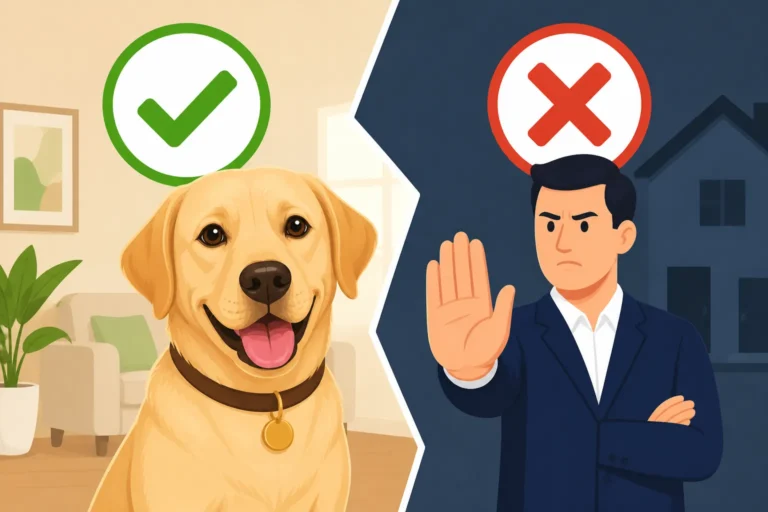
Insuring a Labrador Puppy Versus an Adult
The moment you bring a bouncy Labrador puppy home, your mind immediately jumps to all the fun you'll have, the training, and the endless cuddles. What often gets overlooked in the initial excitement is the looming question of how to best protect them financially, especially when it comes to unexpected vet bills. Deciding whether to insure a Labrador puppy right away or wait until they're an adult can feel like a gamble, leaving many new owners wondering if they're making the right choice. This guide will help you navigate the nuances of pet insurance at different life stages, ensuring you make an informed decision for your beloved companion.
The Case for Insuring a Labrador Puppy Early
Bringing a puppy into your life is a whirlwind of joy, but also a steep learning curve in responsibility. Many new Labrador owners might think, "My puppy is so healthy, why would I need insurance right now?" It's a valid thought, but the truth is, a puppy's boundless energy and curiosity can lead to unexpected mishaps, and getting insurance early can be a real game-changer down the line.
Lower Premiums and Broader Coverage
One of the most compelling arguments for insuring a Labrador puppy early is the cost. Puppies, generally speaking, are less expensive to insure than adult dogs. This isn't just because they're smaller and eat less, but because they have a cleaner bill of health. An eight-week-old puppy is unlikely to have been diagnosed with chronic conditions or major illnesses. This fresh start means that when you enroll them, most reputable pet insurance providers like Healthy Paws will offer comprehensive coverage for a wider range of potential issues that might arise in the future.
Think about it this way: when you sign up a young pup, almost anything that happens to them after the policy's waiting period will be considered a new condition and therefore covered, assuming it's not explicitly excluded by the policy. If your rambunctious Labrador puppy decides that your favorite remote control looks like a tasty chew toy and ends up with an intestinal blockage needing emergency surgery – a very common puppy scenario – that's a new, unexpected event that insurance is designed to cover. If you had waited, and your Labrador developed a chronic issue like allergies or early signs of joint problems as a young adult, those might be considered pre-existing conditions if you then tried to get insurance, potentially leading to exclusions from coverage. For many new owners, understanding the nuances of Pre-Existing Conditions on a Labrador Policy is critical.
Establishing a Baseline for Health
Insuring your Labrador from a young age essentially "locks in" their health status at that time. As they grow, various conditions might start to manifest. For a breed like the Labrador, issues such as Labrador Hip and Elbow Dysplasia can begin to show subtle signs even in their first year. If these conditions are diagnosed before you have an insurance policy in place, or during the initial waiting period, they will almost certainly be considered pre-existing and excluded from coverage for that particular policy.
By having insurance from puppyhood, you establish a health baseline. Any medical issue that crops up after the policy's waiting period, provided it's not pre-existing from before enrollment, will typically be covered. This gives immense peace of mind. Moreover, some comprehensive plans offer optional wellness add-ons through providers like Chewy, which can help cover the routine veterinary care that puppies need so frequently, like vaccinations and regular check-ups in their first year. This proactive approach ensures you can always provide the best care without second-guessing the financial implications, especially when you consider the First Year Vet Spending on a Labrador Puppy.
Understanding Insurance for an Adult Labrador
While insuring a puppy offers distinct advantages, life happens, and sometimes getting pet insurance for an adult Labrador is the only option. It’s important to understand that the landscape shifts a bit when you’re looking to protect a grown-up dog.
Higher Premiums and Age-Related Concerns
When you’re looking to insure an adult Labrador, one of the first things you'll notice is that the premiums are generally higher. This isn't just arbitrary; it's based on actuarial data. As dogs age, they simply become more prone to developing health issues. For a Labrador Retriever, this includes a whole host of common conditions that might begin to appear in middle age or later. We’re talking about things like Labrador Arthritis in Middle Age, various forms of Cancers Labrador Retrievers Get Most, or more acute emergencies like Labrador Bloat Risk and Deep Chests.
Because the statistical likelihood of an adult Labrador needing veterinary care for these age-related or breed-specific conditions increases, insurance companies adjust their premiums accordingly. It’s a simple risk assessment. An eight-year-old Labrador is statistically more likely to need expensive diagnostic tests, medications, or even surgery than an eight-month-old pup. While it might feel unfair to pay more for an older dog who's been healthy their whole life, it's the nature of insurance. Waiting until your dog is six or seven years old to get coverage means you're entering the system when the risks are inherently higher, which translates directly to a higher monthly cost.
The Challenge of Pre-Existing Conditions
This is perhaps the biggest hurdle when trying to insure an adult Labrador. Any illness or injury that your Labrador had before their insurance policy began, or before the waiting period was over, is considered a pre-existing condition. And generally, pre-existing conditions are not covered by pet insurance policies. This can be incredibly frustrating. Imagine your five-year-old Labrador has had a minor limp on and off for a few months, and your vet has been monitoring it. If you decide to get insurance now, and that limp is later diagnosed as a chronic issue like early-stage arthritis or a ligament tear, it will likely be excluded from coverage because the signs were present before the policy started.
Even if you weren't fully aware of the severity of a condition, if there's any mention of symptoms in your vet records prior to the policy start date, it can be flagged as pre-existing. This is where the emotional toll can hit hard – you want to provide the best care, but a condition that’s already known or has shown symptoms might leave you out of luck for reimbursement. Some policies do distinguish between "curable" and "incurable" pre-existing conditions. For instance, a one-time ear infection might be considered curable and covered again after a certain period of symptom-free time, but a chronic condition like diabetes or severe hip dysplasia would likely be permanently excluded. Knowing how to deal with Pre-Existing Conditions on a Labrador Policy is paramount for adult dog owners.
Key Factors Influencing Labrador Pet Insurance Costs
When you start diving into pet insurance, you'll quickly realize it's not a one-size-fits-all product. Several factors come into play that significantly influence what you’ll pay and what kind of coverage you receive. Understanding these elements can help you tailor a policy that truly fits your Labrador’s needs and your budget.
Age, Breed, and Location
We’ve already touched on age, which is arguably the most impactful factor. As a general rule, the younger and healthier your Labrador is when you enroll, the lower your monthly premiums will be. This makes sense: a puppy has fewer opportunities to develop conditions that would require expensive veterinary intervention.
Beyond age, the breed itself plays a substantial role. Labradors, while generally robust, are known to be predisposed to certain genetic and acquired conditions like hip and elbow dysplasia, certain types of cancer, and obesity. Insurance companies factor in these breed-specific risks when calculating premiums. Because there's a higher statistical probability of a Labrador needing treatment for, say, a cruciate ligament tear or even certain types of Cancers Labrador Retrievers Get Most, their premiums might be slightly higher than a breed with fewer known health issues. This is why it’s so important to understand the typical How Long Labrador Retrievers Live on Average and the associated health risks throughout their lifespan.
Finally, your geographic location is a huge determinant of cost. Vet costs vary dramatically across the country, just like human healthcare. A veterinary practice in a major metropolitan area like New York City, Los Angeles, or even Portland, Oregon, will typically have higher overheads (rent, staff wages) than a clinic in a rural town in Kansas. Insurance premiums reflect these regional differences in veterinary expenses. If emergency surgery for bloat might cost $5,000 in a small town, it could easily be $8,000-$10,000+ in a big city. Providers like Ollie might be exploring local partnerships or networks that reflect these differences in their pricing models, making it crucial to get quotes specific to your address.
Coverage Options, Deductibles, and Reimbursement Levels
Navigating the various coverage options, deductibles, and reimbursement levels is key to finding the right balance between cost and protection.
-
Coverage Options:
- Accident-Only Plans: These are the most basic and cheapest, covering only injuries from accidents (e.g., broken bones, cuts, car accidents, ingestion of foreign objects). They don't cover illnesses.
- Accident & Illness Plans: This is the most popular and comprehensive type, covering both accidental injuries and a wide range of illnesses (e.g., infections, allergies, digestive issues, cancer, chronic conditions). Most people choose this for their Labradors.
- Wellness Add-Ons: These are typically optional riders that you can add to an accident & illness plan. They help cover routine care like annual exams, vaccinations, parasite prevention, and dental cleanings. While not strictly "insurance" for unexpected events, they can help budget for predictable costs.
-
Deductibles: This is the amount you pay out-of-pocket before your insurance company starts reimbursing you.
- Annual Deductible: You pay this amount once per policy year, regardless of how many different conditions your dog needs treatment for. Once met, the insurance company starts paying their share for all subsequent eligible claims that year.
- Per-Incident Deductible: You pay this amount for each new condition your dog develops. This can add up if your Labrador has multiple unrelated health issues in a year.
Higher deductibles generally lead to lower monthly premiums, but mean you pay more upfront when a claim arises.
-
Reimbursement Levels: After you've met your deductible, this is the percentage of the remaining eligible vet bill that the insurance company will pay. Common reimbursement levels are 70%, 80%, or 90%.
- If you have an 80% reimbursement level, and a vet bill is $1,000 after your deductible, the insurance company will pay $800, and you pay $200.
- Choosing a lower reimbursement level (e.g., 70%) will result in a lower monthly premium, but you'll bear more of the cost at the time of treatment.
-
Annual Limits: Many policies also have an annual limit, which is the maximum amount the insurance company will pay out in a given policy year. Some premium plans, like those offered by Healthy Paws, pride themselves on offering unlimited annual benefits, which can be a huge relief if your Labrador faces a major, long-term illness or multiple expensive treatments. Always check this detail; a low annual limit might mean you hit the cap quickly if a serious issue arises.
Making the Right Insurance Decision for Your Labrador
Choosing the right pet insurance for your Labrador is a deeply personal decision, influenced by your financial situation, risk tolerance, and, of course, your dog's individual needs. It's not just about picking the cheapest option; it's about finding the best value and peace of mind.
Comparing Policy Types and Providers
Before committing, it's absolutely essential to shop around and compare different policy types and providers. Don't just look at one quote and call it a day! Pet insurance companies, much like human health insurers, offer a variety of plans with different features and price points.
For instance, Healthy Paws is often lauded for its robust, comprehensive plans with unlimited annual benefits, which can be invaluable for major illnesses or accidents, especially as your Labrador ages and may need more significant care. On the other hand, platforms like Chewy's Pet Insurance Marketplace allow you to compare multiple providers side-by-side, potentially offering a wider range of options from various underwriters, some with different deductible and reimbursement structures that might better suit your budget. Even companies primarily known for other pet services, like Ollie (known for fresh dog food), might have partnerships or offer resources to help you explore insurance options, reinforcing the importance of comprehensive care for your pet.
Consider what matters most to you. Are you looking for basic coverage for accidents, or do you want a comprehensive plan that includes illnesses, genetic conditions common in Labradors, and even some alternative therapies? Do you want a high deductible to keep monthly premiums low, or would you prefer a higher premium for a lower out-of-pocket cost at the vet? Thinking about a Genetic Panels Worth Running on a Labrador can help you assess breed-specific risks you might want to ensure are covered.
Beyond the Monthly Premium: Understanding the Value
It's easy to get caught up in the monthly premium amount, but the true value of pet insurance extends far beyond that single number. Pet insurance provides a crucial financial safety net, allowing you to make medical decisions based on what's best for your Labrador, rather than being constrained by cost.
Imagine your beloved Labrador suddenly develops symptoms of bloat, a life-threatening emergency that requires immediate surgery. Learning about Emergency Bloat Surgery Prices for a Labrador can be daunting, with costs often ranging from $3,000 to $10,000 or more. Without insurance or a significant emergency fund, you might face an agonizing decision. With a good pet insurance policy, a large portion of that bill could be covered, alleviating immense stress during an already traumatic time. Similarly, if your Labrador needs ongoing treatment for a chronic condition or experiences multiple unexpected health issues, the cumulative costs can be staggering. When you consider the What a Labrador Costs Over Twelve Years, including potential health expenditures, insurance starts to look like a very wise investment.
While it’s true that you might pay into a policy for years without making a major claim, the peace of mind that comes with knowing you can afford emergency care, specialist visits, or costly medications for your best friend is invaluable. It’s akin to having homeowner’s or car insurance – you hope you never need it, but you're profoundly grateful when you do. For many Labrador owners, setting up an Setting Up an Emergency Fund for a Labrador is a good idea, but insurance provides that critical layer of protection for the truly catastrophic scenarios that can quickly deplete even a robust savings account.
| Feature | Insuring a Labrador Puppy | Insuring an Adult Labrador |
|---|---|---|
| Average Premium | Generally lower | Generally higher |
| Pre-Existing Risk | Very low if enrolled early, broad coverage possible | High risk, likely exclusions for any prior conditions |
| Waiting Periods | Still apply, but less likely to conflict with existing issues | Still apply, crucial to enroll before new symptoms appear |
| Coverage Scope | Most future conditions can be covered | Focus shifts to accident/new illness; pre-existing are out |
| Common Claims | Accidental injuries (swallowing objects), puppy illnesses | Age-related diseases (arthritis, cancer), chronic conditions |
| Long-term Value | Establishes lifetime coverage, potentially lower lifetime cost | Provides protection for new issues, but with more limitations |
Ultimately, the goal is to protect your Labrador's health and provide them with a long, happy life. Whether you choose to insure them as a puppy or an adult, understanding the pros and cons of each stage is the first step towards a responsible and loving ownership journey.
Disclaimer
This article is for general informational purposes only and does not constitute professional advice. Laws, prices and regulations vary by location and change over time. Consult a qualified professional for guidance on your specific situation.