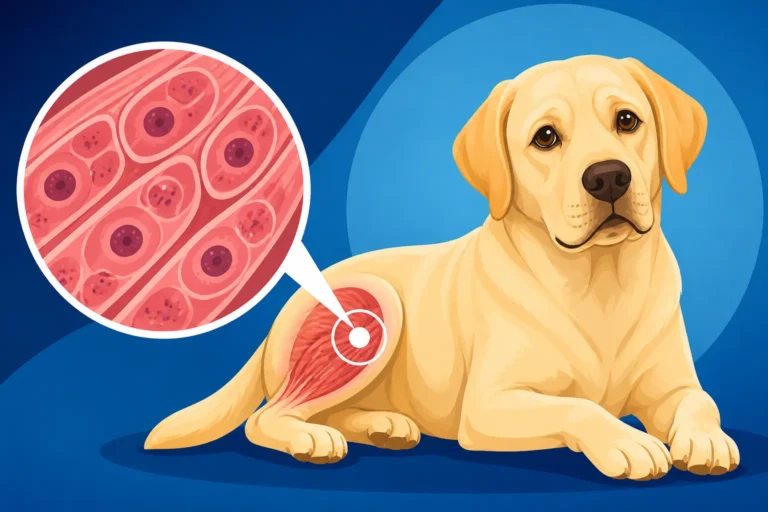
Cancer in Labrador Retrievers
Few things are as utterly devastating as hearing your beloved Labrador has cancer. It’s a diagnosis that can turn your world upside down, leaving you feeling helpless, confused, and heartbroken. We bring these incredible dogs into our lives, expecting years of joyful companionship, and facing a life-threatening illness is a struggle no pet parent should endure alone. This comprehensive guide aims to shed light on cancer in Labrador Retrievers, helping you understand the common types, recognize the subtle signs, navigate diagnosis and treatment, and ultimately, provide the best possible care for your cherished companion.
Understanding Cancer in Labradors: A Heartbreaking Reality
Labrador Retrievers are, without a doubt, one of the most beloved dog breeds in the world. Their cheerful disposition, unwavering loyalty, and boundless energy make them incredible family members and working partners. However, beneath that friendly exterior lies a predisposition to certain health challenges, and sadly, cancer is one of the most significant concerns for Labrador owners. It's a cruel twist that a breed known for its vitality can be so susceptible to such a formidable disease.
Why Labradors Seem So Prone to Cancer
It’s a question that haunts many Labrador owners: why our dogs? While no definitive single answer exists, a combination of genetic factors, breed size, and longevity likely plays a role. Labradors, like many larger breeds, have a higher rate of certain cancers compared to smaller dogs. This might be due to the sheer number of cells they possess, increasing the chances of cancerous mutations, or simply that larger dogs tend to have a shorter lifespan, allowing less time for other diseases to manifest. Genetics are a huge component; specific lines and individual dogs can carry genes that make them more vulnerable. It’s a sad reality that while we breed for desirable traits like temperament and retrieving drive, sometimes genetic predispositions to illness can come along for the ride.
Another contributing factor could be their incredible athleticism and active lifestyles. While exercise is undoubtedly good for them, some theories suggest that chronic inflammation from intense activity over many years might play a subtle role in cellular changes, though this is still an area of ongoing research. What we do know is that certain types of cancer simply appear more frequently in this breed, making vigilance absolutely critical for any Labrador parent.
The Statistics Behind Labrador Cancer Risk
The numbers can be sobering. Studies, including analyses of veterinary records, consistently show that cancer is a leading cause of death in Labrador Retrievers, particularly as they reach middle to senior age. While the median Labrador lifespan generally hovers around 10-12 years, cancer can often cut that short. Research, such as the extensive VetCompass study from the UK, has provided invaluable insights into which Labrador conditions show up most at the vet, confirming cancer’s prominent place. For instance, some statistics suggest that up to 60% of Labs over the age of ten may succumb to cancer.
It’s important to remember that these are statistics, not prophecies. They don't mean every Labrador will get cancer, but they do underscore the importance of being proactive and informed. Understanding these risks isn't about fear-mongering; it's about empowering you to be the best advocate for your dog's health, recognizing that early detection can significantly impact outcomes. This high incidence makes comprehensive pet insurance, like plans offered by providers such as Healthy Paws, an invaluable consideration for many Labrador families, as cancer treatments can be incredibly costly.
Common Cancer Types That Affect Labradors
When it comes to cancer, it's not a single disease but a vast array of conditions, each with its own characteristics, prognoses, and treatment approaches. Labradors seem to be predisposed to a few specific types that every owner should be aware of. Knowing about these common cancers Labrador Retrievers get most can help you stay alert for potential signs.
Lymphoma: The Silent Spreader
Lymphoma is one of the most common cancers found in dogs, and Labradors are certainly not immune. This type of cancer affects the lymphocytes, a type of white blood cell, and typically manifests in the lymphatic system, including the lymph nodes, spleen, and bone marrow. It can also appear in other organs like the gastrointestinal tract, skin, or central nervous system. What makes lymphoma particularly insidious is its ability to spread rapidly throughout the body.
The most common sign of lymphoma is usually the enlargement of lymph nodes, often felt as firm, painless lumps under the jaw, in front of the shoulders, behind the knees, or in the groin. These aren't always visible, but a diligent owner might feel them during a routine petting session. Other symptoms can be vague and non-specific, such as lethargy, weight loss, decreased appetite, or swelling in the face or legs. If you notice any persistent unexplained swelling or a general decline in your Labrador's well-being, a trip to the vet is absolutely essential for proper diagnosis.
Hemangiosarcoma: The Internal Threat
Hemangiosarcoma is a highly aggressive and often rapidly fatal cancer that originates from the cells lining blood vessels. It’s particularly prevalent in large breeds like Labradors, German Shepherds, and Golden Retrievers. What makes this cancer so terrifying is that it often grows internally, primarily affecting the spleen, heart, or liver, making early detection incredibly challenging. Owners often don't realize something is wrong until the disease has progressed significantly.
Signs of hemangiosarcoma can include sudden weakness or collapse, especially after exercise, pale gums, an enlarged abdomen, or a general reluctance to move. These symptoms often occur when a tumor ruptures and causes internal bleeding. Because of its aggressive nature and internal location, the prognosis for hemangiosarcoma is often guarded, even with prompt veterinary intervention. This is why being attuned to subtle shifts in your Labrador's health is so important, and why regular vet check-ups are non-negotiable.
Mast Cell Tumors: The Great Pretender
Mast cell tumors are notorious for their variability, earning them the nickname "the great pretender" among veterinarians. These tumors originate from mast cells, which are part of the immune system and play a role in allergic reactions and inflammation. They can appear anywhere on or under the skin, but also internally, affecting organs like the spleen, lymph nodes, or bone marrow. Labradors are among the breeds with a higher predisposition to these tumors.
Externally, mast cell tumors can look like almost anything: a small wart, a fatty lump, a red sore, or even a raised plaque. They can sometimes change in size or appearance, becoming red, itchy, or swollen, a phenomenon known as Darier's sign, due to the release of histamine from the cells. Because they can mimic benign skin growths or lipomas and fatty lumps on a Labrador, it’s critical to have any new lump or bump, no matter how innocent it appears, checked by your veterinarian. Early and accurate diagnosis of mast cell tumors on a Labrador is key to a successful outcome, as their behavior can range from benign to highly aggressive and metastatic.
Osteosarcoma: The Bone Breaker
Osteosarcoma is the most common primary bone tumor found in dogs, and it disproportionately affects large and giant breeds like Labrador Retrievers. This aggressive cancer primarily develops in the long bones of the limbs (such as the radius, ulna, tibia, or femur), but can also affect other bones like the ribs, spine, or jaw. It’s a very painful condition and notorious for its tendency to metastasize (spread) quickly to other parts of the body, especially the lungs.
The most noticeable sign of osteosarcoma signs in a large Labrador is usually persistent lameness, often initially mistaken for a sprain or a common orthopedic issue like arthritis. The lameness may worsen over time, and you might notice swelling, warmth, or tenderness at the affected site. As the tumor weakens the bone, pathological fractures can occur, causing sudden and severe pain. Because Labradors are often stoic, reading pain in a stoic Labrador can be challenging, so any persistent or worsening lameness should be investigated promptly. Unfortunately, due to its aggressive nature and metastatic potential, the prognosis for osteosarcoma is often poor, making rapid diagnosis and aggressive treatment crucial.
Lipomas and Other Skin Lumps: When to Worry
As Labradors age, it's incredibly common for them to develop various lumps and bumps on or under their skin. The vast majority of these are benign fatty tumors called lipomas. You might be petting your Labrador and suddenly feel a soft, movable mass just beneath the skin. While often harmless, the concern arises because these can visually resemble more serious conditions, including mast cell tumors or even some types of soft tissue sarcomas.
So, when should you worry about a Labrador lump? The golden rule is simple: any new lump, any change in an existing lump, or any lump that causes your dog discomfort should be evaluated by a veterinarian. Even if it’s "just a lipoma," it's always better to be safe than sorry. Your vet can perform a fine needle aspirate (FNA), a quick and minimally invasive procedure where a small sample of cells is taken with a needle and examined under a microscope. This can often differentiate between a benign fatty lump and something more concerning. Sometimes, a full biopsy is needed for a definitive diagnosis, especially if the FNA is inconclusive or if the lump has suspicious characteristics. When a Labrador lipoma needs removing depends on its size, location, and whether it’s bothering the dog, even if it’s benign.
| Common Labrador Cancer Types | Typical Signs to Look For | Common Treatment Approaches |
|---|---|---|
| Lymphoma | Enlarged, painless lymph nodes (neck, armpits, groin), lethargy, weight loss, decreased appetite. | Chemotherapy, sometimes radiation therapy. |
| Hemangiosarcoma | Sudden weakness/collapse, pale gums, enlarged abdomen, difficulty breathing (due to internal bleeding). | Emergency surgery (to remove bleeding tumor), chemotherapy (often poor prognosis). |
| Mast Cell Tumors | Skin lumps (variable appearance, can be red, itchy, or change size), can also be internal. | Surgical removal, possibly radiation therapy and/or chemotherapy, depending on grade and location. |
| Osteosarcoma | Persistent lameness, swelling and pain over affected bone, reluctance to bear weight, pathological fractures. | Amputation (often followed by chemotherapy), pain management, radiation (palliative). |
| Lipomas (Benign) | Soft, movable, non-painful fatty lumps under the skin. | Observation; surgical removal if large, hindering movement, or for cosmetic reasons. |
Recognizing the Subtle Warning Signs of Cancer
One of the biggest challenges with cancer in dogs is that our stoic Labradors often hide their pain or discomfort until a disease is quite advanced. They’re masters at putting on a brave face, continuing to wag their tails and ask for walks even when they don’t feel their best. This makes it crucial for us, their human companions, to be vigilant and aware of even the most subtle changes in their behavior, appetite, or physical condition. Early detection truly can make a profound difference in the outcome and quality of life. Knowing the warning signs of cancer in a Labrador is like having a superpower as a pet parent.
Changes in Appetite and Weight
Has your Labrador, usually a notorious food hoover, suddenly become a bit picky? Or perhaps they’re eating their usual amount but inexplicably losing weight? These are red flags that warrant immediate veterinary attention. A significant, unintentional weight loss is one of the classic paraneoplastic syndromes, meaning it’s a systemic effect of cancer in the body. Cancer cells can consume a lot of energy, leading to muscle wasting and overall weight decline even if your dog is eating.
Conversely, some cancers might cause a decrease in appetite or even complete anorexia. This could be due to pain, nausea, or simply feeling unwell. Don't dismiss a sudden change in how your Labrador approaches mealtime, or any unexplained changes in their overall weight. While many things can cause these symptoms, including other health issues, ruling out cancer early is vital.
Lumps, Bumps, and Skin Anomalies
We’ve already touched on the importance of checking for lumps, but it bears repeating: be a lump detective! Make it a habit to regularly run your hands over your Labrador's entire body – head to tail, under their armpits, along their belly, and especially in their "pitties" (armpits and groin) where lymph nodes are. Feel for anything new or unusual.
Beyond obvious lumps, look for other skin anomalies. Are there any persistent sores that don’t heal? Any discolored patches, unusual redness, or areas where the hair is thinning or falling out in an odd pattern? Mast cell tumors, for instance, can sometimes look like an angry rash or a persistent insect bite. Even if you think it's just an insect bite, if it doesn't resolve within a few days or seems to be getting worse, get it checked out. Remember, the earlier a suspicious growth is identified, the better the chances for successful treatment.
Shifts in Energy and Behavior
Labradors are famously energetic, especially in their younger years. While it's natural for their energy levels to decline as they become caring for a senior Labrador, a sudden or significant drop in stamina or enthusiasm should not be ignored. Is your typically playful Lab suddenly reluctant to join you for a walk, or does he seem to tire much more quickly than usual? Is he sleeping more than normal, or does he seem generally "off"?
Behavioral changes can also signal something is amiss. An otherwise friendly Labrador might become withdrawn, irritable, or even snap if touched in a painful area. They might seem more anxious, or just not themselves. These subtle shifts can easily be dismissed as "just getting old" or a grumpy mood, but a persistent change in your Labrador's usual demeanor warrants a veterinary visit. Sometimes, these behavioral cues are the only early warning signs you'll get.
Persistent Lameness or Swelling
Labradors are prone to orthopedic issues like hip and elbow dysplasia and Labrador arthritis in middle age, so lameness is something many owners become familiar with. However, not all lameness is benign. Persistent limping that doesn't improve with rest or anti-inflammatory medication could be a sign of something much more serious, like osteosarcoma. Pay attention to whether the lameness is isolated to one limb, and whether there's any visible swelling or tenderness associated with it.
Unexplained swelling beyond a lump or a typical injury is also concerning. This could be swelling in a limb, the face, or the abdomen. For example, a dog with hemangiosarcoma affecting the spleen might develop a distended abdomen due to internal bleeding. Any swelling that appears suddenly, is painful, or doesn't resolve, needs immediate veterinary assessment. Don't hesitate to reach out to your vet if you notice your Labrador isn't moving quite right or has any unexplained puffiness.
Diagnosis: Navigating the Vet's Office
When you bring your Labrador to the vet with concerns about potential cancer, you're entering a diagnostic journey that can sometimes feel overwhelming. It’s a process of elimination and confirmation, designed to get a clear picture of what’s happening inside your dog’s body. Understanding what to expect can help you feel more prepared and empowered to ask the right questions.
Initial Examinations and Bloodwork
Your veterinarian will start with a thorough physical examination. This is more than just a quick once-over; they'll carefully palpate your Labrador’s entire body, checking for lumps, swelling, pain, and enlarged lymph nodes. They'll listen to their heart and lungs, check their gums for pallor, and assess their overall body condition. This initial exam provides crucial clues that guide the next steps.
Following the physical exam, bloodwork is usually recommended. A complete blood count (CBC) can reveal abnormalities in red and white blood cell counts, which might indicate inflammation, anemia (a common consequence of some cancers), or an elevated white blood cell count indicative of infection or even certain blood cancers like leukemia or lymphoma. A biochemistry panel assesses organ function, which can show if internal organs are affected or if there are metabolic changes linked to cancer. Urinalysis can also provide valuable information about kidney function and screen for certain urinary tract issues or even cancers.
Imaging Techniques: X-rays, Ultrasounds, and CT Scans
If your vet suspects an internal mass or cancer affecting bones or organs, imaging studies will be recommended.
- X-rays (radiographs) are often the first line of internal imaging. They are excellent for identifying changes in bone structure, such as those seen with osteosarcoma, or for detecting large masses in the chest (lungs) or abdomen. They can also reveal fluid buildup in the chest or abdomen.
- Ultrasound is a non-invasive imaging technique that uses sound waves to create real-time images of soft tissues and internal organs. An abdominal ultrasound can detect masses in organs like the spleen, liver, kidneys, or intestines. It's also very useful for guiding fine needle aspirates or biopsies of internal organs.
- CT (Computed Tomography) scans offer highly detailed, cross-sectional images of the body. They are particularly valuable for staging cancer, meaning determining the extent of the disease and if it has spread (metastasis). CT scans are often used for evaluating tumors in complex areas like the head, spine, or pelvis, and for surgical planning. While more expensive, they provide a level of detail that X-rays simply cannot.
Biopsies and Cytology: Getting a Definitive Answer
While physical exams, bloodwork, and imaging can raise strong suspicions, the only way to definitively diagnose cancer is through cytology or a biopsy.
- Cytology involves collecting a sample of cells, often via a fine needle aspirate (FNA), and examining them under a microscope. This is a quick and relatively non-invasive procedure often done during a routine vet visit for superficial lumps or enlarged lymph nodes. While cytology can be highly indicative, it doesn't always provide a definitive diagnosis or the tumor's grade (aggressiveness).
- Biopsy is the gold standard for cancer diagnosis. This involves surgically removing a larger piece of tissue (incisional biopsy) or the entire tumor (excisional biopsy) for pathological examination. A veterinary pathologist will then analyze the tissue, confirming the presence of cancer, identifying the specific type, and often grading its aggressiveness. This detailed information is crucial for determining the best treatment plan and prognosis. Biopsies can be performed on external lumps, internal masses (guided by ultrasound or CT), or bone.
Treatment Options for Labrador Cancer
Receiving a cancer diagnosis for your Labrador is incredibly frightening, but it's important to remember that it doesn't always mean the end. Veterinary oncology has advanced tremendously, offering a range of treatment options designed to extend life, improve quality of life, and in some cases, even achieve remission. The best approach depends heavily on the type of cancer, its stage, location, and your Labrador's overall health and temperament. This is where having a robust pet insurance plan, such as Healthy Paws, can really make a difference, helping to cover the often-significant costs of advanced cancer therapies.
Surgery: The First Line of Defense
For many types of solid tumors, surgery is often the primary and most effective treatment. The goal of surgical intervention is to completely remove the cancerous mass and a margin of healthy tissue around it to ensure all cancerous cells are excised. For external tumors like some mast cell tumors or certain soft tissue sarcomas, this can be a relatively straightforward procedure. For internal tumors, such as those on the spleen or intestines, it can be more complex.
Successful surgical removal can be curative for some localized cancers. However, if the cancer has already spread (metastasized) or if complete removal isn't possible due to the tumor's location or size, surgery might be combined with other therapies. The recovery time after Labrador cruciate surgery or other major operations can be significant, requiring careful post-operative care and pain management. Even when it doesn't cure, surgery can dramatically reduce the tumor burden, alleviating pain and improving your dog's comfort and quality of life.
Chemotherapy and Radiation Therapy
These are two common adjunctive therapies often used alongside or instead of surgery, especially for more aggressive or widespread cancers.
- Chemotherapy involves using drugs to kill cancer cells throughout the body. Unlike human chemotherapy, which often aims for a complete cure at any cost, veterinary chemotherapy is typically focused on controlling the cancer, extending quality of life, and minimizing side effects. While dogs can experience side effects like nausea, lethargy, or decreased appetite, these are generally less severe than in humans, and veterinarians work hard to manage them. Chemotherapy is a primary treatment for cancers like lymphoma and hemangiosarcoma, and can also be used after surgery to target any remaining microscopic cancer cells. Understanding chemotherapy costs for a Labrador Retriever is crucial for budgeting.
- Radiation Therapy uses high-energy radiation to damage and kill cancer cells, while minimizing harm to surrounding healthy tissues. It is often used for localized tumors that are difficult or impossible to remove surgically, or to alleviate pain caused by bone tumors like osteosarcoma. Radiation requires multiple treatment sessions, and each session requires anesthesia, which can be a consideration for older or sicker dogs. Side effects can include skin irritation at the treatment site or temporary hair loss.
Palliative Care and Quality of Life
Sometimes, a cure isn't possible, or the aggressive treatments might not be the best choice for your Labrador. In these situations, the focus shifts entirely to palliative care. This approach aims to maximize your dog's comfort and maintain the best possible quality of life for as long as possible. It involves managing pain, nausea, and other symptoms through medication, diet adjustments, and supportive therapies.
Palliative care might include anti-inflammatory drugs, pain medications, anti-nausea medications, appetite stimulants, or even low-dose chemotherapy or radiation to shrink tumors and reduce discomfort. The goal is not to eliminate the cancer, but to manage its effects so your Labrador can continue to enjoy their daily life, good food, cuddles, and walks. This is a compassionate choice that prioritizes your dog's well-being above all else.
Emerging Therapies and Clinical Trials
The field of veterinary oncology is constantly evolving, and new therapies are emerging regularly. These can include targeted therapies that specifically attack cancer cells based on their unique molecular characteristics, immunotherapy that harnesses the dog's own immune system to fight cancer, or novel drugs being tested for their efficacy.
For some Labradors, participating in a clinical trial might be an option. These trials offer access to cutting-edge treatments that aren't yet widely available, and they can provide hope when conventional treatments have been exhausted or are not suitable. While clinical trials come with their own set of risks and uncertainties, they can sometimes offer unexpected benefits and contribute to advancements in veterinary medicine that will help countless dogs in the future. Discussing these options with your veterinary oncologist is key to determining if a clinical trial is a viable path for your dog.
Supporting Your Labrador Through Cancer Treatment
A cancer diagnosis doesn't just impact your Labrador; it impacts the entire family. Watching your beloved companion go through treatment can be emotionally draining and physically demanding. However, your role as their caregiver is absolutely vital in ensuring their comfort, managing their symptoms, and maintaining their spirits. With your love and support, many Labradors can navigate treatment with remarkable resilience.
Managing Side Effects at Home
One of the biggest concerns for owners pursuing chemotherapy or radiation is the potential for side effects. While veterinary protocols are often designed to minimize these, they can still occur.
- Nausea and appetite loss: Your vet will likely prescribe anti-nausea medications, which are crucial. Offer small, frequent meals of palatable, easy-to-digest foods. Sometimes, tempting your Labrador with chicken and rice, scrambled eggs, or even a small amount of human baby food (without onion or garlic powder) can encourage them to eat.
- Lethargy: It’s common for Labradors undergoing treatment to have lower energy. Respect their need for rest. Keep walks shorter and less strenuous. Provide comfortable, soft bedding in a quiet area where they can snooze undisturbed.
- Diarrhea: This can be a side effect of some medications. Follow your vet’s dietary recommendations, which might include a bland diet. Keep them hydrated and report severe or persistent diarrhea to your vet immediately.
- Skin irritation (with radiation): If your Labrador is undergoing radiation, the skin in the treated area may become red, dry, or even ulcerated. Your vet will provide specific instructions for skin care, which often involves gentle cleaning and topical creams to soothe and protect the area.
Remember, clear communication with your veterinary team is essential. Don’t hesitate to call them if you notice any concerning side effects or if you're unsure how to manage something at home.
Nutritional Support and Appetite Stimulation
Nutrition plays a crucial role in supporting a Labrador battling cancer. Cancer itself can alter metabolism, and treatments can affect appetite. Maintaining good nutrition helps preserve muscle mass, support the immune system, and provide energy for healing. Your vet or a veterinary nutritionist can help you devise an appropriate diet plan.
This might involve:
- High-quality, palatable food: Sometimes, a prescription diet formulated for cancer patients is recommended. These often have higher protein, moderate fat, and controlled carbohydrate levels.
- Frequent, small meals: Offering food several times a day can be more appealing than one or two large meals.
- Warming food: Heating food slightly can enhance its aroma and make it more enticing.
- Appetite stimulants: If your Labrador is struggling to eat, your vet can prescribe medications that help boost appetite.
- Hydration: Ensure constant access to fresh water. If your dog isn't drinking enough, offering diluted low-sodium broths or hydrating foods can help.
A food-obsessed Labrador might initially continue eating, but if they start refusing meals, it's a significant sign something needs to be addressed.
Emotional Well-being for Your Dog and You
Dealing with a cancer diagnosis is emotionally draining for both pet and owner. Your Labrador will pick up on your stress, so try to remain as calm and positive as possible, even when it feels impossible.
- Maintain routine: Stick to as normal a routine as possible regarding walks, feeding times, and play. Predictability provides comfort and security.
- Comfort and affection: Continue to shower your Labrador with love, gentle petting, and quiet reassurance. Their need for companionship doesn't diminish.
- Gentle exercise: Even short, slow walks can help maintain muscle strength and mental stimulation. Avoid overexertion, especially if they are feeling weak.
- Mental stimulation: Puzzle toys, gentle training sessions, or just watching the world go by from a comfortable spot can provide mental enrichment without physical strain.
- Seek support for yourself: It’s okay to feel sad, angry, or overwhelmed. Talk to trusted friends, family, or even a pet bereavement counselor. Support groups for pet owners facing similar challenges can also be incredibly helpful. Remember, you’re doing your best for your beloved companion, and taking care of yourself allows you to better care for them.
Prevention and Early Detection: What You Can Do
While we can't completely prevent cancer in our Labradors, there are certainly proactive steps we can take to minimize risks and, critically, improve the chances of early detection. Early diagnosis is often the most significant factor in successful treatment and extending a good quality of life. As a responsible Labrador owner, empowering yourself with knowledge and taking preventative measures can make a world of difference.
The Role of Diet and Exercise
A healthy lifestyle is just as important for our dogs as it is for us.
- Nutrition: Feed a high-quality, balanced diet appropriate for your Labrador's age and activity level. Avoid excessive treats and human foods that aren't specifically formulated for dogs. There’s growing interest in diets that are lower in carbohydrates and higher in protein and healthy fats, as cancer cells often thrive on simple sugars. Discuss dietary changes with your vet or a veterinary nutritionist.
- Weight Management: Keeping your Labrador at a healthy weight is paramount. Obesity is a major risk factor for many chronic diseases, including certain types of cancer. It also puts undue stress on joints, exacerbates conditions like Labrador hip and elbow dysplasia, and can shorten their lifespan. You should be able to easily feel, but not see, your Labrador's ribs. Monitor their body condition score regularly and adjust food intake as needed. The article on Labrador obesity and the years it costs further emphasizes this.
- Exercise: Regular, appropriate exercise not only helps maintain a healthy weight but also boosts circulation, reduces inflammation, and supports overall well-being. Ensure your Labrador gets plenty of opportunities to run, swim, and play, tailored to their age and physical condition. Avoid overexertion, especially in puppies, to protect their developing joints.
Regular Vet Check-ups and Screening
This is arguably the single most important preventative measure for early detection.
- Annual Exams: Even if your Labrador seems perfectly healthy, annual (or even bi-annual for senior dogs) veterinary check-ups are non-negotiable. Your vet can perform a thorough physical examination, catching subtle changes you might miss. They'll check lymph nodes, listen to heart and lungs, and palpate the abdomen, looking for anything unusual.
- Wellness Bloodwork: As Labradors age, ask your vet about incorporating routine wellness bloodwork into their annual exam. This can help detect early changes in organ function or blood cell counts that might signal a developing problem, even before your dog shows overt symptoms.
- At-Home Checks: You are your Labrador's first line of defense. Make it a habit to regularly feel for new lumps and bumps when you're petting them. Pay attention to their eating and drinking habits, energy levels, and bathroom routines. Any persistent changes should prompt a vet visit.
Genetic Considerations and Breeder Choices
Understanding the genetic predispositions of Labradors is crucial, especially if you're considering getting a puppy.
- Reputable Breeders: When choosing a Labrador puppy, always opt for a reputable breeder who performs comprehensive health clearances on their breeding dogs. This includes screening for common orthopedic issues, eye conditions, and increasingly, genetic tests for conditions like exercise-induced collapse. While not all cancer is genetically linked, responsible breeding practices aim to reduce the incidence of heritable diseases.
- Family History: Ask breeders about the longevity and health history of their lines, particularly regarding cancer. While a good breeder can't guarantee a cancer-free dog, they can provide transparency about the health of their dogs' ancestors and siblings.
- Genetic Panels: As genetic testing becomes more sophisticated, there may be specific genetic panels worth running on a Labrador that can identify predispositions to certain cancers or other health conditions. Discuss these with your vet or breeder.
While we can't control every aspect of our Labradors' health, taking these proactive steps gives them the best possible chance at a long, healthy, and happy life.
Coping with a Cancer Diagnosis and End-of-Life Decisions
Facing a cancer diagnosis is emotionally grueling. It's a journey filled with tough decisions, fluctuating emotions, and an overwhelming desire to do what's best for your beloved Labrador. This path often leads to contemplating end-of-life care, one of the most difficult conversations any pet owner will ever have. Remember, you are not alone, and there are resources and support available every step of the way.
When to Consider Quality of Life Over Treatment
This is arguably the most heart-wrenching decision. While the instinct is to fight with every available treatment, there comes a point for many Labradors where the side effects of aggressive therapies outweigh the potential benefits. The question shifts from "Can we cure it?" to "Is this treatment truly improving their quality of life, or just prolonging suffering?"
Factors to consider when making this decision include:
- Your Labrador's temperament: Is your dog naturally resilient, or do they become stressed easily by vet visits and medications?
- Side effects: Are they constantly nauseous, in pain, or too weak to enjoy their favorite activities?
- Prognosis: Is the treatment truly offering a reasonable chance of extending good quality life, or only a few more difficult weeks or months?
- Your financial and emotional capacity: Cancer treatment can be incredibly expensive and emotionally draining. It’s okay to acknowledge your limits. Many pet insurance providers, like Healthy Paws, can help alleviate some of the financial burden, but the emotional toll remains.
- Their "good days": Are the good days still outnumbering the bad? Are they still enjoying food, gentle walks, cuddles, and interactions with family?
This decision is deeply personal, and there's no right or wrong answer. Open, honest conversations with your veterinary team, who can offer objective assessments of your Labrador's condition, are invaluable.
End-of-Life Care and Support
When the time comes to consider end-of-life care for a Labrador, the focus should be entirely on comfort, dignity, and peace. This can involve hospice care at home, where you manage pain and provide supportive care to keep your dog comfortable in their familiar surroundings. Your vet can prescribe medications for pain, anxiety, and nausea, and help you recognize signs of distress.
Ultimately, for many pet owners, the final act of love is euthanasia. This is a profound, compassionate decision to prevent further suffering when your Labrador’s quality of life has irreversibly declined. It allows them to pass peacefully, surrounded by love, without pain. This decision is never easy, and it’s okay to grieve profoundly. Many veterinary practices offer in-home euthanasia, allowing your Labrador to say goodbye in the comfort of their own home. Support groups and pet bereavement counselors can provide invaluable assistance during this incredibly difficult time, helping you navigate the complex emotions of loss.
No one wants to imagine their vibrant Labrador facing cancer, but by being informed, vigilant, and proactive, you can provide them with the best possible care, support, and quality of life, no matter what challenges come your way.
Disclaimer
This article is intended for informational purposes only and does not constitute veterinary medical advice. Always consult with a qualified veterinarian for any health concerns or before making any decisions about your Labrador's medical care.