Centronuclear Myopathy in Labradors
It's heartbreaking to see a vibrant Labrador puppy, full of potential and puppy antics, suddenly start to falter. When your bouncy companion begins to show weakness, struggle with movements that should be effortless, or appear to have muscle wasting, it's natural to feel a knot of worry tighten in your stomach. Centronuclear Myopathy (CNM) is one such genetic condition that can cast a shadow over those precious early months, specifically affecting our beloved Labradors. This guide will walk you through what CNM is, how to recognize its subtle (and not-so-subtle) signs, how it's diagnosed, and how to provide the best possible life for a Labrador living with this condition.
Understanding Centronuclear Myopathy in Labradors
Centronuclear Myopathy, often abbreviated as CNM, is a fascinating and challenging genetic disorder that impacts the muscle fibers of Labrador Retrievers. It's not something they "catch" later in life; it's something they are born with, a hidden blueprint flaw that only reveals itself as they grow. Knowing what this condition truly entails is the first step toward understanding and managing it.
What Exactly is Centronuclear Myopathy?
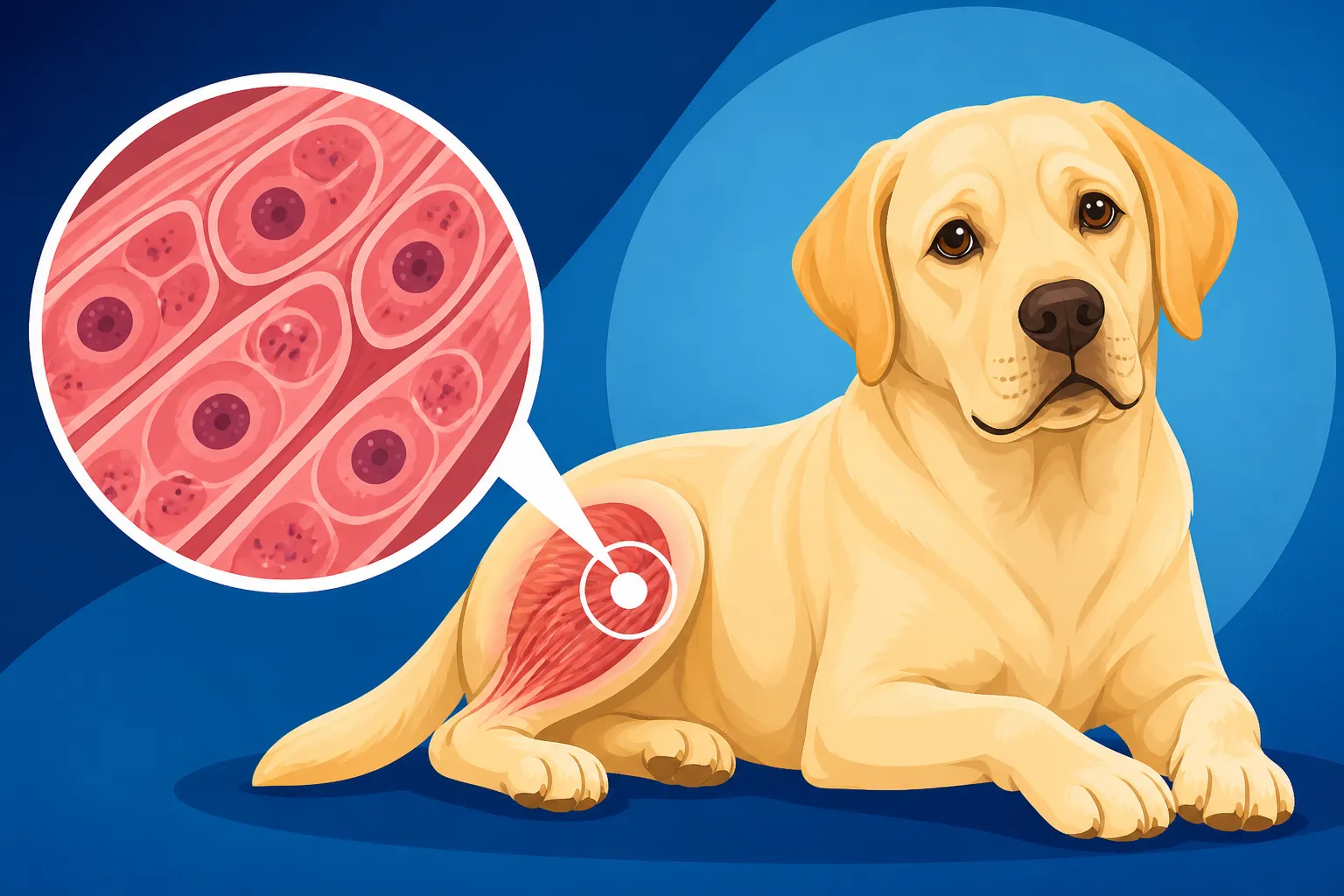
At its core, Centronuclear Myopathy is a hereditary neuromuscular disease caused by a specific mutation in the PTPLA gene, previously known as the MTM1 or DNM2 gene, but now more commonly linked to the PTPLA gene in Labradors. This gene plays a critical role in the development and maintenance of muscle tissue. When this gene is mutated, the muscle fibers don't develop correctly. Instead of their nuclei being at the periphery (edges) of the cell, they are abnormally located in the center, leading to muscle weakness and atrophy (wasting). It's an autosomal recessive trait, which means a puppy must inherit two copies of the mutated gene – one from each parent – to be affected. If a dog inherits only one copy, they are a "carrier" and won't show symptoms themselves but can pass the gene on to their offspring.
Imagine muscle fibers as tiny, intricate ropes that make up a dog's strength and movement. In a Labrador with CNM, these ropes aren't quite right. They might be thinner, weaker, or just not function with the full power and coordination they should. This isn't a painful condition in itself, which can sometimes make it harder for owners to pinpoint. Instead, it manifests as a lack of strength and stamina, which can be particularly frustrating for a breed known for its boundless energy and athleticism. It's a condition rooted deep in their genetic makeup, which is why responsible breeding practices are so incredibly vital to preventing its spread.
How CNM Differs from Other Neuromuscular Conditions
When a Labrador puppy starts showing signs of weakness or an awkward gait, a myriad of possibilities might race through a pet parent's mind. Conditions like Exercise-Induced Collapse in Labrador Retrievers (EIC) or even early signs of Labrador Hip and Elbow Dysplasia can sometimes present with similar symptoms of lameness or difficulty moving. However, CNM has distinct characteristics that set it apart.
EIC, for example, typically involves episodes of collapse after intense exercise, with dogs often recovering within minutes. CNM, on the other hand, presents as a more persistent, generalized weakness that usually begins in puppyhood and doesn't resolve spontaneously. While EIC is a sudden, dramatic event, CNM is a more insidious, chronic issue. Similarly, hip and elbow dysplasia are structural problems affecting the joints, leading to pain and lameness, often worsening with age or activity. CNM is primarily a muscle issue, leading to muscle weakness and atrophy, and is typically non-painful. The weakness is more generalized and symmetrical, affecting both sides of the body relatively equally, rather than being localized to a specific joint or limb. This distinction is crucial for veterinarians when making a diagnosis, which often leads them to recommend specific genetic testing once other more common issues are ruled out.
Recognizing the Signs and Symptoms of CNM
Observing your Labrador puppy's development closely is key, especially when dealing with a genetic condition like CNM that manifests early. The signs can be subtle at first, easily mistaken for normal puppy clumsiness or a particularly lazy day. However, understanding what to look for can help you identify potential issues and seek veterinary advice promptly.
Early Onset Signs in Labrador Puppies
The typical onset of CNM symptoms in Labrador Retrievers is usually between 3 to 6 months of age, though some subtle signs might be present even earlier. One of the most common early indicators is a generalized weakness, particularly in the hind limbs. You might notice your puppy struggling to stand up after lying down, or they might adopt an unusual posture, like sitting "frog-legged" with their hind legs splayed out. Their gait can appear uncoordinated or wobbly, sometimes described as a "bunny hop" when they run, where both hind legs move together. They might seem to tire quickly during play, lagging behind littermates or other dogs.
Beyond just weakness, muscle atrophy becomes apparent as the condition progresses. You might notice that your puppy's muscles, particularly over the shoulders and hindquarters, seem less developed than expected for their age, or even appear to be shrinking. They might have a peculiar "high-stepping" or "mincing" gait, especially with their front legs, as they try to compensate for the overall weakness. Some affected puppies also experience difficulties with eating and drinking due to weakness in their jaw muscles, leading to inefficient chewing and swallowing, which can sometimes result in choking or aspiration if not carefully managed. It's a heart-wrenching sight, seeing a young pup, who should be all exuberance and power, struggling with basic movements. These early observations are vital clues for your vet. This period of Labrador Puppy Health in the First Year is critical for monitoring their development.
Progression of Symptoms into Adulthood
One of the unique aspects of CNM in Labradors is that while it appears in puppyhood, the condition typically stabilizes after about 6 to 12 months of age. This means that while the symptoms don't usually worsen dramatically in adulthood, the muscle weakness and atrophy that developed during the puppy phase will persist. An adult Labrador with CNM will likely always have reduced muscle mass and strength compared to an unaffected Labrador. They might appear thinner, even if they're eating well, due to the lack of muscle bulk.
Their activity tolerance will remain lower, meaning they won't be able to keep up with the intense, sustained exercise that healthy Labradors thrive on. Long walks, strenuous hikes, or extended sessions of fetching might be too much for them. Instead, they’ll need shorter, more frequent bursts of activity. While the condition isn't painful, the ongoing weakness can lead to secondary issues such as joint strain or early arthritis if not properly managed, even though the muscles themselves are not the source of pain. Adapting to these physical limitations becomes a lifelong commitment for both the dog and their owner. It’s about accepting that their zest for life might manifest in different ways, focusing on mental stimulation and gentle physical engagement rather than athletic feats.
Diagnosing Centronuclear Myopathy in Labradors
Receiving a diagnosis for a genetic condition can be daunting, but with CNM, clarity often comes from a straightforward genetic test. This definitive approach not only confirms the presence of the disease but also plays a crucial role in preventing its spread in the Labrador population.
The Role of Genetic Testing
The most reliable and definitive way to diagnose Centronuclear Myopathy in Labradors is through a simple DNA test. This test looks specifically for the mutation in the PTPLA gene that is responsible for the condition. It's a non-invasive procedure, usually requiring just a cheek swab or a small blood sample. The results typically classify a dog into one of three categories:
- Clear: The dog does not have the mutation and cannot pass it on to offspring.
- Carrier: The dog has one copy of the mutated gene. They will not develop CNM themselves but can pass the gene to 50% of their offspring.
- Affected: The dog has two copies of the mutated gene (one from each parent) and will develop CNM.
Genetic testing is incredibly powerful because it can identify affected puppies even before symptoms fully manifest, and it can identify carriers who appear completely healthy. This is why Genetic Panels Worth Running on a Labrador are so important for breeders. A responsible breeder will always screen their breeding dogs for CNM, among other conditions, to ensure they are not inadvertently producing affected puppies. If both parents are carriers, there's a 25% chance their offspring will be affected, a 50% chance they'll be carriers, and a 25% chance they'll be clear. This knowledge is invaluable for making informed breeding decisions and preventing the heartbreak of a puppy born with CNM. If you suspect your Labrador may have CNM, asking your vet about Testing Labrador Puppies for CNM is the fastest route to an accurate diagnosis.
Veterinary Examination and Supportive Diagnostics
While genetic testing provides the definitive answer, a thorough veterinary examination is the initial and crucial step in investigating any signs of weakness or abnormal gait. Your veterinarian will perform a comprehensive physical and neurological exam, observing your Labrador’s posture, gait, muscle mass, and reflexes. They will look for hallmark signs such as symmetrical muscle atrophy, especially in the temporal muscles (on the sides of the head) and the hindquarters, as well as an abnormal stance or difficulty rising. They might also notice a decreased proprioception (awareness of limb position) and reduced tendon reflexes.
To rule out other potential conditions that mimic CNM, your vet might recommend additional diagnostic tests. These could include routine blood work to check for metabolic disorders, X-rays to assess bone and joint health (especially important given how joint issues like Labrador Hip and Elbow Dysplasia can present), or even more specialized tests like electromyography (EMG) or a muscle biopsy. An EMG measures the electrical activity of muscles, which can reveal abnormalities in muscle function, while a muscle biopsy involves taking a small sample of muscle tissue for microscopic examination. These supportive diagnostics help paint a complete picture, ruling out other conditions and reinforcing the need for the specific genetic test for CNM. While these tests can add to the diagnostic costs, having a good pet insurance plan like those offered by Healthy Paws can certainly alleviate some financial stress during this investigative phase.
Living With a Labrador Affected by CNM
Discovering that your Labrador has CNM can feel overwhelming, but it's important to remember that many affected dogs can still lead fulfilling lives with proper management and care. There's no cure for CNM, but the focus shifts to maximizing their comfort, mobility, and overall quality of life.
Management and Supportive Care
The cornerstone of managing CNM in Labradors is supportive care tailored to their individual needs. Since the condition typically stabilizes after puppyhood, the goal is to manage the residual weakness and prevent secondary complications. Physical therapy can be incredibly beneficial, focusing on gentle exercises to maintain muscle tone, improve balance, and enhance coordination without overexertion. This might include controlled leash walks, hydrotherapy (swimming in a controlled environment), or specific stretching and range-of-motion exercises prescribed by a veterinary physical therapist. These therapeutic interventions are designed to keep muscles as strong as possible and joints supple.
Environmental modifications at home can also make a significant difference. Non-slip rugs or runners on slick floors can help prevent falls and build confidence. Ramps can assist with getting onto furniture or into vehicles, reducing strain on weakened limbs. For dogs with difficulty eating, elevated food and water bowls can make meal times easier and safer, minimizing the risk of choking. It’s all about creating an environment that supports their mobility and comfort, allowing them to navigate their world with as much ease as possible. Being proactive and adaptable is key to helping your CNM-affected Labrador thrive.
Exercise and Activity Modifications
For a breed renowned for its boundless energy and love of activity, modifying exercise for a CNM-affected Labrador is paramount. High-impact or prolonged strenuous exercise is generally not recommended, as it can lead to excessive fatigue and potentially exacerbate muscle weakness or cause injury. Instead, the focus should be on short, frequent, low-impact activities that promote muscle health without overtaxing their system. Think gentle, controlled leash walks rather than long, off-leash runs. Swimming can be an excellent option for some CNM dogs, as it provides a full-body workout with minimal impact on joints, but always under strict supervision and with a doggy life vest.
It's also crucial to pay attention to environmental factors. Overheating can be a concern for any Labrador, but particularly for those with underlying health conditions, so avoiding exercise during the hottest parts of the day is vital. Mental stimulation is just as important as physical activity for an intelligent breed like the Labrador. Puzzle toys, scent games, and short, engaging training sessions can keep their minds sharp and happy, even if their bodies can't perform demanding tasks. While they might not be chasing Labrador Obedience and Field Titles, they can certainly excel in calmer activities. Learning to read your dog’s cues for fatigue is critical; when they show signs of tiring, it’s time to rest.
Nutritional Support and Weight Management
Nutrition plays a vital role in supporting the overall health of a Labrador with CNM. While there isn't a specific "CNM diet," maintaining an ideal Labrador Body Condition Scoring is absolutely crucial. Because of their reduced activity levels, Labradors with CNM can be prone to weight gain, which would put additional strain on their already weakened muscles and joints. A high-quality, balanced diet appropriate for their age and activity level is essential. Your veterinarian can help you determine the appropriate caloric intake and recommend a reputable dog food brand.
Some owners explore supplements, though it's important to discuss any additions with your vet. Joint supplements containing glucosamine and chondroitin might offer some support if joint wear becomes a concern, and omega-3 fatty acids can support overall health. However, expectations for supplements should be realistic, as they cannot cure or significantly reverse the muscle atrophy of CNM. The priority remains providing a diet rich in essential nutrients to support existing muscle health and energy levels, while meticulously monitoring portion sizes to prevent obesity. For instance, using a slow feeder bowl can help manage their notoriously food-driven nature while ensuring they don't overeat. Remember, a lean body is a less stressed body for a dog facing physical challenges.
Preventing Centronuclear Myopathy in Future Generations
The most powerful tool we have against genetic diseases like CNM is prevention. For Labrador Retrievers, this means a dedicated commitment from breeders to understand and utilize genetic testing to make informed decisions that safeguard the health of the breed.
Responsible Breeding Practices
Responsible breeding is the cornerstone of preventing CNM in future Labrador generations. Since CNM is an autosomal recessive condition, it means that a puppy only becomes affected if they inherit a copy of the mutated gene from both parents. A dog that is a "carrier" has one copy of the gene but does not show symptoms. The problem arises when two carriers are bred together; in such a pairing, there's a 25% chance of producing affected puppies, a 50% chance of producing carriers, and a 25% chance of producing clear puppies.
This is precisely why every Labrador intended for breeding should undergo genetic testing for CNM. Breeders should meticulously screen their breeding stock and never breed two carriers together. Ideally, breeding pairs should consist of at least one "clear" dog to ensure no affected puppies are produced. While breeding a clear dog to a carrier might still produce carrier offspring, it ensures no puppies will suffer from the disease. This practice helps to reduce the incidence of the mutated gene in the gene pool over time, thereby protecting the breed. It’s a commitment to the long-term health and well-being of Labradors, showing a deep respect for the breed and the families who will welcome these puppies into their homes.
The Importance of Health Clearances
While CNM genetic testing is specific and crucial, it's just one piece of a larger puzzle when it comes to responsible breeding. Health Clearances a Labrador Breeder Must Show encompass a range of tests and evaluations designed to screen for other common hereditary conditions in the breed. These typically include clearances for hip and elbow dysplasia, eye conditions (such as Progressive Retinal Atrophy), and cardiac health. Some breeders also test for other genetic conditions like EIC (Exercise-Induced Collapse) or Retinal Dysplasia, depending on the lines.
A truly ethical and reputable breeder will openly share the results of these health clearances for both parent dogs, often providing certificates from organizations like the Orthopedic Foundation for Animals (OFA) or PennHIP for hips and elbows, and certifications from veterinary ophthalmologists for eye health. These clearances provide prospective puppy owners with confidence that their future companion has the best possible genetic start in life, reducing the likelihood of debilitating and costly health issues down the line. Investing in a puppy from parents with comprehensive health clearances, including CNM testing, is the best way to ensure you're bringing home a robust and healthy Labrador. It’s about building a foundation of health and longevity for every single Labrador puppy that comes into the world.
Disclaimer
The information provided in this article is intended for general informational purposes only and does not constitute veterinary advice. Always consult with a qualified veterinarian for any health concerns or before making any decisions related to your pet's health and treatment.