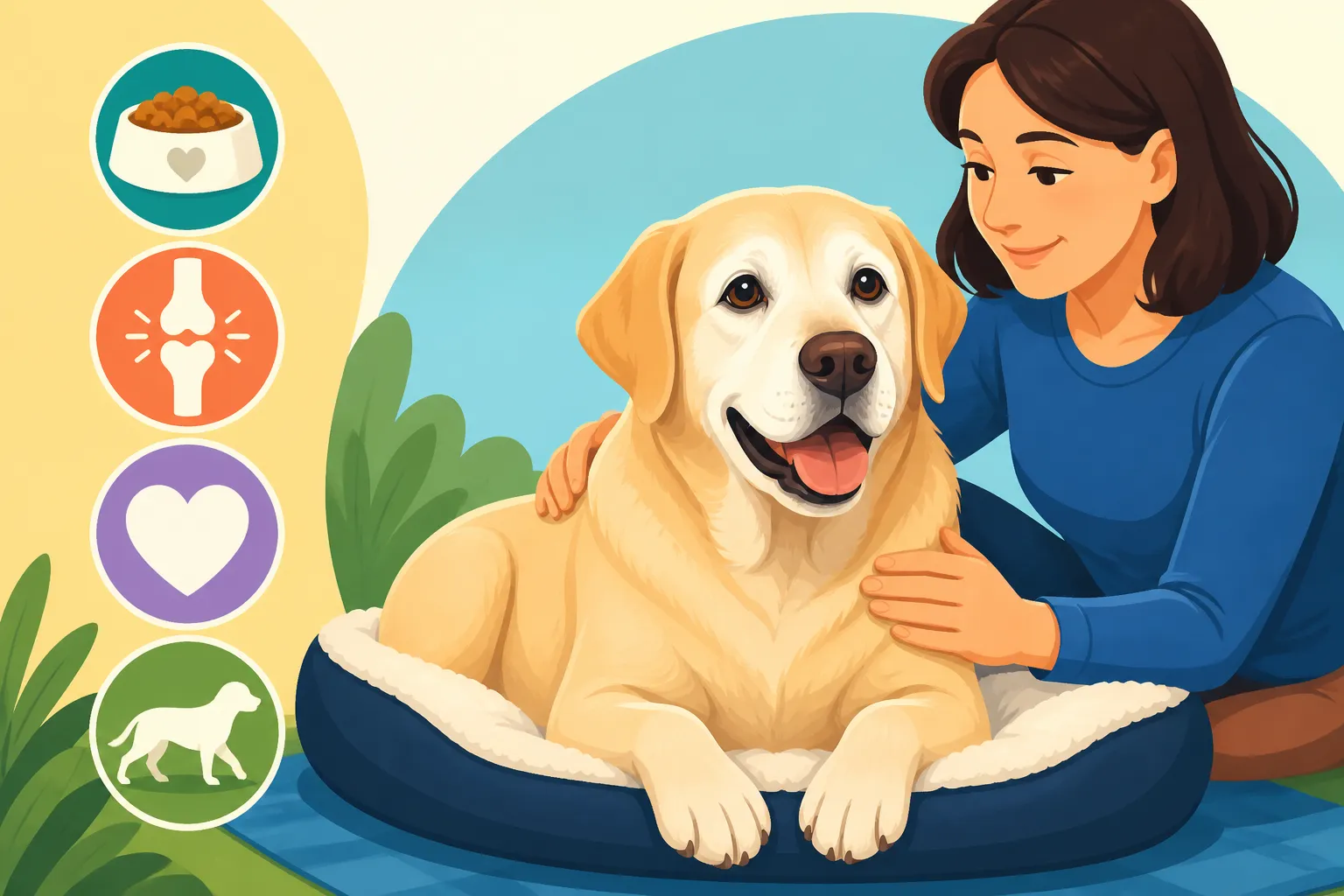
Caring for a Senior Labrador
Watching your vibrant, energetic Labrador start to slow down can be one of the hardest parts of dog ownership. One day they're bouncing around like a puppy, and the next you notice a little stiffness, a bit more sleeping, or a slight reluctance to jump into the car. It’s a bittersweet transition, and figuring out how to best support your aging companion through their golden years can feel overwhelming. This guide is here to walk you through every aspect of caring for a senior Labrador, from recognizing the subtle signs of aging to adapting their diet, exercise, and environment, ensuring they remain comfortable, happy, and loved.
Recognizing the Signs of Aging in Your Labrador
It's easy to wish our Labradors would stay puppies forever, but just like us, they gracefully (or sometimes less gracefully) enter their senior years. For a Labrador, this usually begins around 7 to 8 years of age, though some might show signs earlier or later. The key is to be observant and recognize the subtle shifts, not just the obvious ones. Catching these early can make a huge difference in their quality of life.
Subtle Behavioral Shifts
You know your Labrador better than anyone, so pay close attention to changes in their daily routine and personality. It’s not just about them moving slower; their cognitive function and emotional state can also shift. Perhaps they're not greeting you at the door with the same frantic enthusiasm, or they might seem a bit more withdrawn. Some senior Labradors might even start to seem a little disoriented at times, maybe staring at walls or getting "stuck" in corners, which can be heartbreaking to witness. Their sleep patterns can also change, with more napping during the day but potentially restless nights. They might also become less tolerant of boisterous young dogs or small children, preferring peace and quiet over rough-and-tumble play. This isn’t them being grumpy; it’s often a sign they’re uncomfortable or easily overstimulated.
Another common behavioral change is a decrease in their enthusiasm for activities they once adored. The Labrador who lived for fetch might now stop after just a couple of throws, or the one who always splashed in puddles might hesitate before getting their paws wet. They might also become less interested in training sessions, even with high-value treats, or show reduced engagement with puzzle toys. These subtle shifts are often the first indicators that their energy levels are naturally waning and that their bodies might not be as eager to perform as their minds once were. It’s crucial not to dismiss these as simple stubbornness, but rather as calls for a more understanding and adapted approach to their daily life.
Physical Changes and Mobility Issues
The physical toll of aging often manifests most clearly in their mobility. Stiffness after naps, difficulty getting up from a lying position, or a slight limp that wasn't there before are classic signs of conditions like Labrador Arthritis in Middle Age This can make simple acts, like climbing stairs or jumping onto the couch, much harder or even impossible. You might notice them walking with a more rigid gait, or their powerful "otter tail" might not wag with the same vigor. Some Labradors might even start dragging their back paws slightly, wearing down the tops of their nails, which is a clear indicator of neurological or joint discomfort. It’s important to watch for these small struggles, as they often signal underlying pain that needs attention.
Beyond mobility, other physical changes can emerge. Their once glossy coat might become duller, or you might notice more gray hairs, especially around their muzzle and eyes. Weight changes are also common; some Labradors might become thinner as muscle mass declines, while others, particularly those with a genetic predisposition to overeating, might gain weight more easily due to reduced activity. You might also feel new lumps and bumps on their body during petting, which, while often benign lipomas, should always be checked by a vet. Their eyes might develop a bluish haze, a condition known as lenticular sclerosis, which is a normal part of aging but can be confused with cataracts. These changes, both visible and palpable, all point to the passage of time and the need for more specialized care.
Changes in Appetite and Thirst
A Labrador's appetite is usually legendary, so any significant change in their eating habits is a huge red flag. While a slight decrease might be normal as their metabolism slows, a sudden loss of interest in food, or even refusal to eat, warrants immediate veterinary attention. It could be a sign of dental pain, an upset stomach, or something more serious. Conversely, some senior Labradors, particularly those with conditions that affect metabolism or those prone to weight gain, might seem even more ravenous, constantly searching for food. This insatiable hunger can be tricky, especially if you're trying to manage their weight.
Changes in thirst are equally important. You might notice your senior Labrador drinking significantly more water than usual, which could be a symptom of kidney disease, diabetes, or other underlying health issues. On the other hand, if they are drinking less, they could be experiencing joint pain that makes it difficult to get to their water bowl, or they might be feeling generally unwell. Monitoring their water intake is a simple but vital part of senior care. An easy way to track this is to know how much water their bowl holds and roughly how many times you refill it in a day. Even small deviations from their norm can provide crucial clues about their health.
Adjusting Their Diet and Nutrition for Senior Years
As our Labradors age, their nutritional needs shift considerably. What worked perfectly for their youthful, high-energy selves might now be contributing to weight gain, joint issues, or other health problems. It's a critical time to re-evaluate their diet and make thoughtful adjustments to support their changing bodies.
Senior-Specific Food Choices
The market is flooded with dog foods, and "senior" formulas are widely available for a reason. These diets are typically formulated with lower calorie counts to prevent Why Labradors Gain Weight So Easily, which can exacerbate joint problems. They also often contain higher levels of fiber to aid digestion and maintain gut health, which can become sluggish in older dogs. Furthermore, senior foods usually boast enhanced levels of joint-supporting nutrients like glucosamine and chondroitin, which are vital for cushioning aging joints and reducing inflammation.
When choosing a senior food, look for high-quality protein sources to help maintain muscle mass, as muscle wasting (sarcopenia) is common in older dogs. Ingredients that support cognitive function, such as Omega-3 fatty acids (DHA and EPA), antioxidants, and medium-chain triglycerides, are also beneficial. Brands like Purina Pro Plan, Royal Canin, and Hill's Science Diet offer excellent senior formulations specifically designed for large breeds like Labradors. Always introduce new food gradually over 7-10 days to avoid digestive upset, mixing increasing amounts of the new food with decreasing amounts of the old. Your veterinarian can offer personalized recommendations based on your Labrador's specific health profile and existing conditions.
Managing Weight in Older Labradors
One of the biggest challenges with senior Labradors is keeping them at a healthy weight. Their metabolism slows down, and their activity levels naturally decrease, yet their ingrained love of food often remains as strong as ever. Excessive weight puts immense strain on their already compromised joints, exacerbating conditions like Labrador Hip and Elbow Dysplasia and making movement even more painful. It also increases their risk for diabetes, heart disease, and certain cancers. Portion control becomes absolutely paramount.
It's tempting to "free feed" a dog, allowing them to graze throughout the day, but with a senior Labrador, this is almost always a recipe for weight gain. Instead, measure out their food precisely and feed them two smaller meals a day. If you’re struggling to reduce calories without making them feel deprived, consider incorporating low-calorie, high-fiber additions like green beans or carrots into their meals. Regular weigh-ins at home, or during vet visits, are essential for tracking progress. Aim for a body condition score where you can easily feel, but not see, their ribs, and they have a visible waist when viewed from above. Remember, a lean Labrador is a more comfortable Labrador, and research even suggests that keeping a dog lean can extend their Labrador Lifespan and What Changes It.
Hydration and Supplementation
Proper hydration is critical for senior Labradors, as they can be more prone to kidney issues and dehydration, especially if they have limited mobility. Always ensure fresh, clean water is available in multiple locations, particularly if your dog has trouble moving around. Consider adding water to their dry kibble to increase intake, or even offering them a dog-specific broth. Water fountains can also entice some dogs to drink more, as they prefer circulating water.
When it comes to supplements, joint support is often top of the list for aging Labs. Glucosamine and chondroitin, MSM, and Omega-3 fatty acids (like fish oil) can help reduce inflammation and support cartilage health. However, never start any supplements without first consulting your veterinarian. They can advise on appropriate dosages, potential interactions with medications, and recommend reputable brands. For example, some fish oil supplements might be high in mercury if not sourced carefully. Other supplements, such as probiotics for digestive health or antioxidants for cognitive function, might also be beneficial depending on your individual Labrador's needs.
Here's a quick look at common senior Labrador dietary adjustments:
| Dietary Component | Young Adult Labrador Needs | Senior Labrador Needs | Rationale |
|---|---|---|---|
| Calories | Higher (for energy & growth) | Lower (reduced metabolism & activity) | Prevents obesity, reduces joint strain |
| Protein | High (muscle development) | Moderate to High (muscle maintenance) | Prevents sarcopenia (muscle loss) |
| Fiber | Moderate | Higher | Aids digestion, promotes satiety, gut health |
| Fat | Moderate to High (energy) | Lower to Moderate | Reduces calorie density, supports heart health |
| Glucosamine/Chondroitin | Usually lower | Higher (often supplemented) | Supports joint health, reduces inflammation |
| Omega-3 Fatty Acids | Beneficial | Increased (often supplemented) | Anti-inflammatory, cognitive & coat health |
| Water Intake | Ample | Critical, often needs encouragement | Kidney function, overall hydration, constipation |
Tailoring Exercise and Activity Levels
The notion that an old dog doesn't need exercise is a misconception that can actually be detrimental. While a senior Labrador certainly can't keep up with the intense demands of their younger selves, appropriate, modified exercise is crucial for maintaining muscle mass, joint flexibility, and mental well-being. It’s about quality over quantity, and listening closely to your dog’s cues.
Gentle Exercise Routines
For a senior Labrador, "exercise" often means shorter, more frequent walks at a comfortable pace. Instead of one long, strenuous hike, consider two or three leisurely strolls around the block. Focus on flat, even surfaces to minimize strain on their joints. Soft ground, like grass or dirt trails, is often much kinder to their paws and joints than hard pavement. Swimming, if accessible and enjoyed, is an excellent low-impact exercise that allows them to use their muscles without bearing weight, making it ideal for dogs with arthritis or hip issues. Just be sure the water isn't too cold and they have easy entry and exit points. Even a short 10-15 minute swim can provide significant physical benefits without overdoing it.
It's vital to observe your Labrador during and after exercise. Are they showing signs of discomfort or excessive fatigue? A slight limp after a walk is a clear sign you’ve pushed them too far. Learn to recognize Reading Pain in a Stoic Labrador, as they are masters at hiding discomfort. Don't be afraid to cut a walk short if they seem tired, and always bring water, especially on warmer days. Remember, the goal is to keep them moving comfortably, not to break any speed records or endurance limits. Consistency with gentle exercise is far more valuable than sporadic bursts of intense activity.
Mental Stimulation for Aging Minds
Just as physical exercise needs to be adjusted, so does mental stimulation. An aging Labrador’s mind still needs to be engaged to prevent cognitive decline and keep them happy. Puzzle toys that dispense treats, slow-feeder bowls that make them work for their meal, or even simple scent games can be incredibly enriching. Hide treats around the house and let their impressive nose do the work – it's low-impact but highly engaging.
Revisiting basic obedience commands with high-value treats can also be a wonderful form of mental exercise. It reinforces their training, strengthens your bond, and gives them a sense of purpose. Keep sessions short, positive, and free from pressure. Even teaching a new, simple trick can give their brain a good workout. Think about how much they still love to carry things; asking them to fetch a specific toy or bringing you the mail (if you’ve trained it) can be a rewarding mental task. Keeping their minds sharp can help delay the onset of cognitive dysfunction syndrome, which is akin to dementia in humans.
When to Scale Back or Stop
Knowing when to scale back or stop certain activities entirely is a difficult but necessary part of caring for a senior Labrador. There will come a point where the risks of injury or discomfort outweigh the benefits of a particular activity. For example, if your Labrador is struggling to get traction on slippery floors, or if they are having trouble When a Labrador Stops Climbing the Stairs, it's time to stop letting them attempt them unassisted or find alternative routes. Activities involving jumping, twisting, or rapid changes in direction, such as agility or frisbee, should be phased out as mobility declines.
If you notice increased panting, lagging behind, reluctance to participate, or significant stiffness the day after an activity, these are clear signals that it’s time to reduce intensity or duration. Some days they might feel better than others, so it's important to be flexible and adjust based on their daily condition. Prioritizing their comfort and preventing pain should always be the guiding principle. It's not about giving up, but rather adapting to their needs and finding new ways to enjoy time together that respect their aging body.
Addressing Common Health Concerns in Senior Labradors
As Labradors enter their golden years, they become more susceptible to a range of health conditions. Early detection and proactive management are absolutely crucial for maintaining their quality of life. This section will delve into some of the most common ailments you might encounter.
Arthritis and Joint Pain Management
Arthritis, or osteoarthritis, is perhaps the most pervasive health issue for senior Labradors, especially given their predisposition to conditions like hip and elbow dysplasia. It's a progressive and painful condition where the cartilage in their joints wears down, leading to bone-on-bone friction, inflammation, and stiffness. Recognizing the subtle signs of pain, such as difficulty standing up, a reluctance to jump, or even just being a little more irritable when touched, is paramount. Often, the first signs are visible in the morning or after long naps.
Managing arthritis requires a multi-faceted approach. Your veterinarian might recommend a combination of therapies. Non-steroidal anti-inflammatory drugs (NSAIDs) are commonly prescribed to reduce pain and inflammation. Other medications like gabapentin or amantadine might be used for neuropathic pain. Joint Supplements That Help a Labrador, such as glucosamine, chondroitin, and Omega-3 fatty acids, can help support joint health and reduce inflammation, though they work best as a preventative or in conjunction with other treatments. Physical therapy, including hydrotherapy (underwater treadmill), massage, and targeted exercises, can also significantly improve mobility and comfort. Weight management is also key; even a few extra pounds can put immense strain on aching joints. For some Labradors, acupuncture or cold laser therapy can provide additional relief.
Dental Care for Older Dogs
Dental disease is often overlooked but can have a profound impact on a senior Labrador's overall health and comfort. Over years, plaque and tartar build up on their teeth, leading to gingivitis (inflammation of the gums) and periodontitis (infection of the structures supporting the teeth). This can cause chronic pain, making eating difficult, and bacteria from the mouth can enter the bloodstream, affecting vital organs like the heart, kidneys, and liver. If you notice bad breath, red or bleeding gums, loose teeth, or a reluctance to chew hard food, it’s time for a vet visit.
Regular professional dental cleanings under anesthesia are the gold standard for treating dental disease. During these cleanings, the vet can scale away tartar, polish teeth, and extract any diseased teeth that are causing pain or infection. Between cleanings, a consistent home dental care routine is essential. This can include daily tooth brushing with dog-specific toothpaste, dental chews recommended by your vet, and additives to their drinking water. Ensuring good Labrador Dental Disease and Tartar is crucial, as avoiding dental care due to concerns about anesthesia risk for an older dog can often lead to more severe health problems down the line. Discuss the benefits and risks with your vet to make an informed decision.
Vision and Hearing Loss
Just like humans, Labradors can experience a decline in their sight and hearing as they age. Vision loss might manifest as bumping into furniture, hesitating in unfamiliar environments, or becoming more startled by sudden movements. Common age-related eye conditions include lenticular sclerosis (a normal bluish haze in the lens, usually not impacting vision significantly) and cataracts, which can obscure vision. Other issues like Progressive Retinal Atrophy (PRA) can also lead to blindness, and it’s one of the Labrador Eye Conditions and Vision Loss you should be aware of.
Hearing loss can be more subtle at first. You might notice your Labrador not responding to their name or commands as readily, or seeming to sleep through noises that used to rouse them. They might also bark more out of frustration or confusion. While these senses decline, their other senses, like smell, often remain strong. Adapting their environment by keeping furniture in consistent locations, using scent markers, and communicating with hand signals (for hearing loss) can help them navigate their world more confidently. Never approach a vision or hearing-impaired dog from behind without first making your presence known, as this can startle them.
Cognitive Dysfunction and Dementia
Cognitive Dysfunction Syndrome (CDS), often referred to as "doggy dementia," is a neurological disorder that affects older dogs, particularly those 8 years and older. It’s akin to Alzheimer’s disease in humans. Signs can include disorientation (getting lost in familiar places), changes in social interaction (less greeting, more irritability), altered sleep-wake cycles (pacing at night, sleeping more during the day), and changes in house training habits (accidents indoors). They might also show increased anxiety or a decrease in activity levels.
While there's no cure for CDS, it can be managed. Your vet might prescribe medications like selegiline, which can improve brain function. Dietary supplements containing antioxidants, Omega-3s, and medium-chain triglycerides have also shown promise in supporting cognitive health. Environmental enrichment, consistent routines, and gentle mental stimulation (as discussed earlier) are also vital. It’s important to be patient and understanding; these changes are not intentional but a result of their aging brain.
Cancer Awareness and Early Detection
Unfortunately, Labradors are among the breeds that have a higher incidence of certain cancers, and the risk significantly increases with age. Catching cancer early dramatically improves treatment outcomes and prognosis. Knowing the common types of Cancer in Labrador Retrievers can help you be vigilant. Common cancers include lymphoma, mast cell tumors, hemangiosarcoma, and osteosarcoma.
Be proactive in checking your senior Labrador regularly for any new lumps or bumps, changes in existing ones, or any unusual swelling. Don't assume all lumps are benign; always have them examined by your vet. Other warning signs include unexplained weight loss, loss of appetite, lethargy, persistent lameness, vomiting, diarrhea, or difficulty breathing. Regular veterinary check-ups for senior dogs should include thorough physical exams and, potentially, baseline bloodwork and urine tests to screen for early indicators of disease. Prompt action and a good relationship with your vet are your best tools in the fight against cancer.
Creating a Comfortable and Safe Home Environment
As your Labrador ages, their home environment needs to evolve with them. Small modifications can make a profound difference in their comfort, safety, and ability to navigate their world independently.
Mobility Aids and Accessibility
For Labradors struggling with arthritis or mobility issues, their home can become a maze of obstacles. Investing in mobility aids can significantly improve their daily life. Orthopedic dog beds are a must; they provide superior joint support and cushioning, making rest more comfortable. Look for beds with high-density foam or memory foam, and ensure they are easy for your dog to get in and out of.
Ramps or steps can be invaluable for accessing elevated surfaces they once jumped onto, like the couch, bed, or even the car. A good set of non-slip stairs or a ramp for your vehicle can save their joints and prevent falls. For slippery floors (hardwood, tile), consider laying down runners, yoga mats, or carpet sections to provide better traction, reducing the risk of slips and further injury. Toe grips or paw socks can also offer extra traction. In some cases, a supportive harness with a handle, like those from Help 'Em Up, can assist you in gently lifting and supporting their rear end when they need help standing or navigating stairs. These simple changes can restore a sense of independence and dignity to your aging friend.
Temperature Regulation and Comfort
Senior Labradors are often less able to regulate their body temperature, making them more sensitive to extremes of hot and cold. In warmer weather, ensure they have access to cool, shaded areas, plenty of fresh water, and avoid exercise during the hottest parts of the day. A cooling mat or a fan can provide much-needed relief. Never leave an older Labrador in a parked car, even for a few minutes, as temperatures can soar rapidly, leading to heatstroke.
During colder months, a senior Labrador, especially one with less muscle mass or arthritis, will feel the chill more intensely. Provide cozy, warm bedding away from drafts. Consider a dog sweater or jacket for outdoor excursions, particularly if their coat seems thinner. Heated dog beds or blankets, specifically designed for pets, can offer soothing warmth to aching joints, providing immense comfort during rest. Paying attention to these environmental factors ensures they are comfortable year-round.
Reducing Hazards for Vision-Impaired Dogs
If your Labrador is experiencing vision loss, making their home environment predictable and safe is crucial. The most important rule is to maintain consistency: avoid rearranging furniture. Your dog will have a mental map of your home, and moving things can cause anxiety and lead to bumps and falls. Keep pathways clear of clutter, and use baby gates to block off stairs or unsafe areas if needed.
For dogs with severe vision loss, consider placing scented markers (e.g., a drop of essential oil like lavender on a rug) near important locations like their food and water bowls, bed, or outdoor access point. Speaking to them frequently as you move around the house can also help them track your location and feel less startled. If they have some residual vision, ensure good lighting in your home, especially at night, or consider nightlights in hallways. Every effort to create a stable and predictable environment will boost their confidence and make their daily life less stressful.
Maintaining Regular Veterinary Care
As a Labrador enters their senior years, regular veterinary care becomes even more critical. These appointments transition from preventative care to a focus on early detection, management of chronic conditions, and enhancing comfort.
Frequency of Senior Vet Visits
While adult Labradors typically visit the vet once a year for their annual check-up, senior Labradors often benefit from more frequent visits, usually every six months. This increased frequency allows your veterinarian to monitor their health more closely, catch any developing issues early, and adjust medications or treatment plans as needed. Many conditions, such as kidney disease, diabetes, or cancer, can progress rapidly in older dogs, and a lot can change in a year.
During these visits, your vet will perform a comprehensive physical examination, assess their mobility, check their weight, and discuss any changes you've observed at home. These regular check-ups are also the perfect opportunity to discuss any new lumps, changes in appetite or thirst, or shifts in behavior. Being proactive with these visits can lead to earlier interventions, potentially extending your Labrador's healthy and comfortable years. Don't hesitate to contact your vet sooner if you notice any concerning changes between scheduled appointments.
Diagnostic Screenings and Preventative Care
Senior vet visits typically involve more than just a physical exam. Your vet will likely recommend a senior diagnostic panel, which often includes blood tests (complete blood count, chemistry panel) and a urinalysis. These tests can provide invaluable insights into the function of their internal organs, such as kidneys, liver, and pancreas, and can detect early signs of conditions like diabetes, thyroid disease, or anemia, even before clinical symptoms become apparent. Early detection allows for timely intervention, which can slow the progression of many diseases.
Preventative care remains important, even for senior dogs. This includes maintaining an appropriate Labrador Vaccination and Parasite Schedule, though some vets may adjust vaccine protocols based on your dog's lifestyle and risk factors. Continued heartworm, flea, and tick prevention are also crucial, as these parasites can be particularly debilitating for an older dog with a compromised immune system. Discuss with your vet which preventative measures are most appropriate for your senior Labrador's specific needs and health status.
Many Labrador owners worry about the financial implications of increased vet visits and potential treatments for senior health issues. This is where pet insurance can be a real lifesaver. Companies like Healthy Paws offer policies that can help cover unexpected illnesses and accidents, making it easier to afford the best possible care without compromising your financial stability. Having a plan in place means you can focus on your dog's well-being, rather than agonizing over vet bills.
Pain Management Strategies
One of the primary goals of senior Labrador care is to keep them as comfortable and pain-free as possible. Pain, especially from conditions like arthritis, can significantly reduce their quality of life. Your vet will work with you to develop an effective pain management strategy. This often starts with NSAIDs, which are very effective at reducing inflammation and pain. However, long-term use requires careful monitoring of kidney and liver function through regular blood tests.
Beyond NSAIDs, your vet might explore other options, including various pain medications, joint injections, or alternative therapies like acupuncture or cold laser therapy. It's not uncommon for senior Labradors to be on a combination of medications to address different types of pain. Open communication with your vet about your dog's pain levels is vital; describe any changes in their mobility, behavior, or appetite that might indicate increased discomfort. The goal is to find the right balance that keeps them comfortable, active, and enjoying their golden years without unnecessary suffering.
Emotional Support for Your Aging Labrador (and Yourself!)
Caring for a senior Labrador isn't just about managing physical ailments; it's also about providing emotional support for your beloved companion and taking care of your own well-being through this challenging journey.
Quality of Life Assessments
As your Labrador ages, there might come a point where you need to regularly assess their quality of life. This is a deeply personal and often agonizing process, but it’s a loving responsibility. Tools like the HHHHHMM scale (Hurt, Hunger, Hydration, Hygiene, Happiness, Mobility, More Good Days Than Bad) can provide a structured way to evaluate their well-being. Look for signs that your Labrador is still finding joy in their daily life: do they still wag their tail when you come home? Do they still enjoy a favorite treat? Are they interacting with the family?
It’s crucial to be honest with yourself and your veterinarian about what you observe. Your vet can provide an objective assessment of their physical condition and pain levels. Sometimes, adjusting medication or providing new mobility aids can dramatically improve their quality of life. In other cases, when pain can no longer be managed effectively, or they’ve lost interest in almost everything, difficult decisions may need to be considered. Remember, quality of life isn't just about being alive; it's about living without constant suffering. For guidance on navigating this difficult period, resources on Hospice Care for a Labrador at Home can be incredibly helpful.
The Bond and Saying Goodbye
The bond you share with your Labrador is profound, built over years of loyalty, companionship, and unconditional love. Watching that bond change as they age, and anticipating the inevitable, is one of the hardest parts of pet ownership. Allow yourself to grieve and seek support from friends, family, or pet loss support groups. It's okay to feel overwhelmed, sad, or even angry.
When the time comes to make the ultimate decision, remember that it's an act of profound love and selflessness. Choosing humane euthanasia to prevent further suffering is perhaps the greatest kindness you can offer your beloved friend. Discuss with your vet what to expect and consider options for in-home euthanasia if that would provide a more peaceful experience for your Labrador. Knowing Deciding When to Say Goodbye to a Labrador is never easy, but making a thoughtful, compassionate choice is a final gift of love. Give yourself permission to mourn, and cherish every memory you made together.
Supporting Other Pets in the Home
If you have other pets in the household, particularly other dogs, they too will be affected by the aging and eventual loss of your senior Labrador. Dogs often form strong bonds with their canine companions and can experience grief. You might notice changes in their behavior, such as increased searching for their friend, lethargy, loss of appetite, or anxiety.
Provide extra reassurance, affection, and attention to your remaining pets. Maintain their routines as much as possible, and encourage them to engage in activities they enjoy. Some dogs benefit from having a comfort item that belonged to their lost companion, like a blanket or toy, while others might need a new source of companionship. Be patient with them, just as you are with yourself, as they navigate their own grieving process.
Disclaimer
The information provided in this article is for educational purposes only and is not a substitute for professional veterinary advice. Always consult with a qualified veterinarian regarding any health concerns or before making any decisions about your Labrador's care, diet, or treatment.