Whether a Labrador DNA Test Is Worth It
It’s a common dilemma for Labrador owners, isn't it? We adore our Labs, we want the best for them, and sometimes we see all these fancy DNA tests advertised and wonder, "Is this just a gimmick, or could it actually help my furry family member?" The truth is, navigating the world of canine genetics can feel overwhelming, like trying to read a complicated scientific paper, but understanding whether a Labrador DNA test is worth it for your specific situation can truly empower you to be a more informed and proactive pet parent. This comprehensive guide will break down what these tests entail, their practical benefits, and what you should consider before taking the plunge.
What Exactly Do Labrador DNA Tests Cover?
When we talk about DNA tests for Labradors, we're not just looking for a fun novelty item to confirm your dog is, in fact, a Labrador (though they can do that too!). These tests delve into your dog's unique genetic code to uncover a wealth of information that can impact their health, understanding, and even how you manage their daily life. Think of it as a personalized genetic blueprint for your canine companion.
Genetic Health Screening
This is arguably the most significant aspect of modern canine DNA testing. Labradors, like all purebreds, are predisposed to certain inherited conditions due to their specific genetic lines. A DNA health screening can identify if your Labrador is a carrier for, or actually affected by, several genetic diseases. For example, conditions like Progressive Retinal Atrophy in Labradors, which can lead to blindness, or Exercise-Induced Collapse in Labrador Retrievers, a neurological disorder triggered by strenuous activity, are both detectable through genetic testing.
Understanding these predispositions is invaluable. If your dog is a carrier, they might not develop the disease themselves, but they could pass it on to offspring if bred (which is why Health Clearances a Labrador Breeder Must Show are so crucial). If they are affected, knowing this early means you and your veterinarian can put a proactive management plan in place. For instance, knowing your Lab is predisposed to Centronuclear Myopathy in Labradors can help you monitor for signs and adapt their exercise routine long before symptoms become severe. This isn't about predicting every possible ailment, but rather highlighting genetic risks that are well-understood and preventable with proper care.
Breed Purity and Ancestry Insights
While most Labrador owners are confident about their dog's breed, especially if they came from a reputable breeder, DNA tests can provide definitive proof of breed purity. For those who've adopted a Labrador from a rescue, or perhaps suspect their "Lab" might be a mix, these tests can offer fascinating insights into their ancestry. They can pinpoint the exact breeds that make up your dog's genetic cocktail, sometimes revealing unexpected heritage. This isn't just for curiosity's sake; understanding ancestry can sometimes shed light on certain behavioral quirks or physical traits that don't quite fit the typical Labrador mold, helping you connect the dots between genetics and individual personality.
Trait Identification and Nutritional Guidance
Beyond health and breed, DNA tests can also identify specific traits. Ever wonder why your yellow Lab has such a distinct shade, or why some Labs seem to shed more intensely than others? Genetic trait panels can offer answers. They can determine coat color genetics, provide insight into potential shedding patterns (though all Labs shed, you might uncover reasons for extreme fluctuations), and even offer clues about physical characteristics.
Perhaps most practically, some tests can identify the presence of the POMC gene and Labrador appetite, a genetic deletion that's strongly linked to increased appetite and a higher risk of obesity in Labradors. Knowing if your Lab carries this particular gene can be incredibly helpful for managing their diet. If you discover your Lab has this deletion, it reinforces the need for strict portion control and a watchful eye on their weight to prevent Labrador Obesity and the Years It Costs. It offers a scientific reason behind their insatiable hunger, moving beyond simply thinking they are "greedy" and instead providing a framework for nutritional intervention.
The Real-World Benefits for Your Labrador and Your Peace of Mind
Investing in a DNA test for your Labrador isn't just about getting a fancy report; it translates into tangible benefits that can profoundly impact their quality of life and your relationship with them. It’s about moving from reactive care to proactive partnership with your veterinarian.
Proactive Health Management
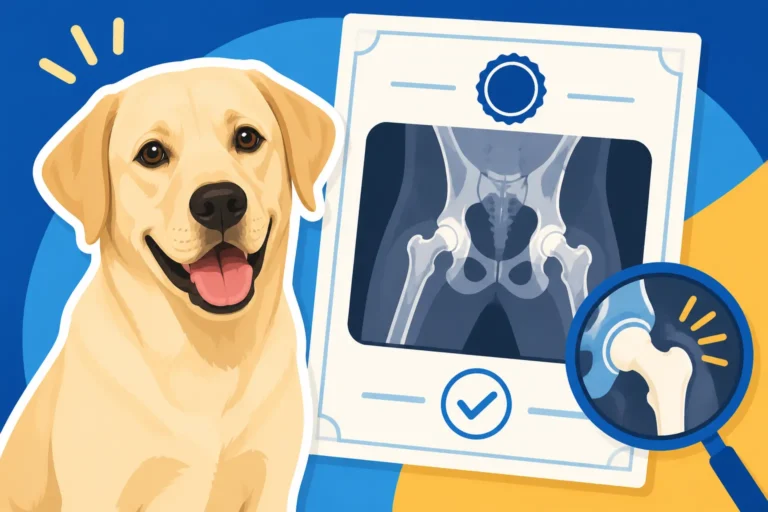
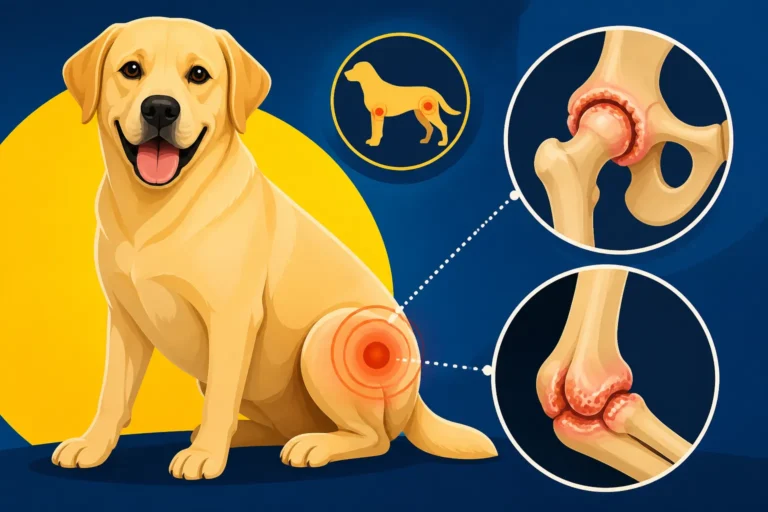
Imagine knowing your Labrador has a genetic predisposition to a condition before any symptoms even appear. That's the power of proactive health management. For instance, if a test reveals a risk for Labrador Hip and Elbow Dysplasia, you and your vet can discuss early intervention strategies. This might include specific joint supplements, ensuring appropriate exercise that doesn't overstress joints, maintaining an ideal weight, and monitoring for subtle signs of discomfort. This early awareness can significantly delay the onset or reduce the severity of symptoms, potentially saving your dog from unnecessary pain later in life.
Similarly, if your Labrador tests positive for the genetic mutation behind Exercise-Induced Collapse, you can adjust their exercise regimen, avoiding high-intensity activities in hot weather or prolonged bursts of excitement, thus preventing episodes. This kind of knowledge helps you tailor their care to their unique genetic makeup, rather than a one-size-fits-all approach. For breeding dogs, genetic screening is absolutely critical to prevent passing on devastating diseases to future generations, making it a cornerstone of responsible breeding practices.
Understanding Behavior and Temperament
While genetics don't dictate every aspect of a dog's personality, they do lay a foundation. Knowing your dog's breed mix (if applicable) or certain genetic markers can sometimes provide clues to their behavior. For example, if a DNA test reveals a strong percentage of a breed known for high energy, it can help explain why your "Lab" never seems to tire, even after a long walk. It empowers you to seek out appropriate outlets for their energy, such as advanced training, dog sports, or more rigorous daily exercise, rather than becoming frustrated by what seems like endless exuberance.
For purebred Labs, understanding common genetic predispositions, like the intense food drive associated with the POMC gene, can also help you develop more effective training and management strategies. When you know why your Labrador is constantly scavenging for crumbs or attempting to counter surf, you can implement stronger boundaries and environmental management with more empathy and success.
Financial Planning and Veterinary Preparedness
Let's be realistic: veterinary care can be incredibly expensive. Unexpected surgeries or long-term management of chronic conditions can quickly deplete savings. Knowing your Labrador's genetic predispositions can help you financially prepare. If a test indicates a higher risk for certain conditions, you might choose to adjust your pet insurance coverage or start a dedicated savings fund. Companies like Healthy Paws offer comprehensive pet insurance plans that can help buffer the cost of unexpected illnesses and accidents, and being aware of potential genetic risks could influence your policy choices, although it's important to remember that pre-existing conditions are typically not covered.
This foresight allows you to have more informed discussions with your veterinarian about potential future health needs. Instead of being blindsided by a diagnosis, you can ask targeted questions about preventative measures, early diagnostic tests, and long-term care plans, integrating this knowledge into your overall Annual Cost of Keeping a Labrador Retriever budget.
Common Concerns and Limitations of Labrador DNA Testing
While the benefits are significant, it's equally important to approach Labrador DNA testing with a clear understanding of its limitations. It's not a magical solution for every problem, and results need to be interpreted thoughtfully.
Not a Crystal Ball for All Health Issues
A DNA test can identify genetic predispositions to certain diseases, but it cannot predict every single health problem your Labrador might encounter. Your dog could still develop Cancer in Labrador Retrievers, suffer an injury, contract an infection, or develop environmental allergies, none of which are typically detected by standard DNA panels. For example, while some genes are linked to increased cancer risk, a DNA test won't tell you if your dog will get cancer, or if they will experience Labrador Bloat Risk and Deep Chests, a life-threatening emergency primarily linked to physical conformation and environmental factors.
It's crucial not to fall into a false sense of security if your Labrador's DNA test comes back largely clear of common genetic diseases. Regular veterinary check-ups, a healthy lifestyle, and attentive observation remain paramount for your dog's overall well-being. A DNA test is one tool in the toolbox, not the entire toolbox itself.
Interpreting Results and Breeder Responsibility
The raw data from a DNA test can be complex. While most reputable testing companies provide user-friendly reports, understanding the nuances of "carrier," "at-risk," and "affected" statuses, especially for complex polygenic traits, often requires a conversation with your veterinarian. This is particularly true if you're a breeder, as understanding how to use these results responsibly to improve the breed's health is critical. Responsible Genetic Panels Worth Running on a Labrador are standard practice for ethical breeders, so they should already be testing their breeding stock.
The accuracy of results also depends on the quality of the lab and the size of its genetic database. While major companies are generally reliable, cheaper, less established services might offer less comprehensive or accurate information. It's also worth noting that science evolves; new genetic markers are discovered, and our understanding of existing ones deepens. What's considered definitive today might be refined tomorrow.
Cost Versus Value Proposition
Let's face it, these tests aren't free. Prices can range from under $100 for basic breed identification to several hundred dollars for comprehensive health panels that include dozens of genetic markers. For some owners, particularly those on a tight budget, this expense can be a significant hurdle.
Is the value always worth the cost? It depends on your individual circumstances. If you have a rescue dog with an unknown background and mysterious health issues, a DNA test could provide crucial answers that unlock appropriate treatment. If you have a purebred Labrador from a reputable breeder who already provided extensive health clearances for the parents, the added value might be less, but it could still offer reassurance or identify less common markers not included in standard breeder panels. Ultimately, you're paying for information and the peace of mind that comes with it, which for many, is priceless.
Choosing the Right DNA Test for Your Labrador
If you've decided a DNA test is right for your Labrador, the next step is choosing which one. The market is full of options, and selecting the best fit can feel like another challenge.
Researching Reputable Testing Companies
Not all canine DNA tests are created equal. It’s essential to choose a reputable company known for its scientific rigor, comprehensive panels, and accurate results. Look for companies that:
- Are backed by veterinary geneticists and scientific research: This ensures the tests are based on sound science.
- Offer breed-specific panels: For Labradors, look for tests that specifically screen for conditions prevalent in the breed, such as PRA, EIC, CNM, and the POMC gene.
- Provide clear, easy-to-understand reports: The results should be actionable and not require a genetics degree to decipher.
- Have good customer support: You’ll want to be able to ask questions if you don't understand something.
- Are transparent about their methodology and database size: A larger database generally means more accurate breed identification.
Some well-known companies include Embark and Wisdom Panel, which are widely used and offer comprehensive panels covering both health and ancestry.
Understanding Different Test Panels
You'll typically find a few tiers of testing available:
- Basic Breed Identification: These tests focus primarily on identifying your dog's breed makeup. They are great if you have a mixed-breed rescue and are simply curious about their heritage.
- Health Screening Only: Some tests specialize solely in genetic health conditions, offering a deep dive into disease markers without focusing on ancestry.
- Comprehensive Panels (Health + Ancestry + Traits): These are the most popular for pet owners and breeders, offering a broad spectrum of information from breed percentages to dozens, if not hundreds, of genetic disease markers and trait indicators.
Consider what information is most important to you. If you already have full confidence in your Labrador's purebred status and are primarily concerned with health, a health-focused panel might be sufficient. If you have a rescue or are just generally curious, a comprehensive panel offers the most insight.
| Feature | Basic Breed ID Test | Health Screening Only Test | Comprehensive Panel (Health + Ancestry + Traits) |
|---|---|---|---|
| Primary Focus | Breed Makeup | Genetic Disease Risks | All-encompassing |
| Cost Range | Low ($50-$100) | Moderate ($100-$200) | Higher ($150-$300+) |
| Information | Breed percentages, sometimes family tree | Carrier/affected status for diseases | Breed, disease, traits (e.g., coat color, weight risk) |
| Best For | Mixed breed owners, curious owners | Purebred owners/breeders, specific health concerns | Anyone wanting maximum insight, breeders |
| Typical Lab Info | Confirms Labrador status | EIC, PRA, CNM, DCM, Retinal Dysplasia | All of the above, plus POMC gene, etc. |
Consulting Your Veterinarian
Before ordering any test, and definitely after receiving the results, have a chat with your veterinarian. They can help you determine if a DNA test is truly beneficial for your Labrador's specific situation, especially if your dog has existing health issues or symptoms. They can also guide you on which tests might be most relevant based on your dog's background and your local prevalence of certain diseases.
Once you have the results, your vet is your best resource for interpreting the findings and developing an actionable plan. If the test identifies a risk, they can recommend appropriate monitoring, preventative measures, or further diagnostic tests. For instance, if your Lab shows a genetic predisposition for Progressive Retinal Atrophy in Labradors, your vet might suggest earlier or more frequent eye exams. This collaborative approach ensures that the genetic information you gain translates into the best possible care for your beloved Labrador. Remember, pet insurance providers like Healthy Paws often encourage proactive care, and while DNA tests typically aren't covered, the information they provide can guide future veterinary decisions that are covered.
Ultimately, a Labrador DNA test isn't just a fun piece of trivia; it's a powerful tool for informed pet ownership. It offers a deeper understanding of your dog's unique genetic blueprint, allowing you to be more proactive about their health, better understand their behaviors, and plan for their future care with greater confidence. For many, this level of insight makes the investment absolutely worthwhile, helping our wonderful Labs live their happiest, healthiest lives possible.
Disclaimer
The information provided in this article is for general informational purposes only and is not a substitute for professional veterinary advice. Always consult with a qualified veterinarian for any health concerns or before making any decisions related to your Labrador's health or care.