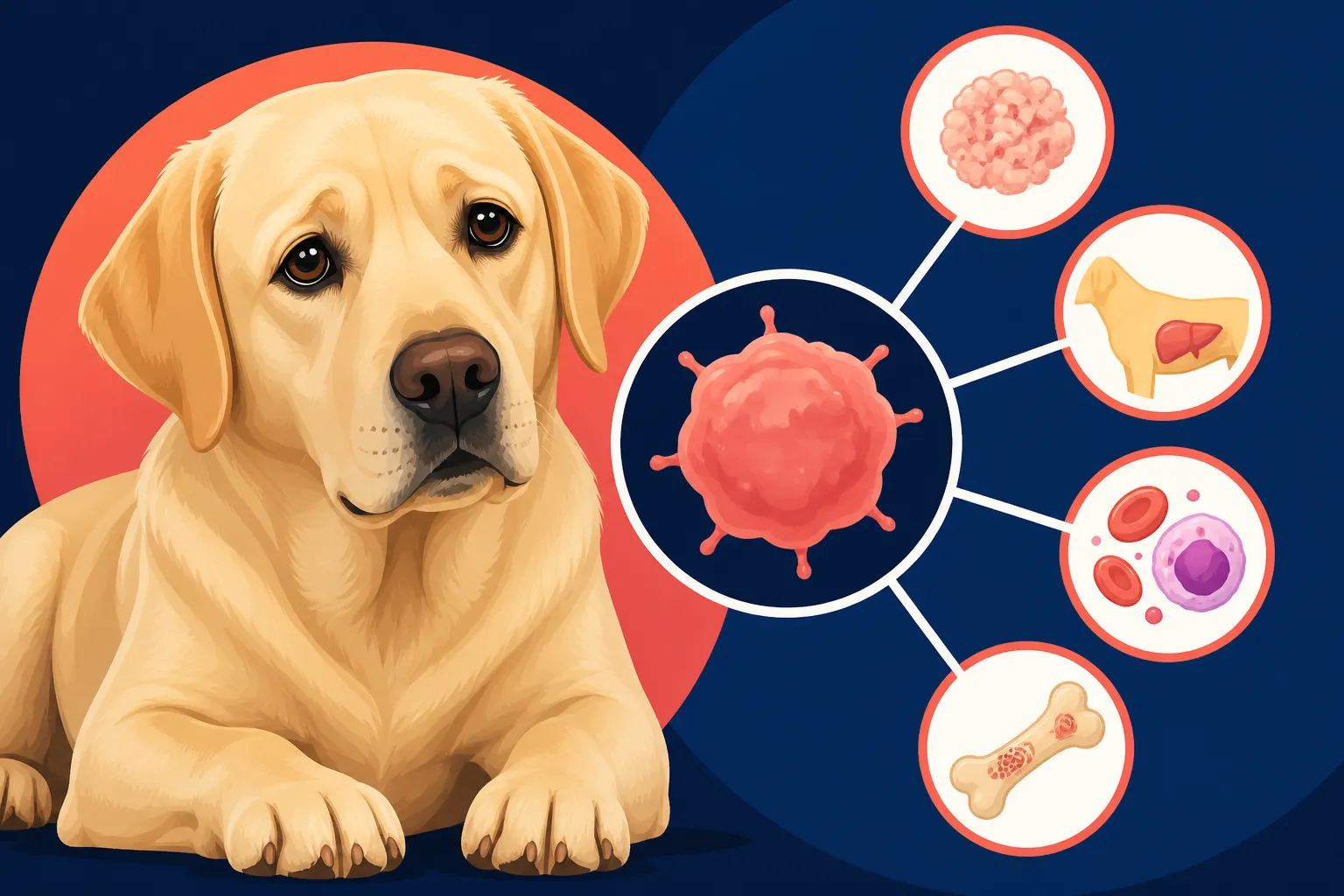
Cancers Labrador Retrievers Get Most
One of the hardest truths about loving a Labrador Retriever is knowing that, statistically, they are among the breeds most susceptible to certain types of cancer. It’s a gut-wrenching worry for any owner, seeing that beloved, energetic companion face such a formidable foe. This guide aims to shed light on the cancers Labradors most commonly encounter, helping you understand the risks, recognize early signs, and navigate the difficult path of diagnosis and treatment.
Why Labradors Seem So Prone to Cancer
It’s a question that plagues many Labrador owners: why our dogs? While no dog is entirely immune to cancer, it does seem that Labradors are disproportionately affected by certain forms of the disease. This isn't just bad luck; it’s a complex interplay of genetics, environment, and lifestyle that contributes to their elevated risk. Understanding these factors can help us be more vigilant and proactive in their care.
Genetic Predisposition in the Breed
Just like certain human families have a higher incidence of specific cancers, some dog breeds carry genetic predispositions. For Labradors, it appears their genetic blueprint, particularly certain mutations, can make them more vulnerable. For instance, specific genetic markers have been identified that are associated with an increased risk of mast cell tumors and lymphoma in the breed. This isn't to say every Labrador will get cancer, but rather that the dice are somewhat loaded. When reputable breeders discuss Genetic Panels Worth Running on a Labrador, part of that consideration is looking at markers for known health issues, including some cancers, though not all cancer risks are easily screened for in advance. It's a sobering thought that the very genes that give our Labs their wonderful traits might also carry these hidden susceptibilities.
The historical breeding practices, focusing on certain desired traits, can inadvertently narrow the gene pool, potentially concentrating genes that increase cancer risk. While responsible breeding aims to mitigate this through health clearances, the sheer prevalence of Labradors means that this genetic vulnerability is widespread. It’s a constant battle for breeders and veterinary geneticists to identify these markers and breed away from them, without losing the essential qualities that make a Labrador a Labrador. This genetic lottery means vigilance is even more crucial for us as owners.
Environmental Factors and Lifestyle Risks
Beyond genetics, the world our Labradors live in plays a significant role. Just as with humans, exposure to certain environmental toxins, diet, and overall lifestyle can influence cancer development. For example, living in an urban environment with higher pollution levels might present different risks than a rural setting. Similarly, exposure to lawn chemicals, certain household cleaners, or even secondhand smoke can accumulate over a lifetime and potentially contribute to cellular changes. While we can’t eliminate all risks, being mindful of their environment can make a difference.
Obesity is another major lifestyle factor that's often overlooked. Labradors are notoriously prone to weight gain, and there's a strong link between excess body fat and various cancers, including mammary tumors, transitional cell carcinoma of the bladder, and some lymphomas. Adipose tissue (fat) isn't just inert storage; it's metabolically active, producing hormones and inflammatory compounds that can promote cancer growth. This makes managing their weight, as discussed in detail in guides like Labrador Obesity and the Years It Costs, not just about joint health or mobility, but a critical aspect of cancer prevention. A lean, healthy Labrador, supported by a balanced diet and adequate exercise, is generally a more resilient Labrador.
The Most Common Cancers in Labradors
When it comes to cancer, Labradors aren’t usually singled out for one specific, breed-exclusive type, but rather they have a higher incidence of certain common canine cancers. These are the ones that statistically appear more frequently in our beloved Labs, and therefore, deserve our particular attention as owners. Knowing what to look for and understanding their characteristics can make a world of difference in early detection.
Mast Cell Tumors: The Skin's Sneaky Threat
Mast cell tumors are one of the most frequently diagnosed skin tumors in dogs, and Labradors tend to be overrepresented among those affected. These tumors originate from mast cells, which are part of the immune system and typically involved in allergic reactions and inflammation. The problem is, when they go rogue, they can appear anywhere on or under the skin, or even internally in organs like the spleen, liver, or bone marrow. This makes them incredibly sneaky and challenging to identify without veterinary expertise.
On the surface, a mast cell tumor can look like almost anything: a wart, a bug bite, a fatty lump, or an allergic reaction. They can be firm or soft, hairy or hairless, and their size can fluctuate due to the release of histamine (which is why they sometimes itch or swell, mimicking an allergic reaction). This chameleon-like nature means that any new lump or bump, no matter how innocent it seems, warrants a veterinary check. I remember one owner who thought her Labrador just had a persistent bug bite on his leg, only for it to be a mast cell tumor. Early diagnosis of Mast Cell Tumors on a Labrador is key because their behavior can vary wildly; some are slow-growing and relatively benign, while others are aggressive and spread rapidly. Your vet will likely perform a fine needle aspirate (FNA) to get a sample, a relatively non-invasive procedure that often provides immediate insights.
Lymphoma: A Systemic Challenge
Lymphoma is another form of cancer that disproportionately affects Labradors. This type of cancer originates from lymphocytes, a type of white blood cell, and can affect any organ in the body where these cells are found. This means it's a systemic disease, often manifesting in the lymph nodes, spleen, liver, or bone marrow. The most common form seen in Labradors is multicentric lymphoma, where the lymph nodes throughout the body become enlarged.
Detecting lymphoma can be tricky because the initial signs are often vague. You might notice your Labrador seems a bit "off"—perhaps a slight decrease in appetite, a little less energy, or just not quite themselves. However, the most classic sign is enlarged lymph nodes, which feel like firm, painless lumps, often palpable under the jaw (submandibular), in the armpits (axillary), in the groin (inguinal), or behind the knees (popliteal). A healthy lymph node should feel like a small, soft pea, while a cancerous one might be considerably larger and harder. Early detection, typically through a biopsy of an affected lymph node, is crucial, as lymphoma is treatable with chemotherapy in many cases, offering a good quality of life for a period.
Hemangiosarcoma: The Hidden Killer
Hemangiosarcoma is a particularly aggressive and devastating cancer that unfortunately has a higher incidence in larger breeds like Labradors. This malignancy arises from the cells that line blood vessels, meaning it can develop anywhere in the body, but it most commonly affects the spleen, heart, liver, or skin. What makes it so insidious is its tendency to grow internally, often without any outward signs until it's reached an advanced stage, frequently causing internal bleeding.
The signs of hemangiosarcoma are often acute and dramatic due to internal hemorrhage. A Labrador might suddenly collapse, become very weak, have pale gums, or develop a distended abdomen (due to blood pooling). Sometimes, owners might notice a more subtle, waxing and waning lethargy or decreased appetite over days or weeks before a full crisis. If the tumor is on the skin (cutaneous hemangiosarcoma), it might appear as a dark, reddish-black lump, but these are less common than the internal forms. Because of its aggressive nature and the critical locations it tends to inhabit, hemangiosarcoma is often diagnosed too late, making prognosis poor, even with aggressive surgery and chemotherapy. It's truly a hidden killer, reinforcing the need for regular vet check-ups where subtle changes might be detected before they become life-threatening.
Osteosarcoma: Bone Cancer in Large Breeds
Osteosarcoma is the most common primary bone tumor in dogs, and it predominantly affects large and giant breeds, with Labradors again being among those at higher risk. This aggressive cancer usually develops in the long bones of the limbs, particularly around the shoulder, wrist, and knee joints, but can also occur in other bones like the ribs, spine, or jaw. It causes significant pain and can spread rapidly to other parts of the body, most commonly the lungs.
The primary symptom of osteosarcoma is lameness or limping that seems to worsen over time, often accompanied by swelling around the affected bone. Initially, it might be mistaken for arthritis or a sports injury, which can lead to delays in diagnosis. However, unlike a typical sprain, the pain from osteosarcoma tends to be persistent and progressive, often not responding well to standard anti-inflammatory medications. Owners might also notice their Labrador is reluctant to bear weight on the limb, cries out when touched, or experiences muscle wasting due to disuse. Recognizing Osteosarcoma Signs in a Large Labrador early is critical. Diagnosis usually involves X-rays, followed by a biopsy to confirm the type of tumor. While prognosis is challenging, aggressive treatment often involves amputation of the affected limb followed by chemotherapy to slow the spread, with pain management being a central component of care.
Recognizing the Early Warning Signs of Cancer
One of the most powerful tools we have as Labrador owners in the fight against cancer is early detection. Our Labs are notoriously stoic, often hiding discomfort until it’s quite advanced. This means we have to be their advocates, learning to spot the subtle clues that might signal a serious underlying issue. Don't ever feel silly for checking out a new lump or noting a change in behavior – it could literally be life-saving. Many of the Warning Signs of Cancer in a Labrador are quite vague, which is why paying close attention to your dog's normal patterns is so important.
Changes in Lumps, Bumps, and Skin
Labradors, especially as they get older, are prone to developing all sorts of lumps and bumps. Many of these are benign, like harmless fatty tumors called lipomas, or cysts. It's easy to dismiss them, thinking, "Oh, that's just Fido getting older." However, some of these can be malignant, and others can change over time. The key is to never assume. If you find a new lump, or an existing one changes in size, shape, color, or texture, it needs a vet’s attention.
Imagine you're giving your Labrador, Charlie, a good scratch behind the ears, and your fingers brush over a new, firm bump on his ribcage. Your first thought might be that he bumped it or got a bug bite. You monitor it for a few days, but it doesn't go away; in fact, it feels a little larger. This is exactly the time to schedule a vet visit. The vet can perform a simple fine needle aspirate (FNA) right there in the clinic, often providing immediate insight into whether it's just a harmless Lipomas and Fatty Lumps on a Labrador or something more concerning like a mast cell tumor. Regularly running your hands over your Labrador, from nose to tail, is one of the best habits you can develop for early detection.
Altered Appetite, Weight, and Energy Levels
Changes in your Labrador’s eating habits, unexplained weight loss, or a significant drop in their usual boundless energy are classic, yet often overlooked, indicators of many underlying health problems, including cancer. We all know Labs love their food, so a sudden disinterest in meals is a huge red flag. Similarly, if your normally enthusiastic Labrador is suddenly lagging on walks, sleeping more, or just seems less engaged in family activities, it’s not just a sign of them "getting older."
Consider your Labrador, Lucy, who normally inhales her breakfast. Lately, she's been sniffing at it, maybe eating half, and then wandering off. You've also noticed her dropping a few pounds, despite no change in her food portions or exercise. And where she used to greet you at the door with a wagging tail and a toy, now she might just lift her head and give a lazy thump of her tail. These subtle shifts can indicate a wide range of issues, from gastrointestinal upset to a more serious condition like lymphoma or an internal tumor impacting her digestive system. Don't brush these changes off as merely "aging." Even in senior Labradors, a sudden or significant change warrants a trip to the vet to rule out serious illness.
Unexplained Lameness or Swelling
Limping or lameness in a Labrador, especially one that persists or worsens, is always a concern. Given their active nature, bumps and minor strains happen, but if a limp doesn’t resolve within a day or two, or if you can't identify an obvious injury, it's time to investigate. Swelling, particularly around bones or joints, without a clear traumatic cause, is another worrying sign that requires immediate veterinary attention.
Imagine your athletic Labrador, Gus, comes in from playing fetch with a slight limp on his front leg. You rest him, but the limp persists for a week, and now you notice a subtle swelling just above his wrist. He seems tender when you gently touch the area. This scenario immediately brings to mind conditions like osteosarcoma. While it could be a simple sprain or arthritis, especially if Gus is older, the persistent nature and swelling elevate the concern. Early diagnosis of bone cancer, as discussed with Osteosarcoma Signs in a Large Labrador, offers the best chance for managing the disease and preserving quality of life. Never delay investigating unexplained lameness, especially if it's accompanied by swelling or visible discomfort.
Diagnosing Cancer in Your Labrador
Hearing the word "cancer" in relation to your beloved Labrador is terrifying. It's a moment that feels like the world stops. But it's crucial to remember that a diagnosis is the first step towards a treatment plan, and many cancers, especially when caught early, are manageable, if not curable. Navigating the diagnostic process can feel overwhelming, but your vet is your best ally, guiding you through each step to understand exactly what you're dealing with.
The Importance of a Timely Vet Visit
When you notice any of the warning signs discussed earlier – a new lump, a change in appetite, unexplained lameness, or anything that just feels "off" – a timely visit to your veterinarian is paramount. This isn't about panicking, but about being proactive. Delaying a vet visit, even for a few weeks, can significantly impact prognosis, especially with aggressive cancers that spread rapidly. Your vet will start with a thorough physical examination, feeling for enlarged lymph nodes, abdominal masses, and inspecting any skin lesions. They’ll also take a detailed history, so be prepared to discuss when you first noticed symptoms, any changes in behavior, diet, or exercise, and any previous health issues.
During this initial visit, your vet might recommend some basic diagnostic tests to get a clearer picture. This could include blood work to check organ function and blood cell counts, which can sometimes indicate inflammation or systemic illness. They might also suggest a urinalysis. If a lump is present, a fine needle aspirate (FNA) is often the first step; it's minimally invasive and can often provide immediate answers or guide further diagnostics. Trust your vet's recommendations and don't hesitate to ask questions. Remember, you're a team, working together to get the best outcome for your Labrador.
Diagnostic Tools: Biopsy, Imaging, and Bloodwork
Once the initial exam raises suspicions, your vet will delve into more specific diagnostic tools. These tests are essential for confirming a cancer diagnosis, determining the type of cancer, its grade (how aggressive it is), and whether it has spread (staging). This information is crucial for formulating an effective treatment plan.
One of the most definitive diagnostic tools is a biopsy. Unlike an FNA, which collects individual cells, a biopsy collects a piece of tissue from the suspicious area. This larger sample allows a veterinary pathologist to examine the architecture of the cells and tissue, providing a much more accurate diagnosis of the cancer type and grade. Biopsies can be excisional (removing the entire mass) or incisional (removing a piece of a larger mass). Depending on the location, this might require sedation or general anesthesia.
Imaging techniques are equally vital for assessing the extent of the disease.
- X-rays are commonly used to check for bone tumors, such as osteosarcoma, and to look for spread to the lungs, a common site for metastasis.
- Ultrasound is invaluable for examining internal organs like the spleen, liver, and lymph nodes, helping to identify masses or enlarged structures that might not be palpable.
- More advanced imaging like CT scans (Computed Tomography) or MRIs (Magnetic Resonance Imaging) might be recommended, particularly for tumors in complex areas like the head, spine, or for precise surgical planning. These provide incredibly detailed cross-sectional images, giving a comprehensive view of the tumor's size, location, and relationship to surrounding tissues.
Finally, specialized bloodwork might include cancer-specific markers, though these are not as widely available or diagnostic in veterinary medicine as they are in human medicine. However, complete blood counts (CBCs) and chemistry panels help assess your Labrador's overall health, kidney and liver function, and can reveal anemia or other blood cell abnormalities often associated with cancer, especially lymphoma. All these tests, while adding to the emotional and financial burden, are critical pieces of the puzzle that allow your veterinary team to fight for your Labrador with the most informed approach.
Treatment Options and Prognosis
Discovering your Labrador has cancer is undoubtedly a heavy blow, but it's important to remember that a diagnosis is not a death sentence. Veterinary oncology has advanced significantly, offering a range of treatment options tailored to the specific type and stage of cancer, as well as your individual dog's health and your family's circumstances. The goal is always to provide the best possible quality of life for as long as possible.
Surgery, Chemotherapy, and Radiation
Just like in human medicine, the primary cancer treatments for Labradors often involve a combination of surgery, chemotherapy, and radiation therapy. The choice of treatment depends heavily on the type of cancer, its location, whether it has spread, and your Labrador's overall health.
Surgery is often the first line of defense, especially for localized tumors. For conditions like mast cell tumors, surgical removal with wide, clean margins can often be curative if caught early and the tumor is low grade. For more aggressive tumors or those in challenging locations, surgery might debulk the tumor to alleviate symptoms or prepare for other treatments. The success of surgery relies on removing all cancerous cells, which can sometimes be difficult if the tumor has infiltrated surrounding tissues. Post-operative care is crucial for healing and monitoring for recurrence.
Chemotherapy involves using drugs to kill cancer cells throughout the body. It’s frequently used for systemic cancers like lymphoma, or as an adjunctive treatment after surgery to destroy any microscopic cancer cells that might have been left behind or to prevent metastasis. It’s a common misconception that chemotherapy in dogs is as debilitating as it can be in humans. While side effects can occur (like mild nausea, decreased appetite, or temporary hair loss in some breeds, though less common in Labs with their short coats), they are generally much milder, with the aim to maintain a good quality of life. Your vet will carefully monitor your Labrador and adjust protocols as needed. For many types of cancer, Chemotherapy Costs for a Labrador Retriever can be significant, making financial planning a crucial part of the decision-making process.
Radiation therapy uses high-energy rays to shrink tumors and kill cancer cells. It's often employed for tumors that are difficult to remove surgically or when surgery isn't an option, such as certain bone tumors or brain tumors. Radiation can also be used palliatively to reduce pain and improve quality of life. This treatment requires multiple sessions, with your Labrador under anesthesia for each one, which is a significant commitment. While effective, it's not without potential side effects, including skin irritation and fatigue.
Palliative Care and Quality of Life
Sometimes, a cure isn't possible, or the treatments are too aggressive for your Labrador's comfort or your financial capacity. In these situations, the focus shifts entirely to palliative care. This approach is about managing symptoms, reducing pain, and ensuring your Labrador maintains the best possible quality of life for their remaining time. It’s a decision born of love and compassion, prioritizing comfort over aggressive intervention.
Palliative care can involve a combination of pain medications, anti-inflammatory drugs, appetite stimulants, and sometimes even low-dose chemotherapy or radiation to alleviate specific symptoms. For example, if your Labrador has painful bone cancer (like osteosarcoma), palliative radiation or strong pain management strategies can significantly improve their comfort. It also involves working closely with your vet to monitor your Labrador's comfort levels, mobility, and overall happiness. It’s about creating good days, even when time is short. Deciding to transition to End-of-Life Care for a Labrador is one of the hardest choices an owner ever faces, but it's also an act of profound kindness, ensuring their last months, weeks, or days are filled with love and dignity.
Financial Considerations and Pet Insurance
Let's be real: cancer treatment for a dog, especially a large breed like a Labrador, can be incredibly expensive. From initial diagnostics to surgery, chemotherapy, and ongoing medications, the costs can quickly spiral into the thousands, or even tens of thousands, of dollars. This financial burden can be a huge source of stress for owners already grappling with their beloved pet's illness. Many owners find themselves in the heartbreaking position of having to make difficult choices based on financial constraints, rather than what they feel is best for their dog.
This is where pet insurance can be a game-changer. For a policy like Healthy Paws, if your Labrador was enrolled before any signs or diagnosis of cancer, it could cover a significant portion of those exorbitant vet bills. Having that financial safety net can allow you to pursue the best possible treatments without the added stress of crushing debt. It’s important to understand the specifics of any policy, including deductibles, reimbursement rates, and annual limits, as these can vary widely. If you're considering a Labrador puppy, investing in pet insurance from a young age can be one of the smartest financial decisions you make for their long-term health, as it can help mitigate the costs of Which Labrador Problems Cost the Most to Treat, including unexpected cancer diagnoses down the road. For many, pet insurance isn't just a luxury; it's a vital tool for ensuring comprehensive care for their cherished companion.
Proactive Steps for Prevention and Early Detection
While we can't completely eliminate the risk of cancer for our Labradors, there's a lot we can do to empower ourselves as owners. Being proactive, from regular vet visits to maintaining a healthy lifestyle, can significantly increase the chances of catching cancer early, which is often the key to successful treatment and a better prognosis. Think of it as being your Labrador's personal health detective.
Regular Vet Check-ups and Home Monitoring
Consistent veterinary care is your first line of defense. At least once a year, and preferably twice a year for senior Labradors, a thorough physical examination by your veterinarian can detect subtle changes that you might miss at home. Vets are trained to feel for enlarged lymph nodes, check organ size, and assess overall body condition. During these visits, don't hesitate to voice any concerns, no matter how minor they seem. Your vet can also guide you on the appropriate Labrador Vaccination and Parasite Schedule, which contributes to overall health and resilience.
Between vet visits, you are your Labrador’s most important monitor. Dedicate time each week to perform your own "at-home exam." This means:
- Full Body Checks: Gently run your hands over your Labrador's entire body, paying attention to any new lumps, bumps, or tender spots. Feel their paws, ears, and mouth. Notice any changes in skin texture or coat quality.
- Observing Behavior: Pay close attention to their daily routines. Is their appetite normal? Are they drinking more or less water? What are their energy levels like? Any changes in their potty habits? These seemingly small observations can be crucial.
- Mouth Inspection: Lift their lips and check their gums for color (should be pink), and look for any abnormal growths or discoloration in their mouth and on their tongue.
- Weigh-Ins: Regularly weigh your Labrador at home. Unexplained weight loss or gain can be a red flag.
By being vigilant and consistent with both professional and at-home monitoring, you significantly improve the chances of early detection, which makes all the difference.
Maintaining a Healthy Lifestyle
A healthy lifestyle is foundational to preventing many diseases, including some cancers. For a Labrador, this means a balanced diet, appropriate exercise, and maintaining a healthy weight throughout their life.
- Optimal Nutrition: Feeding a high-quality, balanced diet appropriate for your Labrador's age and activity level is paramount. Avoid overfeeding and limit high-calorie treats. As discussed in Feeding a Labrador Through Every Life Stage, nutritional needs change from puppyhood to senior years. Ensure their food is complete and balanced, and consult your vet before making drastic dietary changes or adding supplements.
- Weight Management: This cannot be stressed enough for Labradors. They are naturally predisposed to being overweight, and obesity is a significant risk factor for several cancers. Regularly assess your Labrador’s body condition score – you should be able to easily feel their ribs without pressing hard, and they should have a visible waist when viewed from above. If your Labrador is carrying extra pounds, work with your vet to implement a safe and effective weight loss plan. How Much Longer a Lean Labrador Lives truly underscores the importance of this.
- Regular Exercise: Consistent, appropriate exercise helps maintain a healthy weight, builds muscle, and supports overall well-being. Labradors are energetic dogs and need daily physical activity to stay fit and mentally stimulated. This could be anything from brisk walks, swimming, fetch, or playing in the yard. However, remember to adjust exercise levels to their age and any joint issues they might have.
- Minimizing Exposure to Toxins: While not always possible, try to minimize your Labrador's exposure to environmental carcinogens. This includes avoiding pesticides and herbicides on lawns, steering clear of secondhand smoke, and keeping household cleaning products and chemicals out of reach.
Genetic Screening
For some cancers, and many other inherited diseases, genetic screening can provide valuable information, particularly for breeders. While not every cancer risk can be screened for, advances in veterinary genetics are continually expanding the scope of what we can test for. For example, some genetic panels might include markers associated with increased risk for certain types of cancer, or for other conditions that impact a Labrador's overall health and lifespan, as explored in Labrador Lifespan and What Changes It.
If you are acquiring a Labrador puppy, discussing genetic testing and health clearances with the breeder is crucial. Reputable breeders will often perform genetic tests for conditions like Exercise-Induced Collapse (EIC), Progressive Retinal Atrophy (PRA), and various forms of dysplasia, but also for specific mutations linked to increased cancer risk if available for that particular cancer type. While these tests aren't a guarantee against cancer, they provide a clearer picture of your puppy's genetic predispositions and can help you and your vet monitor for higher-risk conditions. Understanding your Labrador’s genetic background can be a powerful tool in their long-term health management strategy.
Common Labrador Cancers: A Quick Overview
| Cancer Type | Common Locations | Early Warning Signs | Typical Prognosis (without treatment) | Key Fact |
|---|---|---|---|---|
| Mast Cell Tumor | Skin, subcutaneous tissue, internal organs (spleen, liver) | New or changing skin lump (can vary in appearance), itching, swelling, redness | Variable, from good to very poor | "Chameleon tumor" – can mimic many benign lesions, biopsy is key. |
| Lymphoma | Lymph nodes, spleen, liver, bone marrow, GI tract | Enlarged, firm, painless lymph nodes (under jaw, in armpit, groin), lethargy, decreased appetite | Poor (weeks to months) | Often systemic; chemotherapy can offer remission and good quality of life. |
| Hemangiosarcoma | Spleen, heart, liver, skin | Sudden collapse, weakness, pale gums, distended abdomen, exercise intolerance, skin masses (rare) | Very Poor (days to weeks) | Aggressive, often silent internal bleeding; "hidden killer." |
| Osteosarcoma | Long bones of limbs (legs), ribs, spine, jaw | Persistent lameness, swelling at joint/bone, pain, reluctance to bear weight, muscle wasting | Poor (months) | Highly painful bone cancer, common in large breeds; often requires amputation and chemo. |
Disclaimer
The information provided in this article is for general informational purposes only and does not constitute veterinary medical advice. Always consult with a qualified veterinarian for any health concerns or before making any decisions related to your Labrador Retriever's health and treatment. Early diagnosis and intervention are critical for positive outcomes in cancer cases.