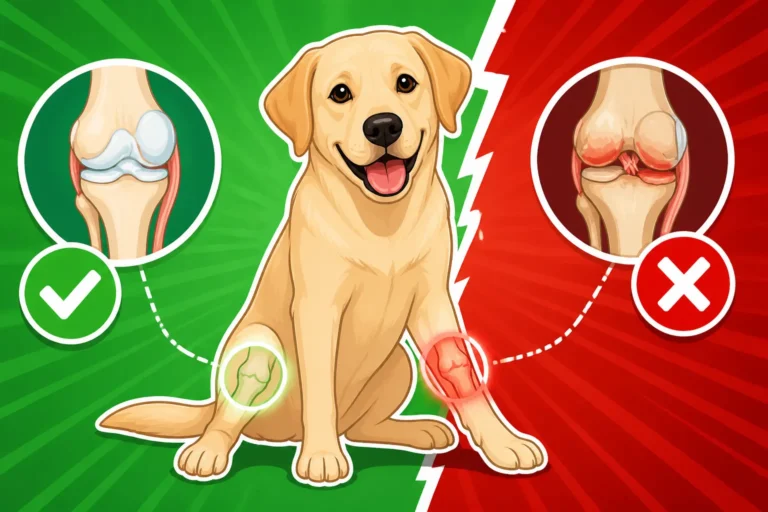
Genetic Panels Worth Running on a Labrador
Bringing a Labrador Retriever into your life is an incredible joy, but it can also come with a hidden layer of worry about their health. Many common, debilitating conditions in Labradors aren't immediately obvious and can blindside even the most diligent owner, leading to heartbreaking decisions and expensive vet bills. This guide aims to shed light on genetic panels, explaining which tests are crucial and what their results mean, empowering you to make informed decisions for your beloved Labrador's health and future.
Understanding Genetic Panels for Labradors
As Labrador owners, we all want to give our furry family members the longest, happiest lives possible. But sometimes, despite our best efforts with nutrition and exercise, underlying issues can emerge. That's where understanding genetic panels comes in – it’s like getting a peek into your Labrador's biological blueprint, revealing potential health landmines before they have a chance to explode.
What Exactly Are Genetic Panels?
At its core, a genetic panel is a collection of DNA tests performed on your dog's sample, usually collected with a simple cheek swab. Think of your Labrador's DNA as an instruction manual for building and operating their body. Genes are specific chapters in that manual, and sometimes, there are tiny typos or errors, called mutations. These mutations can lead to genetic diseases. A genetic panel scans for multiple known mutations linked to specific health conditions that are common in Labrador Retrievers.
These panels aren't just looking for one specific issue; they're comprehensive screenings designed to cast a wide net, identifying several inherited conditions simultaneously. Instead of waiting for symptoms to appear, which can often be too late or involve significant suffering, genetic panels allow for proactive identification of risks. This early knowledge can be invaluable for management, early intervention, or making responsible breeding choices if your Labrador is part of a breeding program.
Why Genetic Screening Matters for Labradors
Labradors, like many purebred dogs, are more susceptible to certain inherited diseases due to their specific genetic lineage. When breeders select for desirable traits like temperament or appearance, they sometimes inadvertently concentrate genes that carry disease mutations within the breed pool. This isn't usually intentional, but it highlights why genetic screening is so vital.
For instance, conditions like Exercise-Induced Collapse (EIC) or Progressive Retinal Atrophy (PRA) can significantly impact a Labrador's quality of life, often emerging suddenly or gradually robbing them of their abilities. Knowing if your dog is at risk allows you to work with your vet to implement preventative measures, adjust lifestyle, or monitor for early signs. It means you aren't caught off guard, scrambling to understand a sudden health crisis. It’s about being a step ahead, providing the best possible care, and potentially extending their healthy years, which is something every Labrador owner cherishes. Knowing these predispositions also allows you to focus on general wellness and management strategies that support a long, healthy Labrador Lifespan and What Changes It.
The Difference Between Health Clearances and Genetic Panels
This is a common point of confusion for many new and even experienced Labrador owners. While both health clearances and genetic panels are crucial for ensuring a healthy dog, they look at different aspects of health.
Health clearances, such as those provided by the Orthopedic Foundation for Animals (OFA) or PennHIP for hips and elbows, involve physical examinations and imaging (like X-rays) to assess the structural integrity of joints, eyes, and hearts in adult dogs. These tests are typically performed when a dog reaches maturity (usually around two years of age for hips and elbows) and provide an evaluation of their physical phenotype—what they look like structurally. For example, if you're looking into Labrador Hip and Elbow Dysplasia, you'd consult OFA or PennHIP results. These screenings directly assess the physical manifestation of certain conditions. You can read more about this in Health Clearances a Labrador Breeder Must Show and OFA and PennHIP Screening for Labradors.
Genetic panels, on the other hand, look directly at your dog's DNA. They identify specific gene mutations that cause or predispose a dog to certain diseases. These tests can be performed at any age, even on young puppies, because a dog's genetic code doesn't change. A genetic panel doesn't tell you if your dog has hip dysplasia right now, but it could tell you if they carry a gene for EIC or PRA, which are entirely different types of conditions. Both types of screening are important, and a responsible breeder will utilize both to produce healthy puppies.
Key Genetic Diseases to Test For
Labrador Retrievers are generally robust dogs, but there are specific genetic conditions that are more prevalent in the breed. Understanding these conditions and why testing for them is important can significantly impact your dog's long-term well-being. Focusing on genetic panels helps identify these hidden risks.
Exercise-Induced Collapse (EIC)
Imagine your high-energy Labrador, full of life, suddenly collapsing after just a few minutes of intense exercise. This terrifying scenario is the hallmark of Exercise-Induced Collapse, a serious inherited neuromuscular disorder found in Labradors and related breeds. Dogs affected by EIC appear normal and healthy, often excelling in training or activities, until they engage in strenuous, exciting exercise, especially in warmer temperatures.
The collapse typically begins with a wobbling or weakness in the hind limbs, progressing to an inability to move their back legs. In severe cases, all four limbs can be affected, and the dog may become disoriented. The good news is that EIC is caused by a mutation in the DNM1 gene, which can be easily identified through a genetic test. Knowing your Labrador's EIC status—whether they are clear, a carrier, or affected—is critical. For "affected" dogs, management involves strictly limiting strenuous exercise and high-excitement situations. Owners with affected dogs often need to learn how to adapt and manage their pet's activity, which is discussed in more detail in Living With an EIC Affected Labrador. Testing helps you avoid triggers and ensure your dog remains safe and comfortable, which is why Testing a Labrador for Exercise-Induced Collapse is so important.
Progressive Retinal Atrophy (PRA-prcd)
Progressive Retinal Atrophy, particularly the progressive rod-cone degeneration (PRA-prcd) form common in Labradors, is a degenerative eye disease that ultimately leads to blindness. It's a cruel condition because it typically begins subtly, often with night blindness, and slowly progresses until the dog loses all vision. It's not painful, but it profoundly impacts their quality of life, especially for such an active and curious breed.
The disease works by causing the light-sensing cells in the retina (rods and cones) to deteriorate over time. There's no cure for PRA, but knowing if your Labrador is genetically predisposed allows you to prepare and adapt. This might involve setting up your home for a visually impaired dog, introducing them to new environments slowly, and simply understanding their changing needs. Early diagnosis through genetic testing can prevent unexpected progression and provide you with valuable time to learn how to best support a dog experiencing vision loss. This topic is explored further in Progressive Retinal Atrophy in Labradors.
Centronuclear Myopathy (CNM)
Centronuclear Myopathy (CNM), sometimes referred to as Hereditary Myopathy, is another inherited condition that primarily affects Labrador Retrievers. It's a disorder of the skeletal muscles, leading to muscle weakness and atrophy. Affected puppies often show signs very early in life, typically between two and five months of age.
Symptoms can include a peculiar, high-stepping gait (like they're marching), decreased exercise tolerance, difficulty swallowing, and a general lack of muscle mass compared to healthy littermates. They might struggle to lift their heads or eat normally. Unfortunately, CNM is a progressive condition for which there is no cure, and it can significantly reduce a dog's quality of life. Genetic testing identifies the PTPLA gene mutation responsible for CNM, allowing breeders to make informed decisions and pet owners to avoid the heartbreak of raising an affected puppy. Knowing the genetic status helps with understanding the potential challenges and providing appropriate care, which can be quite extensive for these dogs. More on this condition can be found in Centronuclear Myopathy in Labradors.
Other Important Genetic Considerations
While EIC, PRA-prcd, and CNM are among the most critical genetic tests for Labradors, other genetic conditions can be included in comprehensive panels, or tested for individually. These may include:
- Hereditary Nasal Parakeratosis (HNPK): This condition affects a dog's nose, causing it to become dry, rough, and cracked, sometimes leading to painful erosions. It's caused by a specific gene mutation and can be uncomfortable for affected dogs, requiring ongoing topical treatment.
- Retinal Dysplasia/Oculoskeletal Dysplasia 1 (RD/OSD1): This severe eye and skeletal disorder can cause blindness and skeletal abnormalities. There are different forms, and genetic testing can identify carriers and affected individuals for specific types.
- Dilute Gene (MLPH): While not a health condition in itself, testing for the dilute gene is important for understanding coat color genetics, especially concerning "silver" or "charcoal" Labradors. Some argue that dogs with the dilute gene may have a higher incidence of certain skin conditions, though this remains a debated topic within the Labrador community. While these dilute colors are not recognized by the AKC breed standard, some breeders still produce them.
These additional tests, when included in a comprehensive panel, provide an even broader picture of your Labrador's genetic health. Being aware of these less common but still significant genetic risks helps ensure you're making the most informed decisions possible, whether you're selecting a puppy or caring for an adult dog.
Interpreting Your Labrador's Genetic Test Results
Getting the results back from a genetic panel can feel a bit like reading a foreign language if you're not familiar with the terminology. But don't worry, it's not as complicated as it seems once you understand the key terms: "clear," "carrier," and "affected." These statuses tell you everything you need to know about your Labrador's genetic health for each specific condition tested.
Understanding "Clear," "Carrier," and "Affected"
Genetic tests for most inherited diseases in Labradors operate on an autosomal recessive inheritance pattern. This means a dog must inherit two copies of the mutated gene (one from each parent) to be affected by the disease. Here’s what each result means:
- Clear (or Normal): This is the best possible result! Your Labrador has two copies of the normal, healthy gene. They do not have the mutation for the specific disease, nor can they pass it on to any offspring. A "clear" dog is free from that particular genetic disease.
- Carrier: This means your Labrador has one copy of the mutated gene and one copy of the normal gene. A carrier dog will typically not show symptoms of the disease because the single healthy gene copy is usually enough to prevent the disease from manifesting. However, a carrier can pass the mutated gene on to their offspring. This status is crucial for breeding decisions, as two carriers bred together can produce affected puppies.
- Affected: This indicates your Labrador has inherited two copies of the mutated gene (one from each parent). An "affected" dog will develop the disease, or is very likely to develop it, at some point in their life. The severity and age of onset can vary, but the genetic predisposition is present.
Understanding these distinctions is paramount. For example, if a dog is "clear" for EIC, they won't get EIC. If they are an "EIC carrier," they won't typically show symptoms but carry the gene. If they are "EIC affected," they will experience collapse if triggered.
Implications for Your Pet Labrador
For most pet owners, a "clear" result across the board provides immense peace of mind. You know your Labrador doesn't carry those specific genetic predispositions.
If your Labrador comes back as a carrier for a recessive disease, it usually means very little for their personal health. They will likely live a full, healthy life without ever showing symptoms of that specific condition. The primary implication for a carrier is for breeding purposes (which we’ll cover next). However, it's still good information to have, as sometimes subtle or atypical symptoms can occur, and your vet will be aware of the genetic background.
If your Labrador is found to be affected by a genetic condition, this is where the test results become critical for direct care. Knowing this information early, perhaps even when they are a puppy, allows you and your veterinarian to create a proactive management plan. For an EIC-affected dog, it means strictly avoiding over-exertion and excitement. For a PRA-affected dog, it means preparing for eventual blindness and making environmental adjustments. This foresight can prevent unnecessary suffering, improve their quality of life, and help you recognize early signs of progression. It also gives you time to plan for potential increased veterinary care, which is where a good pet insurance policy, like those offered by Healthy Paws, can really make a difference.
Implications for Breeding Labradors
For responsible Labrador breeders, genetic panel results are absolutely non-negotiable. They are a fundamental tool in making informed breeding decisions to eliminate or drastically reduce the incidence of inherited diseases in future generations.
- Breeding Clear to Clear: This is the ideal scenario for genetic health. If both parents are "clear" for a specific recessive disease, all their puppies will also be "clear" for that disease.
- Breeding Clear to Carrier: If one parent is "clear" and the other is a "carrier," statistically, half of the puppies will be "clear" and half will be "carriers." No puppies will be "affected." Breeders might choose this pairing if the carrier dog brings exceptional qualities to the gene pool (e.g., temperament, conformation), but they should ideally test all puppies to identify carriers, or only breed them to clear mates in the next generation.
- Breeding Carrier to Carrier: This pairing is generally discouraged by ethical breeders. If both parents are "carriers," there's a 25% chance each puppy will be "clear," a 50% chance they'll be "carriers," and a 25% chance they'll be "affected." This means there's a significant risk of producing puppies that will suffer from the disease.
- Breeding Affected: Breeding an "affected" dog is highly unethical and should be avoided entirely, as all offspring would either be carriers or affected if bred with another carrier or affected dog.
Responsible breeders use genetic testing to produce puppies with the best possible genetic health, striving to breed only "clear" to "clear" or "clear" to "carrier" pairings while testing all offspring from carrier breedings. This meticulous approach helps to improve the overall health of the Labrador Retriever breed, ensuring that families welcome healthy puppies into their homes.
When and How to Get Your Labrador Tested
Deciding to get your Labrador genetically screened is a fantastic step toward proactive health management. But you might be wondering: when is the right time, and what does the actual process involve? Rest assured, it's generally straightforward and can provide invaluable information.
Ideal Age for Genetic Screening
One of the great advantages of genetic testing is that it can be performed at virtually any age because your dog's DNA doesn't change over time.
- Puppies: Many responsible breeders conduct genetic panels on their breeding stock before breeding. If the parents are both "clear," then their puppies are also considered "clear" by descent for those specific conditions. However, if one or both parents are carriers, breeders may choose to test individual puppies to determine their status before they go to their new homes. This means you might receive a puppy whose genetic status is already known. If you're acquiring a puppy from a reputable breeder, they should be able to provide genetic panel results for the parents. If they can't, or if you're acquiring a rescue, you can test your puppy once they're settled in. Knowing a puppy's genetic predispositions early can help you manage their Labrador Puppy Health in the First Year more effectively.
- Adult Dogs: If you've adopted an adult Labrador, or if your breeder didn't provide genetic testing information, it's absolutely worthwhile to have your adult dog tested. This can be done at any point. For a pet Labrador, knowing their genetic status can inform future care, exercise routines, and allow you to watch for early signs of any conditions they might be predisposed to. For example, if you have a high-energy adult Labrador and want to ensure they aren't at risk for EIC, a genetic test is the definitive answer.
There's no "wrong" time to do it, but the earlier you have the information, the more proactive you can be.
The Testing Process: From Swab to Results
The process of genetic testing is surprisingly simple and non-invasive, a far cry from a trip to the vet for blood work (though a vet visit is always good for routine check-ups!).
- Order Your Kit: Most reputable genetic testing companies allow you to order a kit directly to your home. The kit typically contains a sterile cheek swab (or a few of them) and instructions.
- Collect the Sample: This is the easiest part! You'll gently rub the swab against the inside of your Labrador's cheek and gums for about 30-60 seconds to collect saliva and loose cheek cells. The key is to make sure your dog hasn't eaten or drunk anything for about an hour before sampling to avoid contaminating the sample with food particles. You'll then let the swab air dry.
- Mail It Back: Once the swab is dry, you'll place it in the provided packaging and mail it back to the laboratory.
- Await Results: The lab will extract DNA from the cells on the swab and analyze it for the specific genetic markers included in the panel. Processing times can vary but typically range from 2-4 weeks. You'll usually receive the results via email, often with a detailed online portal where you can view and download reports.
That's it! No needles, no stress, just a simple swab that can unlock a wealth of information about your dog's health.
Working With Your Veterinarian and Breeder
Once you receive your Labrador's genetic panel results, it’s always a good idea to share them with your veterinarian. They can help you interpret the findings in the context of your dog’s overall health, lifestyle, and medical history.
- Veterinarian: Your vet can explain what a "carrier" or "affected" status truly means for your individual dog. They can advise on specific monitoring protocols, preventative care adjustments, or early intervention strategies. For example, if your Labrador is a carrier for a condition that has very rare atypical presentations in carriers, your vet will be aware and can keep an eye out. They can also help you understand which of the Which Labrador Conditions Show Up Most at the Vet are relevant to your dog's genetic profile.
- Breeder: If you purchased your Labrador from a breeder, share the results with them, especially if they weren't aware of a particular genetic status. Responsible breeders are keen to improve their lines and will appreciate the information. This data helps them refine their breeding program to reduce the incidence of inherited diseases, benefiting the entire breed community. Even if your Labrador is a pet and not intended for breeding, this feedback loop is vital for ethical breeding practices.
This collaborative approach ensures that the information gained from genetic testing is put to the best possible use, leading to better health outcomes for your Labrador and contributing to the health of the breed as a whole.
Choosing a Reputable Testing Lab and Understanding Costs
When it comes to genetic testing for your Labrador, not all labs are created equal. It's easy to get overwhelmed by the options and price points. Making an informed decision means looking beyond just the cheapest option and understanding the true value of reliable results.
Key Factors for Selecting a Genetic Testing Service
Choosing a reputable genetic testing laboratory is paramount. You're entrusting them with your dog's most fundamental information, and accuracy is non-negotiable. Here are the factors to consider:
- Accreditation and Reputation: Look for labs with a strong reputation in the veterinary genetics community. Some highly regarded labs include Embark Veterinary, Optimal Selection (MyDogDNA), and GenSol Diagnostics. These companies are known for their scientific rigor and extensive research. Check if they have certifications or accreditations that speak to their quality control standards.
- Comprehensiveness of Panels: While you might primarily be concerned about one or two conditions, a comprehensive panel often offers better value and a broader health picture. A good Labrador panel should at least cover EIC, PRA-prcd, and CNM. Many top-tier labs include dozens, if not hundreds, of genetic markers for various diseases and traits, giving you a full genomic profile.
- Database and Research: Labs that actively contribute to genetic research and maintain large databases of breed-specific DNA are often at the forefront of identifying new mutations and refining existing tests. Embark, for example, is well-known for its extensive database and research contributions, allowing them to continually update their panels.
- Customer Support and Reporting: How easy is it to understand the results? Do they offer genetic counseling or support if you have questions? Clear, detailed reports that explain each condition and your dog's status (clear, carrier, affected) are crucial. Some labs provide user-friendly online portals where you can delve into the data.
- Veterinary Collaboration: Does the lab work closely with veterinary professionals? This often indicates a higher standard of scientific validity and clinical relevance for their tests.
Steering clear of obscure or overly cheap testing services is wise, as inaccuracies can lead to unnecessary worry or, worse, a false sense of security.
Typical Costs of Genetic Panels
The cost of a genetic panel for a Labrador can vary significantly based on the lab, the comprehensiveness of the panel, and any current promotions.
- Basic Panels: A basic panel focusing on a few common, critical Labrador diseases (like EIC, PRA, CNM) might cost anywhere from $100 to $200. These are good starting points if your budget is tight and you want to cover the most prevalent risks.
- Comprehensive Panels: More extensive panels that test for dozens or even hundreds of genetic conditions, breed traits, and even provide a breed breakdown (for mixes) typically range from $150 to $300+. These often provide the most value for money, offering a holistic view of your dog's genetic predispositions. For instance, companies like Embark often fall into this range, providing a wealth of information beyond just health risks.
It's worth noting that some vets may offer to send samples to labs for you, which might include a small administrative fee in addition to the lab's cost. Sometimes, breeders also offer discounts on testing for puppies they've sold. Look out for seasonal sales or discounts, especially around holidays.
Making Sense of Your Investment
While genetic testing represents an upfront cost, many owners view it as a worthwhile investment in their Labrador's long-term health and their own peace of mind.
- Proactive Care: The information from a genetic panel empowers you to be proactive. If you know your dog is predisposed to a certain condition, you can discuss early monitoring with your vet, adjust their lifestyle, or be prepared for future treatments. This foresight can potentially save on emergency vet visits down the line or manage conditions more effectively as they develop.
- Peace of Mind: For many, the greatest value is simply knowing. Having a "clear" result for major conditions can alleviate a lot of worry and allow you to fully enjoy your Labrador without constant anxiety about hidden genetic risks.
- Breeding Responsibility: For those involved in breeding, this investment is critical for upholding ethical standards and improving the health of the Labrador breed. It’s a key part of responsible breeding practices, ensuring healthy litters.
- Complementing Pet Insurance: While genetic panels identify risks or carrier status, they don't cover the cost of treating actual illnesses. This is where pet insurance, like a plan from Healthy Paws, comes into play. If your Labrador does develop a genetically predisposed condition (and it's not a pre-existing condition before coverage starts), insurance can help cover the substantial veterinary bills associated with diagnosis and treatment. Genetic testing, in this sense, helps you anticipate potential future costs and plan accordingly with your insurance provider. Understanding your dog's genetic risks can help you evaluate what level of coverage might be most beneficial.
Beyond Genetic Panels: Holistic Health Management
Genetic panels provide invaluable insights into your Labrador's predispositions, but they are just one piece of the puzzle for a truly healthy and happy life. A holistic approach combines this genetic knowledge with excellent routine veterinary care and thoughtful lifestyle choices.
Complementing Genetics with Routine Veterinary Care
No matter how "clear" your Labrador's genetic panel comes back, regular veterinary check-ups are non-negotiable. These routine visits allow your vet to:
- Perform Physical Exams: A thorough physical exam can catch issues not covered by genetic tests, such as heart murmurs, dental disease, or developing lumps and bumps. Your vet will monitor their weight, listen to their heart and lungs, and palpate their joints. Labrador Dental Disease and Tartar can be a significant health issue if not regularly checked.
- Administer Vaccinations: Keeping up with their vaccination schedule protects your Labrador from common infectious diseases that have no genetic component.
- Implement Parasite Control: Regular deworming and flea/tick prevention are crucial for preventing parasitic infections that can cause a host of health problems.
- Monitor General Health Trends: Over time, your vet builds a complete medical history for your Labrador, allowing them to spot subtle changes or emerging patterns that might indicate a health issue. This is especially important for Caring for a Senior Labrador, as age brings its own set of challenges.
- Discuss Concerns: These visits are your opportunity to discuss any behavioral changes, new lumps, changes in appetite, or other concerns you might have.
Your veterinarian acts as your primary partner in your Labrador's health journey, interpreting genetic results in the context of their overall well-being.
Lifestyle Choices for a Healthy Labrador
Beyond genetics and vet visits, your daily choices profoundly impact your Labrador's health and longevity. Labradors are known for their exuberance and love of food, which means owners need to be diligent about their lifestyle.
- Balanced Diet: Feeding a high-quality, balanced diet appropriate for their age, activity level, and size is fundamental. Labradors are famously food-motivated and prone to weight gain. This is not just anecdotal; a significant portion of Labradors carry a gene that makes them feel constantly hungry, as explored in Why Labradors Gain Weight So Easily. Portion control is key to preventing obesity.
- Appropriate Exercise: Labradors are high-energy dogs that need plenty of physical activity to stay fit and mentally stimulated. Daily walks, runs, swimming, and engaging play are essential. However, if your Labrador is affected by conditions like EIC or has orthopedic issues, exercise needs to be carefully managed. For dogs with a genetic predisposition to conditions like Labrador Hip and Elbow Dysplasia, over-exercising as a puppy can exacerbate issues. Always ensure exercise is appropriate for their age and physical condition, avoiding forced exercise on growing puppies.
- Weight Management: Keeping your Labrador at a lean, healthy weight is one of the single most impactful things you can do for their long-term health. Obesity in Labradors is linked to a shorter lifespan and can worsen joint problems, heart disease, and other health issues, as detailed in Labrador Obesity and the Years It Costs. Regularly assess their body condition score with your vet and adjust food intake as needed.
- Mental Stimulation: Labradors are intelligent dogs who need mental challenges as much as physical ones. Puzzle toys, training sessions, scent work, and learning new tricks can prevent boredom and destructive behaviors.
- Safe Environment: Ensuring your home and yard are safe, free from toxic substances, and secure from escape hazards is also part of holistic care.
Ongoing Monitoring for Genetic Conditions
If your Labrador's genetic panel indicates they are a "carrier" or "affected" for a particular condition, ongoing monitoring becomes even more critical.
- Early Symptom Recognition: Learn the specific signs and symptoms of any conditions your Labrador is predisposed to. For example, if your dog is affected by PRA-prcd, begin noticing subtle changes in their night vision, or if a carrier for EIC, be mindful of over-exertion.
- Regular Vet Check-ins: Schedule more frequent check-ups with your veterinarian to monitor for the onset or progression of specific conditions. Your vet can perform targeted examinations or diagnostic tests (like eye exams for PRA or neurological assessments for CNM) if they know there's a genetic risk.
- Lifestyle Adjustments: Be prepared to make lifestyle adjustments as needed. This might mean modifying exercise routines, changing their diet, or making environmental adaptations to accommodate their changing needs.
- Specialist Referrals: In some cases, your vet may recommend consulting with a specialist (e.g., a veterinary ophthalmologist for eye conditions or a neurologist for certain muscle disorders) for more advanced diagnostics or management plans.
By integrating genetic insights with routine veterinary care and a mindful approach to daily living, you can provide your Labrador with the best possible chance at a long, healthy, and happy life, full of all the adventures they were born to enjoy.
Disclaimer
The information provided in this article is intended for general informational purposes only and does not constitute veterinary advice. Always consult with a qualified veterinarian for any health concerns or before making any decisions about your Labrador Retriever's medical care or treatment.