Brushing a Labrador’s Teeth at Home
One of the most overlooked aspects of owning a Labrador Retriever is regular dental care, and it's a frustration many of us share when we realize how quickly plaque can build up. That tell-tale "dog breath" isn't just unpleasant; it's often a sign of underlying issues that can impact your beloved Lab's overall health. This comprehensive guide will walk you through everything you need to know about effectively brushing your Labrador's teeth at home, turning a potentially daunting task into a manageable and beneficial routine.
Understanding Why Dental Care Matters for Your Labrador
It’s easy to focus on daily walks, proper nutrition, and endless games of fetch when you have a high-energy Labrador, but dental health often slips through the cracks. Many owners only really consider their dog's teeth when a problem becomes obvious, like persistent bad breath or difficulty eating. However, by that point, the issue is often advanced and requires more extensive, and expensive, veterinary intervention. Proactive dental care at home can make a world of difference, preventing a cascade of health problems and ensuring your Lab enjoys a comfortable, pain-free life.
The Silent Threat of Plaque and Tartar Buildup
Just like in humans, a Labrador's mouth is a breeding ground for bacteria. When food particles and bacteria combine, they form a sticky film called plaque that adheres to the teeth. If this plaque isn't removed regularly, it hardens into a rough, yellowish-brown substance known as tartar. Tartar is porous, meaning it provides even more surface area for bacteria to cling to and multiply, accelerating the cycle of decay.
This buildup isn't just unsightly; it actively irritates the gums, leading to inflammation, redness, and swelling – a condition known as gingivitis. If gingivitis is left untreated, it can progress to periodontal disease, where the inflammation spreads beneath the gum line, damaging the tissues and bone that support the teeth. This is where real pain, infection, and eventual tooth loss become a serious risk for your loyal companion. Many owners might not realize the severity because Labradors, being the stoic dogs they are, often hide pain exceptionally well.
Common Dental Issues Labradors Face Without Regular Brushing
Without a consistent home dental care routine, Labradors are highly susceptible to several painful and debilitating dental conditions. Beyond gingivitis and periodontal disease, you might encounter issues like abscesses, where pus collects around the tooth roots, or painful infections that can spread from the mouth to other organs through the bloodstream, impacting the heart, kidneys, and liver. Broken or fractured teeth can also occur, particularly if your Lab is a vigorous chewer of hard objects, and these can become painfully infected if not addressed.
Moreover, the constant inflammation associated with dental disease can contribute to chronic pain, making eating difficult and impacting their overall quality of life. It can also lead to foul breath that makes those up-close cuddles a lot less appealing. The good news is that many of these severe outcomes can be significantly reduced, if not entirely prevented, by simply establishing a regular habit of brushing your Labrador's teeth at home. This simple act is key to preventing problems that might otherwise require costly and invasive procedures like a full Labrador dental cleaning and tartar removal.
Gathering Your Tools: What You Need for Labrador Dental Care
Before you dive into brushing, having the right equipment makes the process smoother and more effective for both you and your Labrador. Trying to use a human toothbrush or a flavored toothpaste not designed for dogs can lead to frustration and potentially harm your pup. Investing a little time in selecting the correct tools will pay dividends in making dental care a positive experience. Remember, consistency is key, and good tools are part of that foundation.
Choosing the Right Toothbrush for a Labrador's Mouth
When it comes to toothbrushes, you have a few options, and what works best often depends on your Lab's comfort level and your personal preference. The goal is to find something that allows you to effectively reach all surfaces of your dog's teeth, especially the back molars, which are prone to tartar buildup.
Finger Toothbrushes are soft, rubber brushes that slip over your finger. These are excellent for puppies or Labradors new to brushing, as they allow for a gentle touch and a close feel of their gums and teeth. They can be less effective for a thorough scrub on adult teeth but are a great starting point for desensitization.
Long-Handled Dog Toothbrushes resemble human toothbrushes but are designed with specific angles and softer bristles for a dog's mouth. Some even feature two heads at different angles to clean both the outside and inside surfaces of the teeth simultaneously. These are generally the most effective for a deep clean on adult Labradors.
Electric Toothbrushes designed for pets are also available, offering ultrasonic vibrations that can break down plaque more effectively. However, these require more training and acclimatization, as the sound and vibration can be off-putting for some dogs initially. If your Labrador struggles with sound, an electric toothbrush might not be the best first choice. Ultimately, the best toothbrush is the one your Labrador tolerates best and allows you to use consistently.
Selecting a Safe and Effective Dog Toothpaste
This is a critical point: never use human toothpaste on your Labrador. Human toothpaste often contains fluoride, xylitol, or other ingredients that are toxic to dogs if ingested. Dog toothpaste, on the other hand, is specifically formulated to be safe for swallowing, as dogs don't rinse and spit like people do.
Dog toothpastes come in a variety of dog-friendly flavors like poultry, beef, peanut butter, or even mint. Choosing a flavor your Labrador genuinely enjoys can make the brushing experience much more pleasant and rewarding for them. Look for enzymatic toothpastes, which contain enzymes that help break down plaque and bacteria even after brushing. Brands like Virbac C.E.T. Enzymatic Toothpaste are popular and widely recommended by veterinarians. The enzymes continue to work in the mouth, providing an extra layer of protection against plaque and bad breath.
Other Helpful Dental Aids for At-Home Care
While brushing is the gold standard, there are other products that can supplement your efforts, especially on days when a full brush isn't feasible, or to target specific issues.
- Dental Chews: High-quality dental chews can help reduce plaque and tartar through mechanical abrasion as your Labrador chews. Look for Veterinary Oral Health Council (VOHC) approved products, such as those from Greenies or Dentastix, which have been scientifically proven to reduce plaque and/or tartar. Be mindful of the calorie content, especially if you're trying to keep your Labrador at a healthy weight, as these can quickly add up. You can learn more about dental chews that work for Labradors in another guide.
- Oral Water Additives: These are solutions you add to your Labrador's drinking water, designed to reduce bacteria and freshen breath. They can be a good hands-off option, but their effectiveness can vary, and they shouldn't replace regular brushing.
- Dental Sprays/Gels: Applied directly to the teeth and gums, these can help inhibit bacterial growth and freshen breath. They are often a good alternative for dogs who are highly resistant to brushing, though they may not provide the deep clean a toothbrush does.
- Antiseptic Rinses: Your vet might prescribe an antiseptic rinse containing chlorhexidine for specific gum issues or after a professional cleaning. These are not typically for routine daily use but rather for targeted therapeutic purposes.
Combining some of these aids with consistent brushing creates a robust home dental care regimen for your Labrador, keeping their mouth healthy between veterinary check-ups.
| Toothbrush Type | Pros | Cons | Ideal For |
|---|---|---|---|
| Finger Toothbrush | Gentle, good for beginners, allows tactile feedback | Less effective for deep cleaning, can be chewed easily | Puppies, Labs new to brushing, dogs with sensitive gums |
| Long-Handled Dog Brush | Effective for thorough cleaning, reaches back teeth | Can be intimidating for some dogs, requires more training | Adult Labradors, owners comfortable with handling their dog's mouth |
| Electric Pet Toothbrush | Highly effective at plaque removal, less manual effort | Noise/vibration can scare some dogs, more expensive | Labs accustomed to mouth handling, advanced dental care |
Step-by-Step Guide to Brushing Your Labrador's Teeth
Alright, now that you've got your tools, it’s time to get down to business. Brushing your Labrador’s teeth might seem like a wrestling match waiting to happen, but with patience, positive reinforcement, and a step-by-step approach, you can make it a stress-free, even enjoyable, experience for both of you. Remember, small steps lead to big wins.
Acclimatizing Your Labrador to Toothbrushing
Rushing into a full brushing session is a recipe for disaster. You need to introduce the concept gradually. Start by simply getting your Labrador comfortable with you touching their mouth and lifting their lips. Do this casually, perhaps while you're petting them, offering praise and a small, high-value treat each time.
Once they're okay with mouth handling, introduce the toothpaste. Let them lick a tiny bit off your finger. Many Labradors are highly food-motivated (thanks to genes like the POMC gene and Labrador appetite), so finding a toothpaste flavor they love will be a huge advantage. After they're happy with the taste, put a small amount of toothpaste on your finger and gently rub it along their gum line, rewarding them for their cooperation.
Finally, bring out the toothbrush. Let them sniff it, lick the toothpaste off it, and generally get used to its presence. Don't try to brush yet. Just touching their teeth and gums with the brush, even for a second, and then rewarding them, builds positive associations. Keep these sessions extremely short, just 10-20 seconds, and always end on a good note. This slow, consistent desensitization is crucial, especially for Labrador puppy health in the first year, setting them up for a lifetime of good oral hygiene.
The Brushing Technique for Maximum Effectiveness
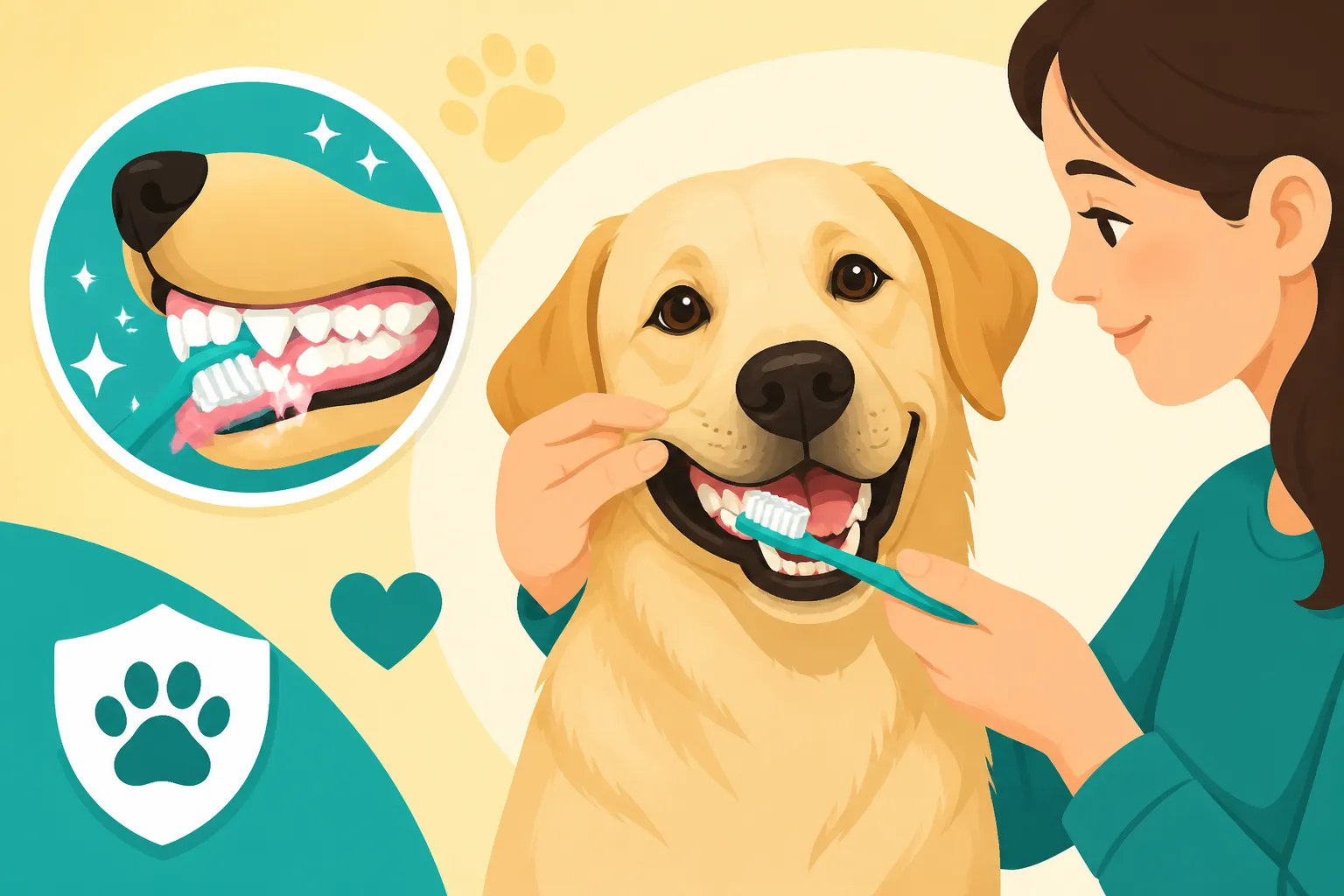
Once your Labrador is happy with mouth handling, toothpaste, and the toothbrush, you can start the actual brushing. The goal is to focus on the outer surfaces of the teeth, as this is where plaque and tartar accumulate most quickly. Most dogs don't build much plaque on the inside surfaces of their teeth due to their tongue's natural cleaning action.
- Positioning: Find a comfortable position for both of you. You might sit on the floor with your Labrador between your legs, or have them stand calmly beside you.
- Lift the Lip: Gently lift your Labrador's upper lip to expose the teeth and gum line.
- Angle the Brush: Hold the toothbrush at a 45-degree angle to the gum line, just like you would for your own teeth.
- Brush Gently: Use small, circular motions, focusing on one or two teeth at a time. Work your way from the front teeth (incisors and canines) back to the molars. The molars and premolars, particularly the upper ones, are often the most problematic areas.
- Focus on the Gum Line: Pay special attention to the area where the tooth meets the gum, as this is where plaque starts to form.
- Praise and Reward: Throughout the process, offer soft, encouraging words. After you've brushed a few teeth, give a reward and a break. Gradually increase the number of teeth you brush in one session.
- Repeat: Aim to brush at least a few times a week, ideally daily. Consistency is far more important than intensity. Even a quick brush is better than no brush at all.
Remember, you're not trying to scrub them raw. Gentle, effective cleaning is the aim. If you notice any bleeding or extreme sensitivity, stop and consult your vet – it could be a sign of existing dental disease.
Making It a Positive and Consistent Routine
The secret to long-term success with at-home dental care for your Labrador lies in making it a positive and predictable part of their routine. Pick a time of day when your Lab is relaxed, perhaps after a walk or a meal, and try to stick to it. Turn it into a bonding experience, not a chore.
Always start and end with praise and a high-value reward. This could be a special treat, a favorite toy, or even a short game of fetch immediately after. If your Labrador resists, don't force it. End the session, try again later or the next day, and go back to a step they were comfortable with. Forcing the issue will only create negative associations and make future attempts harder. Think of it as a brief, positive interaction that just happens to involve a toothbrush. Over time, your Labrador will associate the toothbrush, the toothpaste, and your gentle handling with good things, making the entire process easier and more effective for their long-term health. A healthy mouth contributes significantly to a Labrador lifespan and what changes it.
Troubleshooting Common Challenges and Keeping Up the Habit
Even with the best intentions and the right tools, you might hit some snags when trying to brush your Labrador's teeth. It's completely normal for dogs to be a bit resistant at first, especially if they're not used to having their mouth handled. The key is persistence, patience, and knowing when to pivot or seek professional help. Don't get discouraged – every little bit of effort helps.
Dealing with Resistance and Anxiety
If your Labrador is a bit of a drama queen about having their teeth brushed, you're not alone. Many dogs find it an invasive experience. Here are some strategies:
- Go Back to Basics: If resistance crops up, revert to a previous step where your dog was comfortable. Maybe it's just licking toothpaste off your finger, or simply lifting their lip for a second. Rebuild trust slowly.
- Shorten Sessions Drastically: If your Lab tolerates only 10 seconds, do 10 seconds. Three short, positive sessions are better than one long, stressful one. Gradually extend the time as they become more comfortable.
- High-Value Rewards Are Key: What motivates your Lab the most? Is it a piece of boiled chicken, a squeaky toy, or a special belly rub? Use their absolute favorite reward immediately after even a tiny bit of cooperation.
- Change the Scenery: Sometimes a change of location can help. Try brushing in a different room, or even outside, to see if a new environment reduces anxiety.
- Enlist Help: If possible, have another family member gently hold your Labrador while you brush. One person can focus on praise and treats while the other handles the brush.
- Consider a Different Tool: Maybe the long-handled brush is too imposing. Try a finger brush for a while, or even just gauze wrapped around your finger with toothpaste, to ease them into the sensation.
- Stay Calm and Patient: Your Labrador can pick up on your stress. Approach each session with a calm, positive demeanor, even if you’re internally frustrated. Deep breaths for both of you!
Remember that some Labradors, particularly those with a history of neglect or trauma, might have deeply ingrained fear. For these cases, working with a certified professional dog trainer or veterinary behaviorist might be necessary to ensure safety and prevent worsening their anxiety.
When to Seek Professional Veterinary Dental Care
While at-home brushing is vital, it doesn't replace regular veterinary dental check-ups and cleanings. Your veterinarian can assess your Labrador's overall oral health, identify issues you might miss, and recommend professional cleaning under anesthesia if needed. This is crucial for truly comprehensive care, much like the routine vet spending you budget for your Labrador's general well-being.
You should definitely schedule a vet visit if you notice any of the following signs, even if you are brushing regularly:
- Excessive Bad Breath: This is a strong indicator of infection or severe dental disease.
- Red, Swollen, or Bleeding Gums: These are classic signs of gingivitis or more advanced periodontal disease.
- Visible Tartar Buildup: Hard, yellowish-brown deposits on the teeth that you can't remove with brushing.
- Loose or Missing Teeth: A sign of severe periodontal disease and pain.
- Difficulty Eating: Dropping food, reluctance to chew, favoring one side of the mouth, or crying out while eating.
- Paw Rubbing at the Mouth: This can indicate discomfort or pain.
- Changes in Behavior: Lethargy, irritability, or decreased playfulness could be linked to chronic pain from dental issues.
- Growths or Lumps in the Mouth: Any unusual masses should be checked immediately for potential cancer or other serious conditions.
A professional cleaning allows the vet to remove tartar above and below the gum line, polish the teeth, and examine each tooth for damage or disease. If dental issues are significant, your vet might recommend X-rays to check for problems below the gum line and may need to extract teeth that are beyond saving. While the cost of Labrador dental cleaning might seem high, it's an investment in their health that can prevent more serious (and even more expensive) issues down the line. Many pet insurance providers, like Healthy Paws, offer coverage for dental illnesses, so it's always worth looking into options to help manage these potential costs. Early intervention is always better, not just for your wallet, but for your Labrador's comfort and well-being.
Disclaimer
This guide provides general information and recommendations for at-home dental care for Labrador Retrievers. It is not a substitute for professional veterinary advice, diagnosis, or treatment. Always consult with your veterinarian regarding any specific health concerns, dental issues, or before making any changes to your Labrador's diet or healthcare routine.