The DNM1 Mutation Behind Labrador Collapse
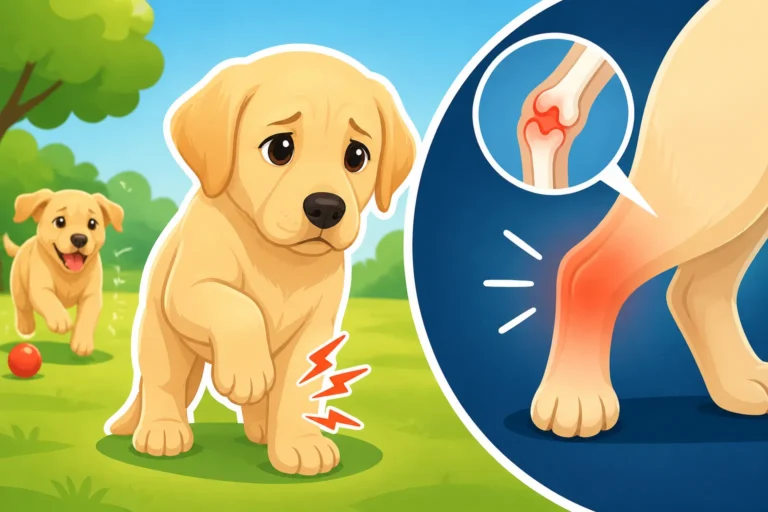
It’s truly terrifying when your vibrant, energetic Labrador suddenly loses coordination and collapses during a game of fetch or a strenuous run. One moment they're full of life, the next their hind legs are giving out, and you’re left wondering what on earth just happened. This guide aims to demystify Exercise-Induced Collapse (EIC) in Labradors, shedding light on the underlying genetic cause: the DNM1 mutation, and how understanding it can help you manage and even prevent these distressing episodes.
Understanding Exercise-Induced Collapse EIC
Seeing your beloved Labrador suddenly collapse can send a wave of panic through any owner. It's a shocking sight, especially when they were just moments ago bounding with their usual enthusiasm. This isn't just about them tiring out; EIC is a specific neurological condition with distinct characteristics that are crucial to recognize.
What EIC Looks Like in a Labrador
An EIC episode typically begins after 5-20 minutes of strenuous exercise, especially activities that involve high excitement and sustained effort. Imagine your Labrador, full of joy, relentlessly chasing a tennis ball in the park on a warm day. You might first notice a slight wobbliness in their hind limbs, almost like they're drunk. This can quickly progress to weakness, making their rear end sag or drag. Their gait becomes uncoordinated, and they might struggle to maintain balance. In more severe cases, they might completely collapse, unable to move their back legs, and sometimes even their front legs.
What’s particularly harrowing for owners is that during these episodes, your Labrador usually remains fully conscious and alert, often trying to get up or continue the activity, but physically unable to. They might appear disoriented or confused by what's happening to their body. The collapse isn't usually painful, but it's clearly unsettling for them. Typically, these episodes last anywhere from 5 to 25 minutes, after which your dog will gradually recover and appear normal again, although they might be noticeably tired for a while. It’s a classic scenario where a dog will be fine during the initial burst of energy, but as the exertion continues, the symptoms progressively worsen. For a more detailed look at the symptoms, you might want to read our article on What an EIC Episode Looks Like in a Labrador.
Distinguishing EIC from Other Conditions
It’s easy to jump to conclusions when your dog collapses, and many owners initially fear heatstroke, hypoglycemia, or even a sudden heart issue. While EIC shares some superficial similarities with these conditions, there are critical differences. For instance, with heatstroke, a dog will often show clear signs of overheating before collapsing, such as excessive panting, bright red gums, thick saliva, and a dangerously high body temperature. A dog with heatstroke will also likely be disoriented, confused, and may even lose consciousness, which is uncommon for EIC. Their recovery is also often much slower and requires active cooling interventions.
Hypoglycemia, or low blood sugar, typically causes generalized weakness, tremors, and can lead to seizures or unconsciousness, often not directly linked to specific exercise types. Neurological conditions like seizures can cause collapse, but they usually involve loss of consciousness, uncontrolled muscle movements, and a post-ictal (after-seizure) period of disorientation that differs from EIC’s recovery. The key differentiator for EIC is the selective weakness in the hindquarters, the maintenance of consciousness, and the relatively rapid, albeit temporary, recovery with rest. If you're ever in doubt, or if your Labrador exhibits any signs of distress or doesn't recover quickly, immediate veterinary attention is always the safest course of action. They can help you determine if you are Telling EIC From Heatstroke in a Labrador.
The Science Behind the DNM1 Mutation
Understanding the "why" behind EIC involves a little dip into genetics and neurobiology. It's not just a random event; it's rooted in a specific glitch in your Labrador's genetic code that impacts how their nerves communicate under stress.
What is the DNM1 Gene?
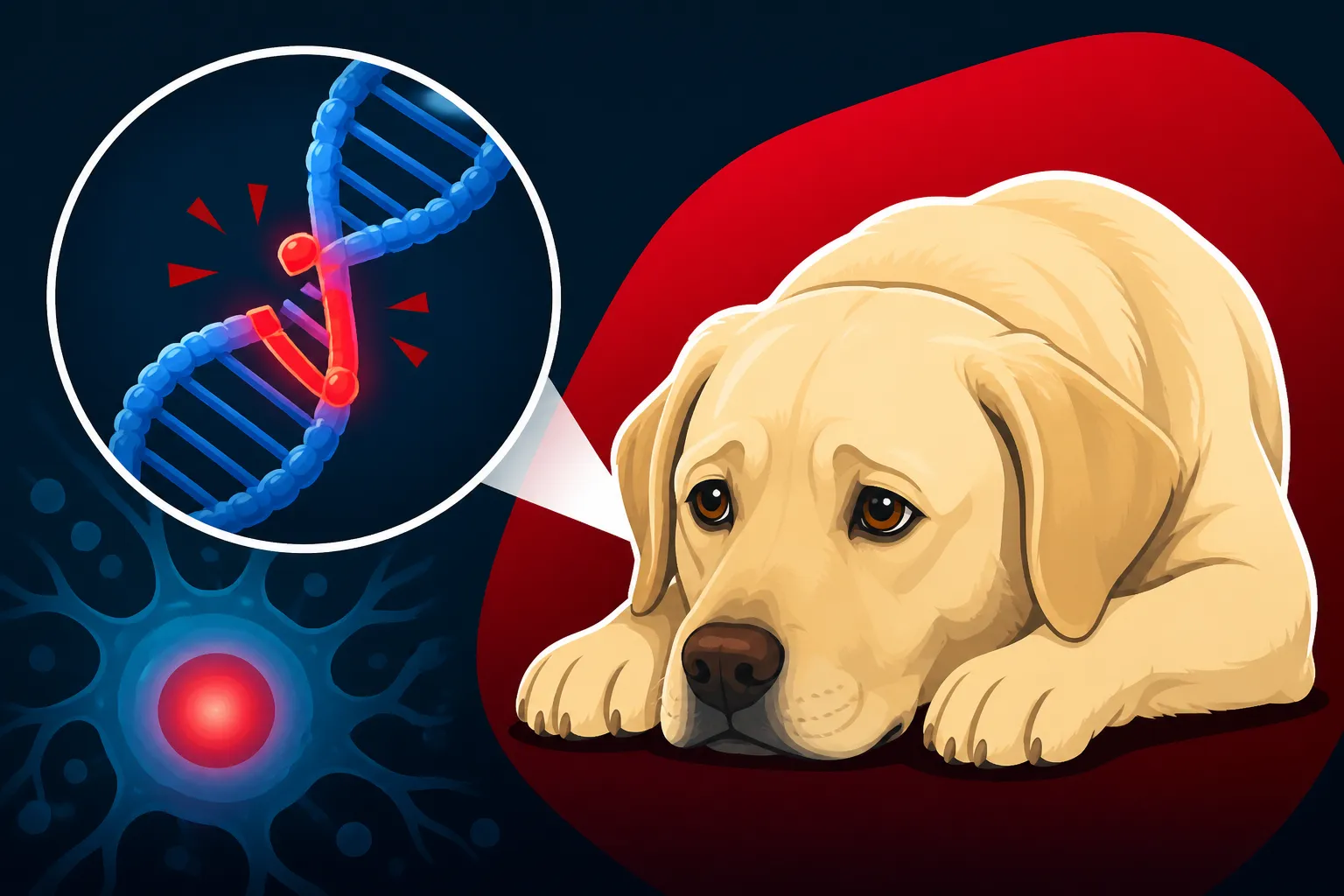
At the heart of Exercise-Induced Collapse lies a specific genetic mutation within the DNM1 gene. To put it simply, the DNM1 gene is responsible for producing a protein called dynamin 1. This protein plays a crucial role in nerve cells, particularly in a process known as synaptic vesicle recycling. Think of your nerve cells as tiny messengers, and the messages they send are packaged in little "envelopes" called synaptic vesicles. When a nerve cell wants to send a message, these envelopes release their contents (neurotransmitters) into the space between nerve cells. After they've delivered their message, these envelopes need to be quickly recycled and refilled to send the next message.
Dynamin 1 is like the efficient mailroom manager that ensures these envelopes are promptly collected, processed, and ready for reuse. Without a properly functioning dynamin 1 protein, this recycling process becomes sluggish or inefficient. It's like having a mailroom where used envelopes pile up, making it harder and harder to send new messages because there are no fresh envelopes available.
How the Mutation Leads to Collapse
During normal, low-to-moderate activity, the nerve cells can generally keep up with the demand for message transmission, even with a slightly faulty dynamin 1. However, when a Labrador with the DNM1 mutation engages in intense, high-arousal activities, the demand on these nerve cells skyrockets. The rapid firing of nerve impulses quickly overwhelms the compromised recycling system. The "used envelopes" (synaptic vesicles) don't get recycled fast enough, leading to a shortage of fresh ones. Consequently, nerve messages, especially those controlling muscle function, start to falter and eventually fail to transmit effectively.
This breakdown in nerve communication primarily affects the muscles, particularly those in the hind limbs, because they are often under the most strenuous and sustained demand during typical Labrador activities like retrieving or prolonged running. The muscles themselves are not the problem; it's the signals from the brain telling them what to do that get interrupted. This "use-dependent" phenomenon explains why the collapse often occurs after a period of intense exertion rather than immediately. It’s a cumulative effect as the nerve cells become increasingly fatigued and unable to maintain proper signaling.
Inheritance Pattern of EIC
The DNM1 mutation that causes EIC is inherited in an autosomal recessive pattern. This means that a Labrador must inherit two copies of the mutated gene—one from each parent—to be "affected" and exhibit symptoms of EIC.
Here's a breakdown of the genetic statuses:
- Clear (N/N): The dog has two normal copies of the gene. They cannot develop EIC and cannot pass the mutated gene to their offspring.
- Carrier (N/EIC): The dog has one normal copy and one mutated copy of the gene. They will not develop EIC symptoms themselves because the normal copy is sufficient to produce enough functional dynamin 1. However, they can pass the mutated gene to 50% of their offspring.
- Affected (EIC/EIC): The dog has two copies of the mutated gene. They will develop EIC symptoms if exposed to appropriate triggers. They will pass a mutated copy to all of their offspring.
The implications for breeding are significant. If two carriers (N/EIC) are bred together, there's a 25% chance with each puppy that it will be affected (EIC/EIC), a 50% chance it will be a carrier (N/EIC), and a 25% chance it will be clear (N/N). Responsible breeders diligently test their breeding stock to avoid producing affected puppies and to gradually eliminate the mutation from their lines. Understanding this inheritance pattern is crucial for maintaining the health of the Labrador breed.
Identifying and Testing for the DNM1 Mutation
Knowing what EIC looks like is the first step, but confirming it and understanding its implications requires specific testing. It's about being proactive and informed, especially if you've witnessed concerning episodes or are considering adding a Labrador puppy to your family.
When to Suspect EIC in Your Labrador
If you've owned an active Labrador, you know their boundless energy. However, if you notice your dog, typically between 5 months and 3 years of age, starting to show signs of wobbliness, weakness, or collapse after about 5 to 20 minutes of high-intensity, high-arousal activity, EIC should be on your radar. Common triggers include enthusiastic retrieving games, intense training sessions, competitive field trials, or even prolonged swimming. The key isn't just the physical exertion itself, but often the level of excitement associated with it. For example, a leisurely walk might not trigger an episode, but a frantic chase after a thrown ball could. You might also notice that these episodes are more likely to occur in warm weather or when your dog is particularly excited.
It's crucial to be a keen observer of your dog's behavior during and after strenuous exercise. Pay attention to subtle changes: a slight tremor, a dragging hind paw, or an unusual stiffness. These early signs can be fleeting but are important indicators. If you’ve observed any of these patterns, discussing them with your veterinarian is vital. While there might be other causes, ruling out EIC through specific testing is a logical next step to ensure proper management. The article What Triggers an Exercise-Induced Collapse Episode has more information on specific triggers.
DNA Testing for the DNM1 Mutation
Fortunately, identifying the DNM1 mutation is straightforward thanks to readily available DNA testing. This is a non-invasive process that you can often do from the comfort of your own home. Typically, it involves collecting a cheek swab from your dog. You simply rub a sterile cotton swab against the inside of their cheek to collect epithelial cells, which contain their DNA. This sample is then sent to a specialized veterinary genetics laboratory. Reputable labs like VetGen, Embark Veterinary, Optimal Selection, or Canine Health Check offer EIC testing as part of their comprehensive genetic panels.
Once the lab analyzes the DNA, you will receive a report indicating your Labrador's genetic status:
- N/N (Clear): No copies of the DNM1 mutation were found. Your dog will not develop EIC and cannot pass the mutation to offspring.
- N/EIC (Carrier): One copy of the DNM1 mutation was found. Your dog will not develop EIC but carries the gene and can pass it to 50% of its offspring.
- EIC/EIC (Affected): Two copies of the DNM1 mutation were found. Your dog is genetically predisposed to EIC and will likely exhibit symptoms if subjected to trigger activities.
This testing is invaluable, not just for affected dogs but also for carriers, especially if they are part of a breeding program. Knowing your dog's status empowers you to make informed decisions about their exercise routine and, for breeders, about responsible breeding practices. Our article, Testing a Labrador for Exercise-Induced Collapse, goes into more depth on the testing process.
Interpreting Test Results for Breeding
For breeders, understanding the DNM1 test results is paramount to the health of future generations. If a dog is "Clear" (N/N), they can be safely bred with any other dog without the risk of producing affected puppies. If a dog is a "Carrier" (N/EIC), they themselves will not show symptoms of EIC. However, breeding a carrier to another carrier is a recipe for disaster, as 25% of their puppies, on average, will be "Affected" (EIC/EIC). To avoid producing affected puppies, a carrier should only be bred to a dog that is "Clear" (N/N). In this scenario, all puppies will either be clear or carriers, but none will be affected. This strategy allows breeders to maintain valuable genetic lines while gradually working to eliminate the EIC gene from their breeding stock.
The goal for any responsible breeder is to produce healthy puppies, and genetic testing for conditions like EIC is a fundamental component of that responsibility. Breeders should be transparent about their dogs' genetic test results and provide proof to potential puppy buyers. This ensures that prospective owners know exactly what they are getting and can anticipate any potential health challenges. For more information, please see our guide on What an EIC Carrier Result Means for Breeding. Pet insurance providers like Healthy Paws may cover diagnostic tests or treatments for newly diagnosed conditions, but often have waiting periods and exclusions for pre-existing conditions, so early testing by breeders is always the best preventative measure.
Managing a Labrador with EIC
While receiving an EIC diagnosis can be disheartening, it's not a death sentence, nor does it mean your Labrador can't live a full, happy life. The key is intelligent management and understanding their limits.
Modifying Exercise Routines
The most critical aspect of managing a Labrador with EIC is carefully modifying their exercise routine. This doesn't mean no exercise at all – Labradors need physical and mental stimulation – but rather avoiding the high-intensity, high-arousal activities that trigger collapse. Forget the marathon fetch sessions or competitive dock diving for an affected dog. Instead, focus on low-impact, lower-arousal activities. Think calm, leashed walks, perhaps with a long line in a secure area for some sniffing and exploring. Swimming can be a fantastic, low-impact exercise, but even in water, overexcitement or sustained, frantic retrieving could trigger an episode, so supervise carefully.
Puzzle toys, scent work, and short, calm training sessions can provide excellent mental stimulation without pushing your dog to physical collapse. The goal is to provide enough activity to keep them fit and happy, but always staying well within their individual limits. Every EIC-affected dog might have slightly different triggers and thresholds, so careful observation and learning what your specific Labrador can handle without issue is paramount. It’s a process of trial and error, but always prioritizing their safety and well-being. Our article on Living With an EIC Affected Labrador offers practical tips for daily life.
First Aid During an EIC Episode
Despite careful management, an EIC episode might still occur, especially if an unexpected trigger arises. Remaining calm is the most important thing you can do for your Labrador. When you see the signs of collapse – the wobbliness, the dragging hind legs, the eventual inability to move – immediately stop all activity. Gently guide your dog to a cool, quiet place if possible. If you're outdoors, seek shade. Reassure your dog calmly; your panic will only increase their stress. While they remain conscious, they can pick up on your anxiety.
Offer them water, but don't force it. The most effective "treatment" for an EIC episode is complete rest. As their nerve cells recover and synaptic vesicle recycling normalizes, they will gradually regain control of their limbs. This recovery typically happens within 5 to 25 minutes. During this time, simply monitor them and ensure they are safe and comfortable. Avoid any attempts to make them stand or walk before they are ready. Once they've fully recovered, they will appear normal, though perhaps a bit tired. Always consult your vet if recovery is prolonged, or if you're ever concerned about their breathing or overall condition. For more guidance on what to do, refer to What to Do While a Labrador Is Collapsing. Having pet insurance like Healthy Paws can give you peace of mind, knowing that if a vet visit is needed for diagnostics or emergency care related to an episode, you'll have support.
Long-Term Care and Prognosis
The good news for Labradors diagnosed with EIC is that it's generally considered a benign, non-progressive condition if properly managed. It's not typically painful, and with careful avoidance of triggers, affected dogs can live long, fulfilling lives. The collapses themselves usually don't cause lasting damage, though repeated severe episodes could lead to minor injuries if the dog falls awkwardly. The prognosis is excellent for dogs whose owners are committed to understanding and adhering to their dog's specific exercise limitations.
Long-term care revolves around a consistent management plan developed in consultation with your veterinarian. This might involve periodic check-ups to assess overall health and ensure the management strategy is working. Mental enrichment is incredibly important for these intelligent dogs, so incorporating activities like puzzle feeders, obedience training without high-impact movements, and supervised play that doesn't escalate to an EIC trigger will contribute greatly to their quality of life. Owners of EIC-affected dogs often find immense joy in discovering new, safe ways to bond and engage with their Labradors. While EIC doesn't typically require expensive ongoing medication, having a solid pet insurance plan like Healthy Paws can be beneficial for covering any unexpected vet bills, from routine check-ups to any unforeseen complications that might arise.
The Broader Impact and Prevention
EIC isn't just an individual dog's problem; it has implications for the entire Labrador Retriever breed. Understanding its prevalence and how responsible breeding practices can prevent it is key to safeguarding the health of future generations.
Prevalence of the DNM1 Mutation
Studies have shown that the DNM1 mutation is surprisingly common within the Labrador Retriever population. Research, including findings from institutions like the University of Minnesota, which pioneered much of the work on EIC, indicates that a significant percentage of Labradors are carriers (N/EIC), and a smaller but still notable percentage are affected (EIC/EIC). For instance, some studies suggest that as many as 10-15% of Labradors might be carriers, and 1-2% could be affected. This means that if breeders are not proactively testing their dogs, the chances of inadvertently producing affected puppies are quite high.
The widespread nature of this mutation highlights why genetic testing is not just a niche recommendation but a crucial step for anyone involved in breeding or purchasing a Labrador. Awareness campaigns and readily available testing have made a significant difference in recent years, allowing breeders to make informed decisions and reduce the incidence of EIC. Knowing How Many Labradors Carry the EIC Gene underscores the importance of this proactive approach.
Breeder Responsibility and Health Clearances
Responsible breeding goes far beyond just pretty pedigrees and cute puppies. It involves a deep commitment to the health and welfare of the breed, and this unequivocally includes genetic health screening. Any reputable Labrador breeder should be able to provide clear evidence of health clearances for their breeding stock, and this absolutely includes EIC testing for the DNM1 mutation. Beyond EIC, breeders should also screen for other common Labrador health issues such as hip and elbow dysplasia, eye conditions like Progressive Retinal Atrophy (PRA), and often cardiac health.
When looking for a puppy, always ask to see the parents' health certifications. These aren't just pieces of paper; they are proof that the breeder is taking steps to minimize the risk of passing on inherited conditions. If a breeder hesitates or cannot provide these clearances, it should be a significant red flag. It’s an ethical imperative to test breeding dogs to ensure they are not carriers or, at the very least, to ensure that if a dog is a carrier, it is only bred to a clear dog. This commitment helps to safeguard the breed's future and ensures that new puppy owners are bringing home the healthiest possible companion. For a comprehensive list of what to look for, check out our guide on Health Clearances a Labrador Breeder Must Show.
Research and Future Directions
The journey of understanding EIC and the DNM1 mutation is a testament to the power of veterinary genetic research. What was once a mysterious and frightening condition is now well-understood, diagnosable, and manageable, thanks to dedicated researchers. This field continues to evolve, with scientists constantly working to uncover more about genetic predispositions in various breeds, improving diagnostic tools, and exploring potential therapeutic avenues.
While EIC management is largely behavioral (avoiding triggers), ongoing research might one day lead to pharmacological interventions or even more advanced genetic therapies. The continued collaboration between veterinary universities, breeders, and dog owners is vital for advancing this knowledge. By participating in studies, submitting samples, and diligently managing affected dogs, owners contribute to a larger pool of data that benefits the entire canine population. Support for organizations that fund canine health research is also crucial in these efforts to improve the lives of our beloved companions.
EIC vs. Heatstroke Symptoms
To reiterate the distinctions between EIC and the potentially life-threatening condition of heatstroke, here’s a quick comparison:
| Feature | Exercise-Induced Collapse (EIC) | Heatstroke |
|---|---|---|
| Cause | Genetic mutation (DNM1) affecting nerve transmission | Overheating, inability to cool down |
| Onset | After 5-20 minutes of high-arousal, strenuous exercise | Can be gradual or sudden, usually in hot/humid conditions |
| Primary Symptoms | Hind limb weakness, wobbling, dragging, eventual collapse | Excessive panting, bright red gums, thick saliva, vomiting |
| Consciousness | Typically remains conscious and alert | Disorientation, stupor, loss of consciousness, seizures |
| Body Temperature | Normal or slightly elevated (up to 105°F), normalizes quickly | Dangerously high (often >105°F, can reach 107-109°F) |
| Pain | Generally not painful, but disorienting | Extreme distress, discomfort, organ damage |
| Recovery | Gradual recovery with rest (5-25 minutes), then normal | Slow recovery, requires active cooling and veterinary intervention |
| Long-Term Risk | None if managed by avoiding triggers | Serious organ damage, neurological issues, potentially fatal |
Disclaimer
The information provided in this article is for educational and informational purposes only and does not constitute veterinary advice. Always consult with a qualified veterinarian for any health concerns or before making any decisions about your Labrador's care, diet, or treatment.