What to Do While a Labrador Is Collapsing
Seeing your beloved Labrador suddenly collapse is one of the most terrifying experiences a dog owner can face. That heart-stopping moment, the sudden loss of control, and the immediate fear for their life can make even the most seasoned dog parent feel completely helpless and overwhelmed. This guide is here to walk you through those critical first moments, providing clear, actionable steps to take when your Labrador collapses, helping you respond effectively and get them the urgent care they need.
The Immediate Aftermath: Prioritizing Safety and Staying Calm
When your Labrador collapses, your first instinct might be to panic – and that’s a completely natural reaction. However, those initial seconds and minutes are crucial, and maintaining a level head, as difficult as it might seem, will allow you to act decisively and potentially make a life-saving difference. The goal is to secure their safety and gather vital information for the veterinary team.
Securing Their Environment and Your Own Safety
The very first thing you need to do, even before you fully assess your Labrador, is ensure the immediate area is safe for both of you. If they’ve collapsed in a dangerous spot, like near a road, on slippery stairs, or in extreme weather conditions (like direct scorching sun or icy cold), you need to move them cautiously to a safer location. For example, if your black Labrador collapses on hot asphalt during a summer walk, the pavement itself could be causing secondary burns and exacerbating heatstroke. Gently, but quickly, slide them onto a cooler surface, perhaps a patch of grass or into the shade.
Remember that a dog in distress, even your sweet Labrador, might react unpredictably. While rare for Labs to bite out of pain, it's wise to approach with caution. Speak to them calmly, even if they're unresponsive, letting them know you're there. If they are in severe pain or disoriented, they might inadvertently snap. Having a helper, if possible, is always a good idea, especially with a large dog like a Labrador Retriever, who can weigh 60-80 pounds or more when limp. Once you've moved them, try to create a quiet, low-stress environment. Turn off loud music, keep other pets away, and ask any children to give you space. This allows you to focus and helps reduce any further stress on your dog.
Observing Crucial Details for the Veterinarian
Once your Labrador is in a safe spot, take a deep breath and start observing. Every detail, no matter how small it seems, can be a critical clue for your veterinarian. Try to resist the urge to immediately try and force them to stand or walk, as this could worsen an underlying injury or condition. Instead, focus on gathering information about the collapse itself and their current state.
Ask yourself these questions, and make a mental note (or even a quick voice memo on your phone) of your observations:
- Was the collapse sudden and complete, or did they seem wobbly or disoriented first? Did they stumble, then fall, or just drop?
- What exactly happened before the collapse? Were they exercising vigorously, eating, resting, or seemed particularly excited or stressed? For instance, knowing if they were in the middle of a strenuous game of fetch might point towards something like Exercise-Induced Collapse in Labrador Retrievers, whereas being out in the sun might suggest Signs of Heatstroke in a Labrador.
- Are they conscious? Can they hear you? Are their eyes open or closed? Do they respond to your touch or voice?
- What is their breathing like? Is it fast, shallow, labored, or gasping? Are they making any strange noises?
- What color are their gums? Gently lift their lip. Are they pink, pale, bluish, or brick red?
- How long did the episode last? Was it a momentary stumble, or have they been down for several minutes? Understanding How Long a Labrador EIC Episode Lasts can be very helpful if EIC is suspected.
- Are there any visible injuries? Blood, swelling, or an awkward limb position?
- Are they trying to vomit or retch? This is a critical symptom, especially if their abdomen appears distended, which could indicate a serious condition like bloat.
These details will be invaluable when you speak to your vet, helping them narrow down potential causes more quickly and accurately.
Unpacking the "Why": Common Reasons for Collapse
While your main focus is on immediate action, having a basic understanding of why a Labrador might collapse can help you provide more targeted information to your vet and potentially guide your first-aid response. Labradors are generally robust dogs, but they are prone to certain conditions that can manifest as a sudden collapse. It’s a frightening symptom that always warrants immediate veterinary attention, as it can stem from a wide range of issues.
Differentiating Causes: From EIC to Heatstroke
Labradors, with their enthusiastic nature and love for activity, are particularly susceptible to conditions related to exertion and environmental factors. One well-known cause specific to the breed is Exercise-Induced Collapse in Labrador Retrievers. This genetic condition causes otherwise healthy Labs to collapse after 5-20 minutes of strenuous exercise, often triggered by Heat and Excitement as EIC Triggers. The dog typically remains conscious but loses control of their hind limbs, sometimes progressing to all four.
However, EIC is far from the only possibility. Heatstroke is another significant concern for active Labs, especially those with dense coats like the black Labrador, who might have reduced Heat Tolerance in a Black Labrador. If your dog was exercising in warm weather and shows signs like excessive panting, bright red gums, or vomiting, heatstroke is a strong contender. Distinguishing between Telling EIC From Heatstroke in a Labrador can be tricky without a vet, but knowing the context (e.g., intense play vs. just a warm day) helps. Other critical, sudden causes include:
- Cardiac Issues: Underlying heart conditions, though sometimes silent, can lead to sudden fainting (syncope) or collapse due to insufficient blood flow to the brain.
- Bloat (GDV): Gastric Dilatation-Volvulus is a life-threatening condition where the stomach fills with gas and twists. Labs, being deep-chested, are at a higher Labrador Bloat Risk and Deep Chests. Collapse, retching, and a distended abdomen are classic signs requiring immediate emergency care.
- Severe Injury or Pain: A sudden trauma, like a fall or being hit, could cause intense pain leading to collapse. Similarly, an acute exacerbation of a chronic condition, such as a severe arthritis flare-up or a sudden disc issue, might render them unable to stand. Reading Pain in a Stoic Labrador can be challenging, but a sudden collapse is an undeniable sign of distress.
- Hypoglycemia (Low Blood Sugar): While less common in otherwise healthy adult Labs, severe hypoglycemia can lead to weakness, disorientation, and collapse, particularly in puppies, small or toy breeds, or dogs with certain metabolic diseases.
- Toxins: Ingestion of poisons, certain medications, or even some common household foods could lead to acute neurological symptoms, including collapse.
Understanding these possibilities underscores the importance of quick action and accurate observation to guide veterinary diagnosis.
When to Suspect a True Emergency versus a "Faint"
It can be difficult in the moment to determine the severity, but generally, any unexplained collapse in a Labrador should be treated as an emergency. However, there are subtle differences that might give you a hint, though never negate the need for a vet visit. A true collapse implies a loss of muscle tone and inability to support their own weight, often with a diminished or absent response to stimuli. This is almost always a serious sign.
A "faint" (syncope) is a temporary loss of consciousness due to reduced blood flow to the brain, and the dog typically recovers fairly quickly (within seconds to a minute or two). They might just "pass out" for a moment and then seem almost normal, although often a bit disoriented. While appearing less severe, syncope is still an urgent warning sign of an underlying problem, often cardiac, and warrants immediate veterinary consultation to prevent future, potentially more serious, episodes. On the other hand, EIC episodes often involve the dog remaining conscious but unable to coordinate their movements, which might not look like a "faint" but still constitutes a collapse. Always err on the side of caution: if your Labrador goes down suddenly and unexpectedly, it’s an emergency.
Immediate First Aid: Stabilizing Your Labrador
Once you’ve moved your Labrador to safety and made your initial observations, it’s time to take some immediate first aid steps. The goal here is to stabilize them as much as possible before getting them to the veterinary clinic. Remember, these are temporary measures; they do not replace professional veterinary care.
Checking Vitals and Basic Resuscitation
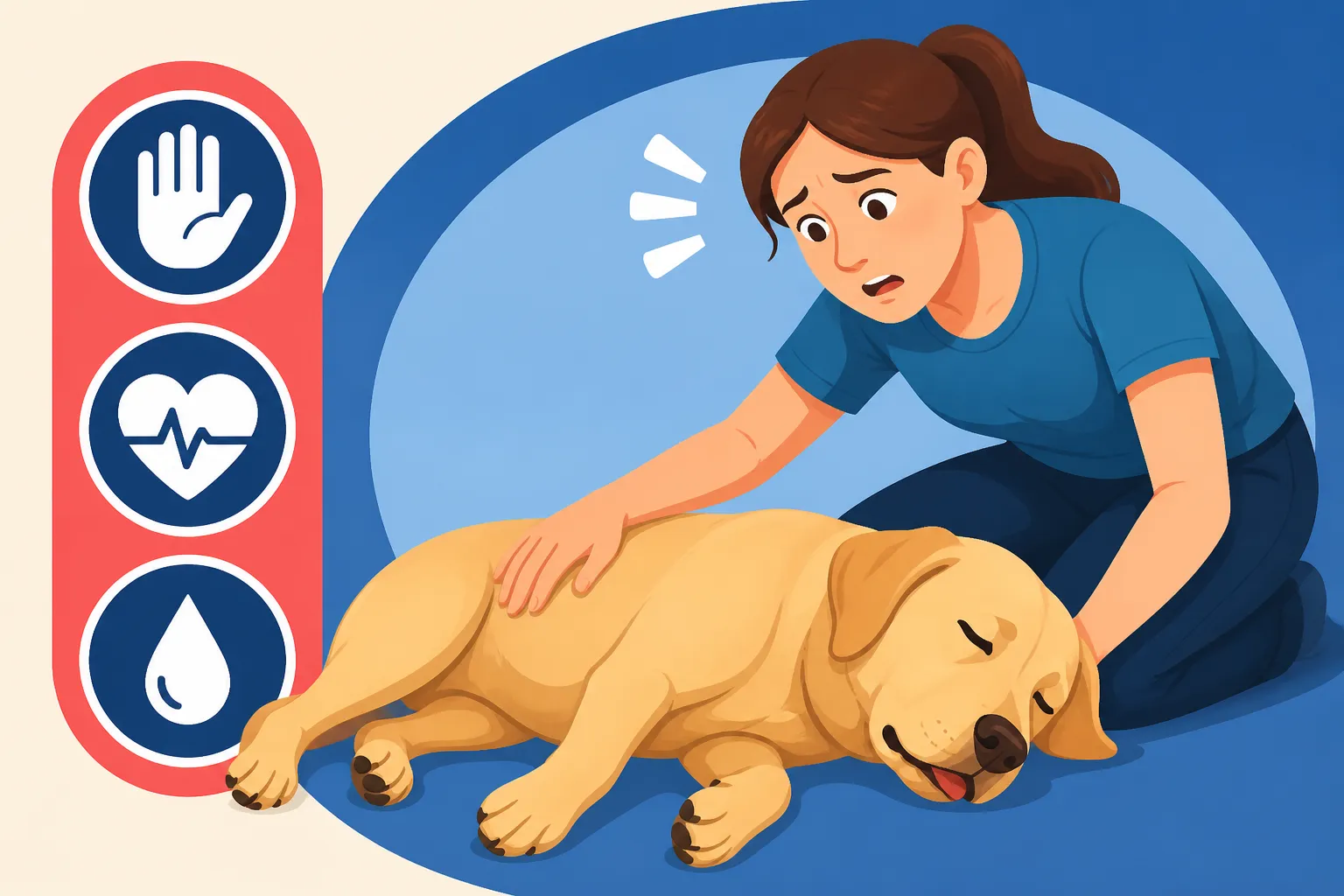
The first, most critical step is to check their breathing and heartbeat. Place your hand on their chest, just behind their elbow. Can you feel a pulse? Look at their chest – is it rising and falling?
- If your Labrador is not breathing and you cannot detect a heartbeat: This is a dire emergency, and you need to initiate cardiopulmonary resuscitation (CPR) immediately if you are trained. If you are not trained, call your vet or emergency clinic immediately for guidance while someone else drives. Time is of the essence.
- If they are breathing but seem labored: Keep their airway open. Gently extend their head and neck and pull their tongue forward slightly to ensure it's not blocking their throat. Clear any visible obstructions, like vomit, with your fingers.
- Check Gum Color: As mentioned earlier, gum color provides critical information about oxygenation and circulation. Healthy gums are bubble-gum pink. Pale or white gums indicate shock or severe blood loss. Bluish or purple gums (cyanosis) mean severe lack of oxygen. Bright red gums can suggest heatstroke or sepsis.
While CPR can be life-saving, it's a complex procedure. If you haven't received training, focus on getting to the vet as fast as possible. Having a basic A First Aid Kit for a Labrador Retriever can be useful for minor injuries but is no substitute for veterinary care in a collapse scenario.
Cooling Measures or Keeping Warm
The environment and potential cause of collapse dictate whether you need to cool them down or keep them warm.
- Cooling Down (if heatstroke is suspected): If you suspect heatstroke – perhaps they were exercising vigorously, it’s a hot day, and they’re panting heavily with bright red gums – immediate cooling is vital. Move them into the shade or an air-conditioned space. You can apply cool (not icy cold) water to their fur, especially on their paws, ear flaps, and groin area. You can also use cool, wet towels. Do not use ice water, as this can cause blood vessels to constrict and hinder cooling. Offer small sips of water if they are conscious and able to swallow, but do not force it. Never cover them with a blanket if you are trying to cool them. Continue cooling measures during transport to the vet, such as keeping the car A/C on full blast.
- Keeping Warm (if shock or exposure is suspected): If it’s cold, or if they are in shock (pale gums, cold extremities, rapid shallow breathing), keeping them warm might be necessary. Gently cover them with a blanket or towel. Do not overheat them, but maintain their body temperature while you prepare for transport.
Knowing when to apply which measure is critical, and a quick phone call to your vet while you're attending to your dog can provide crucial, real-time advice.
The Critical Next Steps: Emergency Veterinary Care
Once you’ve taken those immediate first aid measures, the most important step is to get your Labrador to an emergency veterinary clinic as quickly and safely as possible. Every second counts when a dog collapses, as conditions can deteriorate rapidly.
Contacting Your Veterinarian Immediately
As soon as your Labrador collapses, or even while you’re performing initial first aid, have someone call your regular veterinarian or the nearest 24-hour emergency veterinary hospital. This is not a situation for "wait and see." Describe what happened, your observations, and your dog's current condition. This allows the clinic to prepare for your arrival, ensuring staff are ready and equipment is available the moment you walk through the door.
When you call, be ready to provide:
- Your Labrador's breed, age, and any known medical conditions.
- A concise description of the collapse: when it happened, what they were doing beforehand, and what symptoms you observed (consciousness, breathing, gum color, duration).
- Any first aid you’ve administered.
- Your estimated time of arrival.
Having an established relationship with your vet and knowing the location of the nearest emergency clinic are crucial for these unexpected events. It's often during these critical times that the peace of mind offered by pet insurance, such as through Healthy Paws, can alleviate the financial stress, allowing you to focus solely on your dog's care without hesitation.
Safe Transport to the Clinic
Transporting a large, possibly unresponsive Labrador can be challenging, but doing it safely is paramount to prevent further injury to your dog or yourself.
- Get Help: Enlist a family member or friend. One person can drive while the other attends to the dog.
- Use a Stretcher/Sling: For a larger, collapsed Labrador, a makeshift stretcher can be a lifesaver. A sturdy blanket, a flattened cardboard box, a yoga mat, or even a strong towel can be used to slide them onto and carry them carefully. Ensure their head and neck are supported. Avoid picking them up by their legs or midsection alone, as this could aggravate internal injuries or spinal issues.
- Secure in Vehicle: Once in the car, try to keep them as stable as possible. A large dog bed or crate (if they can be safely moved into it) can help. The goal is to minimize movement and jostling. If they are showing signs of heatstroke, ensure the car's air conditioning is on full blast, directed at them.
- Stay Calm: Continue to speak to your Labrador in a soothing voice. Your calm demeanor, despite the internal turmoil you might feel, can help keep them calmer, too.
Remember that while your actions are vital, getting to professional help is the ultimate priority. Don’t delay because you're trying to perfect first aid at home.
Post-Collapse Monitoring and Follow-Up Care
Even after an initial recovery or a visit to the emergency vet, vigilant monitoring at home is often necessary. Your vet will provide specific instructions, which might include medication, dietary changes, or activity restrictions. It's important to follow these instructions precisely to prevent a recurrence or manage the underlying cause.
You’ll need to watch for any changes in their behavior, appetite, energy levels, or any return of the collapse symptoms. Keep track of their drinking and eating habits. If they seem to be in pain, or if their condition worsens, do not hesitate to contact your vet again. Depending on the diagnosis, your Labrador might need further diagnostic tests (like blood work, X-rays, or an echocardiogram) and specialized treatments. This is where pet insurance, like a plan from Healthy Paws, can be incredibly beneficial, helping to cover the costs of ongoing care, specialist visits, and medications, ensuring your furry friend gets the best possible long-term outlook without adding financial strain to an already stressful situation. Long-term care for conditions that cause collapse, such as certain heart conditions or managing Labrador Arthritis in Middle Age, can become a significant part of their health routine.
Summary of Immediate Actions for Labrador Collapse
| Symptom/Observation | Immediate Action |
|---|---|
| Collapsed, not breathing/no pulse | Begin CPR if trained. Call emergency vet immediately while doing so. |
| Collapsed, breathing labored | Clear airway (extend neck, pull tongue). Call emergency vet immediately. |
| Collapsed, conscious but wobbly | Prevent further injury. Observe carefully. Call vet for advice and transport. |
| Collapsed after strenuous exercise in heat | Move to shade/AC. Apply cool (not cold) water. Call emergency vet immediately. |
| Pale/white gums | Keep warm with blanket. Call emergency vet immediately. |
| Blue/purple gums | Ensure clear airway. Urgent emergency vet. |
| Bright red gums (with panting) | Begin cooling measures. Urgent emergency vet. |
| Retching, distended abdomen | Suspect bloat. Urgent emergency vet. |
| Any unexplained collapse | CALL YOUR VETERINARIAN OR EMERGENCY CLINIC IMMEDIATELY. PREPARE FOR TRANSPORT. |
Disclaimer
The information provided in this guide is for informational purposes only and does not constitute medical advice. Always consult with a qualified veterinarian for any health concerns or before making any decisions about your Labrador's health and treatment. In an emergency, seek immediate veterinary care.