What Labrador Insurance Will Not Pay For
That knot in your stomach when a Labrador-sized vet bill lands in your lap is a feeling no pet parent wants to experience. You've been diligently paying your pet insurance premiums, picturing a safety net for those unexpected emergencies, only to find out that the very thing you needed it for isn't covered. It's frustrating, confusing, and frankly, heartbreaking. This comprehensive guide is here to shed light on the common exclusions in Labrador pet insurance policies, helping you understand the fine print before you're caught off guard.
Understanding the Basics: What Pet Insurance Generally Covers (and Why Exclusions Exist)
Before we dive into what pet insurance doesn't cover, it's helpful to grasp its core purpose and why exclusions are a necessary, albeit often unwelcome, part of the deal. Pet insurance isn't a magical fix-all; it's a financial tool designed to mitigate the often astronomical costs of unexpected veterinary care.
The Core Purpose of Pet Insurance
At its heart, pet insurance is designed to help you afford the treatment your beloved Labrador needs when disaster strikes. Think of it like health insurance for humans – it steps in for accidents, sudden illnesses, and sometimes, chronic conditions once they are diagnosed and managed. For a breed like the Labrador Retriever, known for its boundless energy and playful, sometimes clumsy, nature, an unexpected injury like a torn cruciate ligament or a sudden onset of pancreatitis can quickly rack up thousands in vet bills. Pet insurance aims to ease that financial burden, allowing you to focus on your dog's recovery rather than your bank account. It’s about ensuring that critical care, whether it's emergency surgery or ongoing medication, is accessible without completely depleting your savings. Many Labrador owners find peace of mind knowing they won't have to make impossible choices about their pet's health based solely on cost.
Why Insurers Have Exclusions
If pet insurance covered absolutely everything, premiums would be prohibitively expensive for most people. Insurers, like any business, need to manage risk and maintain financial viability. Exclusions are their way of defining the scope of coverage, preventing abuse, and keeping policies affordable for a broader base of pet owners. These exclusions typically fall into categories like pre-existing conditions (which we'll explore in depth next), preventative care, and cosmetic procedures. They're designed to cover the unforeseen and unpredictable aspects of pet ownership, not the routine costs or conditions that existed before you even bought the policy. Understanding these boundaries upfront can prevent a lot of heartache down the line. It's not about being cruel; it's about defining the terms of a contract that allows the system to work for everyone.
The Big One: Pre-Existing Conditions
This is perhaps the most common and often most heartbreaking exclusion for Labrador owners. You get a diagnosis, breathe a sigh of relief thinking your insurance will cover it, and then hear those dreaded words: "It's a pre-existing condition."
Defining a Pre-Existing Condition for Labradors
A pre-existing condition, in the eyes of pet insurance, is essentially any illness, injury, or symptom that your Labrador had before your policy's start date or before the end of your waiting period, whichever is later. This isn't always as straightforward as it sounds. It doesn't necessarily mean a formal diagnosis from a vet. It could be something as subtle as intermittent limping, a skin rash, or even excessive scratching that was noted in your Labrador's medical records prior to your policy going into effect. For Labradors, certain breed-specific conditions are often watched closely. For example, if your puppy showed even mild signs of lameness in one leg before you had insurance, and later in life gets diagnosed with Labrador Hip and Elbow Dysplasia, that lameness might be considered a symptom of a pre-existing condition, even if the formal diagnosis came much later.
The nuance here is crucial: some conditions might be deemed "curable" pre-existing conditions by certain policies. This means if your Labrador suffered from, say, an ear infection (which can be common for Labradors due to their floppy ears) that was treated and resolved for a specific period (often 180 days or more), a new ear infection might be covered. However, chronic issues, like ongoing allergies or arthritis that flared up before coverage began, are almost universally excluded. It really underscores the importance of getting insurance as early as possible, ideally when your Labrador is a healthy puppy, to ensure the broadest possible coverage for their future.
Navigating the Waiting Periods and Lookback Periods
Most pet insurance policies come with waiting periods – a specific number of days that must pass after your policy's effective date before coverage for certain conditions begins. For accidents, this might be as short as 1-2 days, but for illnesses, it's typically 14 days. Orthopedic conditions, which are a significant concern for large breeds like Labradors, often have even longer waiting periods, sometimes 30 days or even six months. If your Labrador tears a cruciate ligament during the orthopedic waiting period, even if it's the first time, it won't be covered.
Then there are lookback periods. These are crucial for determining pre-existing conditions. Insurers will often review your Labrador's veterinary records for a period before your policy started – sometimes as far back as 12-24 months. If any signs, symptoms, or diagnoses related to a current issue appear in those old records, it could be flagged as pre-existing. This is why a thorough vet visit and a clean bill of health before purchasing insurance and letting waiting periods pass is so important. A comprehensive genetic panel worth running on a Labrador might reveal predispositions, but insurance usually looks at manifest symptoms. Even if your Labrador showed subtle signs of Labrador Arthritis in Middle Age years before it became severe, those initial notes could preclude coverage later.
Specific Examples for Labradors
Let's get specific about how pre-existing conditions can affect Labradors, given their common health challenges.
- Hip and Elbow Dysplasia: This is a big one. If your vet records show any mention of a slight limp, an unusual gait, or even a casual observation about "puppy lameness" before your policy's waiting period ended, then future diagnoses or treatments for Labrador Hip Dysplasia Signs and Onset or elbow dysplasia might be denied. Even if the signs were mild and didn't seem serious at the time, insurers will often link them to the later, more severe diagnosis. This is why ethical breeders provide health clearances.
- Allergies and Skin Issues: Labradors can be prone to allergies, leading to skin infections and ear issues. If your dog had a hot spot, chronic ear infections, or was scratching excessively before your policy's start date, even if it wasn't formally diagnosed as "allergies," subsequent treatments for these recurring conditions might be considered pre-existing. This is a common pitfall for owners trying to manage Labrador Ear and Skin Disease.
- Obesity-Related Conditions: Labradors are famously food-motivated and prone to weight gain. While being overweight itself isn't a pre-existing condition, if your Labrador was already obese before your policy began, and later developed conditions directly linked to that obesity, such as diabetes or certain joint issues exacerbated by weight, those conditions could be denied. This is particularly relevant given Why Labradors Gain Weight So Easily.
- Cardiac Issues: If your Labrador had a heart murmur noted in their records at an early age, even if it was deemed innocent or benign at the time, it could later be used to deny coverage for any serious heart conditions that develop, like subvalvular aortic stenosis (SAS), which Labradors can be predisposed to.
It's a tough pill to swallow, but these examples highlight why reading the fine print and asking very specific questions about pre-existing conditions before you commit to a policy is absolutely essential.
Preventative and Routine Care Exclusions
While many pet owners hope their insurance will cover everything, routine wellness care is one of the most common categories of exclusions in standard accident and illness policies. This often comes as a surprise to new pet parents.
Vaccinations, Parasite Control, and Wellness Exams
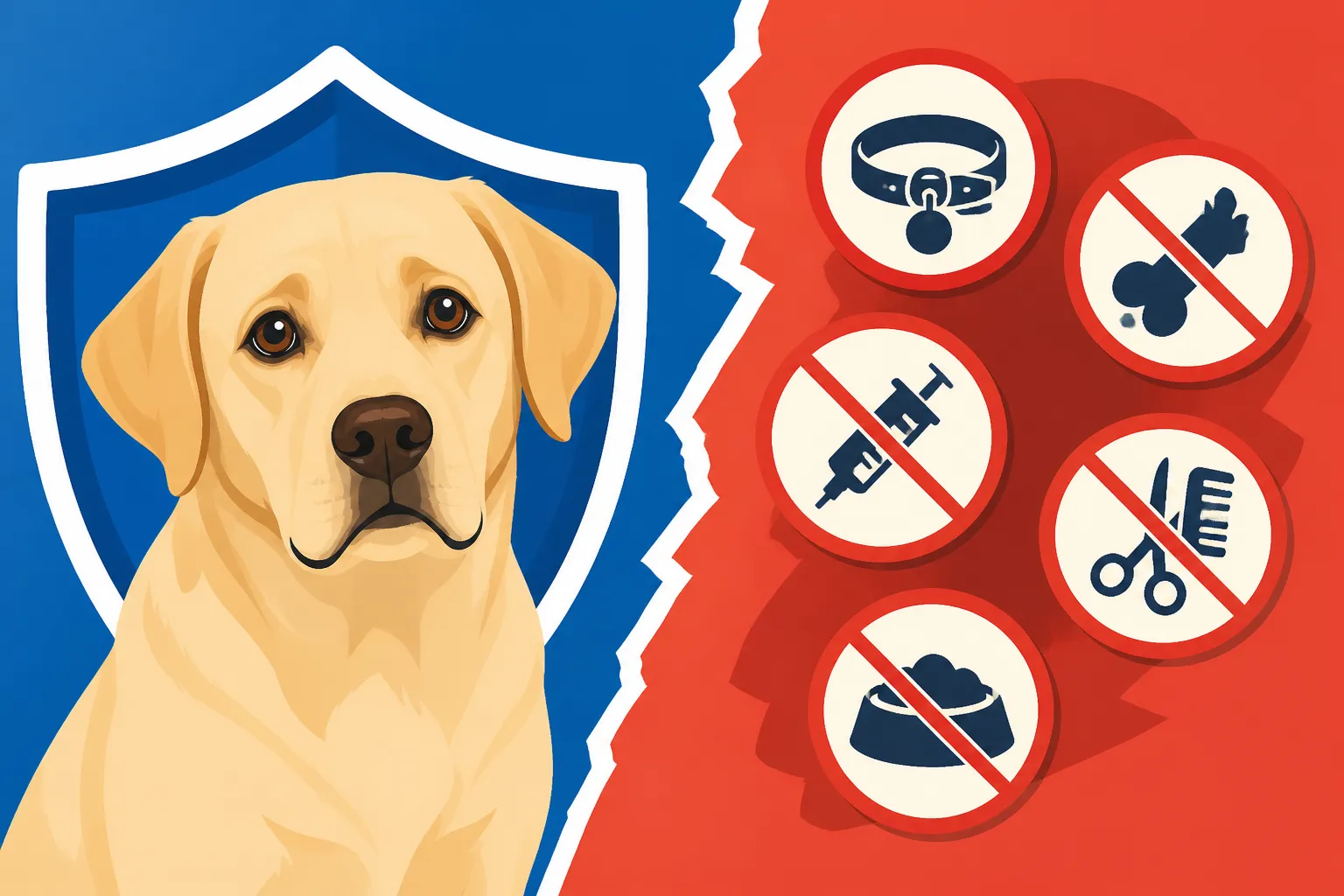
Think about your own health insurance: it covers sickness and injury, but not typically your annual physical, flu shot, or regular vitamins, unless you have a specific wellness rider. Pet insurance generally operates the same way. Standard policies almost never cover routine veterinary visits for check-ups, annual vaccinations, or preventative parasite control. This means the cost of your Labrador's yearly visit, their rabies shot, distemper/parvo boosters, or their monthly heartworm and flea/tick medication will come out of your pocket.
Even seemingly simple procedures like a fecal exam or bloodwork done during a routine check-up to ensure your Labrador is healthy are usually excluded. While these might seem like small costs individually, they add up significantly over a Labrador's lifetime. Many providers, including those found through marketplaces like Chewy, do offer "wellness plans" or "riders" that can be added to a base policy for an additional monthly fee. These plans do cover a portion of preventative care, like vaccinations, deworming, and sometimes even routine dental cleanings. However, it's crucial to compare the cost of the wellness plan to the actual services it covers to see if it truly offers savings for your Labrador Vaccination and Parasite Schedule. For some, it's worth it for the predictable monthly budgeting; for others, simply saving the money earmarked for premiums makes more sense.
Elective Procedures and Grooming
Beyond the basics, many other non-urgent or cosmetic procedures are also typically excluded. This can include things like:
- Spaying and Neutering: While highly recommended for most pets, the cost of spaying a female Labrador or neutering a male Labrador is almost universally not covered by standard pet insurance policies. Some wellness plans might offer a small reimbursement, but it's rarely the full cost. This is considered an elective procedure unless medically necessary due to an acute condition (e.g., emergency spay for pyometra).
- Dental Cleanings: Routine dental cleanings to prevent Labrador Dental Disease and Tartar are usually not covered, although many wellness plans include some allowance for them. However, if your Labrador develops a dental disease like a fractured tooth or severe gum infection that requires extraction due to an accident or illness (not just lack of cleaning), that might be covered by an accident/illness policy, depending on the provider and your plan. Again, it’s about the unexpected vs. routine maintenance.
- Grooming: Even though Labradors have relatively low-maintenance coats, things like professional bathing, nail trims, or ear cleaning by a groomer are never covered. These are considered routine owner responsibilities.
- Microchipping: While important for identification, the cost of microchipping your Labrador is typically an out-of-pocket expense.
- Boarding and Daycare: Costs associated with boarding your Labrador while you're away or sending them to daycare are not covered, even if you are hospitalized for an emergency.
It's important to remember that pet insurance focuses on medical necessity arising from unexpected events, not the general upkeep and care of your pet.
Hereditary and Congenital Conditions (The Nuances)
This category can be particularly confusing for Labrador owners, as the breed is known for certain genetic predispositions. The difference between a "hereditary" and "congenital" condition, and how insurance treats them, can be critical.
Breed-Specific Conditions and How They're Treated
A hereditary condition is one that is passed down genetically from parents to offspring. A congenital condition is present from birth, though it might not be immediately apparent. Many hereditary conditions in Labradors, like hip and elbow dysplasia, certain eye conditions such as Progressive Retinal Atrophy (PRA), or even some heart defects, can also be congenital.
Here's where it gets tricky: unlike human health insurance, which often covers pre-existing and hereditary conditions more broadly, pet insurance varies widely. Many standard accident and illness policies do cover hereditary and congenital conditions, provided they are not deemed pre-existing based on the lookback period and waiting periods. This is a huge benefit, as these conditions can be incredibly expensive to manage over a Labrador's lifetime. For example, if your healthy Labrador puppy gets insurance before any signs emerge, and then at age two is diagnosed with Labrador Hip and Elbow Dysplasia, a good policy should cover the treatment.
However, some older or more budget-friendly policies might exclude hereditary conditions entirely, or have specific sub-limits for their treatment. This is less common with top-tier providers like Healthy Paws, which generally pride themselves on covering hereditary conditions. Always check the policy wording specifically for "hereditary" and "congenital" exclusions. If a policy has a long list of excluded breed-specific conditions, it might not be the best fit for a Labrador, even if the premium is lower. You want a policy that understands the genetic realities of the breed you own.
When Genetics Meet Exclusions
The moment a hereditary condition crosses the line into a "pre-existing" exclusion is usually if signs or symptoms were noted before the policy started or during the waiting period. Imagine this scenario: you adopt a 6-month-old Labrador puppy. A week after you get pet insurance, you notice a slight bunny hop in their gait. Your vet takes X-rays, and it turns out to be early signs of hip dysplasia. Even though the official diagnosis came after your policy started, the symptom (the bunny hop/gait abnormality) appeared during the waiting period. In this case, it would likely be considered a pre-existing condition and excluded.
This is why getting a thorough vet check-up before purchasing a policy is highly recommended. Some companies might even request a full vet exam before you can purchase a policy for an older dog, specifically to identify any potential pre-existing issues. Understanding Genetic Panels Worth Running on a Labrador can give you insight into predispositions, but ultimately, it's the manifestation of symptoms in vet records that insurers consider for exclusions. It’s a subtle but important distinction that can significantly impact what your policy will (or won't) cover.
Behavioral Issues and Training
Labradors are famously trainable and generally good-natured, but like all dogs, they can develop behavioral issues. When these problems require professional intervention, it can get expensive, and pet insurance rarely steps in to help with these costs.
Uncovered Training Costs
Whether you're dealing with typical puppy naughtiness like excessive mouthing, working on recall, or tackling more serious issues, the cost of professional training classes or a private trainer is almost universally excluded from pet insurance policies. This includes:
- Puppy Classes: While highly beneficial for socialization and basic obedience, these are considered elective and part of responsible pet ownership.
- Obedience Training: Whether group classes or one-on-one sessions to improve leash manners, address jumping, or refine commands, these costs are typically not covered.
- Behavioral Consultations (Non-Medical): If you hire a dog trainer or behaviorist to address issues like excessive barking, digging, counter-surfing, or even mild separation anxiety without a specific medical diagnosis, pet insurance won't reimburse you. Their focus is on medical treatment for illnesses and injuries, not education for your pet.
Some advanced plans might offer some coverage for consultations with a veterinary behaviorist – a veterinarian who has specialized training in animal behavior and can diagnose and treat behavioral disorders from a medical perspective. However, this is usually an add-on or a feature of premium policies, and it would typically need to be tied to a diagnosed medical condition causing the behavioral change, rather than just training for unwanted habits.
Behavioral Medications and Therapies
This area is a bit more nuanced. If your Labrador develops a severe behavioral disorder, such as extreme separation anxiety, generalized anxiety, or noise phobias, and a licensed veterinarian prescribes medication or recommends specific behavioral therapies (like desensitization and counter-conditioning protocols), these might be covered by some comprehensive policies.
However, there are usually conditions:
- Veterinary Diagnosis Required: The behavioral issue must be diagnosed by a licensed veterinarian as a medical condition, not just a "bad habit."
- Treatment by a Vet: The medication must be prescribed by a vet, and the therapy often needs to be supervised or recommended by a vet or certified veterinary behaviorist.
- Policy Specifics: Some policies might have limits on behavioral coverage, or exclude it entirely. Always check your policy documents.
It's a blurry line between a training issue and a medical behavioral disorder. For example, if your Labrador is destroying the house due to boredom, that's a training and management issue, and not covered. If a veterinarian diagnoses your Labrador with severe separation anxiety, and prescribes Prozac and a strict behavioral modification plan, the medication and veterinary consultations for that plan might be covered, but the cost of specific enrichment toys from Chewy or a dog walker to manage the condition would not be. It’s usually the veterinary medical aspect that might get coverage, not the general management.
Exclusions Related to Breeding, Pregnancy, and Cosmetic Procedures
For those considering breeding their Labrador or looking at certain aesthetic enhancements, it's important to know that pet insurance generally draws a clear line at these categories.
The Costs of Labrador Breeding
If you own a purebred Labrador and plan to breed them, be prepared for all associated costs to be out-of-pocket expenses. Pet insurance policies almost universally exclude:
- Pregnancy and Whelping: All costs related to pregnancy, from artificial insemination and stud fees to prenatal care, complications during birth (like a C-section, unless it's a life-threatening emergency unrelated to a planned pregnancy), and post-natal care for the mother and puppies are excluded.
- Reproductive Issues: While an unrelated illness might be covered, treatments for infertility, prostate issues (unless accidental), or other specific reproductive disorders related to breeding are typically not covered.
- Neonatal Puppy Care: Any health issues or veterinary care for the new litter of puppies are not covered by the mother's policy. Once they are born, they are separate entities needing their own health care.
The rationale is that breeding is an elective activity, often undertaken for profit or to continue a specific line, and the associated costs are considered part of the business or hobby, not unexpected medical events. If you're serious about breeding, you'll need to budget separately for these significant expenses. This is especially true given the time and money involved in ensuring a healthy Labrador Puppy Health in the First Year for a litter.
Tail Docking, Ear Cropping, and Other Cosmetic Surgeries
Labradors, thankfully, aren't typically subjected to practices like tail docking or ear cropping, as these are not part of their breed standard. However, should any other purely cosmetic procedures be considered, pet insurance will not cover them. This includes:
- Elective Dental Work: While treatment for a fractured tooth might be covered, cosmetic dental procedures (e.g., teeth whitening, caps) are not.
- Dewclaw Removal (Adult): If your Labrador has dewclaws and you elect to have them removed for aesthetic reasons or to prevent potential future injury (rather than an immediate, active injury), it would likely be excluded.
- Any Procedure Not Deemed Medically Necessary: The key term here is "medically necessary." If a procedure is performed solely to alter your Labrador's appearance or for owner preference without a clear medical indication from a veterinarian, it will not be covered.
Pet insurance is there for when your Labrador needs medical intervention due to illness or injury, not for aesthetic choices.
Administrative and Policy-Specific Exclusions
Beyond the conditions themselves, there are also general policy mechanics and administrative elements that effectively act as exclusions or limit your reimbursement. These are important to understand to manage your expectations regarding your financial outlay.
Deductibles, Co-pays, and Annual Limits
These are the fundamental financial levers of any insurance policy, and pet insurance is no different. They aren't "exclusions" in the sense of denying coverage for a condition, but they are amounts you are responsible for paying:
- Deductible: This is the amount you must pay out-of-pocket before your insurance company starts reimbursing you. Most pet insurance plans offer annual deductibles, ranging from $100 to $1,000 or more. You choose this amount when you sign up. For instance, if your Labrador has an emergency vet visit that costs $1,500 and your deductible is $500, you pay the first $500. Then, your co-pay applies to the remaining $1,000.
- Co-pay/Reimbursement Percentage: After your deductible is met, your insurance will reimburse a percentage of the remaining eligible veterinary bills. Common reimbursement percentages are 70%, 80%, or 90%. If your co-pay is 20% (meaning 80% reimbursement), and you had a $1,000 bill after your deductible, the insurer would pay $800, and you'd be responsible for $200.
- Annual Limits: Many policies have an annual maximum amount they will pay out in a policy year. This could be anywhere from $5,000 to unlimited. Once this limit is reached, any further eligible veterinary expenses for that year become your responsibility. For a large, active breed like a Labrador, especially as they get older and may require Caring for a Senior Labrador with multiple conditions or a major surgery like for Cruciate Ligament Tears in Labradors, an unlimited or very high annual limit is often a wise choice.
Understanding how these three elements work together is crucial for knowing your true out-of-pocket costs. They are not exclusions of conditions, but rather exclusions of full reimbursement.
Policy Cancellations and Lapsed Coverage
It might seem obvious, but if your policy is canceled or lapses, you have no coverage. There are several reasons this can happen:
- Non-Payment of Premiums: The most common reason. If you miss a premium payment, your policy will eventually be canceled.
- Fraud or Misrepresentation: Providing false information during the application process (e.g., omitting known medical history) can lead to policy cancellation and denial of claims, even for conditions that would otherwise be covered.
- End of Life: While a sad reality, insurance coverage ceases when your Labrador passes away or is euthanized. End-of-life care and euthanasia costs are generally covered if related to an eligible illness or injury.
- Lapsed Coverage During a Condition: If your Labrador develops a chronic condition and you let your policy lapse, then try to re-enroll later, that chronic condition will almost certainly be considered pre-existing by the new policy, and likely by your old insurer if you try to reactivate it. It’s always best to maintain continuous coverage.
Policies from providers like Healthy Paws are designed to provide continuous coverage as long as premiums are paid, but it's ultimately the owner's responsibility to keep up with payments and ensure all information provided is accurate.
Comparative Look at Pet Insurance Exclusions
To give you a clearer picture, here's a general table comparing common inclusions and exclusions you might encounter when researching pet insurance for your Labrador. This isn't exhaustive but covers the main points.
| Category | Typically Covered by Accident & Illness Policy | Typically Excluded by Accident & Illness Policy |
|---|---|---|
| Accidents | Broken bones, cuts, swallowed objects, poisonings | Injuries from neglect, fighting, or intentional harm |
| Illnesses | Cancer, infections, digestive issues, diabetes | Pre-existing conditions, curable vs. incurable rules |
| Hereditary/Congenital | Usually covered if not pre-existing (check policy) | Excluded if specific to breed (rare with good plans), or if pre-existing |
| Routine/Preventative | No (unless wellness rider/plan is purchased) | Wellness exams, vaccinations, deworming, flea/tick meds |
| Dental Care | Accidents causing tooth damage; disease treatment | Routine cleaning, cosmetic procedures, pre-existing dental disease |
| Behavioral | Some vet-diagnosed disorders & meds (check policy) | Training costs, non-medical behaviorist fees |
| Breeding/Pregnancy | No | All breeding, pregnancy, whelping, and related puppy care |
| Cosmetic Procedures | No | Tail docking, ear cropping, elective dewclaw removal |
| Alternative Therapies | Often covered (e.g., acupuncture, chiropractic) if vet-recommended | Non-vet recommended therapies, unproven treatments |
| Food/Supplements | Prescription diets for covered illness | Regular food (e.g., Ollie), general supplements, treats |
This table should highlight that pet insurance is an excellent tool for managing the unexpected, but it's not a substitute for budgeting for routine care.
Maximizing Your Coverage and Minimizing Surprises
Understanding what pet insurance won't pay for is the first step in making an informed decision and avoiding unpleasant surprises. Here are a few final thoughts to help you navigate this complex landscape for your Labrador.
Firstly, read the policy document thoroughly. Don't just skim the highlights. Look for sections on "Exclusions," "Definitions," and "Waiting Periods." If anything is unclear, call the insurance provider directly and ask specific questions. Get the answers in writing if possible. Ask about their policy on Pre-Existing Conditions on a Labrador Policy, and if they distinguish between curable and incurable ones.
Secondly, get pet insurance as early as possible. The younger and healthier your Labrador, the fewer pre-existing conditions they will have, and the broader your coverage will be for their entire life. Many owners secure a policy even before their puppy comes home, ensuring that those crucial first months, including potential puppy ailments, are covered after waiting periods. For example, knowing what Labrador Puppy Health in the First Year entails, getting coverage early helps manage unexpected illnesses or accidents.
Thirdly, consider a wellness plan if routine budgeting is a concern. While not true insurance, these plans offered by many pet insurance companies or even standalone by some vet clinics, can help spread the cost of routine care like annual exams, vaccinations, and even some dental cleanings. Compare the cost of the plan against the services it covers to determine if it's financially beneficial for you. Remember, a brand like Chewy offers various pet supplies and sometimes insurance options, so it's worth exploring their marketplace for different plans.
Finally, maintain accurate and up-to-date veterinary records. This is critical. Clear, consistent records help both you and your insurer understand your Labrador's health history, which can prevent disputes over pre-existing conditions down the line. A health guarantee from your breeder will usually only cover certain things, but regular vet visits establish an ongoing record.
Pet insurance, when chosen wisely, can be an invaluable safety net for your Labrador, covering significant portions of those unexpected, high-cost veterinary bills. By understanding its limitations, you can make the best choices for your furry family member and ensure they receive the best care without financial stress.
Disclaimer
Please remember that this article provides general information about common pet insurance exclusions. Policy specifics can vary significantly between providers (such as Healthy Paws, Embrace, or Lemonade) and individual plans. Always consult your specific policy documents or contact your pet insurance provider directly for precise details regarding your coverage.