Labrador Hip Dysplasia Signs and Onset
One of the hardest things for any Labrador owner to witness is their typically energetic, joyful companion suddenly struggling with movement. That tell-tale stiffness, the reluctance to jump, or the wobbly gait can send a shiver down your spine, often leading to the dreadful suspicion of hip dysplasia. This comprehensive guide will walk you through understanding this common condition in Labradors, recognizing its signs at various stages, and exploring the diagnostic and treatment paths available.
Understanding Canine Hip Dysplasia in Labradors
It's a tough pill to swallow when you realize your beloved companion might be facing a chronic condition, and hip dysplasia is definitely one that weighs heavily on Labrador owners. It’s not just a minor ache; it’s a fundamental issue with their very structure.
What Exactly is Hip Dysplasia?
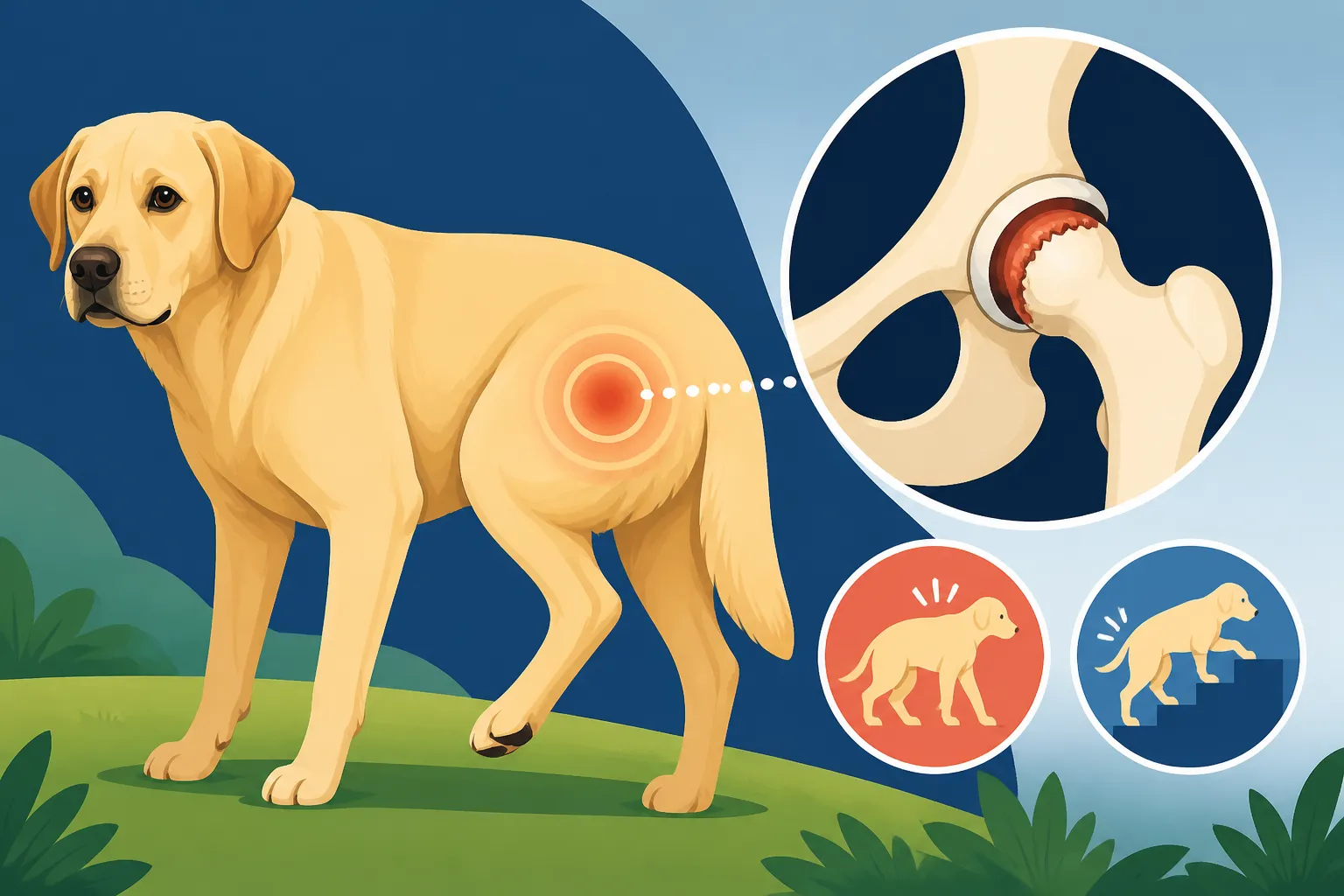
At its core, hip dysplasia is a malformation of the hip joint. Imagine a classic ball-and-socket joint – the "ball" is the head of the femur (thigh bone), and the "socket" is part of the pelvis, called the acetabulum. In a healthy hip, this ball fits snugly and smoothly into the socket, allowing for a wide range of motion without friction. But with hip dysplasia, this ideal fit is compromised.
Instead, the socket can be too shallow, or the head of the femur might not be perfectly round, or both. This poor fit leads to what veterinarians call "laxity" – the joint is loose. Over time, as the dog moves, this loose joint causes the ball and socket to grind and rub against each other abnormally. This friction wears down the cartilage that cushions the bones and leads to the formation of painful bone spurs and scar tissue. Ultimately, this degenerative process is a form of osteoarthritis, which causes pain, stiffness, and reduced mobility. It's a progressive disease, meaning it tends to get worse over time without intervention, and it's heartbreaking to see a dog that was once full of youthful vigor become hesitant with every step.
Why Labradors Are So Prone to This Condition
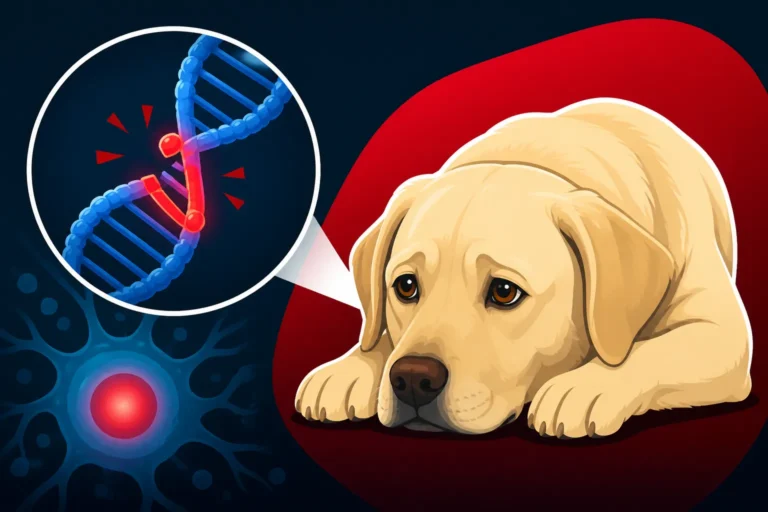
If you own a Labrador, you've likely heard the term "hip dysplasia" almost as often as "fetch" or "good boy." There's a reason for that: Labradors are indeed genetically predisposed to this condition. It's not caused by a single gene, but rather a complex interplay of multiple genes, which makes breeding for its elimination a real challenge. While genetics lay the groundwork, environmental factors can significantly influence whether a dog develops clinical signs and how severe they become.
Rapid growth during puppyhood is a major concern. If a Labrador puppy grows too quickly, often due to overfeeding or a diet too high in calories and calcium, their bones and joints can develop improperly. Imagine trying to build a house quickly without letting the foundation properly set – it’s a recipe for instability. High-impact or excessive exercise in young, growing Labs can also put undue stress on immature joints, exacerbating any underlying genetic predisposition. Think of a tiny puppy being forced to jog for miles or constantly jump off high surfaces; their soft growth plates just aren't ready for that kind of strain. Maintaining a healthy weight throughout a Labrador's life is absolutely critical because extra pounds put immense pressure on already compromised joints, accelerating the degenerative process. This is why understanding Why Labradors Gain Weight So Easily is so important for their long-term health. Responsible breeders play a massive role here, too, as they strive to reduce the incidence of hip dysplasia through careful screening of breeding stock.
Early Warning Signs and Subtle Indicators
It's easy to dismiss a subtle limp or a moment of stiffness as just "sleeping funny" or "overdoing it at the park." But with Labradors, who are famously stoic and eager to please, these minor signs can be the first whispers of a significant problem like hip dysplasia. Catching these early cues is vital for managing the condition effectively.
Puppyhood Red Flags to Watch For
The signs of hip dysplasia can sometimes emerge surprisingly early, even in young puppies. While it might seem counterintuitive for a condition typically associated with aging joints, the developmental malformation starts in puppyhood. Keep a close eye on your little furry land shark for anything out of the ordinary. One of the most common signs in puppies is an abnormal or "bunny hopping" gait, where they move both hind legs together like a rabbit instead of independently. This often happens because they're trying to minimize the pain of extending their hips. You might notice a reluctance to play as enthusiastically as other puppies, or difficulty rising after a nap, appearing stiff or awkward.
Another subtle but telling sign is a "swaying" or "wobbly" motion in their hindquarters when they walk. Sometimes, a puppy with hip issues will sit with their legs splayed out to the sides rather than tucked neatly underneath them – a posture often referred to as "frog sitting." While some puppies occasionally sit like this, if it's their predominant sitting style, it could be a clue. You might also observe slight favoritism of one leg over another, or a reluctance to put full weight on a hind limb. In more severe cases, a puppy might whimper or yelp when their hips are touched or manipulated, indicating pain. These early signs might be fleeting, but they are crucial indicators that something isn't quite right and warrant a discussion with your veterinarian. This is why your vet will perform Health Checks in a Labrador Puppy's First Week and subsequent visits, keeping an eye on their skeletal development.
Changes in Young Adult Labradors 6-18 Months
As Labradors grow from rambunctious puppies into their adolescent and young adult phases, typically between six and eighteen months, the symptoms of hip dysplasia can become more pronounced. This is a period of intense growth and activity, which can put stress on already compromised joints. One of the first things owners might notice is a reduced stamina during exercise. Your formerly tireless Lab might tire more quickly during walks or games of fetch, or simply not be able to keep up with their usual pace. They might even stop mid-play and lie down, something unusual for a breed known for its boundless energy.
Stiffness after periods of rest is another common indicator. After waking up from a nap or lying down for a while, they might struggle to stand, taking a few awkward steps before loosening up. You might also observe a noticeable limp or lameness, particularly after intense activity. It might not be constant, appearing intermittently, but it's a clear signal. Pay attention to their muscle mass; you might notice some atrophy (wasting) in their hindquarters, making their rear legs look thinner compared to their front legs, as they naturally try to shift weight forward to alleviate hip pain. Reluctance to perform everyday activities such as climbing stairs, jumping into the car, or even hopping onto the couch are also significant red flags. If your Lab, usually a master of agility, suddenly hesitates or tries to find alternative ways to navigate these obstacles, it's definitely time to consult your vet.
Recognizing Advanced Symptoms in Mature Labradors
As hip dysplasia progresses, especially if left unmanaged, the symptoms become less subtle and more debilitating. It’s hard to ignore the signs when your once active Labrador struggles with basic movements. Many Labradors are incredibly stoic, so by the time they show obvious signs of pain, the condition has likely advanced significantly.
Chronic Pain and Mobility Challenges
In mature Labradors, chronic pain becomes a defining feature of advanced hip dysplasia. This isn't just a fleeting discomfort; it's a persistent ache that impacts their daily life. You'll likely observe constant lameness, often a rocking horse gait, where they move their head up and down to compensate for the painful movement in their rear. Severe stiffness will be evident, especially first thing in the morning or after prolonged rest. Getting up will be a slow, arduous process, and they might stand with their hind legs tucked underneath them to minimize weight bearing. Sometimes, you might even hear grinding or popping sounds from the hips when they move, indicating severe joint degeneration.
Daily activities that were once second nature can become incredibly challenging. Eating or drinking from a bowl on the floor might be uncomfortable, as might squatting to relieve themselves. Their ability to manage stairs or jump into the car will be severely compromised, and they may refuse altogether. You might also notice a significantly decreased range of motion in their hips – they won't be able to stretch their legs out as far or move them as freely. This constant discomfort and limitation in movement can be incredibly distressing for a dog that thrives on activity and interaction. If you notice your dog Reading Pain in a Stoic Labrador is often a challenge due to their nature, but these physical limitations are hard to miss.
Secondary Issues from Hip Dysplasia
The primary problem of hip dysplasia doesn't exist in a vacuum; it often leads to a cascade of secondary issues that further impact a Labrador's well-being. One of the most visible consequences is muscle atrophy in the hindquarters. Because the dog is using those muscles less due to pain, they start to waste away. This creates a vicious cycle: weaker muscles offer less support to the already unstable hip joint, leading to more pain and even less use.
To compensate for the painful hips, Labradors will inevitably shift their weight and posture, putting extra strain on other parts of their body. This can lead to compensatory problems in other joints, particularly the knees (cruciate ligament tears are common in Labs) or even issues in the spine as they try to redistribute their weight unevenly. This can feel like a never-ending cycle of issues, which is why early diagnosis and proactive management are so important. Furthermore, reduced activity due to pain almost invariably leads to weight gain, especially in a food-motivated breed like the Labrador. Extra weight then compounds the problem, putting even more stress on the compromised hips. Beyond the physical, there can be significant behavioral changes. A dog in chronic pain might become irritable, withdrawn, or even exhibit uncharacteristic aggression if approached or touched in a painful area. Their zest for life can diminish, and their normally cheerful disposition might be replaced by a quieter, more subdued demeanor. This is where a good pet insurance plan like one from Healthy Paws can really come into play, helping alleviate the financial burden of managing these complex, interconnected health issues.
How Hip Dysplasia is Diagnosed
Suspecting hip dysplasia is one thing, but getting a definitive diagnosis requires a thorough veterinary examination. It’s a process that combines clinical assessment with advanced imaging to get a clear picture of what’s happening inside your Labrador’s joints.
The Veterinary Examination and Initial Assessments
When you bring your Labrador to the vet with concerns about hip dysplasia, the first step will always be a comprehensive physical examination. Your vet will observe your dog's gait and posture, watching for any stiffness, lameness, or abnormal movement patterns. They'll also perform various manipulations of your dog's hips and legs. This involves gently extending, flexing, and rotating the hip joints to assess their range of motion and to elicit any signs of pain or discomfort.
A key diagnostic maneuver is the Ortolani sign, which assesses hip laxity. The vet will position your dog on their back and gently push the femoral head out of the acetabulum (the socket) and then back in, feeling for a characteristic "clunk" or "pop." A positive Ortolani sign indicates hip laxity, a hallmark of dysplasia. They'll also palpate the muscles around the hips to check for atrophy or tenderness. Based on these initial findings, your vet will then recommend diagnostic imaging, usually X-rays, to confirm the diagnosis and assess the severity of the condition. This initial exam is crucial for identifying the " Quiet Signs a Labrador Is Hurting" before they become overtly obvious.
Diagnostic Imaging: X-rays and Specialized Screenings
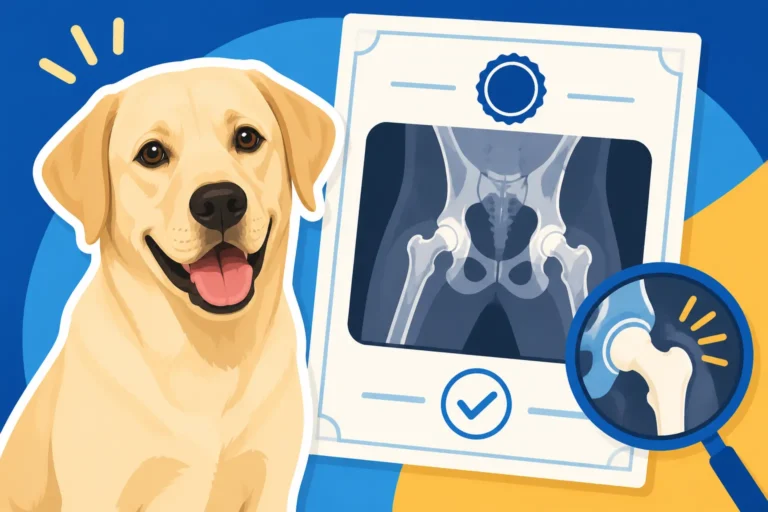
While the physical exam provides strong clues, X-rays are the gold standard for diagnosing hip dysplasia. For accurate imaging, your Labrador will typically need to be sedated or placed under light anesthesia. This ensures that their muscles are fully relaxed, allowing the veterinary team to position them perfectly for the radiographs without causing undue stress or pain. Proper positioning is absolutely critical; even a slight misalignment can lead to an inaccurate assessment. The most common view is the ventrodorsal (VD) extended hip view, where the dog is on its back with hind legs extended straight and parallel.
Beyond standard X-rays, there are specialized screening methods developed to provide more objective and precise measurements of hip laxity and conformation. The Orthopedic Foundation for Animals (OFA) is a widely recognized system where dogs are x-rayed at two years of age or older, and these radiographs are then evaluated by a panel of three independent veterinary radiologists. Hips are graded on a seven-point scale from "Excellent" to "Severely Dysplastic." Another method is PennHIP, which can be performed on dogs as young as 16 weeks. PennHIP involves three separate radiographs that measure hip laxity much more accurately than OFA, providing a Distraction Index (DI) score. The DI ranges from 0 to 1, with values closer to 0 indicating tighter hips. Both methods have their merits, and many responsible breeders utilize one or both to screen their breeding stock, as detailed in our guide on OFA and PennHIP Screening for Labradors. Understanding these scores, particularly the " PennHIP Scores That Should Worry a Labrador Owner", is key for any prospective owner.
| Screening Method | Minimum Age | What it Measures | Output | Key Feature |
|---|---|---|---|---|
| OFA | 24 Months | Hip conformation (shape) | 7-point subjective grade (Excellent to Severe) | Relies on subjective expert opinion, good for basic assessment |
| PennHIP | 16 Weeks | Hip laxity (looseness) | Distraction Index (DI) 0-1 (quantitative) | More objective, measures genetic predisposition, earlier assessment |
Management and Treatment Options
A diagnosis of hip dysplasia can feel overwhelming, but thankfully, there are many avenues for managing the condition and ensuring your Labrador maintains a good quality of life. The approach often depends on the severity, the dog's age, and your family's resources.
Non-Surgical Approaches for Comfort and Mobility
For many Labradors, particularly those with mild to moderate hip dysplasia, non-surgical management can be highly effective. The cornerstone of this approach is rigorous weight management. Seriously, keeping your Labrador at a lean, healthy weight is probably the single most impactful thing you can do. Every extra pound puts additional strain on those already compromised joints, accelerating degeneration and increasing pain. Talk to your vet about the ideal body condition score for your Lab and stick to a strict diet.
Controlled, low-impact exercise is also crucial. Instead of high-intensity fetching sessions that involve sudden stops and starts, opt for regular, moderate walks, swimming (an excellent non-weight-bearing exercise!), or gentle trotting. Avoiding activities that involve jumping or running on hard surfaces can make a huge difference. Medications also play a vital role. Non-steroidal anti-inflammatory drugs (NSAIDs) like Rimadyl or Galliprant are commonly prescribed to reduce pain and inflammation. In some cases, other pain relievers might be used. Joint supplements, containing ingredients like glucosamine, chondroitin, MSM, and omega-3 fatty acids, can help support joint health and reduce inflammation, though it’s important to discuss appropriate dosages with your vet. Many pet insurance providers, including Healthy Paws, offer coverage for these crucial medications and supplements, making long-term management more accessible. Additionally, physical therapy, hydrotherapy (swimming in a controlled environment), acupuncture, and even chiropractic care can provide significant relief and improve mobility for your dog, often working wonders when combined with other therapies. If your Labrador is struggling, remember that Managing Labrador Hip Dysplasia Without Surgery is a viable path for many.
Surgical Interventions to Improve Quality of Life
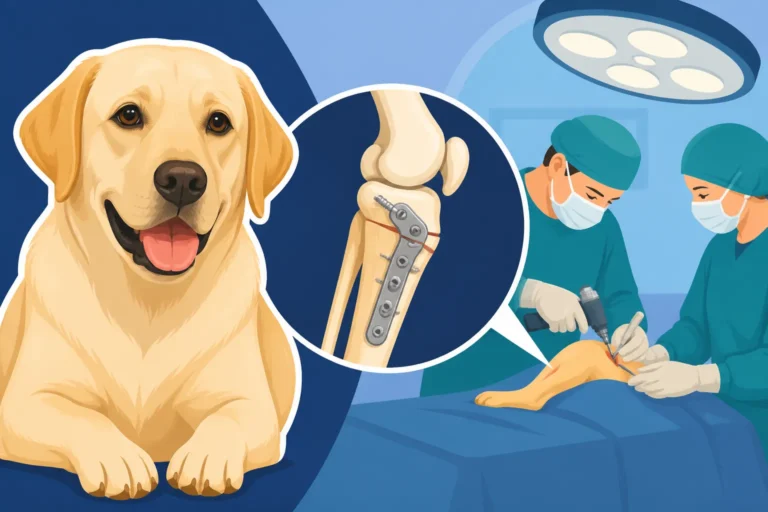
When non-surgical management isn't enough, or if the dysplasia is severe, surgical intervention might be the best route to dramatically improve a Labrador's quality of life. The type of surgery recommended will depend on several factors, including the dog's age, size, and the severity of the dysplasia. For very young puppies (typically under 20 weeks), a procedure called Juvenile Pubic Symphysiodesis (JPS) can be performed. This involves fusing a small part of the pelvis to encourage better development of the hip socket as the puppy grows.
Another option for young, still-growing dogs (usually under 10-12 months) with minimal arthritis is a Triple Pelvic Osteotomy (TPO). This complex surgery involves cutting the pelvic bone in three places and rotating the segments to create a deeper, more stable hip socket. For dogs of any age where the hip joint is significantly deteriorated and other options aren't suitable, a Femoral Head Ostectomy (FHO) can be considered. In this procedure, the head of the femur is removed entirely, allowing scar tissue to form a "false joint." While not restoring a normal joint, it eliminates bone-on-bone pain and can provide good pain relief for smaller or less active dogs. However, for large, active breeds like Labradors, the gold standard for severe, debilitating hip dysplasia is a Total Hip Replacement (THR). This involves replacing both the ball and socket components with artificial implants, much like human hip replacements. It’s a major surgery with a significant recovery period and high cost, but it offers the best chance for a pain-free, fully functional hip. Before opting for any surgery, a thorough discussion with your veterinary surgeon about the pros, cons, and recovery expectations, along with considering the Cost of Hip Surgery for a Labrador Retriever, is essential. A good insurance policy, such as one from Healthy Paws, can be a lifesaver in these situations, covering a substantial portion of the surgical expenses.
Prevention and Proactive Care
While hip dysplasia has a strong genetic component, there's a lot you can do as a responsible Labrador owner to minimize risk and support optimal joint health from puppyhood through their senior years. Prevention isn't always possible, but proactive care certainly goes a long way.
The Importance of Responsible Breeding and Health Clearances
The single most critical step in preventing hip dysplasia is choosing a puppy from a responsible breeder who rigorously screens their breeding stock. A truly reputable breeder will readily provide proof of health clearances for both parents, including certifications for hips and elbows (since elbow dysplasia often correlates with hip dysplasia). They will show you OFA (Orthopedic Foundation for Animals) or PennHIP certificates with passing scores. Don't be shy about asking to see these documents and understanding what they mean. For example, learning how to Reading a Labrador's OFA Hip Certificate empowers you to make informed choices.
These health clearances significantly reduce the likelihood of passing on genes for hip dysplasia to puppies, though it's important to understand that even with clear parents, there's never a 100% guarantee due to the polygenic nature of the disease. Beyond hip clearances, a good breeder will also have screened for other common Labrador genetic conditions, which you can learn about in our article on Health Clearances a Labrador Breeder Must Show. They will be transparent about their breeding practices, allow you to visit their facility, and be a valuable resource for advice on your puppy's early care. Avoiding puppies from breeders who don't provide these clearances or who claim their dogs are "vet checked" without formal certification is crucial for increasing the chances of a healthy joint future for your Lab.
Puppy Care for Optimal Joint Development
Once you bring your Labrador puppy home, proactive care for their developing joints becomes your responsibility. The way you feed and exercise your puppy in the first year can have a profound impact on their long-term hip health. Overfeeding a large breed puppy can lead to excessively rapid growth, which puts undue stress on their developing bones and joints. This is why it's vital to feed a high-quality large breed puppy food formulated for slow, steady growth, rather than one designed for fast growth. These foods have a carefully balanced calcium-to-phosphorus ratio to support proper bone development. Avoid free-feeding and stick to measured meals to ensure they're not gaining weight too quickly.
Equally important is managing their exercise regimen. While Labs are energetic, their growth plates (the areas of new bone growth) don't fully close until around 12-18 months of age. High-impact activities like excessive jumping, prolonged forced running on hard surfaces, or long, strenuous hikes can damage these delicate growth plates and exacerbate any underlying predisposition to hip dysplasia. Instead, focus on short, frequent play sessions, controlled walks, and soft surfaces. Swimming is a fantastic, low-impact exercise for puppies. Most importantly, maintaining a lean body condition throughout your Labrador's life is paramount. Even a few extra pounds can significantly worsen the impact of hip dysplasia, as discussed in our piece on How Much Longer a Lean Labrador Lives. By managing their diet and exercise thoughtfully, you can give your Labrador the best possible foundation for healthy joints and a long, active life.
Disclaimer
This article is intended for informational purposes only and does not constitute veterinary advice. Always consult with a qualified veterinarian for any health concerns or before making any decisions about your Labrador's medical care or treatment plan.