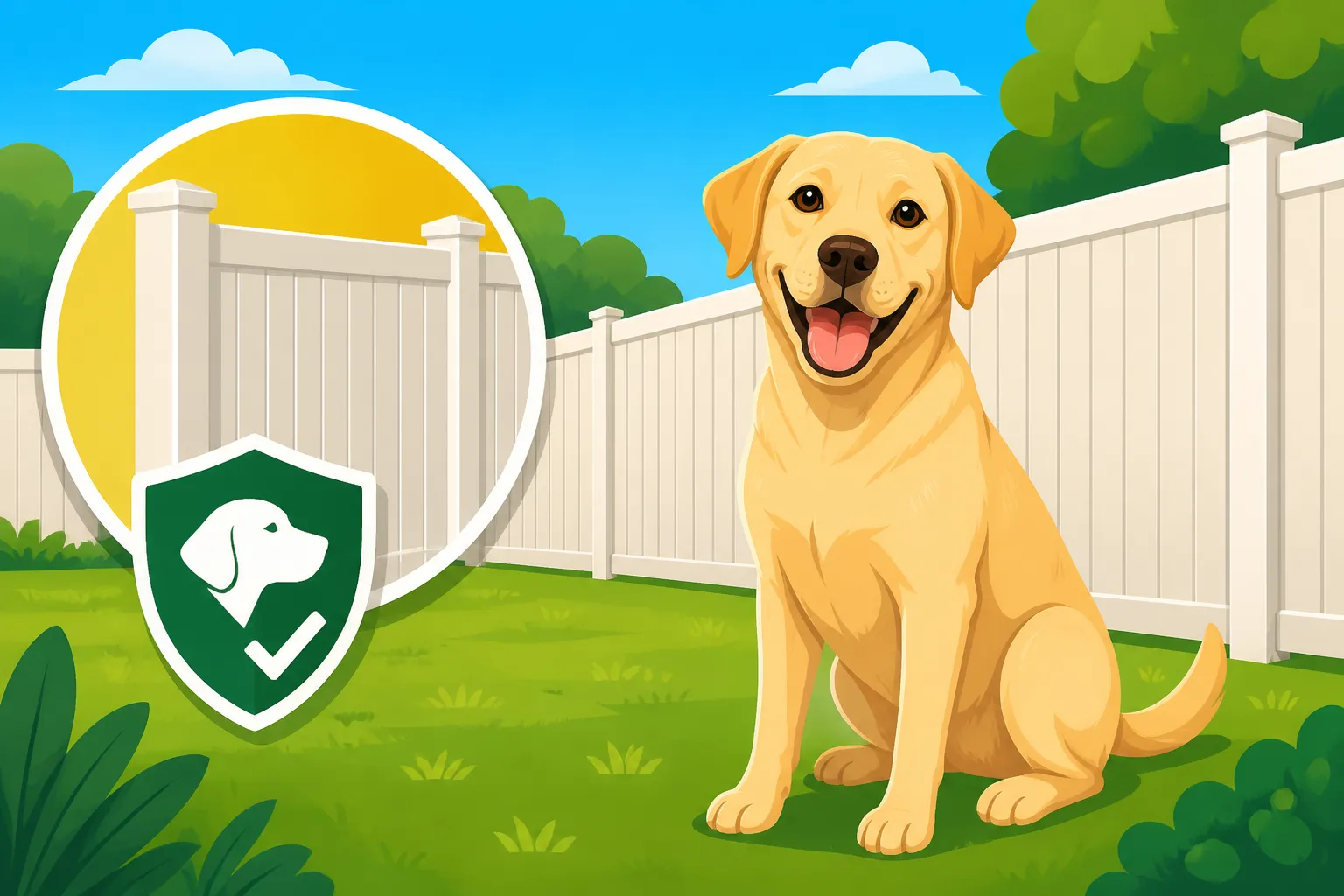
Fencing a Yard for a Labrador
Oh, the joy and the challenge of owning a Labrador! If you're anything like me, you've probably spent countless hours dreaming of your beloved Lab romping freely in a spacious yard, only to be hit with the stark reality: Labradors are phenomenal escape artists, driven by an insatiable curiosity and a boundless energy that can make even the most robust fence seem like a suggestion. The frustration of trying to create a secure outdoor space that keeps your adventurous companion safe, without turning your yard into a fortress, is a common one. This comprehensive guide is here to walk you through everything you need to know about fencing a yard specifically for a Labrador, ensuring their safety, your peace of mind, and your sanity.
Understanding Your Labrador's Fencing Needs
Before you even start looking at fence panels or digging holes, it's crucial to understand why a Labrador needs a particular kind of containment. It’s not just about keeping them in; it’s about understanding their unique blend of traits that can turn a flimsy fence into an open invitation for adventure.
Labrador Temperament and Escape Artistry
Labradors are famously friendly, intelligent, and highly trainable, but they also possess a deep-seated retrieving drive, a love for exploring, and an incredible amount of stamina. These aren't just traits for the show ring; they directly impact how effectively your fence will hold them. A Lab with a strong scent drive might tunnel under a fence to investigate a squirrel, while one with an insatiable need for activity might scale a low fence to find a playmate or just another adventure.
Their intelligence means they can often figure out latches or exploit weaknesses in a fence that other breeds might ignore. They're problem-solvers, and if the problem is "how do I get to that interesting thing on the other side?", they'll often find a way. Their enthusiasm for life means they often act first and think later, which can lead them right through a gap in the fence without a second thought. This isn't naughtiness; it's simply their nature.
Safety Concerns Without Proper Fencing
The consequences of an unsecured yard for a Labrador can be heartbreaking. Labradors, especially those with high energy, often require a good amount of daily exercise, and an un-fenced yard might tempt owners to let them out unsupervised. However, a Labrador on the loose is a magnet for trouble. They might chase cars, leading to tragic accidents, or get into fights with other animals.
Beyond immediate dangers, a lost Labrador faces exposure to the elements, theft, or becoming permanently separated from their family. Even if they're chipped and tagged, the stress and danger they endure before being found can be immense. Additionally, without proper boundaries, even the most well-behaved Lab can wander onto a neighbor's property, causing damage or bothering other pets, which can lead to tense situations and even legal issues. The investment in a secure fence is an investment in your Labrador's safety and your community relations.
Legal and Neighborly Considerations
When planning your fence, it's not just about what your Labrador needs; it's also about what your local ordinances dictate and what your neighbors expect. Many municipalities have strict leash laws that make owners liable for any damages or incidents caused by an unleashed dog, even if it "just slipped out." If your Labrador causes a ruckus with a neighbor's dog or digs up their prize-winning roses, you could be facing hefty fines or even lawsuits.
Furthermore, many Homeowners Associations (HOAs) have rules regarding fence height, materials, and placement, or may require specific aesthetic standards. Ignoring these can lead to fines, forced removal, or even legal action. Before you break ground, always check with your city's planning department and your HOA to understand any restrictions on fence height that holds a Labrador or specific materials. Being a good neighbor means respecting property lines and local regulations, ensuring that your secure yard doesn't become a source of conflict.
Types of Fencing for Labradors: Pros and Cons
When it comes to keeping your furry friend safely contained, you've got a few options, each with its own set of advantages and drawbacks. What works for a tiny terrier might not stand a chance against a determined Labrador.
Physical Barrier Fencing
These are your traditional, tangible fences that create a solid, visible boundary. They're often the most reliable option for Labradors.
Wood Fencing
Wood fences offer a classic, aesthetically pleasing look that can blend beautifully with many home styles. They provide excellent privacy and can be built to significant heights, making them difficult for most Labradors to jump over. The solid panels also prevent your Lab from seeing tempting distractions like passing squirrels or neighborhood dogs, which can reduce their urge to get out.
However, wood fences require regular maintenance. They can rot, warp, or suffer insect damage over time, especially in humid climates, which could create weak spots your Lab might exploit. They also need staining or painting every few years, which is an ongoing cost and time commitment. A determined chewer, especially during a phase of Labrador chewing through adolescence, can do significant damage, and persistent diggers might still be able to tunnel underneath if not properly secured at the bottom. The initial installation can also be quite an investment, both in materials and labor.
Vinyl Fencing
Vinyl fences mimic the look of wood but come with significantly less maintenance. They won't rot, warp, splinter, or need painting, making them a popular choice for busy homeowners. They're also quite strong and can withstand a good deal of impact from a playful Labrador. Like wood, they can provide privacy and be built tall enough to deter jumpers.
The main drawback of vinyl is its upfront cost, which can be higher than wood. While durable, extreme cold can sometimes make cheaper vinyl brittle, potentially leading to cracks if a large, energetic Labrador repeatedly crashes into it. Repairs, if needed, often involve replacing entire panels, which can be expensive. However, for sheer longevity and low maintenance, vinyl is a strong contender, offering a smooth surface that’s tough for climbers and chewers alike.
Chain Link Fencing
Chain link is a practical, cost-effective option, particularly for larger yards. It's incredibly durable and requires minimal maintenance. For Labradors, a tall chain link fence, say 6 feet, can be an effective barrier against jumping. The open weave allows visibility, which can be a pro or a con depending on your Lab's temperament – some dogs do better when they can see what's happening, while others are constantly stimulated.
The biggest issue with chain link for Labs is its climbability. Agile Labradors can use the mesh as a ladder, especially if they are particularly motivated. It also doesn't offer any privacy, and some people find its aesthetic less appealing. For diggers, it offers little resistance at the bottom unless specifically trenched or secured with a bottom wire. While generally strong, a highly persistent or anxious dog might be able to bend or chew through weaker points over time. It's a workhorse fence, but you might need to add deterrents for savvy Labs.
Metal Fencing (Wrought Iron, Aluminum)
Elegant and strong, metal fences like wrought iron or aluminum are often chosen for their sophisticated appearance and excellent durability. They can be built tall with narrow bar spacing, making them virtually impossible for a Labrador to climb. They also last a very long time with minimal maintenance (especially aluminum, which won't rust).
However, visibility is a factor here. If your Lab sees every dog, person, or leaf blow by, it might trigger more barking or a stronger desire to get out. The cost of metal fencing is typically the highest among physical barriers, both for materials and installation. While incredibly sturdy, thin vertical bars might not deter a truly determined digger from trying to tunnel underneath, and the lack of a solid barrier means no privacy. This type of fence often prioritizes aesthetics and containment against jumpers over privacy or full visual blockage.
Invisible Fencing Systems
These systems use a buried wire to create an electronic boundary, delivering a mild static correction if your dog attempts to cross it. They rely heavily on training.
How Invisible Fencing Works
Invisible fences, like those from PetSafe or DogWatch, involve burying a wire around the perimeter of your yard. Your Labrador wears a receiver collar that detects the wire's signal. As they approach the boundary, the collar typically emits a warning beep. If they continue, they receive a mild static correction, designed to be startling, not harmful. The idea is to teach them to associate the warning beep and correction with the boundary line, thereby conditioning them to stay within the designated area.
These systems are appealing because they offer an "invisible" solution, preserving your yard's aesthetics and offering a much lower upfront cost compared to physical fences. For homes with strict HOAs or where a physical fence isn't feasible, they seem like a dream come true.
Effectiveness and Limitations for Labradors
While invisible fences can work for some dogs, they come with significant limitations for Labradors. Labradors are often highly food-motivated and possess an intense prey drive. If a squirrel, rabbit, or another dog catches their eye, the lure of the chase can easily override the discomfort of a static correction. A Lab determined to get to something exciting on the other side might bolt right through the boundary, taking the momentary correction, only to find themselves outside with no correction to bring them back in. This is a common and dangerous scenario.
Another major drawback is that while it keeps your Lab in (theoretically), it doesn't keep other animals or people out. A stray dog or even a curious child could wander into your yard, potentially creating a dangerous situation. For an intelligent breed like a Labrador, it can also be confusing and stressful, as they can't see the barrier they're not supposed to cross. Many trainers and veterinarians recommend physical fences over invisible systems for Labs due to their high drive and size.
Combination Approaches and Specialized Solutions
Sometimes, one type of fence isn't enough, or you need to address specific Labrador behaviors.
Double Fencing
For ultimate security, especially if you have a highly driven or anxious Labrador, a double fence system can be incredibly effective. This involves building two fences with a space of a few feet in between. The inner fence might be a basic chain link, while the outer fence is more aesthetically pleasing. If your Lab breaches the inner fence, they're still contained within the buffer zone, giving you time to intervene.
This approach is particularly good for escape artists or dogs with a strong separation anxiety in Labrador Retrievers, as it creates a robust physical and psychological barrier. The space between the fences also helps deter fence-fighting with neighboring dogs, as they can't get nose-to-nose. Of course, the downside is the increased cost, complexity, and space required for installation.
Dig Guards and Rollers
If your Labrador is a prolific digger, merely installing a tall fence won't stop them. Dig guards involve burying a section of fencing, concrete, or hardware cloth horizontally beneath the fence line, extending inwards a couple of feet. This creates an invisible barrier underground that prevents them from tunneling out.
For jumpers or climbers, fence rollers (often called coyote rollers or RollyBars) can be installed along the top of a fence. These are round, freely spinning bars that make it impossible for a dog to get a grip and pull themselves over. They're a humane and effective deterrent, particularly useful for existing fences that are just a little too low for your athletic Lab. These specialized solutions can be integrated with almost any type of physical fence to beef up security against specific escape tactics.
Choosing the Right Height and Material
Once you understand your Labrador’s needs and the different types of fencing available, the next critical step is determining the specifics: how high should it be, and what material will truly stand up to a Lab? This isn't just about what looks good; it's about what provides genuine security.
Minimum Height Requirements
Many municipalities have a standard fence height, often 4 or 6 feet, but for a Labrador, you really need to consider their athletic capabilities. Labradors are strong, muscular dogs, and many can easily clear a 4-foot fence, especially if motivated by prey or excitement. Even a 5-foot fence might not be enough for a particularly agile or determined jumper.
For most Labradors, a 6-foot tall fence is generally considered the minimum safe height for effective containment. This height makes it much more challenging for them to jump over, and combined with solid panels, it also limits their ability to see over, which can reduce barking at external stimuli. If you have an exceptionally high-energy or athletic Lab, or one with a history of jumping, even a 6-foot fence might need additional deterrents like fence rollers. Remember, it's always better to err on the side of caution when it comes to your dog's safety.
Material Durability and Maintenance
The material you choose will dictate how well your fence holds up against your Lab's daily antics and the elements. A fence that needs constant repairs is a security risk.
Weather and Dog Wear-and-Tear
Labradors are active, often boisterous dogs. They'll lean against the fence, jump on it, and sometimes even try to chew it. Therefore, the material needs to be robust. Wood is durable but susceptible to rot and insects, requiring regular sealing or painting. Vinyl holds up incredibly well against weather and requires virtually no maintenance, making it a fantastic low-effort option for long-term durability. Chain link is practically indestructible in terms of weather, but its climbability and lack of visual barrier can be issues. Metal, especially aluminum, is highly durable and rust-resistant, offering great longevity with minimal upkeep.
Consider your local climate. If you live somewhere with heavy rain, snow, or extreme temperatures, certain materials will perform better than others. For example, a heavy-duty vinyl fence might fare better than wood in a perpetually damp environment. Also, think about the ground conditions. If your yard has soft soil, a dig guard will be essential, regardless of the fence material.
Longevity and Investment
Fencing is a significant investment, and you want it to last. A well-installed wood fence can last 15-20 years with proper maintenance. Vinyl and aluminum fences can last 20-30 years or even longer with minimal care. Chain link can last decades. When considering the cost of fencing a yard for a Labrador, think about the total cost over the lifespan of the fence, not just the initial installation. A cheaper fence that needs replacing in 5-10 years might end up being more expensive than a pricier, more durable option that lasts 25 years. The longevity also impacts your peace of mind, knowing your Lab's enclosure is secure for the long haul.
Aesthetics vs. Functionality
While security is paramount, you also want your yard to be a pleasant place for you and your family. Balancing the functional needs of a Labrador-proof fence with your aesthetic preferences is key.
Blending with Your Home and Landscape
A fence is a prominent feature of your property. Wood offers a natural, warm look that's versatile. Vinyl comes in various styles and colors that can mimic wood or complement modern architecture. Metal fences provide an open, elegant look, often chosen for their classic appeal. Chain link is purely utilitarian, which some find visually unappealing, but it can be softened with landscaping.
Consider how the fence will look from inside your yard and from the street. Does it enhance your property's curb appeal, or does it stick out like a sore thumb? Many homeowners strike a balance by choosing a more decorative fence for the front yard and a more robust, utilitarian fence for the backyard where the dog primarily plays.
Creating a Secure, Stimulating Environment
Beyond just containing your Lab, think about how the fence contributes to their overall well-being. A solid privacy fence might prevent distractions but could also make your Lab feel more isolated or lead to more barking at unseen noises. A more open fence might allow them to watch the world go by, which some Labs enjoy, but others find overstimulating.
Think about incorporating features within the fenced area that make it stimulating. Perhaps a digging pit to redirect digging behavior in Labrador Retrievers, or safe, sturdy outdoor toys ordered from places like Chewy to keep them occupied. The best fence is one that not only keeps your Lab in but also allows them to enjoy their outdoor space safely and happily.
Installation, Costs, and Permitting
Getting a fence installed is a big project. Understanding the process, the potential costs, and the necessary paperwork can help you avoid unwelcome surprises and ensure a smooth experience.
DIY vs. Professional Installation
This is one of the biggest decisions you'll make, impacting both your wallet and the final quality of your Labrador's enclosure.
Weighing Time, Skill, and Expense
Installing a fence, especially a robust one suitable for a Labrador, is no small undertaking. It requires proper planning, physical labor, precise measurements, and sometimes specialized tools. If you have carpentry skills, access to equipment, and plenty of free time, a DIY installation can save you a significant amount on labor costs. You’ll only pay for materials, which can be a huge portion of the overall cost. However, a poorly installed fence, with weak posts or gaps, is an open invitation for your ingenious Lab to escape.
Professional installation, on the other hand, comes with the peace of mind that the job will be done correctly, to code, and often with a warranty. Fence companies have the right tools, expertise, and experience to handle tricky terrain, ensure proper post depth, and install gates securely. While the labor cost is considerable, it often pays for itself in durability, security, and your own saved time and effort. For a strong, reliable fence that will withstand a Labrador's enthusiasm, many owners find the professional route well worth the investment. It’s also important to factor in the potential costs of fixing mistakes if you attempt DIY and it goes wrong.
Ensuring a Dog-Proof Installation
Whether you go DIY or professional, the key is ensuring the fence is genuinely dog-proof. This means:
- Proper post depth: Posts need to be buried deep enough to prevent leaning or shifting, especially with a large dog like a Labrador pushing against them. A general rule of thumb is to bury one-third of the post length in concrete.
- No gaps: Ensure there are no gaps between the ground and the bottom of the fence, or between fence panels, that your Lab could squeeze through. Even a small opening can be exploited.
- Secure gates: Gates are often the weakest point. They need strong hinges and a high-quality, Labrador-proof latch that can’t be easily manipulated. Consider adding a self-closing hinge and a secondary latch for extra security.
- Smooth surfaces: For vinyl or metal fences, ensure there are no sharp edges your dog could injure themselves on. For wood, check for splinters.
A professional installer who understands "dog-proof" fencing can often anticipate and address these issues proactively.
Estimating Fencing a Yard for a Labrador Cost
The cost of fencing can vary wildly depending on materials, size of your yard, and local labor rates. It’s a significant part of the annual cost of keeping a Labrador Retriever.
Materials, Labor, and Hidden Fees
Materials: This is often the largest component. Chain link is typically the most affordable, followed by wood, then vinyl, and finally metal (wrought iron/aluminum) as the most expensive. Prices can range from $7-$20 per linear foot for chain link, $15-$40 for wood, $20-$60 for vinyl, and $30-$80+ for metal, just for materials. These are rough estimates and can fluctuate based on market demand and specific product quality. When purchasing materials, whether from a local hardware store or an online retailer like Chewy, always account for some waste or extra pieces.
Labor: If hiring professionals, labor can add another $5-$25 per linear foot or more, depending on the complexity of the installation, site preparation needed (e.g., clearing brush, leveling ground), and local wages. Some companies charge by the hour, others by the linear foot.
Hidden Fees: Don't forget potential hidden costs:
- Site Preparation: Clearing old fencing, removing brush, or leveling uneven ground.
- Permit Fees: Ranging from a few dollars to a few hundred.
- Utility Locates: Having underground utility lines marked (usually free, but essential).
- Gate Hardware: Quality latches, hinges, and posts.
- Post-Installation Landscaping: Repairing disturbed ground.
- Specialty Add-ons: Dig guards, fence rollers, additional security measures.
- Unexpected Repairs: Unforeseen issues like hitting a rock during post-hole digging.
Budgeting for Long-Term Security
When budgeting, think beyond the initial outlay. Consider the long-term maintenance costs (minimal for vinyl/metal, higher for wood) and the potential cost of veterinary bills if your Labrador escapes and gets injured – a concern that could be eased by pet insurance providers like Healthy Paws. A more robust fence might cost more upfront, but it could save you money, stress, and heartache in the long run.
Here's a quick comparison table for common fencing types, keeping Labrador needs in mind:
| Fence Type | Pros for Labradors | Cons for Labradors | Typical Height (Recommended) | Est. Cost (per linear foot, installed) | Maintenance |
|---|---|---|---|---|---|
| Wood Privacy | Solid barrier, reduces visual triggers, good privacy. | Can be chewed, requires maintenance, potential rot. | 6 feet | $25 – $70 | High |
| Vinyl Privacy | Durable, low maintenance, smooth (hard to climb). | Higher upfront cost, can crack in extreme cold. | 6 feet | $40 – $100 | Low |
| Chain Link | Very durable, cost-effective, easy to install. | Climbable, no privacy, less aesthetic, easily seen through. | 6 feet (with top bar) | $15 – $45 | Very Low |
| Metal (Aluminum/Wrought Iron) | Elegant, strong, unclimbable if bars are close. | High cost, no privacy/visual barrier, may allow digging. | 5-6 feet | $45 – $150 | Low |
Note: Costs are estimates and can vary widely by region, installer, and specific materials.
Navigating Local Regulations and HOAs
This step is critical and should ideally be done before any planning or budgeting. Failure to comply can lead to significant problems.
Permits, Setbacks, and Approved Materials
Most municipalities require permits for fence installation, especially if the fence is above a certain height or in specific areas of your property. Permit applications often require a site plan showing the fence location relative to property lines and existing structures. Setback rules dictate how far your fence must be from property lines, streets, or utility easements. Ignoring these can result in having to tear down your newly built fence.
Local zoning laws might also specify approved materials, colors, or styles, particularly in historic districts or neighborhoods with specific aesthetic guidelines. Make sure your chosen material and design meet these requirements. It's not uncommon for a city to restrict fence height that holds a Labrador in front yards while allowing taller fences in backyards.
Understanding Homeowners Association Rules
If you live in an HOA-governed community, you'll likely have an additional layer of rules to navigate. HOAs often have very specific covenants regarding fence types, heights, colors, and even placement. They might require architectural review and approval before any work can begin. Some HOAs might even prohibit certain materials or colors entirely.
Before starting, get a copy of your HOA's Covenants, Conditions, and Restrictions (CC&Rs) and any specific architectural guidelines related to fences. Submit your plans for approval well in advance. While it can feel like a bureaucratic hurdle, adhering to these rules from the outset will save you from potential disputes, fines, or costly re-dos later on. Always confirm everything in writing.
Addressing Common Labrador Fencing Challenges
Even with the perfect fence, Labradors, being the clever and determined dogs they are, can sometimes find ways to test its limits. It’s important to anticipate and address these common challenges to maintain a truly secure environment.
Digging Under the Fence
Labradors love to dig. Whether they’re trying to cool off on a hot day, burying a prized possession, or attempting to follow a scent trail, digging is a natural behavior that can quickly compromise a fence line.
Solutions and Deterrents
If your Labrador is a persistent digger, simply installing a fence won't be enough. You need to create an underground barrier. One of the most effective solutions is burying hardware cloth or chicken wire along the base of the fence, extending inward by at least 18-24 inches. This creates an uncomfortable surface for your dog to dig through and discourages their efforts. Alternatively, you can pour a shallow concrete footer or place large rocks or pavers along the fence line, ensuring they are flush with the ground to prevent any gaps.
Another approach is to provide a designated "digging pit" within the yard. Fill a sandbox or a dedicated area with sand and bury toys or treats for your Lab to find. This redirects their natural instinct to a safe, approved spot, potentially saving your fence (and your landscaping!). Consistency is key; always redirect digging behavior to the designated pit. Some people also find that certain strong scents, unpleasant to dogs, can deter digging if placed along the fence line, but these need to be non-toxic and used with caution.
Jumping or Climbing Over
Labradors are athletic and can jump surprisingly high, especially when motivated. A fence that seems tall enough can become a launchpad if there's enough incentive.
Reinforcing Existing Fences
If your Lab is jumping an existing fence, you have a few options to reinforce it rather than replacing the whole thing. The simplest is to add height. Extensions can be securely attached to the top of wood or chain-link fences, extending their height by another foot or two. This often requires additional posts or bracing to maintain stability against a pushing dog.
For climbers, chain link can be particularly problematic as they use the mesh as toe-holds. Adding a solid panel barrier to the bottom half of a chain-link fence can remove the climbing leverage. For both jumpers and climbers, fence rollers (also known as coyote rollers or RollyBars) are highly effective. These are round, freely spinning bars installed horizontally along the very top of the fence. When a dog attempts to grab the top of the fence to pull themselves over, the roller spins, denying them purchase and causing them to fall back down safely inside. This is a humane and often successful deterrent, particularly for a Lab who tries to jump.
Chewing on Fence Materials
Especially during puppyhood or adolescence, Labrador puppies mouth everything. This can extend to fence posts, rails, or panels, leading to damage and potential escape routes.
Protecting Your Investment
If your Labrador is chewing on the fence, it's often a sign of boredom, anxiety, or an unmet need for mental stimulation. Ensure your Lab is getting enough exercise a Labrador needs each day and mental work for a bored Labrador. A well-exercised and mentally stimulated Lab is less likely to resort to destructive chewing.
For prevention, you can apply taste deterrents to the fence. Products like bitter apple spray are readily available at pet stores like Chewy and can make the fence taste unpleasant without being harmful. Reapply regularly, especially after rain. For more severe chewers, you might need to physically protect vulnerable sections with metal flashing, PVC pipe, or wire mesh. Training your Lab with a solid "leave it" command can also be helpful. Make sure they have plenty of appropriate chew toys available—durable, engaging toys are essential for a breed known for its chewing power.
Gate Security and Maintenance
The gate is almost always the weakest point in any fence, and a smart, determined Labrador will quickly discover any flaws.
The Weakest Link
Labradors are famously intelligent and curious. They will push, pull, and try to manipulate gate latches. Many standard gate latches are simply not designed to withstand a large, strong dog's attempts. A simple gravity latch might be easily bumped open, or a thumb latch could be nudged just enough.
The first step is to upgrade your gate hardware. Invest in a heavy-duty, double-locking latch system. A popular and effective choice is a spring-loaded self-locking gate latch, often combined with a padlock or a barrel bolt for extra security. For even more peace of mind, consider a second latch installed at a different height, making it nearly impossible for your Lab to operate both simultaneously. If your gate swings inwards, ensure there’s a strong stop so your Lab can’t push against it until the latch fails.
Regular Checks and Upkeep
Gates are constantly used, making them prone to wear and tear. Hinges can loosen, posts can shift, and latches can become stiff or misaligned. Make it a habit to inspect your gate weekly. Check the hinges for rust or looseness, ensure the latch mechanism is working smoothly and securely, and look for any gaps between the gate and the fence posts that your Lab could exploit.
Also, pay attention to the ground around the gate. Constant traffic can compact the soil or even create dips that your Lab could start digging under. Fill any depressions promptly. Lubricate hinges and latches regularly to ensure smooth operation and prevent rust. By treating your gate as the critical security point it is, and giving it consistent attention, you significantly reduce the risk of an unplanned escape. Don't let your fantastic new fence be undermined by a flimsy gate!
Disclaimer
Please note that the information provided in this guide is for general informational purposes only and does not constitute professional advice. While we strive to offer accurate and up-to-date content, individual situations may vary. Always consult with a qualified professional, such as a veterinarian, certified dog trainer, or professional fence installer, for advice tailored to your specific circumstances and your Labrador's unique needs. Local regulations and HOA rules are subject to change, so always verify current requirements with your local authorities before beginning any project.