Separation Anxiety in Labrador Retrievers
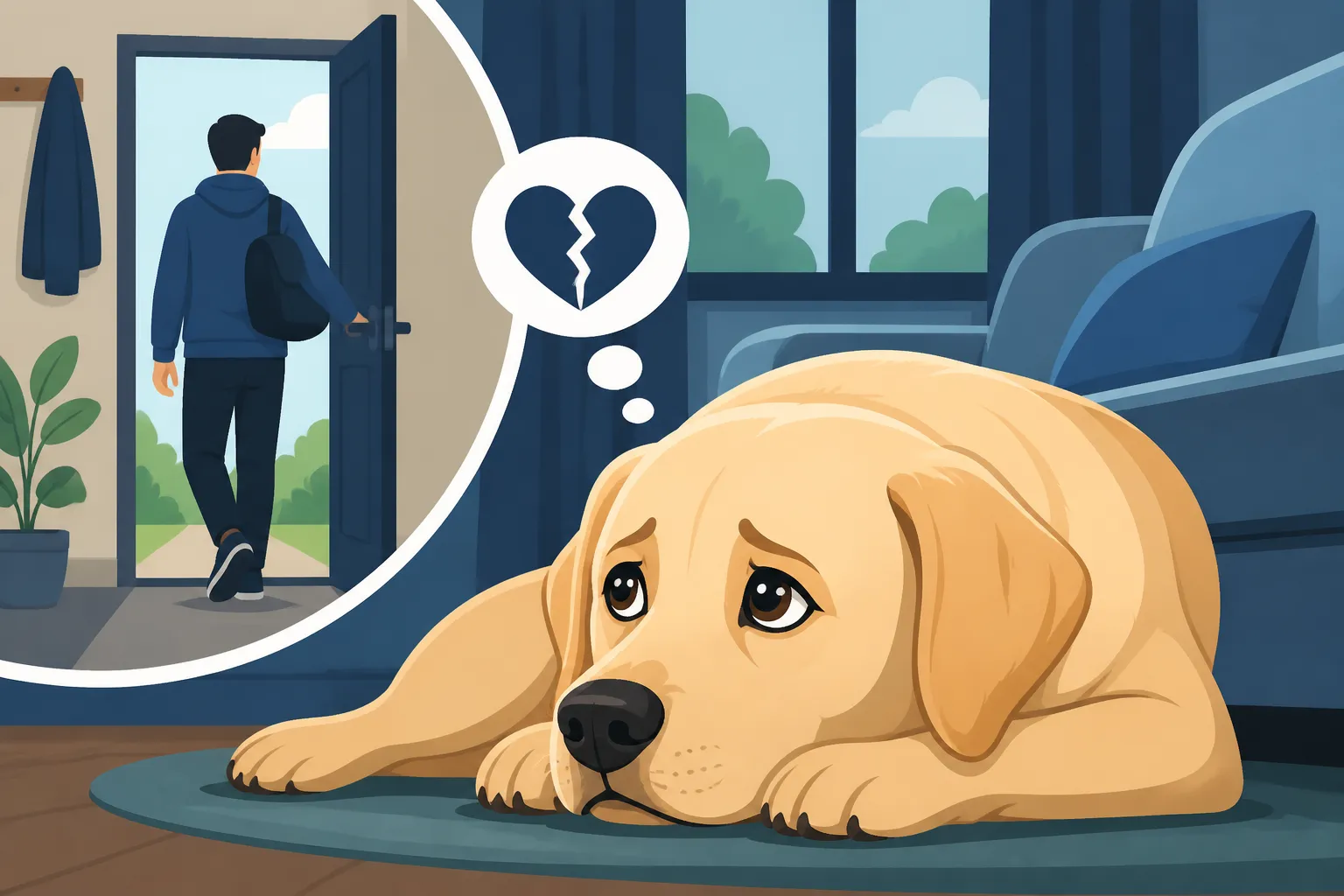
Coming home to a scene of destruction, or worse, finding your beloved Labrador distressed and perhaps even having had an accident, is one of the most heartbreaking and frustrating experiences a dog owner can face. It's easy to jump to conclusions and think your dog is just being naughty or spiteful, but often, these behaviors are a desperate cry for help from a dog suffering from separation anxiety. This comprehensive guide will help you understand what separation anxiety truly looks like in Labradors, why they might be experiencing it, and most importantly, how to implement practical, empathetic strategies to help your loyal companion feel safe and calm when you're not around.
Understanding What Separation Anxiety Really Looks Like in a Labrador
It's crucial to distinguish between a Labrador just being bored or a little mischievous and one genuinely suffering from separation anxiety. Labradors are intelligent, social creatures with a strong bond to their families, and when that bond feels threatened by perceived abandonment, their behaviors can escalate far beyond simple naughtiness.
Common Signs vs. Naughty Behavior
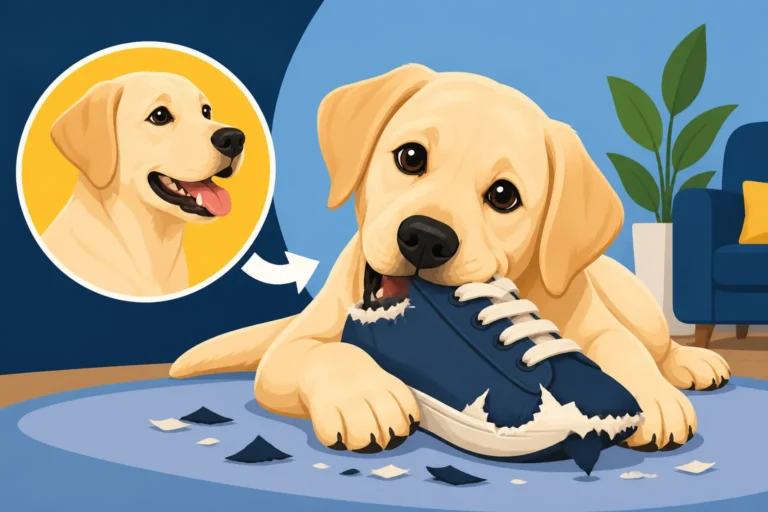
Many owners mistake separation anxiety for a dog simply misbehaving, which can lead to frustration and ineffective training methods. A bored Labrador might chew on a shoe because it's there and interesting, but a Labrador with separation anxiety might chew the doorframe in a frantic attempt to get out and find you. The underlying motivation is key. If the behavior only happens when you're away, and especially if it's accompanied by other signs of distress, it's likely anxiety, not defiance. For instance, a dog might have an accident indoors because they couldn't hold it, but a dog with separation anxiety might urinate or defecate even when they were just outside, often right by an exit, due to intense stress.
Think about the context: is your Labrador generally well-behaved when you're home but transforms into a wrecking ball when you leave? Does the destruction focus on exits (doors, windows) or items that smell like you (your laundry, a cushion from your spot on the couch)? These are tell-tale signs. A dog that just needs more exercise or mental stimulation might get into the trash, but a dog consumed by panic will often exhibit behaviors that are self-destructive or overtly aimed at escape. This distinction is vital for addressing the root cause. If you're struggling to tell the difference, it's worth observing your Labrador subtly. Some owners use pet cameras, readily available on platforms like Amazon, to get a clearer picture of what their dog does when left alone.
Physical Symptoms and Vocalizations
Beyond destruction, separation anxiety often manifests in distinct physical symptoms and vocalizations. Your Labrador might start pacing incessantly, circling the room, or frantically scratching at doors and windows. You might return to find excessive drool marks, even if they haven't been eating or drinking, or notice their fur is damp from panting, regardless of the room temperature. These are signs of physiological stress responses. Imagine your own heart pounding when you're terrified; dogs experience similar physical reactions.
Vocalizations are another significant indicator. While a lonely howl or bark now and then is normal for a social dog, a Labrador with separation anxiety will often engage in incessant barking, howling, or whining that persists for long periods after you've left and doesn't stop until just before you return. Neighbors might complain, or you might hear recordings from a pet cam that show continuous, distressed vocalizations. This isn't just attention-seeking; it's a genuine expression of panic and a desperate attempt to reconnect with their absent person. Understanding Telling Labrador Boredom From Real Anxiety is a critical first step.
| Behavior | Likely Boredom/Naughtiness | Likely Separation Anxiety |
|---|---|---|
| Chewing | Chews random household items, personal objects | Focuses on exits (door frames, windows), items with owner's scent |
| House Soiling | Accidents anywhere, often if not let out in time | Accidents near exits, even if recently relieved, stress-induced |
| Vocalizing | Occasional barks at external stimuli, demand barking | Persistent howling, whining, barking only when alone |
| Destruction | Mild to moderate, opportunistic | Severe, attempts to escape, self-harming (broken nails, cuts) |
| Pacing/Anxiety | Minimal or no pacing | Constant pacing, trembling, drooling, panting |
| Timing | Can occur at any time, even when owner is home | Occurs exclusively when owner is absent or preparing to leave |
| Reaction to Return | Happy greeting, perhaps a bit sheepish | Overly frantic greeting, takes a long time to calm down |
Why Your Labrador Might Be Struggling with Being Alone
Separation anxiety isn't always straightforward. It's often a complex interplay of genetics, early experiences, and environmental factors. Understanding these potential triggers can help you address the issue more effectively.
Genetic Predisposition and Early Life Experiences
While Labradors are known for their generally stable and friendly Labrador Temperament and Personality, some individuals can be more prone to anxiety. Dogs from puppy mills, or those who experienced early trauma, neglect, or frequent changes in ownership, are often at a higher risk of developing separation anxiety. They may not have had the foundational security needed to develop resilience to being alone. A puppy separated from its litter too early, or one that didn't receive proper socialization, might struggle more later in life.
Even reputable breeders can sometimes produce a litter with a more sensitive temperament, though good breeders work hard to socialize puppies and set them up for success. Rescued Labradors, while wonderful companions, often come with unknown histories, and their past experiences (or lack thereof) can heavily influence their ability to cope with solitude. They may have learned that being alone means being abandoned, leading to a profound fear of your departure.
Changes in Routine or Environment
Labradors thrive on routine and stability. Any significant disruption to their daily life can be a major stressor and trigger for separation anxiety. Moving to a new house, especially one where they feel less secure or that has more external stimuli, can be unsettling. The addition or loss of a family member—whether it's a new baby, a college-bound child, or the passing of another pet—can throw a Labrador's emotional world into disarray. Even a change in your work schedule, where you suddenly spend more time away, can be enough to initiate anxiety.
Imagine your Labrador's world revolving around your presence. Suddenly, that consistent presence is gone or unpredictable. For a dog that thrives on connection, this can be terrifying. For example, if you've been working from home for an extended period and now must return to an office, your Labrador may have become accustomed to your constant company. The abrupt shift can feel like a profound loss and trigger severe anxiety. This is a common scenario that many owners face, feeling guilty as their routines change.
Unintentionally Reinforcing Anxious Behaviors
Sometimes, without realizing it, we can accidentally reinforce our Labrador's anxiety. Overly dramatic goodbyes and enthusiastic greetings, while well-intentioned, can heighten the emotional stakes around your departure and return. If you make a huge fuss when you leave ("Oh, my poor baby, I'll miss you so much!"), you're essentially telling your dog that your departure is a big, stressful event. Similarly, a boisterous reunion when you walk through the door can teach them that your return is the only truly exciting and rewarding part of their day, making the time spent alone feel even more dismal.
Even trying to soothe an anxious dog as you're leaving can backfire. If your Labrador is whining or pacing as you prepare to walk out the door, and you stop to pet them and offer comforting words, you might inadvertently be rewarding their anxious state. They learn that displaying distress gets your attention. Instead, the goal is to make departures and arrivals as low-key as possible, minimizing the emotional charge associated with them.
Creating a Safe and Calm Environment for Your Labrador
Setting up your Labrador's personal space thoughtfully can make a world of difference in managing separation anxiety. It's about creating a sanctuary, not just a holding pen.
Crate Training Revisited: A Safe Den or a Source of Stress?
Crate training can be a fantastic tool for many Labradors, offering them a secure, den-like space where they can feel safe. A well-sized crate with a comfy bed (you can find plenty of options on Amazon) can become their personal retreat. However, for a Labrador with separation anxiety, a crate can sometimes exacerbate their panic if they associate it with being trapped and abandoned. If your Labrador injures themselves trying to escape the crate, or displays extreme distress within it, then it might be contributing to their anxiety rather than alleviating it.
The key is proper, positive Crate Training a Labrador Puppy. Never use the crate as punishment. Make it a place they want to be, filled with positive associations like special treats and toys. If your dog is already showing severe signs of anxiety in the crate, you might need to take a step back and retrain their relationship with it, or consider an alternative safe space, especially if they are trying to chew their way out. The goal is comfort and security, not confinement.
Sanctuary Spaces and Calming Aids
If a crate isn't working or you prefer an alternative, consider designating a "sanctuary space" for your Labrador. This could be a dog-proofed room (like a laundry room or a quiet corner of the living room) where they can't cause damage or hurt themselves. Ensure it has a comfortable bed, fresh water, and engaging, safe toys. The idea is to create an environment that feels predictable, secure, and boring in a good way.
Calming aids can also be beneficial. Many owners find success with pheromone diffusers or collars, which release synthetic calming pheromones. Certain calming supplements, often containing ingredients like L-theanine or melatonin, can help take the edge off for some dogs, but always discuss these with your vet first. Sometimes, simply having a radio or TV on low, tuned to a talk-radio station or calming music, can provide background noise that reduces feelings of isolation and blocks out external triggers. Think about what makes you feel safe and relaxed, and try to replicate that environment for your Labrador.
Enrichment Before You Leave
A tired dog is often a calmer dog. Before you leave your Labrador alone, ensure they've had adequate physical exercise and mental stimulation. A long walk, a vigorous game of fetch, or a run at the dog park can help burn off excess energy. But don't forget the mental workout! Labradors are smart, and their minds need exercise too. Puzzle feeders, like those found on Amazon, where they have to work to get their kibble, can keep them engaged. A stuffed Kong toy (filled with peanut butter, yogurt, or wet food and frozen) can provide a long-lasting distraction after you leave.
The goal is to provide a positive, engaging activity that starts before you leave and ideally lasts for a while into your absence. This helps associate your departure with a rewarding activity rather than impending doom. A mentally enriched Labrador is less likely to resort to destructive behaviors born of anxiety or sheer boredom. This can significantly help with Mental Work for a Bored Labrador and prevent unwanted behaviors.
Step-by-Step Training Strategies to Build Alone-Time Tolerance
The core of managing separation anxiety is gradually teaching your Labrador that being alone isn't scary. This takes patience, consistency, and a very slow approach.
Gradual Departures and Increasing Alone Time
This is the cornerstone of separation anxiety training. You need to start with incredibly short absences and slowly, incrementally increase the duration. Begin by simply walking out the door and immediately returning, before your Labrador even has a chance to get anxious. Reward them calmly when you return. Repeat this many times. Once they are comfortable with that, extend it to a few seconds, then a minute, then five minutes, and so on. The key is to never push them beyond their comfort zone, even if that means leaving for only 15 seconds. If you see signs of anxiety, you've gone too far and need to dial it back.
The process for Building Alone-Time Tolerance in a Labrador Puppy is very similar. This isn't a linear process; there will be good days and bad days. Some days, your dog might handle 30 minutes, and the next day, they might struggle after 10. That's okay. Always revert to the last successful duration. The goal is to build positive associations with your absence. When you come back, keep greetings low-key. A calm "Hi, good boy/girl" is enough. Wait for them to settle before offering praise or affection.
Desensitization to Departure Cues
Labradors are masters at picking up on our routines. They know the jingle of your keys, the sound of your backpack being zipped, or the sight of you putting on your shoes. These "departure cues" can trigger anxiety even before you leave the house. To address this, you need to desensitize your Labrador to these triggers. Start performing these actions randomly throughout the day when you have no intention of leaving. Jingle your keys, put on your coat, pick up your bag, and then sit back down. Repeat this often, without actually leaving.
The idea is to strip these cues of their predictive power. If your Labrador sees you putting on shoes 20 times a day and only leaves once, the shoes become less significant as a sign of impending abandonment. This training takes time and consistency, but it's crucial for breaking the anxiety cycle that often begins long before you're out the door.
Counter-Conditioning Alone Time
Counter-conditioning involves changing your Labrador's emotional response to being alone from negative (anxiety) to positive (calm enjoyment). This is where those high-value, long-lasting treats come in. Give your Labrador a special treat or puzzle toy only when you leave and take it away when you return. This could be a Kong stuffed with frozen peanut butter, a bully stick, or a snuffle mat with their favorite treats. The goal is for them to associate your departure with something wonderful and distracting.
For example, as you prepare to leave, calmly hand them their special treat in their designated safe space. As you walk out, they should be engrossed in the treat. This distracts them from your exit and creates a positive association with your absence. You can use this in conjunction with online training resources, such as those offered by BAXTER & Bella, which often provide structured exercises for alone-time training. The key is that this treat is exclusive to your departure, making it truly high-value. As time progresses, their focus on the treat can help them manage their emotions until your return.
When to Seek Professional Help and What That Looks Like
Sometimes, despite your best efforts, separation anxiety can be too severe to manage on your own. Knowing when to call in the experts is vital for your Labrador's well-being and your peace of mind.
Identifying When It's Beyond DIY
You've tried all the techniques: gradual departures, desensitization, calming aids, and enrichment. Yet, your Labrador is still displaying severe distress, injuring themselves, damaging property significantly, or showing no improvement. Perhaps their vocalizations are causing issues with neighbors, or their house-soiling is a daily occurrence, even after short absences. If your dog's anxiety is causing you significant stress, financial burden due to destruction, or if you fear for their safety, it's definitely time to bring in professional help. A good rule of thumb is: if you feel stuck, frustrated, or like the problem is getting worse, don't hesitate.
Untreated, severe separation anxiety can lead to chronic stress for your dog, impacting their overall health and quality of life. It can also strain the bond you share, as you might start to resent the destruction or the worry. Remember, it's not a failure on your part to seek help; it's a sign of a responsible and loving owner. Sometimes, an outside, expert perspective is exactly what's needed to unlock a solution. This also connects to the discussion of How Long a Labrador Can Be Left Alone realistically, as a dog with severe anxiety cannot be left alone for long periods without intervention.
Veterinary Consultation and Medical Support
Your first stop should often be your veterinarian. While they may not be a certified behaviorist, they can rule out any underlying medical conditions that might be contributing to your dog's anxiety. Sometimes, pain, discomfort, or even a thyroid issue can manifest as anxiety-like behaviors. Your vet can also discuss pharmaceutical options that might help your Labrador cope with severe anxiety. These medications aren't a "cure-all" but can lower your dog's anxiety levels enough for the behavioral modification training to be more effective. Think of it as taking the edge off so your dog can learn.
Your vet might prescribe anti-anxiety medication, short-term calming agents for specific stressful events, or even long-term behavioral medications. They can explain the potential side effects and monitor your Labrador's progress. It's a crucial step in a comprehensive treatment plan, especially for severe cases. Don't be afraid to discuss medication; for some dogs, it can be a life-changer that allows them to learn to be comfortable alone.
Certified Professional Dog Trainers and Behaviorists
For behavioral issues like separation anxiety, a certified professional dog trainer or a veterinary behaviorist is often your best resource. These professionals have specialized knowledge and experience in diagnosing and treating complex behavioral problems. A certified professional dog trainer, especially one experienced in separation anxiety, can help you implement a tailored training plan, provide guidance, and troubleshoot issues. When looking for help, consider a trainer who emphasizes positive reinforcement and has specific experience with fear-based behaviors. Resources like the Certification Council for Professional Dog Trainers (CCPDT) or the Pet Professional Guild can help you find qualified individuals in your area. Choosing a Trainer for a Labrador is an important decision.
A veterinary behaviorist, who is a veterinarian with additional training and certification in animal behavior, can offer the most comprehensive approach, combining behavioral modification strategies with medical insights and potential pharmaceutical interventions. They can often differentiate between true separation anxiety and other conditions like barrier frustration or boredom, which may present similarly. They can also provide a deeper understanding of the neurological and physiological aspects of anxiety, offering a more holistic treatment plan.
Living With and Managing Long-Term Separation Anxiety
Separation anxiety can be a lifelong journey for some Labradors, requiring ongoing management and adjustments. It's about finding sustainable solutions that work for both you and your furry friend.
Management Strategies and Support Systems
For Labradors with chronic or severe separation anxiety, continuous management strategies are essential. This might involve adjusting your daily routine, even permanently. If possible, consider hiring a trusted dog walker to break up long periods of alone time. Dog daycare can be an excellent option for highly social Labradors, providing stimulation and companionship during your workday. However, ensure the daycare is a positive experience and doesn't add to their stress. Some Labradors thrive in a busy environment, while others may find it overwhelming.
Building a support system with friends, family, or reliable neighbors who can check in on your Labrador or even have them over for a few hours can be invaluable. The key is to avoid leaving your Labrador alone for periods they cannot comfortably handle. This might mean sacrifices or lifestyle changes on your part, but your Labrador's well-being is worth it. Utilizing services that allow you to check in on your dog, such as pet cameras (many of which have two-way audio), can also provide peace of mind and help you monitor their progress. Leaving a Labrador Home Alone successfully requires careful planning and a deep understanding of your dog's needs.
Lifestyle Adjustments and Flexibility
Living with a Labrador with separation anxiety often requires a certain degree of flexibility and creativity. This might mean seeking out employment that allows for more flexible hours, working from home more frequently, or even arranging for a pet-friendly office environment if that's an option. For some owners, it means planning social outings around their dog's tolerance levels, perhaps going out for shorter periods or arranging for a pet sitter during longer absences.
It’s important to acknowledge that this can be demanding. Giving your Labrador a predictable routine, even with adjustments, can help immensely. They thrive on knowing what to expect. If you know you'll have a busy week, planning extra exercise or hiring additional help can preempt potential anxiety flare-ups. This is a journey of understanding and adaptation, but the bond you share with your Labrador will only strengthen as you navigate these challenges together. Many owners find that once they understand the "why" behind the behavior, they can make informed choices to create a happier life for their dog.
Ongoing Support and Patience
Treating separation anxiety is rarely a quick fix. It's often a marathon, not a sprint, and there will be moments of progress and setbacks. Continue to practice your training exercises, even on days when your Labrador seems completely cured. Relapses can happen, especially during times of stress, environmental changes, or even new life stages like Caring for a Senior Labrador. Stay patient, consistent, and celebrate every small victory.
Connect with other Labrador owners or support groups who understand the challenges of separation anxiety. Sharing experiences and tips can be incredibly validating and helpful. Most importantly, continue to provide a loving, secure, and predictable environment for your Labrador. Your consistent presence, even if it's only for parts of the day, is the anchor for their security. Over time, with dedication and the right strategies, many Labradors can learn to cope and even thrive when left alone, finding their calm place even when you're away. It's about helping them understand that your departure isn't permanent, and your return is always a guarantee. Ultimately, this journey contributes to their overall health and longevity, tying into topics like Labrador Lifespan and What Changes It.
Disclaimer
This article is for general informational purposes only and does not constitute professional advice. Laws, prices and regulations vary by location and change over time. Consult a qualified professional for guidance on your specific situation.