What a Labrador Puppy Starter Kit Costs
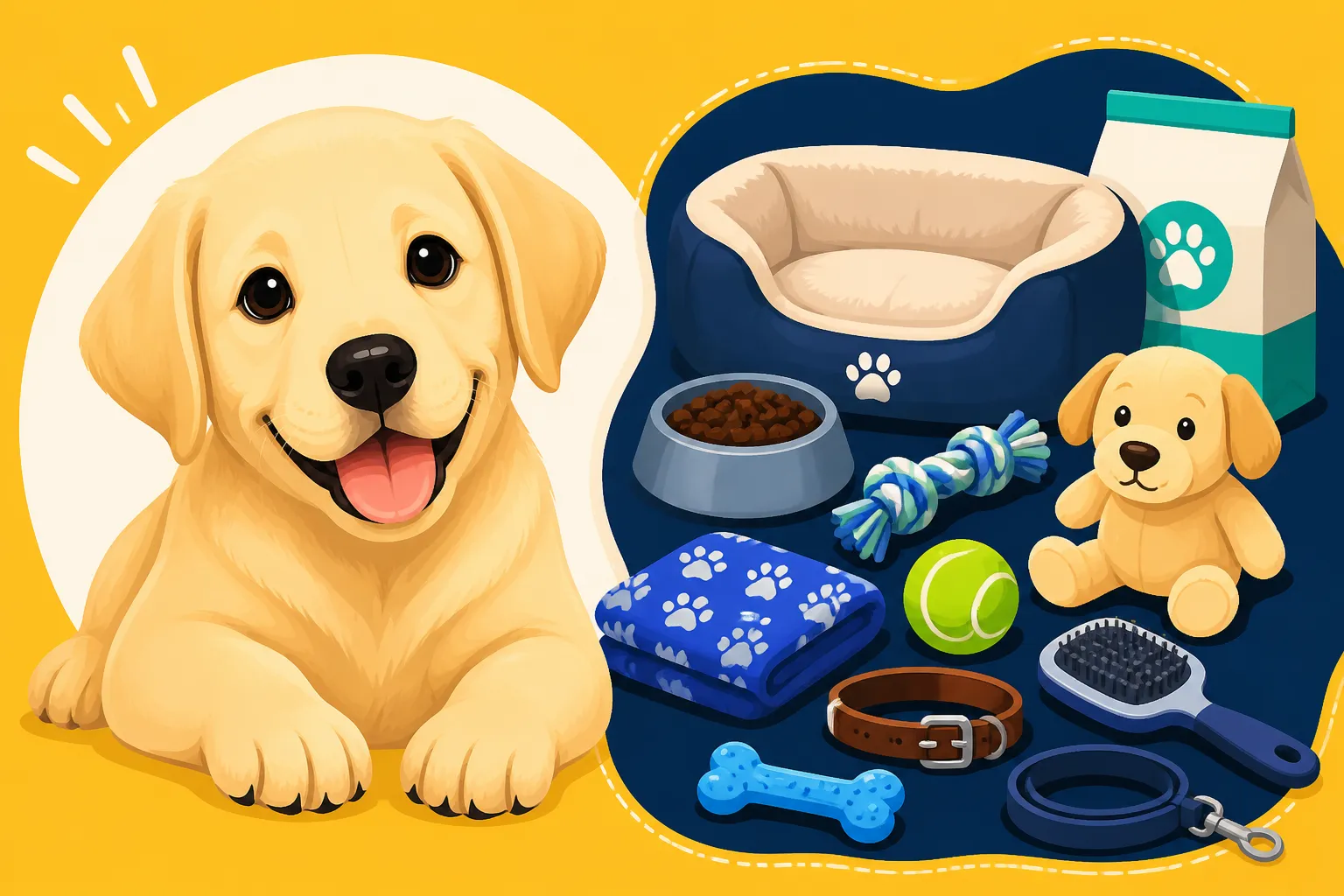
Bringing home a new Labrador puppy is an incredibly exciting time, full of wagging tails and endless cuddles. But amidst all the joy, it’s easy to overlook the immediate financial outlay required to get your new family member set up properly. You want to provide the best, but the sheer volume of "must-have" items can feel overwhelming, making you wonder where to even begin and how much it will truly cost. This guide aims to break down the essential items for a Labrador puppy starter kit, offering realistic cost estimates to help you budget for those crucial first days and weeks.
Setting Up Your Puppy's Home Base: Initial Essentials
When your new Labrador puppy arrives, they need a safe, comfortable, and designated space of their own. This isn't just about comfort; it's fundamental for house training, security, and establishing a routine. Think of it as creating their first little apartment within your home.
Crate and Bedding Choices
A crate is perhaps the most important single item you'll buy for your Labrador puppy. It serves as a den, a safe haven, and an invaluable tool for house training. Many new owners feel hesitant about crating, imagining it as a punishment, but for a Labrador, a properly introduced crate becomes their personal retreat. You’ll need a large crate that will accommodate your Labrador at their adult size, which typically means a 42 to 48-inch long wire crate. While it might seem cavernous for a tiny puppy, many come with dividers that allow you to adjust the space as they grow. This saves you from buying multiple crates as your puppy balloons from eight weeks to their full adult size. Expect to pay anywhere from $70 to $150 for a quality wire crate.
For bedding, comfort and washability are key. Avoid anything too plush or expensive initially, as puppies are notorious for accidents and chewing. A simple, durable crate mat or a few old towels work wonderfully and are easy to clean or replace. Later, once your puppy is fully house-trained and past the destructive chewing phase, you can invest in a more comfortable orthopedic bed. For now, plan on $20 to $50 for a basic, machine-washable mat. This initial setup is critical for establishing a good routine and helping with Crate Training a Labrador Puppy.
Food and Water Bowls
Your Labrador puppy will need sturdy, non-tip bowls for both food and water. Stainless steel bowls are often recommended by vets because they are easy to clean, durable, and don't harbor bacteria like some plastic bowls can. They also don't absorb odors or flavors. Look for bowls with a rubber ring on the bottom to prevent them from sliding across the floor during enthusiastic meal times or clumsy puppy sips.
For sizing, consider your Labrador's future adult size; large bowls are best. You can find sets of stainless steel bowls for around $20 to $40. Some owners opt for slow-feeder bowls, which can be a godsend for fast-eating Labs who gulp their food down, reducing the risk of bloat and promoting better digestion. If you anticipate your puppy being a speed-eater, a slow-feeder bowl adds another $15 to $30 to your budget.
Collar, Leash, and ID Tags
Right from day one, your Labrador puppy needs a collar, a leash, and an ID tag. Even if your puppy is microchipped, an ID tag with your contact information is the fastest way for them to be returned if they ever get lost. Start with a lightweight, adjustable nylon collar that fits snugly but allows two fingers to slip underneath. You’ll likely need to upgrade this a few times as your puppy grows, so don't invest in anything too fancy at first.
For a leash, a standard 6-foot nylon or leather leash is perfect for walks and training. Avoid retractable leashes, especially for puppies, as they teach pulling and offer less control. A basic collar will run you about $10-$20, and a good quality nylon leash another $15-$25. A custom engraved ID tag is a smart investment, costing about $10-$15. Remember, this setup is vital for proper Loose Leash Walking With a Labrador down the line.
Fueling Growth: Labrador Puppy Food and Treats
A Labrador puppy grows at an astonishing rate, and proper nutrition is paramount during this critical development phase. Investing in high-quality food from the start sets the foundation for a healthy adult dog. However, not all dog foods are created equal, and choosing the right one requires a bit of research.
Choosing the Right Puppy Kibble
For a large breed like a Labrador, selecting a "large breed puppy" formula is crucial. These foods are specifically formulated with controlled calcium and phosphorus levels to support slower, more controlled bone growth, which helps prevent developmental orthopedic diseases like hip and elbow dysplasia later in life. Brands like Purina Pro Plan, Royal Canin, and Eukanuba are frequently recommended by veterinarians for large breed puppies.
The cost of puppy kibble can vary significantly. A 30-35 lb bag of a high-quality large breed puppy food can range from $50 to $80, and a rapidly growing Labrador puppy will go through this surprisingly quickly. You might be replenishing it every 3-4 weeks. If you’re interested in exploring fresh food options, services like Ollie deliver tailored, human-grade meals directly to your door, though these will typically be at the higher end of the budget spectrum. Make sure you understand How Much to Feed a Labrador Puppy to avoid overfeeding and ensure healthy growth.
Training Treats and Enrichment
Training is an ongoing process with a Labrador, and high-value treats are your secret weapon. For a food-motivated breed like the Labrador, these tasty rewards make learning fun and effective. Small, soft, easily digestible treats are ideal for puppy training sessions. You'll want to have a good supply on hand for daily lessons, recall practice, and positive reinforcement. Many owners find that using a portion of their puppy’s daily kibble ration for training helps manage calorie intake.
Beyond training, puzzle toys that dispense treats can provide valuable mental stimulation, keeping your clever Labrador puppy engaged and preventing boredom-related destructive behaviors. Expect to spend $15-$30 initially on a variety pack of good training treats and another $15-$40 on a couple of durable puzzle toys. Remember, early and consistent training is key, especially during their Labrador Puppy Socialization Windows. Online retailers like Chewy offer a vast selection of both treats and puzzle toys, often with competitive pricing.
Play, Training, and Mental Stimulation
Labrador puppies are bundles of boundless energy and curiosity. They love to play, explore, and use their mouths for just about everything. Providing appropriate outlets for these natural behaviors is essential for their development and your sanity.
Durable Chew Toys for a Teething Lab
Labrador puppies, like all puppies, go through a teething phase that can last for several months. During this time, they have an intense urge to chew to relieve discomfort and explore their world. Investing in a variety of durable chew toys is not just about entertainment; it’s about redirecting that chewing instinct away from your furniture, shoes, and hands. Look for toys made from tough rubber, like Kong products, or Nylabones designed for aggressive chewers. Having a variety of textures and shapes can keep them interested.
Avoid soft plush toys or anything easily destructible, as ingesting pieces can lead to veterinary emergencies. Rotating toys can also keep them novel and exciting. Plan for an initial investment of $30 to $60 on 4-6 high-quality, durable chew toys. This is a critical strategy to manage Labrador Puppy Mouthing and How to Redirect It and channel their natural instincts safely. For more in-depth advice, read our guide on Durable Chew Toys for a Labrador.
Potty Training and Cleanup Essentials
Potty training is one of the first and most critical training hurdles you'll face. Your starter kit needs to include items to make this process as smooth as possible, and to handle the inevitable accidents. High-quality enzymatic cleaner is non-negotiable. Regular household cleaners might mask the odor for humans, but a puppy’s superior sense of smell will still detect it, potentially encouraging them to revisit the same spot. An enzymatic cleaner breaks down the odor at a molecular level, truly eliminating the scent.
You'll also need a generous supply of poop bags for walks and yard cleanup, and puppy pads can be useful for specific training scenarios, though many experts recommend going straight to outdoor training to avoid confusion. A roll of paper towels is always a good idea. Expect to spend $20-$40 on a large bottle of enzymatic cleaner, $10-$20 on a good dispenser and several rolls of poop bags, and if you choose to use them, another $15-$30 for a pack of puppy pads. Mastering the Potty Training Schedule for a Labrador Puppy will save you a lot of cleanup in the long run.
Health, Hygiene, and Safety First
A healthy Labrador is a happy Labrador, and establishing good hygiene habits from a young age is essential. Beyond routine vet visits, there are several everyday items you'll need to keep your puppy clean, comfortable, and safe.
Basic Grooming Tools
While Labradors have a relatively low-maintenance coat compared to some breeds, they still require regular grooming. Their dense double coat sheds, and they need their nails trimmed, ears cleaned, and teeth brushed. A good quality slicker brush or deshedding tool like a Furminator will help manage shedding and keep their coat healthy. You’ll also need nail clippers designed for large dogs (or a Dremel tool if you prefer), ear cleaner, and a puppy-friendly toothbrush and toothpaste.
Starting these grooming routines early helps your puppy get accustomed to them, making future sessions much less stressful for both of you. The initial investment for these tools can range from $40 to $80. For example, a good deshedding tool alone might be $30-$50. Learning how to properly care for their paws and nails, particularly Trimming Black Nails on a Labrador, is a skill worth developing early.
First Aid and Safety Items
Accidents and minor ailments can happen, even to the most carefully watched puppy. Having a basic first aid kit for your Labrador is a smart precaution. This kit should include items like antiseptic wipes, sterile gauze pads, medical tape, an Elizabethan collar (cone of shame!) in case of injury or surgery, and perhaps some paw balm for cracked pads. It’s also wise to have a pet-safe thermometer and a pair of blunt-tipped scissors.
Beyond first aid, consider safety items for your home and car. Puppy-proofing your living space means securing cabinets, removing toxic plants, and blocking off unsafe areas. For car travel, a secure car harness or a travel crate is essential to keep your puppy safe during drives. These initial safety measures, including a basic first aid kit, could add another $50 to $100 to your starter kit budget. Remember, even with the best care, unforeseen issues can arise, which is why considering pet insurance from providers like Healthy Paws for future medical costs can be a wise decision, especially with First Year Vet Spending on a Labrador Puppy.
Estimated Starter Kit Costs
To help you visualize the overall expense, here's a table summarizing the approximate costs for your Labrador puppy's starter kit. Keep in mind these are estimates, and prices can vary based on brand, quality, and where you shop (e.g., local pet store vs. online retailers like Chewy).
| Item Category | Specific Items | Estimated Low Cost | Estimated High Cost |
|---|---|---|---|
| Home Base Essentials | Large Wire Crate (with divider) | $70 | $150 |
| Crate Mat/Washable Bedding | $20 | $50 | |
| Stainless Steel Food/Water Bowls | $20 | $40 | |
| Puppy Collar (Nylon) | $10 | $20 | |
| Standard 6-foot Leash | $15 | $25 | |
| Engraved ID Tag | $10 | $15 | |
| Nutrition | Large Breed Puppy Kibble (30-35lb bag) | $50 | $80 |
| Training Treats | $15 | $30 | |
| Slow Feeder Bowl (Optional) | $15 | $30 | |
| Play & Training | Durable Chew Toys (4-6 items) | $30 | $60 |
| Puzzle/Enrichment Toys (2 items) | $15 | $40 | |
| Enzymatic Cleaner (Large bottle) | $20 | $40 | |
| Poop Bags & Dispenser | $10 | $20 | |
| Puppy Pads (Optional) | $15 | $30 | |
| Health & Hygiene | Slicker Brush/Deshedding Tool | $30 | $50 |
| Nail Clippers/Dremel | $15 | $30 | |
| Ear Cleaner | $10 | $20 | |
| Puppy Toothbrush & Toothpaste | $10 | $20 | |
| Basic Pet First Aid Kit | $20 | $50 | |
| Car Harness/Travel Crate | $30 | $80 | |
| Total Estimated Cost | $440 | $870 |
Beyond the Basics: What to Expect Next
While this starter kit covers the immediate needs for bringing your Labrador puppy home, remember that these are just the initial costs. As your puppy grows and settles in, you'll encounter ongoing expenses for food, toys, regular veterinary check-ups, vaccinations (see our guide on Labrador Puppy Vaccination Schedule), parasite prevention, and potential training classes. The Labrador Teething Timeline means you'll continue needing those durable chew toys for months.
It's a journey, not a sprint, and your Labrador will undoubtedly provide endless joy and love in return for your investment of time, effort, and resources. Having a clear understanding of the initial setup costs helps you start that journey on solid financial footing, ensuring you can focus on bonding with your new furry best friend.
Disclaimer
This article is for general informational purposes only and does not constitute professional advice. Laws, prices and regulations vary by location and change over time. Consult a qualified professional for guidance on your specific situation.