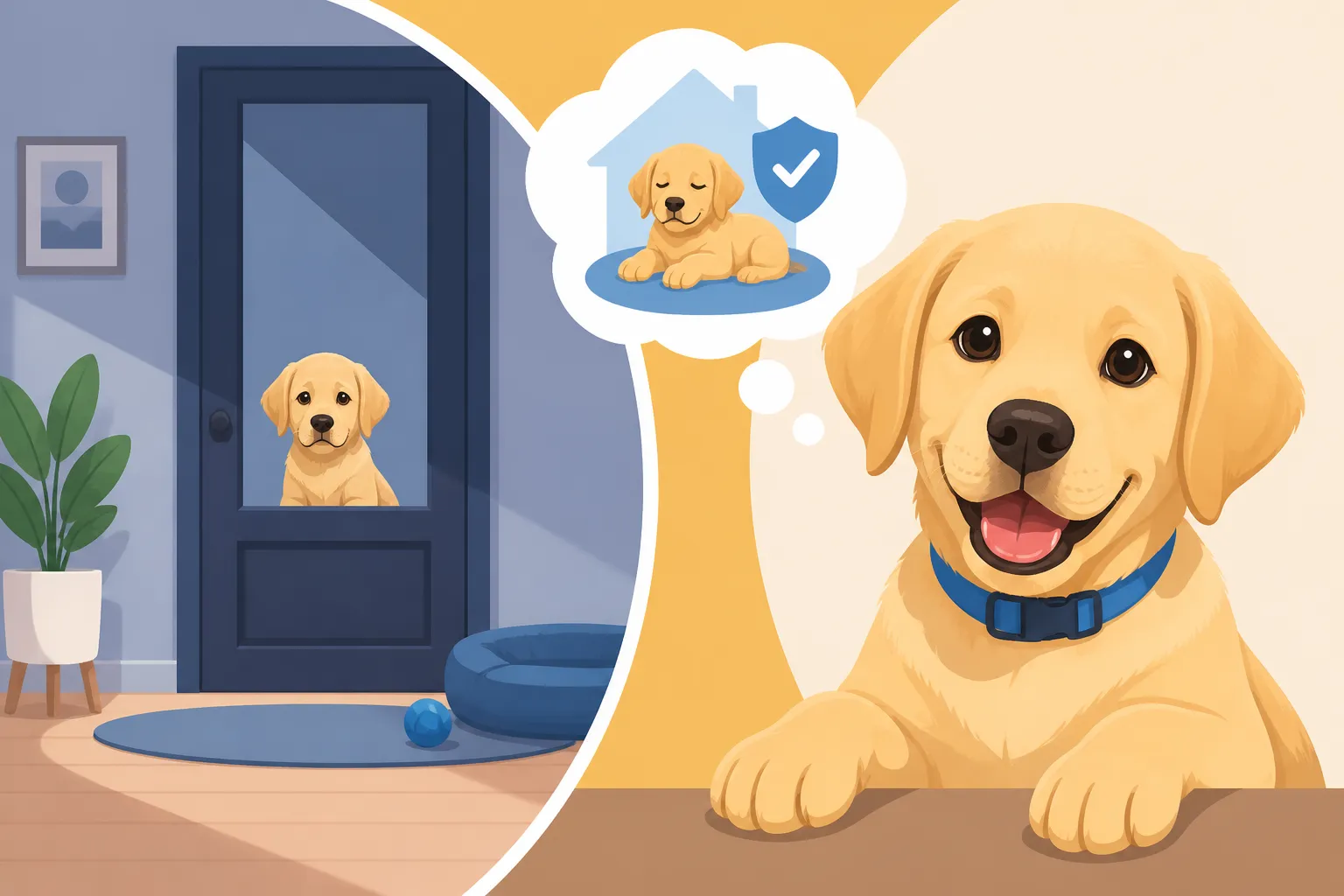
Building Alone-Time Tolerance in a Labrador Puppy
The sound of a lonely Labrador puppy crying or whining when you step out of the room can be absolutely heartbreaking, making you feel guilty and worried about whether you're doing something wrong. It's a common struggle for new puppy parents, but it doesn't have to define your life together. This guide will walk you through practical, empathetic steps to help your Labrador puppy build confidence and comfort with being left alone, ensuring they grow into a happy, independent adult.
Understanding Why Alone Time is Tough for Labrador Puppies
Let's be real: your Labrador puppy isn't trying to manipulate you with those heart-wrenching cries. They're just following their deepest instincts. Understanding why they struggle helps you approach their training with more patience and empathy, which is half the battle won. It's truly tough on them, especially when their whole world has just been turned upside down.
The Pack Instinct and Puppyhood
Think about where your puppy came from. For weeks, they were snuggled up with their mom and littermates, a constant pile of warmth and comfort. Every waking and sleeping moment was spent in close proximity, feeling safe and secure within their pack. Then, suddenly, they're in a new home, perhaps with new smells and sounds, and a new "pack" – you! When you leave them, even for a moment, it triggers that ancient instinct to call out for their family. They’re not being naughty; they're genuinely feeling vulnerable and alone, relying on those vocalizations as a survival mechanism. It’s a huge adjustment, and their cries are often a pure expression of fear or uncertainty, not defiance.
The Fear of Missing Out (FOMO) is Real
Labradors, by their very nature, are incredibly social, intelligent, and, let's face it, usually very food-driven. They thrive on interaction and being part of the action. This breed was developed to work closely with humans, often retrieving game or helping fishermen, so their desire to be involved is practically hardwired. When you leave, especially if you're still in the house, they're convinced they're missing out on something amazing – a dropped treat, a fun game, or simply your company. This strong desire to be included can manifest as whining, barking, or even destructive chewing as they try to "call you back" or occupy themselves in less-than-ideal ways. It’s not just about loneliness; it’s about their inherent need to participate and their intense bond with their human family.
Laying the Groundwork for Successful Solo Stays
Before you even think about leaving your puppy completely alone for extended periods, you need to establish a solid foundation. This isn't about quick fixes; it's about building trust and creating an environment where your puppy feels genuinely secure, even when you're not right there. This stage requires patience, consistency, and a little bit of foresight.
Creating a Safe and Positive "Alone Zone"
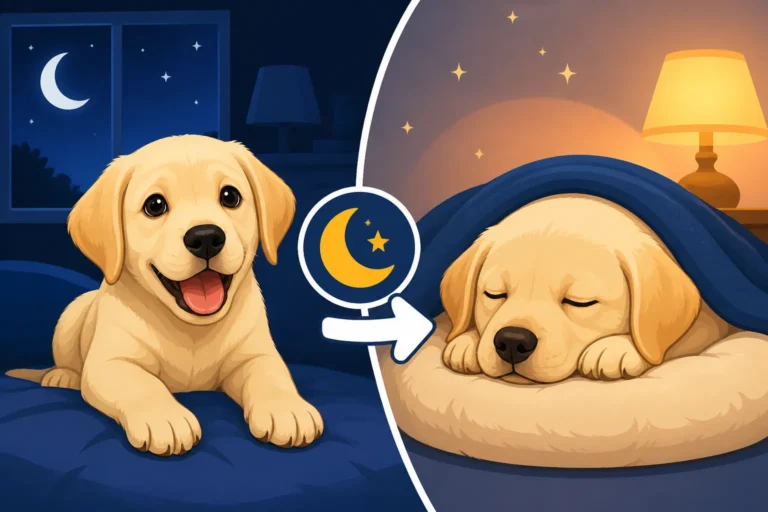
The first step is establishing a designated "alone zone" for your puppy. For most Labrador puppies, this means a crate. But here’s the critical part: it needs to be a positive, welcoming den, not a punishment chamber. Introduce the crate slowly, making it the most comfortable and rewarding place in the house. Toss treats in there, feed meals inside, and leave exciting, long-lasting chew toys only when they go into the crate. A soft bed, a familiar blanket, and maybe a covered top to create a den-like feel can make all the difference. The goal is for your puppy to want to go into their crate, associating it with good things and a sense of security. Never use the crate for punishment, as this will destroy any positive associations you're trying to build. You can find excellent, sturdy crates and comfy beds on sites like Amazon, ensuring your puppy's space is perfect. Check out our guide on Crate Training a Labrador Puppy for more in-depth advice on this crucial step.
The Art of Structured Departures and Returns
Our natural instinct is often to make a big fuss when we leave and return. We say lengthy goodbyes, give lots of cuddles, and then, upon return, greet our puppy with excited energy. While this feels loving to us, it inadvertently teaches our Labs that our departures and arrivals are huge, emotionally charged events. This can heighten their anxiety around alone time. Instead, aim for low-key, calm departures and returns. Slip away quietly without fanfare. When you come back, wait until your puppy is calm (even if it's just for a few seconds of silence after a bark-fest) before offering a quiet, gentle greeting. This teaches them that your comings and goings are normal, unremarkable parts of their day. It also helps them understand that their frantic behavior won't "summon" you faster. Consistency is key here; every time you make a big deal, you're reinforcing the wrong message. Before you leave, make sure your puppy has had ample opportunity to relieve themselves and has been exercised. This pre-departure routine signals to them that it's winding down time, not play time.
Practical Steps for Gradually Increasing Alone Time
Once your puppy is comfortable in their "alone zone," you can start the methodical process of slowly increasing the duration they spend by themselves. This isn't a race; it's a marathon of tiny, incremental successes that build lasting confidence. Remember, consistency and patience are your best friends here.
The "Invisible You" Method
The "invisible you" method starts with you simply stepping out of sight, but still within the house. For a Labrador puppy who's used to always having you in view, this can feel like a big deal. Start by putting your puppy in their crate or designated safe space with a special, high-value chew toy or puzzle feeder – something they only get when they're going to be left alone. Then, step just around a corner, out of sight. Wait a few seconds, then reappear. If they remained calm, reward them with a quiet treat and praise. Repeat this, gradually increasing the time you are out of sight: 10 seconds, then 30 seconds, then a minute, and so on.
The key is to return before they start to get distressed. You want to reward calm behavior, not anxious crying. If they do start to whine, wait for a brief pause in their vocalizations (even a single breath) before reappearing. This teaches them that being quiet brings you back. You can also use baby gates to create physical barriers while still being nearby, perhaps doing dishes in the kitchen while they're in the living room. The goal is to make your absence a non-event, something that happens routinely and is always followed by your calm return.
Enrichment to Make Alone Time Appealing
Leaving your Labrador puppy with nothing to do is a recipe for disaster and potential destruction. Labradors are smart and they need mental stimulation. This is where enrichment toys become your secret weapon. Think of items like Kongs stuffed with peanut butter or plain yogurt and frozen, West Paw Toppls with kibble and a bit of wet food, or LickiMats smeared with pumpkin puree. These aren't just toys; they're engaging activities that can keep a puppy occupied for a significant amount of time, turning what could be a stressful experience into a positive one.
Introduce these special "alone time only" toys so your puppy learns to associate your absence with something fantastic. Before you leave, offer one of these prepared enrichment items. This helps create a positive routine: "Mom or Dad is leaving, but yay, I get my special treat!" Brands like BAXTER & Bella, known for their comprehensive puppy training programs, often recommend specific types of enrichment to keep puppies engaged and prevent boredom, which can lead to destructive behaviors. Providing appropriate, stimulating activities is crucial for managing their strong chewing drive and mental energy while you're away. You can find a huge variety of these on Amazon, from basic rubber chew toys to elaborate puzzle feeders designed to challenge their minds. For more ideas, check out Puzzle Feeders That Slow a Greedy Labrador.
Managing Crying and Whining
This is often the hardest part for us humans, because those puppy cries tug at our heartstrings like nothing else. It’s crucial to distinguish between a "potty cry" and an "attention cry." If your puppy has just been out for a potty break and is whining shortly after being put in their alone zone, it’s highly likely they are seeking attention or expressing mild discomfort, not a true emergency. In these cases, it's vital to resist the urge to rush back in immediately. Doing so teaches them that crying brings you back, reinforcing the behavior.
Instead, wait for a momentary silence – even just a second or two – before reappearing calmly. If they cry continuously, you might need to go back a step in your training, making your absences even shorter. Sometimes, a quick check with a puppy camera (many affordable options are available on Amazon) can help you monitor them without being physically present, giving you peace of mind. Remember, the goal is to make alone time boring, not scary. If the crying is persistent, frantic, and accompanied by signs of extreme distress (like excessive drooling, destructive attempts to escape, or shaking), that could be a sign of true separation anxiety, which requires a different approach and possibly professional help. However, for typical puppy crying, consistency and ignoring all but the most immediate needs are key. It’s tough, I know, but it’s for their long-term well-being. For more insights into how your puppy might be feeling, our article on Settling a Labrador Puppy Who Cries in the Crate offers additional tips.
Common Pitfalls and Troubleshooting
Even with the best intentions, it's easy to fall into traps that can hinder your Labrador puppy's progress with alone-time tolerance. Recognizing these common missteps allows you to adjust your approach and keep moving forward, ensuring a well-adjusted and confident adult dog.
Rushing the Process
One of the biggest mistakes owners make is trying to move too quickly. You might successfully leave your puppy for 5 minutes, and then think, "Great! Now I can leave for an hour!" But a jump from 5 minutes to 60 minutes is massive in puppy time and can completely undo all your hard work. Think of it like building a tower of blocks: if you try to stack too many too fast, it all comes crashing down. If you notice your puppy regressing, becoming more anxious, or starting destructive behaviors, it's a clear sign you've pushed too far, too fast.
The key is to keep your absences short and frequent, gradually increasing the duration by just a few minutes at a time. This could mean leaving for 5 minutes, then 7, then 10, then 12, then 15, and so on. It feels painfully slow, but these small, repeated successes build a robust foundation of confidence. It teaches your puppy that you always come back, even if it feels like forever to them. If you hit a snag, simply go back a step or two, reinforce the shorter, successful durations, and then try to increase again, but more slowly this time. Patience truly is a virtue here, and rushing will only lead to frustration for both you and your developing Labrador.
Not Enough Exercise or Mental Stimulation
A tired puppy is a good puppy, and this couldn't be truer for a high-energy breed like the Labrador Retriever. If you try to leave your puppy alone when they're bursting with pent-up energy, they're far more likely to engage in destructive behaviors, bark incessantly, or simply be too restless to settle. Labradors need a significant amount of physical activity to be content, and without it, they'll find their own (often undesirable) ways to burn off steam.
Before any planned period of alone time, make sure your Labrador puppy has had a good physical and mental workout. This could be a vigorous game of fetch, a brisk walk, or even a training session that challenges their mind. For example, a 15-20 minute session of obedience training can be just as tiring as a long walk for a young puppy. Follow this with a potty break, then settle them into their alone zone with a puzzle toy. This routine helps them transition from high energy to calm relaxation, making them much more likely to settle down and tolerate your absence. Remember, a bored Labrador is a busy Labrador, and not in a good way! Our guide Exercise a Labrador Needs Each Day provides more details on meeting your pup's activity needs.
Over-the-Top Greetings and Departures
We touched on this earlier, but it bears repeating because it's such a common and impactful habit. Our dogs are incredibly attuned to our emotions, and if we treat our departures and arrivals as emotionally charged events, they will too. A long, sad goodbye reinforces the idea that you leaving is a terrible, sad thing. An overly excited greeting upon return teaches them that they've been "rescued" from a dreadful ordeal, confirming their anxiety.
Instead, practice being calm and neutral during these transitions. When you're about to leave, act as if it's no big deal. Put them in their crate, give them their special treat, and simply walk out. No lingering, no dramatic speeches. When you come home, resist the urge to immediately engage with an excited, jumping, or barking puppy. Wait until they offer you even a brief moment of quiet and calm, then you can offer a quiet "good boy/girl" and a gentle pat. This teaches them that your departure and return are normal, low-emotion parts of the day, helping them develop a healthier, more independent mindset. It's a small change in your behavior that can make a huge difference in their emotional development.
| Step | Goal | Duration | Key Action | What to Avoid |
|---|---|---|---|---|
| Phase 1: In-Sight Practice | Build comfort in Alone Zone | Seconds to 1-2 mins | Puppy in crate with treat, you stay in room, briefly out of sight. | Rushing, big goodbyes. |
| Phase 2: Out-of-Sight, In-House | Introduce short, real absences | 1-5 mins | Puppy in crate with puzzle, you leave room, close door, return calmly. | Returning when puppy is frantically crying. |
| Phase 3: Brief Outside Absences | Expand to outside home | 5-15 mins | Puppy exercised/pottied, in crate with puzzle, you step outside. | Overly excited greetings upon return. |
| Phase 4: Gradual Increase | Build sustained alone time | 15 mins to hours | Incrementally add time, always follow routine. | Huge jumps in duration. |
Disclaimer
This article is for general informational purposes only and does not constitute professional advice. Laws, prices and regulations vary by location and change over time. Consult a qualified professional for guidance on your specific situation.