Freezing for Ten Seconds When a Labrador Mouths
Oh, the joy (and sometimes, the pain!) of a new Labrador puppy! One of the most common, and frankly, most annoying, behaviors new owners face is the relentless puppy mouthing. It's truly a rite of passage for many, feeling like your adorable fur ball has tiny razor blades for teeth and thinks your hands are the best chew toy ever invented. This guide is here to walk you through a widely effective and gentle technique known as "freezing for ten seconds" to help teach your Lab pup better bite inhibition and make those cuddles much more enjoyable.
Understanding Why Your Labrador Puppy Mouths So Much
Before we dive into the solution, it’s really important to understand why your Labrador puppy is turning your fingers into their personal chew toy. It’s not out of malice, spite, or a desire to be naughty, even if it feels that way when those sharp little teeth make contact! This behavior is deeply ingrained and completely natural for puppies.
It's Natural Puppy Behavior, Not Aggression
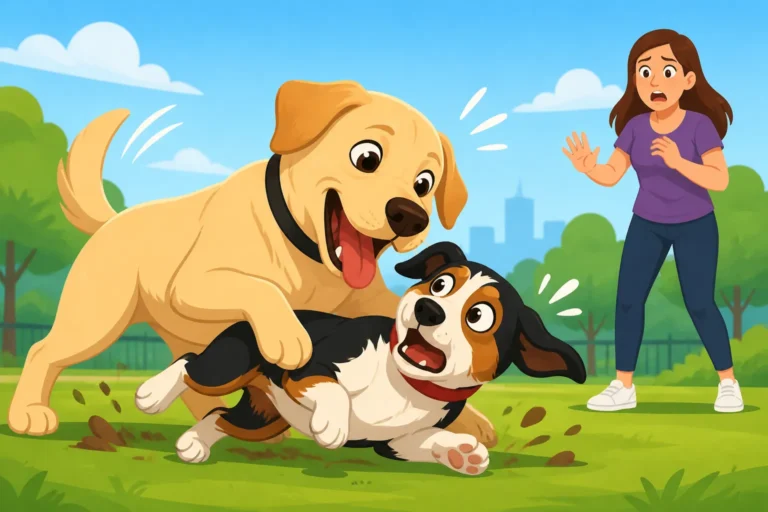
Think about a litter of Labrador puppies playing together. What do they do? They wrestle, they chase, and most importantly, they mouth and nip at each other. This is how they explore their world, how they interact, and how they learn. When one puppy nips another too hard, that second puppy will yelp, pull away, and often stop playing for a moment. This immediate feedback teaches the first puppy the limits of their bite pressure. It's a crucial part of their social development within their litter. Your puppy, freshly removed from that litter environment, is simply continuing these natural behaviors. They haven't yet learned that human skin is far more sensitive than a sibling's furry flank. It’s a learning curve, not a sign of a bad dog. In fact, it's a testament to their natural, playful Labrador spirit! You'll often see this behavior described more in depth in articles like Why Labrador Puppies Mouth Everything.
The Importance of Bite Inhibition
This brings us to the concept of bite inhibition, which is arguably one of the most vital lessons a puppy can learn. A dog with good bite inhibition understands how much pressure they can exert with their jaws without causing harm. Imagine an adult Labrador who, in a moment of excitement or fear, accidentally nips a human. If they have good bite inhibition, that nip will likely be a gentle pressure, perhaps just a warning, rather than a full-force bite that breaks skin. Puppies typically begin to develop this skill when they're still with their littermates. As we discussed, a hard bite equals a yelp and the end of play. When your puppy comes home to you, you become the primary teacher of bite inhibition. It’s your job to replicate that early learning, showing them that human skin is fragile and that hard bites make the fun stop. This isn’t about stopping them from ever putting their mouth on you (after all, they're Labradors, they love carrying things!), but about teaching them to do it gently.
Teething and Chewing Needs
Another major driver behind all that puppy mouthing is teething. Just like human babies, Labrador puppies go through a period where their baby teeth fall out and their adult teeth emerge. This process can be uncomfortable, even painful, and chewing provides relief. From around 3 to 6 months of age, your puppy's mouth is likely to be a hive of activity. They have an overwhelming urge to chew and mouth everything to help those new teeth come in and to soothe their gums. If you don't provide appropriate outlets, your hands, your furniture, and anything else within reach become fair game. This intense need to chew often exacerbates the mouthing behavior, as they're not just exploring or playing, but also seeking comfort. It’s why having a wide array of Toys That Satisfy a Teething Labrador is absolutely essential during this phase.
The "Freeze for Ten Seconds" Method: How It Works
So, your adorable Labrador puppy has latched onto your hand again, and those tiny needles are digging in. What do you do? The "freeze for ten seconds" method is a simple, non-confrontational, and effective way to teach your puppy that biting or mouthing too hard makes all the fun stop.
The Basic Steps to Implement
Here's how to put this method into action, step-by-step:
- Engage in Play: Start by playing gently with your Labrador puppy, perhaps with a toy, or just with your hands (though using a toy is often better to begin with).
- The Bite Occurs: The moment your puppy’s teeth make hard contact with your skin, even if it's just a little bit too firm, you need to react immediately.
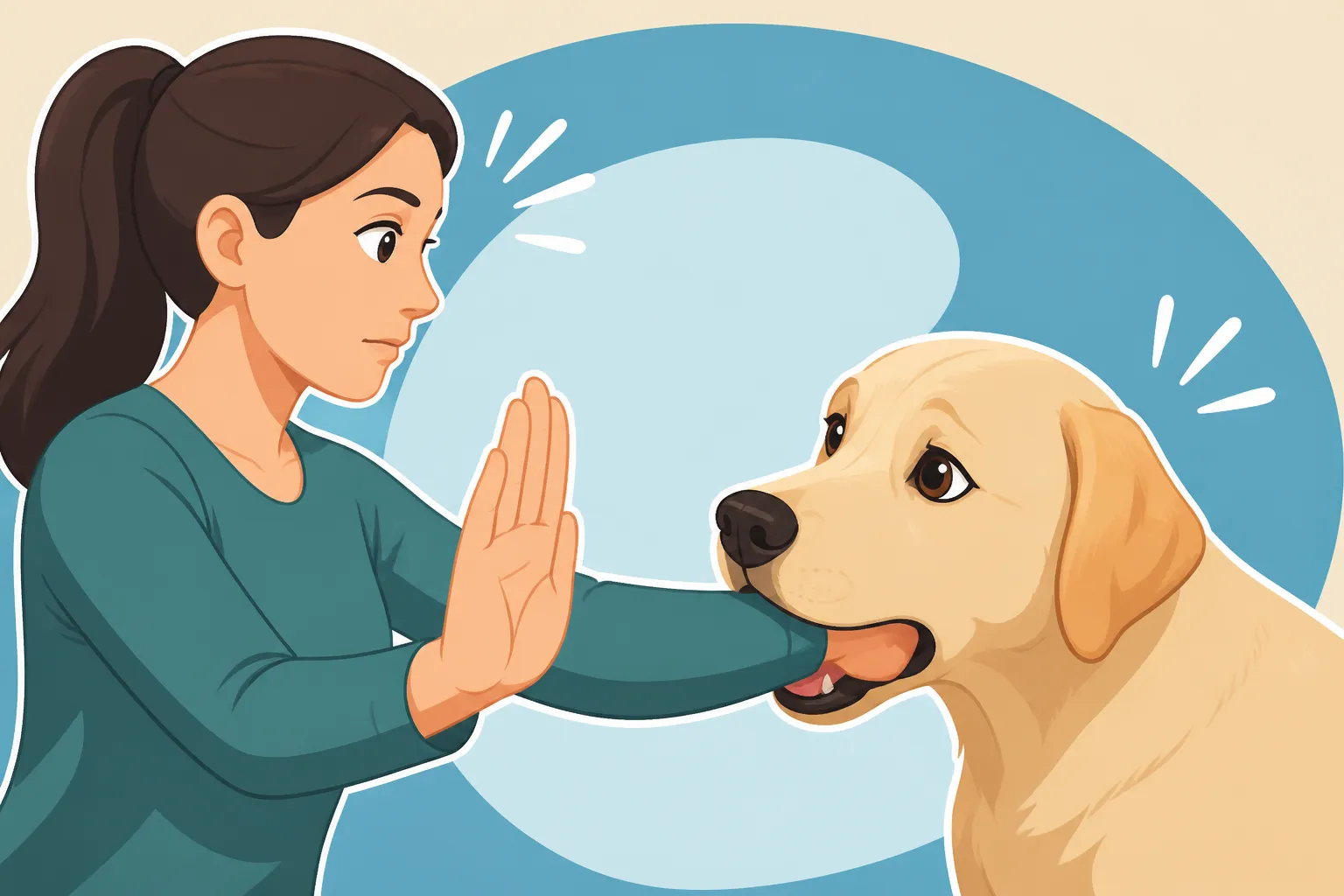
- "Yelp" and Freeze: Let out a sharp, high-pitched "ouch!" or "yelp!" just like another puppy would. This is not about scolding, but about communicating pain in a way your puppy understands. At the same time, immediately withdraw your hand (or whatever body part they’re mouthing) and freeze. Make your body go completely still. No pushing them away, no struggling, no reprimanding. Just stillness.
- The Ten-Second Pause: Keep your hands withdrawn and your body still for about ten seconds. During this time, completely ignore your puppy. Don't look at them, don't talk to them, don't interact in any way. The message is clear: "Your bite hurt, so the fun stops."
- Resume Play (if appropriate): After ten seconds of calm, if your puppy is also calm and not trying to mouth again, you can cautiously re-engage in play. If they immediately go back to mouthing hard, repeat steps 2-4. If they continue to mouth, or seem overly aroused, a brief time-out might be necessary (more on that below).
The key here is that the loss of your attention and the cessation of play is a powerful deterrent for a social, playful breed like a Labrador. They want to interact with you, and when their behavior makes that interaction stop, they quickly learn to modify it.
Consistency is Key for Your Labrador
This technique, like any training method, absolutely hinges on consistency. If one family member yelps and freezes, but another laughs or continues to play, your Labrador puppy will become utterly confused. They won't understand what the rules are. Imagine trying to learn a new language when half the people around you are speaking in different dialects – it would be impossible!
Every single person who interacts with your puppy must follow this method every single time the puppy mouths too hard. This includes children, partners, grandparents, and even guests. Have a family meeting. Explain the "yelp and freeze" rule to everyone. Show them exactly what to do. The more consistently your puppy receives the same clear message, the faster they will learn. You can't expect a Labrador to generalize if the rules keep changing. This consistent approach is often highlighted in broader guides on Training a Labrador From Puppy to Adult.
When to Escalate to a Time-Out
Sometimes, a particularly excited or persistent Labrador puppy might not get the message from just the "yelp and freeze" for ten seconds. They might keep nipping, jump on you, or simply not calm down. In these cases, it's time to escalate to a brief time-out.
Here’s how to do it:
- Perform the "Yelp and Freeze": Follow the steps above.
- If Mouthing Continues: If, after the initial ten-second freeze, your puppy immediately tries to mouth hard again, or remains too over-stimulated to calm down, you need to remove yourself from the situation.
- Implement the Time-Out: Calmly, without scolding or yelling, pick up your puppy and place them in a safe, boring spot for a very short period (30 seconds to 1 minute). This could be a playpen, their crate, or simply stepping behind a baby gate yourself so they can't reach you. The key is that the time-out spot should not be used as a punishment for anything else, otherwise, it loses its meaning. It's simply a neutral space where the puppy is removed from the fun.
- Re-engage (or not): After the short time-out, let them out (or return to them). If they are calm, you can try re-engaging in gentle play. If they immediately mouth hard again, another time-out is in order. You might have to do this several times in a row for particularly stubborn pups.
The crucial part is that the time-out is brief and immediate. It has to happen right after the unwanted behavior so the puppy connects their action (hard mouthing) with the consequence (loss of interaction/fun). This is often more effective than simply shouting "no" which can be misinterpreted as attention by a bored or seeking Labrador. When considering What Not to Do When a Labrador Puppy Bites, remember that physical punishment or harsh verbal reprimands are usually counterproductive and can damage your bond.
Beyond Freezing: Additional Strategies for Mouthy Labradors
While the "freeze for ten seconds" method is excellent for teaching bite inhibition, it's just one tool in your training toolbox. A multi-faceted approach will yield the best results for your energetic Labrador puppy. Remember, they aren't trying to be difficult; they're just puppies learning how to navigate the human world.
Redirecting to Appropriate Chew Toys
One of the most powerful strategies to reduce unwanted mouthing is to provide plenty of appropriate alternatives. As mentioned earlier, puppies have a strong instinct to chew, especially when teething. If your hands are the most interesting thing to chew on, guess what they'll choose?
Keep a variety of sturdy, safe chew toys readily available. When your Labrador puppy starts to mouth at your hands, immediately offer them a suitable chew toy instead. Praise them enthusiastically when they take the toy in their mouth. This teaches them, "Ah, this is what I'm supposed to chew on!" Consider toys made of durable rubber, like those from popular brands you can find on Amazon, or even specific teething toys designed for puppies. Frozen carrots, safe ice cubes, or a frozen KONG stuffed with peanut butter can also offer great relief for sore gums. The goal is to make the desired behavior (chewing on their toy) much more rewarding than the undesired behavior (chewing on you). For more on this, check out Toys That Satisfy a Teething Labrador.
Teaching "Gentle" and "Off" Commands
Proactive training can significantly reduce mouthing. Teaching your Labrador puppy specific commands can give you more control over their mouthy tendencies.
- "Gentle": You can teach "gentle" by offering a high-value treat in your open palm. As your puppy goes to take it, if they are too eager and mouthy, close your hand. Wait for them to approach more softly or gently lick your hand. The moment they are gentle, open your hand and say "gentle" as they take the treat. Repeat this many times. Soon, they will associate the word "gentle" with a soft mouth. This is particularly useful for those food-motivated Labs!
- "Off": The "off" command is invaluable for discouraging unwanted mouthing or jumping. When your puppy is mouthing you or a piece of furniture they shouldn't be, calmly say "off" and, if necessary, gently redirect their mouth away. As soon as they disengage, even for a second, reward them. The more you practice "off" in various contexts, the more effective it will become. This also ties into building general manners like in Stopping a Labrador From Jumping Up.
These commands give you a way to communicate what you do want, rather than just reacting to what you don't want.
Managing Excitement Levels
Labrador puppies are bundles of boundless energy and enthusiasm. High excitement often translates into more frantic, less controlled behaviors, including harder mouthing. If your puppy gets overly revved up during playtime, it's a good idea to bring the energy down a notch.
Instead of only playing high-intensity games of fetch or tug-of-war (which can certainly be fun in moderation), incorporate calmer activities. Puzzle toys, short obedience sessions, or even just some gentle petting and quiet cuddle time can help regulate their arousal levels. If you notice your puppy starting to get "mouthy" during an intense play session, call a brief time-out, encourage a moment of calm, and then restart with a less stimulating activity. For instance, after a vigorous run around the yard, instead of immediately engaging in a wrestling match, ask for a "sit" and offer a puzzle toy filled with treats. This helps teach them to transition from high energy to calm more easily.
Common Pitfalls and Troubleshooting
Even with the best intentions, training a Labrador puppy can feel like an uphill battle at times. Mouthing is a persistent puppy behavior, and you're bound to encounter some bumps along the way. Don't get discouraged!
Why the Method Might Not Seem to Be Working
If you feel like you've been freezing for ten seconds until you're blue in the face and your Labrador puppy just isn't getting it, there are a few common reasons why the method might not be clicking:
- Inconsistency: This is, by far, the biggest culprit. If even one person in the household isn't consistently applying the "yelp and freeze" or time-out, your puppy will receive mixed signals. They learn that sometimes biting works to get attention, and sometimes it doesn't. This lack of clarity slows down the learning process significantly. Review the rules with everyone and make sure you're all on the same page, every single time.
- Lack of Clear Communication: Are your "yelps" clear and sharp? Is your body language instantly still and withdrawn? If your reaction isn't immediate and unambiguous, your puppy might not connect their bite with your response. Practice your "yelp and freeze" so it's a clear signal.
- Too Much Attention After the Bite: Even negative attention can be rewarding for a puppy craving interaction. If you're scolding them loudly, pushing them away roughly, or even making eye contact and saying "no" repeatedly during the freeze, they might be getting the attention they seek, inadvertently reinforcing the behavior. Remember, the goal is no attention.
- Insufficient Outlets: Is your puppy getting enough appropriate chew toys? Are they adequately exercised (both physically and mentally) throughout the day? A bored or under-stimulated Labrador puppy will find ways to entertain themselves, and often that means mouthing. Ensure you have plenty of Chew Toys That Survive a Labrador and engage in regular, structured play.
It's a long process, but with persistence, you will see progress. Remember, When Labrador Puppy Mouthing Fades depends a lot on how consistently you apply these lessons.
Dealing with a Particularly Persistent Mouther
Some Labrador puppies are just more persistent than others. They might be high-energy, particularly oral, or just a little slower to pick up on social cues. If your puppy is a super-mouther, you might need to adjust your approach slightly:
- Pre-emptive Strikes: Instead of waiting for them to mouth you, always have a toy ready. As they approach your hand, quickly put a toy in their mouth. Reward them for taking the toy instead of you.
- No Hands Play (for a while): If your puppy simply cannot keep their teeth off you, consider a temporary "no hands" rule for all play. Only interact with them using toys, never your bare hands. This gives their brain a break from the temptation and helps them generalize that toys are for playing, not human skin.
- Wear Gloves: For very stubborn puppies, wearing gloves during playtime can give you a bit of a buffer and make the experience less painful for you, allowing you to be more consistent with your training without flinching.
- Short Leash for Management: If your puppy is constantly jumping and mouthing, keeping them on a short leash in the house can help. When they start to mouth, you can simply step on the leash for a moment (ensuring it's not pulling their neck) to prevent them from reaching you, making the "freeze" or "time-out" easier to enforce.
Patience is truly a virtue here. You’re teaching a fundamental lesson about living in a human world, and it takes time and consistency for it to sink in fully.
When to Seek Professional Help
While puppy mouthing is normal, there are times when it might escalate beyond typical puppy behavior or when you simply feel overwhelmed. If you're seeing any of the following, it might be a good idea to consult a professional dog trainer or a veterinary behaviorist:
- Hard Biting that Breaks Skin Regularly: While nips and scratches are common, if your puppy is consistently breaking skin or causing significant pain, it's a red flag.
- Growling or Snapping when Corrected: If your puppy responds to your "yelp and freeze" or time-out with aggression (growling, snapping, or trying to bite harder), it indicates a deeper issue than just playful mouthing.
- Lack of Progress: If you've been diligently applying these methods for several weeks and see absolutely no improvement, it's time for expert eyes.
- Fearful or Anxious Behaviors: If the mouthing seems to be coupled with fear, anxiety, or excessive shyness, a professional can help unravel the root cause.
A certified professional can assess your specific situation, observe your puppy's behavior, and provide tailored guidance. Resources like BAXTER & Bella offer online puppy training programs and support that can be a great starting point, providing structured lessons and often access to trainers. For more comprehensive support, consider looking for local certified professional dog trainers or applied animal behaviorists. They can offer invaluable insights and hands-on assistance to get your Labrador puppy on the right track. When looking for help, don't hesitate to ask What to Ask a Trainer Before Booking a Labrador to ensure they're the right fit for you and your pup.
Below is a table summarizing the stages of mouthing and suggested responses:
| Mouthing Behavior Stage | Description | Recommended Action (for Owner) | Goal for Puppy |
|---|---|---|---|
| Exploratory Licking | Gentle licks, soft mouth contact with no pressure. | Allow brief interaction, reward with praise. | Learn acceptable mouth contact. |
| Soft Mouthing | Gentle pressure, no pain, not breaking skin. | Allow briefly, then redirect to a chew toy. | Learn what "gentle" means; choose appropriate items. |
| Moderate Mouthing | Noticeable pressure, slight discomfort, no broken skin. | "Yelp!" and "Freeze for Ten Seconds". Withdraw attention. | Understand that moderate pressure stops interaction. |
| Hard Mouthing / Nipping | Painful pressure, may scratch or break skin lightly. | "Yelp!" and "Freeze for Ten Seconds". If persistent, implement a short (30-60 sec) time-out. | Learn that hard pressure immediately stops all fun. |
| Aggressive Biting | Growling, snapping, intentional hard bites, breaking skin. | Immediately stop interaction, isolate puppy. Seek professional help immediately. | Learn that aggression is unacceptable and has severe consequences. |
Remember, your Labrador puppy is learning how to navigate the world and how to interact with you. It takes patience, consistency, and a clear understanding of what you're trying to teach them. You've got this!
Disclaimer
This article is for general informational purposes only and does not constitute professional advice. Laws, prices and regulations vary by location and change over time. Consult a qualified professional for guidance on your specific situation.