Arthritis Signs in a Seven-Year-Old Labrador
It's heartbreaking to see our energetic, seemingly indestructible Labradors start to slow down, and it's all too common to wonder if their stiffness is just "getting old" or something more serious. If your beloved seven-year-old Labrador is showing subtle changes in movement or demeanor, you might be noticing the early whispers of arthritis, a condition that many Labs face as they age. This guide is here to walk you through recognizing those crucial early signs so you can get your furry friend the help they need to maintain their quality of life.
Understanding Osteoarthritis and Why Labradors Face a Higher Risk
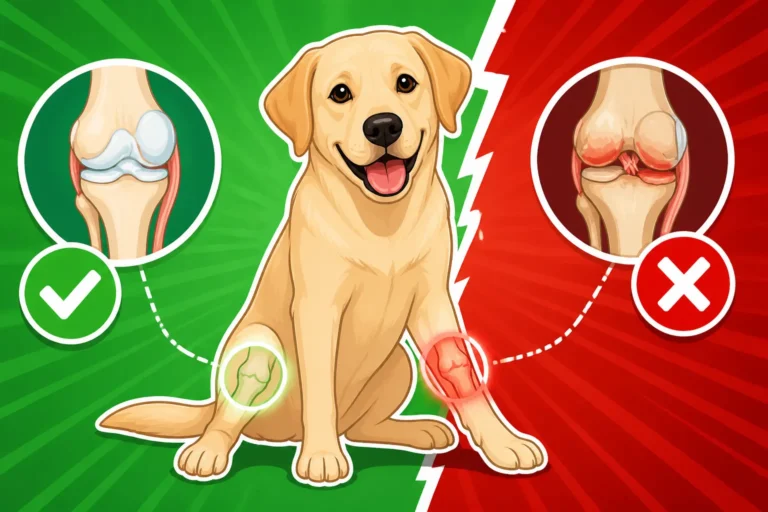
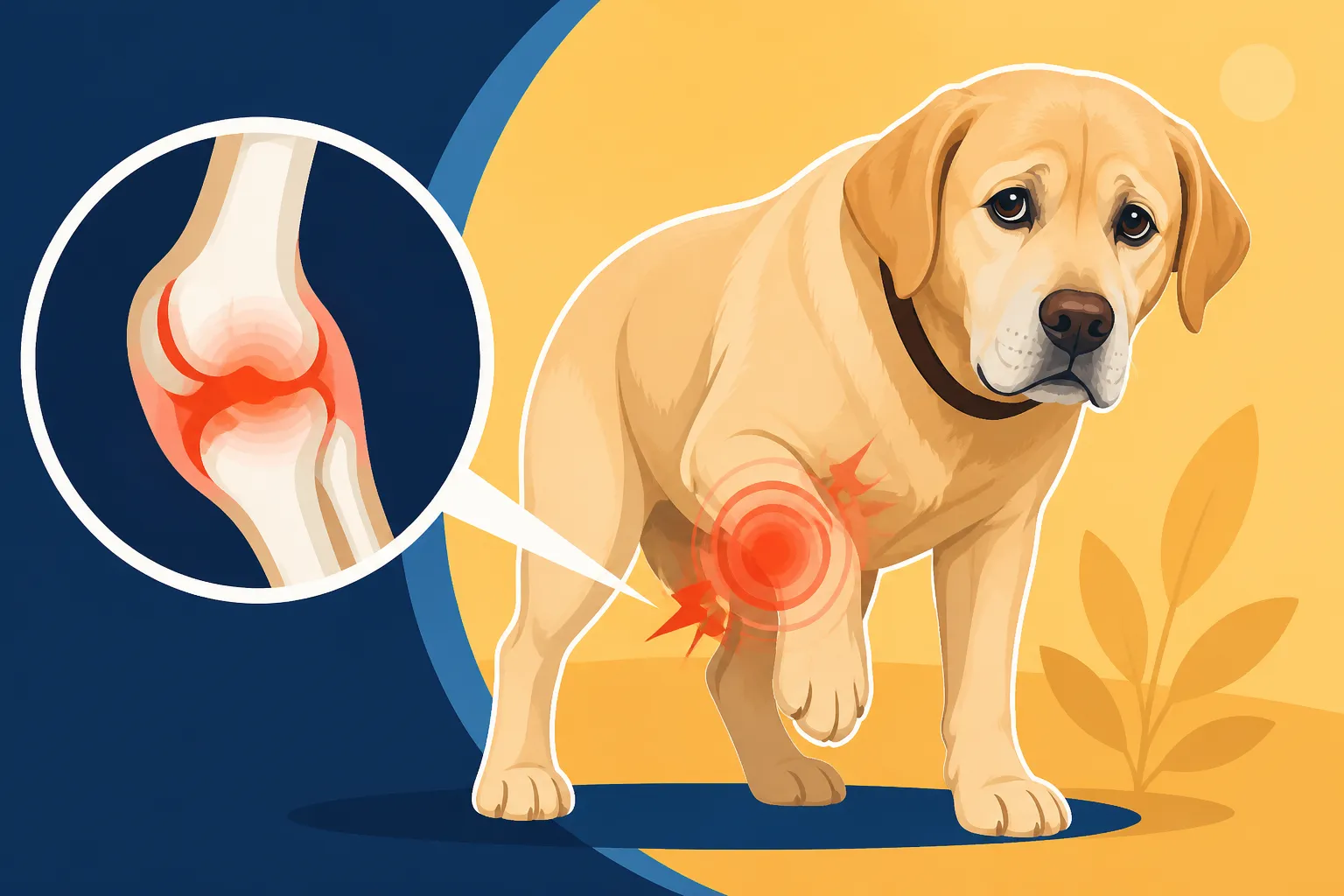
When we talk about arthritis in dogs, especially in a breed like the Labrador Retriever, we're usually referring to osteoarthritis. This isn't just a simple ache; it's a progressive, degenerative condition where the protective cartilage in the joints wears down over time. As this cartilage erodes, bones start to rub against each other, leading to pain, inflammation, reduced mobility, and the formation of bone spurs. It’s a chronic condition that, while not curable, is very much manageable, especially when caught early.
The wear and tear process of osteoarthritis can be exacerbated by several factors inherent to the Labrador breed. Their large size and active nature put significant stress on their joints throughout their lives. Imagine the countless jumps, sprints, and swims your Lab has enjoyed – each one a small impact on their cartilage. Over the years, this takes its toll. Furthermore, Labradors are unfortunately predisposed to certain developmental orthopedic conditions like hip and elbow dysplasia, which significantly increase their risk for developing secondary osteoarthritis later in life. Even if your Labrador had excellent OFA and PennHIP Screening for Labradors results as a puppy, the sheer force and repetitive motion they apply to their joints can still lead to arthritic changes.
Why Labradors Are More Susceptible to Joint Issues
It feels unfair that such a joyful, active breed is so prone to joint problems, doesn't it? But it's a combination of genetics and lifestyle that makes Labradors particularly vulnerable. Genetically, there's a strong hereditary component to conditions like Labrador Hip and Elbow Dysplasia, which lay the groundwork for arthritis. A dog with even mild dysplasia might not show signs when young, but the abnormal joint structure means uneven weight distribution and accelerated cartilage breakdown, leading to arthritis by middle age.
Beyond genetics, their enthusiastic personalities play a role. A typical Labrador loves to run, jump, fetch, and swim with incredible gusto. They'll often push through minor discomfort because they're so driven by the joy of the activity. This stoic nature means they often mask pain until it's quite advanced, making it harder for us to spot early warning signs. Also, given their natural inclination to be a little on the portly side – remember how easily Why Labradors Gain Weight So Easily – excess weight adds enormous strain to their joints. Even a few extra pounds can make a huge difference in the progression and severity of arthritis. This makes managing a Labrador’s weight absolutely critical throughout their life.
Subtle Early Signs of Arthritis in Your Seven-Year-Old Labrador
Spotting arthritis in a seven-year-old Labrador can be tricky because they're still in that "middle age" sweet spot – not quite a senior, but definitely past their puppy exuberance. Often, the early signs are so subtle that we might dismiss them as a dog just "getting older" or being a bit lazy. But these small changes are exactly what we need to watch for.
Think about your Labrador's routine. Is their morning stretch a little less enthusiastic? Do they take a moment longer to settle into a lying position, perhaps circling a few times before getting comfortable? These aren't just quirks; they can be early indications that certain movements are causing discomfort. Maybe they used to leap into the car with boundless energy, and now they hesitate, needing a little boost or taking a more measured step. These quiet shifts are often the first clues that their joints aren't as fluid as they once were. It’s also worth noting that some Labs become more hesitant to engage with certain surfaces, like slippery floors, trying to minimize any movement that might cause an unexpected slip or discomfort.
Changes in Movement and Posture You Might Miss
One of the most telling early signs is a change in how your Labrador moves, even if it's not a full-blown limp. You might notice they:
- Are slower to get up after resting: Instead of springing up, they might push up with their front legs first, or take a few seconds to fully extend their back legs. This "slow rise" is a classic sign.
- Have a subtle stiffness, especially after rest: After a nap or a long night's sleep, they might walk with a slightly stilted gait for the first few minutes, which then seems to "warm up" and improve.
- Show decreased enthusiasm for stairs or jumping: They might pause at the bottom of the stairs, take them one step at a time instead of bounding up, or need encouragement to jump onto the sofa or into the car. If you notice your Labrador has stopped enjoying certain activities, or that When a Labrador Stops Climbing the Stairs becomes a regular occurrence, it's definitely a red flag.
- Shift their weight: Sometimes, a Lab with hip or knee pain might subtly shift more weight to their front legs, leading to a slightly different posture or even bulkier-looking shoulders over time.
- Have a shorter stride: Their walk might seem less fluid, with shorter, choppier steps, particularly in their hind legs.
- "Bunny hop" when running: This is where both hind legs move together, rather than independently, especially when accelerating. It's often a way to minimize discomfort in the hips.
These changes are easy to overlook because they're not dramatic. They're just subtle shifts in your dog's natural grace. Keep a close eye on their routines and compare their current behavior to how they moved just a year or two ago.
Behavioral Shifts You Might Overlook
Beyond physical movement, arthritis pain can manifest in surprising behavioral changes. A dog in discomfort might become more withdrawn or, conversely, more irritable. For a typically gregarious Labrador, this can be quite noticeable. They might be less interested in playing fetch as long as they used to, or they might end play sessions prematurely. They might also choose to lie down more often, preferring softer surfaces and avoiding hard floors that don't offer much cushioning for their aching joints.
You might also observe subtle changes in their interaction with you or other pets. A Labrador with joint pain might become less tolerant of being touched in certain areas, particularly their hips or lower back. If your dog flinches, pulls away, or even gives a low growl when you try to pet their hindquarters, it's a strong signal of pain. They might also avoid rough play with other dogs, or simply stand back and watch rather than participate. Sometimes, the pain can even lead to changes in house-training habits, as the effort of getting up and going outside might become too uncomfortable, leading to accidents indoors. It’s important to remember that Labradors are often quite stoic, so Reading Pain in a Stoic Labrador requires keen observation on your part.
More Obvious Indicators and How They Progress
As arthritis progresses, those subtle hints tend to become much more overt. What started as a slight hesitation might turn into outright refusal, and what was once a minor stiffness becomes a noticeable lameness. It’s at this stage that most owners realize something is definitely wrong, but catching it before it gets to this point is always the goal.
When the pain becomes more constant, you'll likely see less of your Labrador's natural exuberance. They might spend more time resting, and their desire for walks or active play will diminish. The stiffness after rest will last longer, and they may struggle more consistently with everyday movements. For instance, a Labrador who once loved car rides might now refuse to jump in and even resist being lifted, indicating significant pain. These more pronounced signs are a clear call to action and warrant an immediate veterinary visit.
Limping, Stiffness, and Difficulty with Stairs
These are perhaps the most recognized signs of arthritis, and once they appear consistently, the condition is usually past its very early stages.
- Persistent limping or lameness: This is a clear indicator of discomfort. It might be continuous, or it could fluctuate, becoming worse after exercise or periods of rest. You might notice it more prominently in one leg or both hind legs.
- Significant stiffness: The "warm-up" period after rest becomes longer and less effective. Your Labrador might walk with a very rigid gait, especially in the mornings or after long naps.
- Difficulty with stairs, jumping, or getting into the car: This becomes more than just hesitation; it's a struggle. They might refuse to attempt these actions entirely, or whine and strain when trying. You may even notice them trying to brace themselves on furniture or walls for support. This physical limitation drastically impacts their quality of life.
- Muscle atrophy: Over time, if a limb is used less due to pain, the muscles around that joint will start to waste away. You might notice one hind leg looks thinner than the other, or their hindquarters generally appear less muscular than before. This is a common sign of chronic pain and disuse.
- Licking or chewing at joints: Some dogs will compulsively lick or chew at the painful joint, sometimes to the point of causing skin irritation or hair loss in the area. This is an attempt to self-soothe the discomfort.
If you observe any of these more pronounced signs, it's crucial to consult your veterinarian without delay. Early intervention, even at this stage, can make a significant difference in managing the pain and slowing the progression of the disease.
Pain Responses and Vocalizations
While Labradors are known for their stoicism, even they have limits. As arthritis pain intensifies, your dog might start to show more overt signs of discomfort or even vocalize their pain. This can be particularly distressing to witness in such a typically cheerful breed.
- Whining or whimpering: They might vocalize when attempting to stand up, lie down, or when moving in a way that puts pressure on a painful joint.
- Yelping: A sudden yelp if a sensitive area is touched, or if they make a misstep, is a definite sign of acute pain.
- Reluctance to be handled: A Labrador with severe arthritis might become withdrawn or even display aggression (growling, snapping) if you attempt to touch or manipulate a painful joint. This isn't malice; it's a desperate attempt to protect themselves from further pain.
- Changes in appetite or sleep patterns: Chronic pain can affect a dog's overall well-being. They might lose interest in food or become restless and unable to find a comfortable sleeping position.
- Trembling or shaking: In some cases, a dog experiencing significant pain might tremble, especially in the affected limb, or appear generally anxious.
If your seven-year-old Labrador is exhibiting any of these more pronounced pain responses, it's vital to seek veterinary attention immediately. They are suffering, and there are many effective ways to manage their discomfort. This is where having pet insurance, like a policy from Healthy Paws, can be incredibly reassuring, as it helps cover the costs of diagnosis and ongoing treatment for chronic conditions like arthritis, allowing you to focus on your dog's well-being without undue financial stress.
What to Do When You Suspect Arthritis in Your Labrador
Discovering your beloved Lab might have arthritis can be worrying, but the good news is that there’s a lot you can do to help manage their condition and improve their comfort. The very first step is always a visit to your veterinarian. Self-diagnosing and self-treating can be dangerous, as many conditions can mimic arthritis, and only a professional can give you an accurate diagnosis and a tailored treatment plan.
Your vet will conduct a thorough physical examination, feeling their joints, assessing their range of motion, and watching them walk. They'll likely recommend diagnostic imaging, typically X-rays, to confirm the presence and severity of arthritis, look for bone spurs, and rule out other potential issues. This diagnostic process is crucial to understanding the full picture of your Labrador’s joint health. Once a diagnosis is confirmed, you and your vet can discuss a comprehensive management plan. This often involves a multi-modal approach, combining medication, supplements, lifestyle adjustments, and potentially physical therapy.
Consulting Your Veterinarian and Diagnosis
Don't hesitate to reach out to your vet if you notice even subtle changes in your Labrador. The earlier arthritis is diagnosed, the more effectively it can be managed. When you go for your appointment, be prepared to share specific observations. Keep a journal of when you notice stiffness, how long it lasts, what activities seem to aggravate it, and any behavioral changes. This detailed information will be incredibly helpful for your vet.
During the examination, your vet will meticulously palpate your Labrador's joints, checking for swelling, pain response, and crepitus (a grinding sound or sensation). They'll also observe your dog's gait and posture. To confirm arthritis, X-rays are usually the gold standard. These images will show the extent of joint degeneration, cartilage loss (seen as narrowed joint spaces), and the presence of osteophytes (bone spurs). In some cases, your vet might suggest blood tests to rule out other underlying conditions or to assess your dog's overall health before starting certain medications. Having pet insurance, such as coverage from Healthy Paws, can be a real asset here, as it can help cover the costs associated with these diagnostic tests, which can sometimes be substantial.
Initial Management Strategies at Home
Once you have a diagnosis, a good management plan will almost certainly include several home-based strategies designed to reduce pain, improve mobility, and slow disease progression. These aren't just minor adjustments; they are fundamental to your Labrador’s comfort and long-term well-being.
- Weight Management: This is often the single most impactful thing you can do. Even a slightly overweight Labrador puts significantly more stress on their joints. Working with your vet to achieve and maintain an ideal body condition is paramount. This might mean adjusting their food portions – remembering how easily Labrador Obesity and the Years It Costs can shorten their lives – and perhaps switching to a weight management formula.
- Controlled Exercise: While strenuous activity might be out, regular, low-impact exercise is essential to keep joints mobile and muscles strong. Think shorter, more frequent walks on soft surfaces, gentle swimming (a fantastic, non-weight-bearing option), or slow leash walks. Avoid activities that involve sharp turns, jumping, or intense sprinting. You want to focus on Slowing Joint Decline in an Older Labrador through consistent, moderate movement.
- Joint Supplements: Many vets recommend supplements containing glucosamine, chondroitin, and Omega-3 fatty acids (like fish oil). These can help support cartilage health and reduce inflammation. Always discuss specific dosages and brands with your vet to ensure they are safe and effective for your dog. You can find more details on Joint Supplements That Help a Labrador in other resources.
- Comfortable Bedding: Provide an orthopedic bed that offers good support and cushioning for their joints. Place it in a warm, draft-free spot.
- Home Modifications: Make your home more accessible. Use non-slip rugs on slick floors, invest in ramps for cars or beds, and consider elevated food and water bowls if bending down is difficult. For Labs struggling with stairs, consider carrying them if safe, or limiting access to certain areas.
- Warmth: Applying gentle warmth (like a warm towel or dog-specific heating pad) to painful joints can provide relief.
- Pain Relief: Your vet may prescribe Non-Steroidal Anti-Inflammatory Drugs (NSAIDs) to manage pain and inflammation. These are incredibly effective but must be used under veterinary guidance due to potential side effects. There are also other medications your vet might explore to help manage chronic pain, as detailed in our guide on Pain Medication Vets Prescribe for Labradors.
It’s about creating an environment and routine that supports your Labrador's changing needs, allowing them to continue enjoying life comfortably. Remember that managing arthritis is a marathon, not a sprint, and consistent, proactive care makes all the difference for your seven-year-old companion.
| Arthritis Sign | Early Stage Observation | Later Stage Observation |
|---|---|---|
| Movement | Takes longer to stand, subtle stiffness after rest, hesitant | Limping, pronounced stiffness, difficulty with stairs/jumps |
| Enthusiasm/Activity | Less interested in long walks, shortens play sessions | Refuses play, avoids walks, lethargic |
| Behavior/Temperament | Seeks soft resting spots, less tolerant of touch on hindquarters | Whining, growling when touched, licking painful joints, restlessness |
| Posture/Appearance | Subtle weight shift, less fluid gait, "bunny hopping" | Muscle loss in affected limbs, rigid posture, trembling |
Disclaimer
This article is intended for informational purposes only and does not constitute veterinary advice. Always consult with a qualified veterinarian for any health concerns or before making any decisions about your Labrador Retriever's health or treatment plan.