Slowing Joint Decline in an Older Labrador
It's truly heartbreaking to watch your once-bounding Labrador start to hesitate, struggle with stairs, or just not move with the same joyous abandon. Joint decline, often a natural part of aging, can significantly impact their quality of life, but it's not something we have to accept silently. This guide will walk you through understanding, preventing, and managing joint issues to keep your beloved companion comfortable and happy for as long as possible, helping them navigate their golden years with dignity and comfort.
Understanding Joint Decline in Your Labrador
As our beloved Labradors age, the wear and tear on their joints is an inevitable reality. What was once a springy, effortless movement can become stiff, painful, and slow. Recognizing the early signs and understanding the underlying causes is the first crucial step in effectively slowing joint decline and maintaining your dog's quality of life. It’s not just about treating symptoms; it’s about comprehending the journey your dog is on.
Common Causes of Joint Issues
The robust and active nature of Labradors, while endearing, also predisposes them to certain joint conditions that can worsen with age. One of the most prevalent culprits is osteoarthritis, a degenerative joint disease where the cartilage cushioning the ends of bones gradually erodes. This leads to bone-on-bone friction, inflammation, and chronic pain. For many Labradors, this process isn't a sudden onset but a slow, insidious progression often stemming from developmental conditions they may have carried since puppyhood.
Beyond general wear and tear, genetic predispositions play a massive role. Labradors are notably prone to conditions like Labrador Hip and Elbow Dysplasia. These conditions, if present from a young age, lay the groundwork for severe arthritis later in life. Even if mild in youth, years of compensation and abnormal joint mechanics will eventually catch up, leading to pronounced discomfort as they reach their senior years. The weight and size of Labradors also add significant stress to their joints, accelerating the degenerative process compared to smaller breeds.
Injuries, even minor ones from past romps or tumbles, can also contribute to later joint problems. A torn cruciate ligament, for instance, even after surgical repair, often leads to some degree of arthritis in that knee over time. It's a cumulative effect; every jump, every hard landing, every extra pound of weight, slowly adds to the burden on these vital structures. Understanding this complex interplay of genetics, lifestyle, and past incidents helps us appreciate the multifaceted challenge of managing an older Labrador's joints.
Recognizing Early Signs of Discomfort
Labradors are famously stoic animals, often masking their pain until it becomes severe. This makes it incredibly challenging for us, their devoted owners, to spot the subtle early indicators of joint discomfort. Many owners might dismiss a slight hesitation to jump into the car or a slower pace on walks as simply "getting old," when in reality, it could be the first whisper of chronic joint pain. Learning to distinguish normal aging from genuine discomfort is paramount. Our article on Reading Pain in a Stoic Labrador can offer more insight into these subtle cues.
Keep an eye out for changes in gait, even slight ones. Is your Labrador favoring a limb? Do they seem stiffer after resting or first waking up? Perhaps they're reluctant to use stairs, jump onto furniture, or even engage in their favorite retrieving games with the same enthusiasm. A decreased interest in walks, a slight limp that comes and goes, or even just being a little less playful are all potential red flags. They might also start to lick or chew at a particular joint, or their posture might change, perhaps hunching slightly or shifting weight to avoid putting pressure on a painful area.
Another key indicator is a change in behavior or temperament. Pain can make even the most good-natured Labrador grumpy or withdrawn. They might flinch when touched in certain areas, or even growl if you accidentally press on a sore joint. Difficulty settling down at night, pacing, or struggling to find a comfortable position can also point to underlying pain. Observing these changes closely and communicating them to your veterinarian is crucial for an early diagnosis and for initiating interventions that can truly make a difference in slowing the progression of joint decline.
Proactive Strategies to Preserve Joint Health
While joint decline might be a natural part of aging, there’s a tremendous amount we can do to slow its progression and minimize its impact on our Labradors. Proactive care, started well before obvious symptoms appear, is truly the cornerstone of long-term joint health. It involves a holistic approach, focusing on diet, exercise, and strategic supplementation.
Nutrition and Weight Management
Perhaps the single most impactful factor in preserving your Labrador's joint health is maintaining an ideal body weight. Labradors have a notorious love for food, and many are genetically predisposed to obesity due to a specific gene mutation that affects their satiety levels. This makes them prone to Why Labradors Gain Weight So Easily, and every extra pound places immense stress on their joints, accelerating cartilage breakdown and exacerbating any existing conditions like arthritis. Think of it like carrying a heavy backpack all day, every day – it takes a toll.
Working closely with your vet to determine your Labrador's ideal body condition score is essential. You should be able to easily feel, but not necessarily see, their ribs, and they should have a discernible waist when viewed from above. Feeding a high-quality, balanced diet appropriate for their life stage and activity level is critical. For older Labs, a diet lower in calories but still rich in protein can help maintain muscle mass without adding unnecessary fat. Precise portion control is non-negotiable; free-feeding a Labrador is a recipe for weight gain. Measuring food accurately with a kitchen scale ensures consistency.
Beyond just avoiding obesity, certain nutrients in their diet can support joint health. Look for foods that include omega-3 fatty acids (EPA and DHA), which have natural anti-inflammatory properties. Some senior or joint-specific formulas will also include glucosamine and chondroitin, though the amounts in food are often lower than therapeutic doses. Remember, maintaining a lean body mass isn't just about comfort; it's about extending their healthy years. Research consistently shows that a lean Labrador lives a significantly longer and more comfortable life, as detailed in our guide on How Much Longer a Lean Labrador Lives.
Appropriate Exercise Regimen
When we think of Labradors, we often picture them as boundless bundles of energy, but as they age, their exercise needs change significantly. While exercise remains vital for maintaining muscle strength, flexibility, and a healthy weight, the type of exercise becomes crucial for protecting delicate joints. High-impact activities like intense fetching, jumping, or long-distance running on hard surfaces can be detrimental to aging joints, accelerating wear and tear.
Instead, focus on low-impact activities that promote gentle movement without excessive strain. Swimming is perhaps the gold standard for older Labradors; it provides excellent cardiovascular exercise and muscle strengthening without any impact on their joints. Walking on soft surfaces like grass, sand, or dirt trails is preferable to pavement. Shorter, more frequent walks are often better than one long, strenuous outing. The goal is consistent, gentle movement to keep joints lubricated and muscles strong, rather than intense bursts of activity.
Even mentally stimulating activities can contribute to their well-being if physical exertion is limited. Scent work, puzzle toys, and short training sessions keep their minds engaged, which is just as important as physical exercise for a senior dog's overall health. Always observe your Labrador for any signs of discomfort during or after exercise, such as limping, stiffness, or reluctance to move. Adjust their routine accordingly. The key is moderation and listening to your dog's cues, ensuring they remain active in a way that supports, rather than harms, their joint health.
Effective Joint Supplements
The market is flooded with joint supplements, and it can feel overwhelming trying to choose the right ones for your aging Labrador. However, several ingredients have a good track record in supporting joint health and managing inflammation. These supplements aren't magic bullets, but they can significantly complement other proactive strategies, especially if you start them before severe symptoms appear or as directed by your veterinarian. Our article on Joint Supplements That Help a Labrador goes into greater detail on specific options.
One of the most widely recognized combinations is glucosamine and chondroitin. Glucosamine helps in the repair and formation of cartilage, while chondroitin helps maintain cartilage elasticity and inhibits enzymes that break down cartilage. These are often given together, as they are believed to work synergistically. MSM (Methylsulfonylmethane) is another popular ingredient, a natural anti-inflammatory and antioxidant that can help reduce pain and support connective tissue. While individual responses vary, many owners report noticeable improvements in their dogs' comfort and mobility with consistent use.
Beyond these foundational ingredients, omega-3 fatty acids, particularly EPA (eicosapentaenoic acid), are powerful anti-inflammatories. Fish oil supplements, rich in EPA and DHA, can help reduce the inflammation that contributes to joint pain and further cartilage degradation. Other ingredients like green-lipped mussel, turmeric, and hyaluronic acid are also gaining popularity for their purported joint-supportive and anti-inflammatory benefits. Always discuss any new supplement regimen with your veterinarian, as they can help you choose high-quality products, determine appropriate dosages, and ensure they won't interact negatively with any other medications your Labrador might be taking.
Managing Existing Joint Pain and Mobility Issues
Even with the best preventative care, many Labradors will eventually face some degree of joint pain as they age. When this happens, the focus shifts from prevention to effective pain management and maximizing their comfort and mobility. This often requires a multi-modal approach, combining veterinary interventions, physical therapies, and thoughtful home modifications.
Veterinary Interventions and Medications
When joint pain becomes noticeable and persistent, a visit to your veterinarian is crucial. They can accurately diagnose the extent of the joint disease through physical examination and imaging like X-rays. Based on this assessment, they'll often recommend a combination of medical treatments. Non-steroidal anti-inflammatory drugs (NSAIDs) are a common first line of defense. Brands like Rimadyl (carprofen), Galliprant (grapiprant), and Metacam (meloxicam) can significantly reduce pain and inflammation, allowing your dog to move more comfortably. It's important to use these strictly under veterinary guidance due to potential side effects.
Beyond daily oral medications, newer injectable options are becoming available. Adequan Canine (polysulfated glycosaminoglycan) is an injection that can help stimulate cartilage repair and reduce inflammation. More recently, groundbreaking monoclonal antibody treatments like Librela (for dogs) have emerged, specifically targeting nerve growth factor (NGF) to provide monthly pain relief for osteoarthritis. These can be game-changers for Labs who don't tolerate or respond well to NSAIDs. Other medications, such as gabapentin or tramadol, might be used in conjunction with NSAIDs for more severe or neuropathic pain.
Your vet might also suggest joint injections, such as corticosteroids or hyaluronic acid directly into the affected joint, though these are typically reserved for specific cases. Laser therapy, acupuncture, and even regenerative therapies like platelet-rich plasma (PRP) or stem cell treatments are also options that some veterinarians offer or refer to, providing alternative or complementary ways to reduce pain and inflammation. The specific treatment plan will be tailored to your Labrador's unique needs, severity of condition, and overall health. Planning for these potential costs is important, and pet insurance providers like Healthy Paws can be a real lifeline for managing ongoing veterinary care.
Physical Therapy and Rehabilitation
Just as in humans, physical therapy can be incredibly beneficial for Labradors suffering from joint decline. A certified canine rehabilitation therapist can develop a customized program designed to strengthen supporting muscles, improve range of motion, reduce pain, and enhance overall mobility. This isn't just about exercise; it's a specialized field that addresses the biomechanics of their movement.
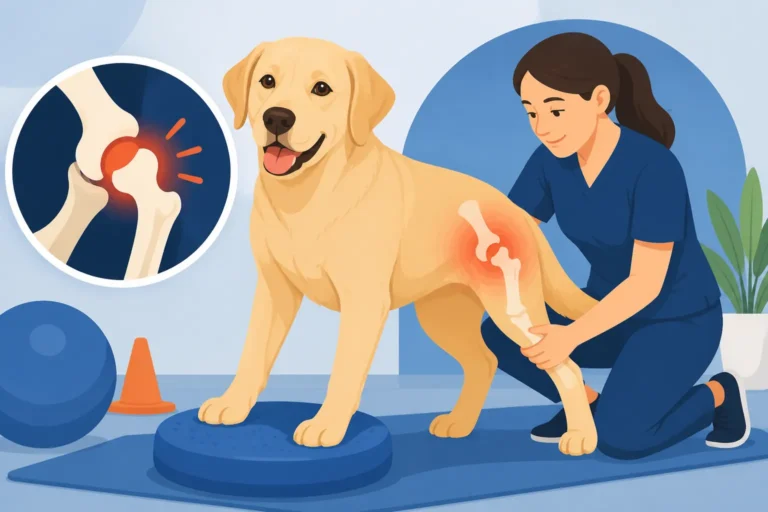
One common component of canine physical therapy is hydrotherapy, often performed in an underwater treadmill or a therapeutic pool. The buoyancy of the water reduces the impact on joints while providing resistance for muscle strengthening. This is particularly valuable for Labs with significant pain or weakness. Other techniques might include therapeutic exercises like controlled leash walks, balance exercises on wobble boards, passive range of motion stretches, and targeted strengthening routines. The goal is to build muscle mass around the affected joints, improving stability and reducing strain.
Beyond active exercises, modalities such as therapeutic ultrasound, electrical stimulation (e-stim), and cold laser therapy are frequently incorporated. These can help reduce inflammation, promote healing, and alleviate pain. A skilled therapist can also teach you specific exercises and stretches to do at home, empowering you to actively participate in your Labrador's rehabilitation journey. Our article on Physical Therapy for a Labrador With Bad Hips provides further details on these beneficial interventions. It's an investment of time and resources, but the improvement in a Labrador's comfort and function can be truly remarkable.
Home Modifications for Easier Living
While medical and therapeutic interventions address the internal aspects of joint decline, creating a supportive home environment is equally critical for your Labrador's daily comfort and safety. Simple modifications can significantly reduce strain on their aching joints and prevent falls, allowing them to navigate their familiar surroundings with greater ease and dignity. These changes might seem small, but they make a world of difference in their quality of life.
One of the most immediate and beneficial changes is providing orthopedic bedding. A supportive, thick bed that cradles their body and reduces pressure points can offer immense relief, especially after a long day or during cold weather. Place these beds in multiple locations where your Labrador likes to rest. For slippery floors, consider laying down non-slip runners or rugs, particularly in high-traffic areas or where they transition from carpet to hard surfaces. This prevents painful slips and falls that can cause further injury.
Ramps and stairs can be invaluable for helping your Labrador access elevated areas they once managed effortlessly, such as getting into the car, onto the couch, or up and down a few steps. Products like the PetSafe CozyUp Ramp or WeatherTech's pet ramps are designed to be sturdy and easy to use. Our comprehensive guide on Ramps and Mobility Aids for an Old Labrador offers a deeper dive into these helpful tools. Elevated food and water bowls can also reduce strain on their neck and front joints, making meal times more comfortable. Think about the path your Labrador takes throughout the day and identify areas where they might struggle, then brainstorm practical solutions to smooth their journey.
| Intervention Type | Primary Benefit | Common Examples / Medications | Cost Considerations (General) |
|---|---|---|---|
| Weight Management | Reduces joint stress, slows progression | Diet adjustment, portion control, specialized kibble | Low (food cost) |
| Oral Medications | Pain relief, anti-inflammatory | NSAIDs (Carprofen, Meloxicam), Gabapentin | Moderate (monthly) |
| Injectable Treatments | Cartilage support, targeted pain relief | Adequan, Librela | High (monthly/periodic) |
| Supplements | Joint lubrication, anti-inflammatory | Glucosamine, Chondroitin, Omega-3s, Green-lipped mussel | Moderate (monthly) |
| Physical Therapy | Muscle strengthening, mobility, pain reduction | Hydrotherapy, therapeutic exercises, laser therapy | High (per session/package) |
| Home Modifications | Improves accessibility, prevents injury | Orthopedic beds, ramps, non-slip mats, elevated bowls | Variable (one-time/upgrades) |
Long-Term Care and Support for Your Senior Labrador
Caring for an older Labrador with joint decline is a marathon, not a sprint. It requires ongoing dedication, vigilance, and a willingness to adapt as their needs evolve. Providing comprehensive long-term care means not only managing their physical ailments but also supporting their emotional well-being and planning for the practical aspects of their senior years.
Emotional Support and Quality of Life
Beyond the physical discomfort, living with chronic pain can take an emotional toll on our Labradors. They might feel frustrated by their limitations, less able to engage in activities they once loved, or even withdrawn. Providing ample emotional support and ensuring their quality of life remains high is just as important as managing their physical symptoms. This means showering them with love, patience, and understanding.
Maintain routines as much as possible, as predictability provides comfort and security for aging dogs. Spend quality time with them, even if it's just gentle petting, quiet cuddles, or short, leisurely strolls. Adapt play to their abilities; perhaps softer toys, gentler games, or more focused scent work instead of vigorous fetch. Celebrate their small victories, like navigating a ramp successfully or enjoying a short walk without a noticeable limp. The goal is to keep them engaged with life and feeling cherished, despite their physical challenges.
It's also important for us, as owners, to acknowledge the emotional impact of watching our vibrant companions slow down. It's tough, and it's okay to feel that grief or frustration. Focus on the joy you can still share and the comfort you can provide. Ensuring their emotional well-being contributes significantly to their overall health and resilience in facing joint decline. Our comprehensive guide on Caring for a Senior Labrador offers more insights into supporting them through their later years.
Regular Monitoring and Veterinary Check-ups
The journey of managing joint decline in an older Labrador is dynamic, meaning their needs will change over time. Regular monitoring and consistent veterinary check-ups are paramount to stay ahead of the curve, adjust treatments as necessary, and address any new issues promptly. What works today might need tweaking six months from now, so an ongoing partnership with your vet is non-negotiable.
Schedule routine wellness exams at least once or twice a year, as recommended by your veterinarian. During these visits, your vet can assess their gait, manipulate their joints, and evaluate their pain levels. They'll also monitor the effectiveness of current medications and supplements and check for any side effects. These check-ups are also crucial for catching other age-related health issues early, as older Labradors can be prone to conditions like kidney disease, heart problems, or Cancer in Labrador Retrievers.
Beyond scheduled appointments, pay close attention to your Labrador's daily behavior. Keep a journal of good days versus bad days, noting any changes in appetite, thirst, bathroom habits, or mood. If you notice an increase in lameness, vocalization of pain, or a significant decrease in activity, don't wait for the next routine appointment; contact your vet immediately. Early intervention for worsening pain or new symptoms can prevent further suffering and allow for timely adjustments to their care plan.
Planning for Future Care and Costs
Living with a senior Labrador with chronic joint issues, while incredibly rewarding, often comes with increasing financial considerations. Medications, supplements, special diets, physical therapy sessions, and vet visits can add up. Proactive financial planning can help alleviate stress and ensure you can provide the best possible care without undue burden.
Consider the ongoing costs of their specific treatment plan. If your Labrador is on daily NSAIDs or monthly injections, budget for those recurring expenses. Look into bulk purchasing for certain supplements or medications if possible, as this can sometimes offer savings. Explore different pet insurance options, even for older dogs, though coverage for pre-existing conditions like established arthritis might be limited. However, a good policy, perhaps from a provider like Healthy Paws, can still help cover unexpected accidents or new illnesses that aren't related to their joints.
Beyond insurance, setting up a dedicated savings fund for your senior Labrador's care can provide a financial cushion. Research local resources, such as veterinary schools or non-profit organizations, that might offer lower-cost diagnostic services or specialized treatments. While it's difficult to think about, discussing end-of-life care options and associated costs with your vet in advance can also help you make informed decisions when the time comes, ensuring your Labrador's final days are as peaceful and comfortable as possible. Our article on End-of-Life Care for a Labrador can offer guidance during this difficult stage.
Disclaimer
This guide provides general information and recommendations for slowing joint decline in older Labradors. It is not a substitute for professional veterinary advice, diagnosis, or treatment. Always consult with your veterinarian regarding your Labrador's specific health conditions and before making any decisions about their diet, exercise, or medical care.