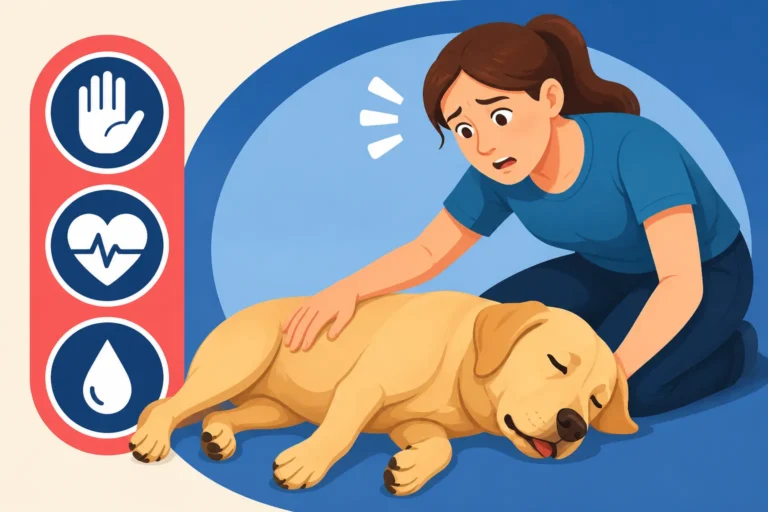
Deciding When to Say Goodbye to a Labrador
Facing the unimaginable choice of saying goodbye to your beloved Labrador is one of the most heartbreaking moments any pet owner will endure. It’s a decision fraught with guilt, sadness, and uncertainty, often made under immense emotional strain. This guide is here to offer a compassionate, realistic look at the process, helping you understand the signs, assess your Lab's quality of life, and navigate the difficult conversations with your vet to make the most loving choice for your cherished companion.
Recognizing the Signs Your Labrador Is Declining
It's incredibly tough to know when your Labrador's time is drawing near. Labradors are famously stoic, often hiding their pain until it's quite advanced, making it even harder for their devoted humans to pick up on the subtle cues. You might feel like you're constantly second-guessing yourself, wondering if a bad day is just a bad day, or a sign of something more profound. This emotional tightrope is a common experience for those who love this resilient breed.
Subtle Changes in Behavior and Routine
One of the first ways you might notice a shift in your Labrador is through changes in their normal behavior and daily routines. These aren't always dramatic, but rather a gradual fading of their usual enthusiasm. Perhaps your once-exuberant greeting at the door has become a quiet tail wag from their bed, or the excited anticipation for a walk is replaced by a slow amble to the leash. They might sleep more, or conversely, seem restless and unable to get comfortable, pacing at night when they used to snooze soundly.
Pay close attention to their social interactions. A Labrador known for being the life of the party, always eager for a belly rub or a game of fetch, might start to withdraw. They may seek solitude more often, preferring to lie alone rather than engage with the family. Sometimes, they might even seem confused or disoriented, failing to respond to familiar commands or getting "stuck" in a corner. These subtle shifts are often their quiet way of telling you that things aren't quite right, and it's a critical time to start paying closer attention to their overall well-being. For more insights on how to interpret these quiet signals, you might find our article on Quiet Signs a Labrador Is Hurting very helpful.
Physical Indicators of Discomfort or Illness
Beyond behavioral changes, there are often physical signs that your Labrador is experiencing chronic discomfort or declining health. One of the most common is a noticeable change in their mobility. Getting up from a lying position might become a slow, painful struggle, and climbing stairs or jumping into the car could become impossible. You might notice a tremor in their legs, a stiffness in their gait, or a general reluctance to move that wasn't there before. This can be particularly heart-wrenching in a breed known for its boundless energy and love of activity.
Other physical indicators can include significant weight loss, even if their appetite seems okay, or a dullness to their usually bright eyes and coat. Incontinence, either through urination or defecation, can become an issue, as their muscles weaken or they lose control. Labored breathing, coughing, or persistent vomiting and diarrhea are also serious red flags that warrant immediate veterinary attention. These physical signs, especially when they become persistent and impact daily function, are often a strong indication that your Labrador is struggling to maintain a good quality of life. For Labs with joint issues, our guide on Slowing Joint Decline in an Older Labrador can offer more context on physical challenges.
Assessing Quality of Life: The HHHHHMM Scale and Beyond
When facing these difficult decisions, it can feel overwhelming to objectively evaluate your Labrador's well-being. How do you measure their happiness or pain? Thankfully, veterinary professionals have developed tools to help, like the HHHHHMM Quality of Life Scale. This isn't a perfect science, but it offers a structured way to assess various aspects of your dog's daily life, giving you a clearer picture when emotions are running high.
Understanding the HHHHHMM Quality of Life Scale
The HHHHHMM scale is a widely recognized tool designed to help pet owners and veterinarians evaluate a pet's quality of life. Each letter represents a crucial aspect of your Labrador's daily experience, and you rate each one on a scale (often 1 to 10, where 10 is excellent).
- Hurt: Is your Labrador in pain? Are they able to be adequately managed with medication, or is the pain persistent and severe despite interventions? Remember, Labs are stoic. Reluctance to move, sudden lameness, or crying out when touched are clear signs. Even subtle cues like panting heavily when resting or a change in facial expression can indicate discomfort. Our article on Reading Pain in a Stoic Labrador offers ways to identify pain in your Lab.
- Hunger: Is your Lab eating enough? Is their appetite still there, or do you have to coax them to eat? For a breed as food-motivated as a Labrador, a significant lack of appetite is a major red flag. If they refuse their favorite treats or meals consistently, it's a serious concern.
- Hydration: Is your Labrador drinking enough water? Are they dehydrated? Pinch the skin on their neck; if it doesn't spring back quickly, they might be dehydrated. This can also be observed through lethargy or dry gums.
- Hygiene: Can your Labrador keep themselves clean? Are they grooming themselves, or are they struggling with incontinence, keeping their coat matted, or developing sores from lying in urine? This also includes their ability to move to eliminate outside.
- Happiness: Is your Labrador experiencing joy? Do they still engage with their family, wag their tail, or show interest in favorite toys or activities? Do they still have "sparkle" in their eyes? A lack of engagement or a consistently depressed demeanor points to a declining quality of life.
- Mobility: Can your Labrador move around comfortably? Can they stand, walk, go up/down stairs (if applicable), or get to their favorite spots without significant pain or struggle? Are they able to go outside to potty without assistance? Conditions like Labrador Hip and Elbow Dysplasia can severely impact this.
- More Good Days Than Bad: This is the overarching summary. Do the good days still outweigh the bad? Are there more moments of comfort and joy than pain and suffering? This is often the most critical factor, as a series of consistently bad days can be emotionally taxing for both your Lab and your family.
Here's a quick reference table for the HHHHHMM scale:
| Category | Key Questions | Score (1-10) |
|---|---|---|
| Hurt | Is my Labrador in constant or unmanageable pain? Are meds working? | |
| Hunger | Does my Labrador still have an appetite? Do they refuse favorite foods? | |
| Hydration | Is my Labrador drinking enough water? Are they dehydrated? | |
| Hygiene | Can my Labrador stay clean? Are they having accidents or developing sores? | |
| Happiness | Does my Labrador still show joy? Do they engage with family/activities? | |
| Mobility | Can my Labrador move around comfortably? Can they stand and walk unassisted? | |
| More Good Days Than Bad | Do the good days outnumber the bad ones? Is their overall outlook positive? |
Beyond the Scale: Your Labrador's Unique Personality
While the HHHHHMM scale provides a fantastic framework, it's crucial to remember that your Labrador is an individual with their own unique personality and history. You know your dog better than anyone. Think about what truly defines your Labrador. Was it their unwavering enthusiasm for car rides? Their obsession with carrying a toy everywhere? Their deep affection for a particular family member?
When these core aspects of their personality begin to fade, even if they're still eating a little or walking slowly, it can be a profound indicator of decline. If your typically vibrant, goofy Lab no longer wags their whole body when you walk in, or if they ignore the sounds of birds they used to chase, these losses are deeply significant. It's about evaluating the richness of their life, not just the mere presence of life. Sometimes, even with adequate pain management, if the joy has gone out of their world, it's a sign they might be ready to rest. This holistic view, combining objective assessment with your intimate knowledge of your companion, is vital. Our guide on Caring for a Senior Labrador emphasizes the unique needs of older Labs.
Navigating Difficult Conversations with Your Veterinarian
Deciding when to say goodbye is not a decision you should make alone. Your veterinarian is your most valuable partner in this process. They can provide an objective, medical perspective, help manage your Labrador's pain, and offer guidance on quality of life. However, these conversations can be emotionally charged, and it's essential to be prepared to get the most out of them.
Preparing for the Appointment
Before your veterinary visit, take some time to observe your Labrador diligently and even keep a journal. Document specific behaviors, such as when they struggled to stand, how often they refused food, or any unusual signs of discomfort. Write down your answers to the HHHHHMM scale questions. The more detailed information you can provide, the better your vet can understand the full scope of your Lab's situation, especially because Labs are so good at hiding pain at the clinic. Be ready to discuss their current medications, any recent changes in their routine, and your biggest concerns.
It's also a good idea to write down a list of questions you have. You might want to ask about prognoses for their specific conditions, alternative pain management strategies, or what a "humane endpoint" looks like for their particular illness. Don't hesitate to ask for clarity on medical terms or to rephrase something if you don't understand. Your vet is there to help you make an informed decision, and that means ensuring you fully grasp the situation. Remember, you're advocating for your beloved friend.
Exploring Palliative Care and Hospice Options
For some Labradors, especially those with chronic but not immediately life-threatening conditions, there may be options for palliative care or veterinary hospice. Palliative care focuses on managing symptoms and improving comfort, rather than curing the underlying disease. This could involve specialized diets, supplements, targeted pain medications (many of which are discussed in Senior Labrador Medication Costs which focuses on helping older Labradors), or even therapies like acupuncture or laser treatments to ease discomfort. Your vet can discuss what options are available and if they would genuinely improve your Lab's quality of life without causing undue stress.
Veterinary hospice takes this a step further, providing supportive care in the familiar comfort of your home, focusing entirely on making your Labrador's remaining time as peaceful and comfortable as possible. This often includes regular visits, pain management adjustments, assistance with hygiene, and emotional support for the family. It's about providing dignity and comfort. While these services can be an invaluable gift, they do come with costs. It's wise to discuss these financial implications with your vet. Some pet insurance providers, like Healthy Paws, may offer coverage for certain chronic conditions and palliative treatments, which can significantly ease the burden during this incredibly tough time. Understanding your financial options for palliative care can provide peace of mind.
Making the Final Decision and Planning for Goodbye
The hardest part of loving a Labrador is eventually having to say goodbye. This final act of love, though agonizing, is often the kindest decision we can make for them. Knowing what to expect and planning ahead can help ease some of the immense emotional burden.
The Gift of Euthanasia and Home Care
Euthanasia, meaning "good death," is a profound gift of mercy we can offer our suffering companions. It allows us to prevent prolonged pain and bring a peaceful end to their struggles. For many, the thought of taking their Lab to a sterile vet clinic for their final moments is incredibly distressing. Thankfully, in-home euthanasia services are increasingly available in many urban and suburban areas. This allows your Labrador to pass away in their most comfortable, familiar environment, surrounded by the people they love, perhaps on their favorite bed or in your arms. This option can make an enormous difference in creating a calm and loving farewell.
During the process, the veterinarian will typically administer a sedative first, allowing your Labrador to become relaxed and drift into a peaceful sleep. Once they are fully sedated, a final injection, an overdose of an anesthetic, will be given. This medication quickly and painlessly stops their heart and breathing. Your vet will explain each step, and you can hold your dog, talk to them, and offer comfort throughout. The entire process is designed to be as gentle and stress-free as possible for your beloved companion. Many find peace in knowing they were able to give their Labrador this final comfort, and discussing options like in-home euthanasia can help you understand all the choices available.
Coping with Grief and Honoring Your Labrador's Memory
The grief after losing a Labrador is real, profound, and often misunderstood by those who haven't experienced the depth of the human-animal bond. It's important to allow yourself to feel that grief fully. There's no right or wrong way to mourn, and there's no set timeline. You might experience a range of emotions, from sadness and anger to guilt and loneliness. Don't minimize your feelings or let others do so. Your Labrador was a cherished family member, and their loss leaves a significant void.
Seeking support from friends, family, or pet bereavement groups can be incredibly helpful. Talking about your feelings, sharing stories, and remembering the joy your Labrador brought can be a vital part of the healing process. Many people choose to honor their Labrador's memory in various ways. This might include planting a tree, creating a photo album, commissioning a portrait, or donating to an animal charity in their name. Some keep a small memorial box with their collar and a favorite toy. Remember the endless fetches, the muddy paws, the wagging tail, and the unconditional love. These memories are a precious legacy, and holding onto them is a beautiful way to keep your Labrador's spirit alive in your heart.
Disclaimer
The information provided in this article is for general informational purposes only and is not intended as a substitute for professional veterinary advice. Always consult with a qualified veterinarian for any questions regarding your Labrador's health, diagnosis, or treatment options.