Seasonal Care for a Labrador
Seasonal care for a Labrador Retriever explains how to manage spring allergies and protect dogs from fleas and ticks.

Seasonal care for a Labrador Retriever explains how to manage spring allergies and protect dogs from fleas and ticks.

Labrador Retriever dietary needs, high energy requirements, and genetic risks for obesity and joint issues require careful food choices.

Labrador ear, paw, and nail care methods prevent infections, cracked pads, and manage otitis externa or allergies safely.

Labrador weight management involves understanding genetics like the POMC gene deletion and practical feeding strategies.

Labrador daily exercise needs depend on working heritage, history in Newfoundland and England, and life stages from puppyhood to senior years.

Labrador shedding and double coat anatomy explain why dogs lose fur, and proper management methods help control loose hair at home.

Labrador retriever double coat grooming steps and shedding management protect the outer guard hair and soft insulating undercoat.

Labrador puppy feeding amounts and schedules, explaining large breed nutritional needs, joint protection, and dog food labels.
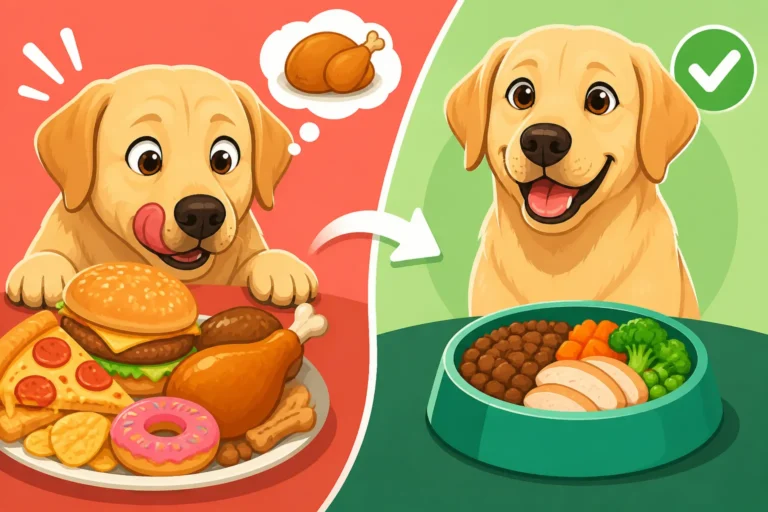
Portion control helps manage Labradors that constantly overeat due to a genetic POMC gene mutation causing perpetual hunger.

Labrador nutrition management across all life stages, controlling portions for joint health, growth rates, and the genetic appetite mutation.