Labrador Puppy Feeding Amounts and Schedule
Bringing home a Labrador puppy is such an exciting time! Their boundless energy and endless charm quickly win your heart. But amongst all the joy, many new owners feel a deep sense of overwhelm, especially when it comes to feeding. You're probably staring at bags of puppy food, seeing conflicting advice online, and wondering if you're giving your bouncy little friend too much, too little, or the wrong kind of nutrition. It's a valid concern, because what you feed your Labrador in these crucial early months sets the stage for their entire life. This comprehensive guide is designed to cut through the confusion, offering clear, empathetic, and realistic advice on exactly how much to feed your Labrador puppy and the best schedule to keep them thriving and growing healthily.
The Critical First Steps: Understanding Puppy Nutrition Basics
Feeding a puppy isn't just a matter of keeping their belly full; it's about providing the precise fuel for incredible growth and development. Your Labrador puppy is a whirlwind of cell division, bone lengthening, and muscle building, and their dietary needs are vastly different from those of an adult dog. Getting it right from the start can prevent many common health issues down the line and ensure your pup grows into a strong, healthy companion.
Why Puppy Food is Different (and Non-Negotiable)
Think about a human baby – you wouldn't feed them adult meals, right? The same logic applies to your Labrador puppy. Their rapidly developing bodies require a specific nutritional profile that adult dog food simply doesn't offer. Puppy foods are formulated with higher levels of protein to support muscle development, more fat for energy (puppies are calorie-burning machines!), and a delicate balance of vitamins and minerals crucial for bone and organ growth.
Crucially, adult dog food often lacks the density of nutrients a puppy needs, meaning your pup would have to eat an enormous volume to meet their requirements, which isn't ideal for their small stomachs. Furthermore, the incorrect balance of calcium and phosphorus in adult food can be detrimental to a puppy's skeletal development, leading to orthopedic problems later in life. It's a common misconception that if a dog food is "good quality," it's fine for all ages. For a growing Labrador, specialized puppy food is truly non-negotiable for their long-term health.
Large Breed Puppy Formulas: A Labrador's Special Need
Now, here's where it gets even more specific for Labradors: they are a large breed. This isn't just about their eventual size; it's about the rate at which they grow. Large breed puppies are susceptible to orthopedic issues like hip and elbow dysplasia if their growth is too rapid. Imagine a house being built too quickly without proper foundational support – it's prone to cracks and instability. Similarly, if a large breed puppy grows too fast, their bones and joints don't have enough time to mature and harden properly, putting them at increased risk for problems like How Fast Growth Damages a Labrador's Joints.
This is why large breed puppy formulas are so important. They are specifically designed to promote slow and steady growth. They often have slightly lower calorie densities and, critically, carefully controlled levels of calcium and phosphorus compared to regular puppy foods. This helps ensure that your Labrador puppy's bones develop at an appropriate pace, reducing stress on their growing joints. When you're choosing a food, make sure it clearly states "large breed puppy formula" on the bag.
Decoding Dog Food Labels for Your Labrador Puppy
Walking down the dog food aisle can feel like navigating a foreign language, but understanding a few key elements on the label will empower you to make informed choices. The first thing you want to look for is the AAFCO (Association of American Feed Control Officials) statement. This is a crucial indicator that the food is nutritionally complete and balanced. For your Labrador puppy, it should specifically state something like "Formulated to meet the nutritional levels established by the AAFCO Dog Food Nutrient Profiles for growth" or "for all life stages, including growth of large size dogs (70 lbs. or more as an adult)." If it doesn't have an AAFCO statement or is only for "maintenance," put it back.
Next, glance at the ingredient list. Ingredients are listed in descending order by weight. You want to see a high-quality protein source, such as "chicken meal," "deboned chicken," "lamb," or "salmon," as one of the first few ingredients. Look for identifiable meat sources, not vague terms like "meat by-products." While carbohydrates are necessary, avoid foods with excessive fillers or a long list of unidentifiable ingredients. Finally, check the "Guaranteed Analysis" for protein, fat, fiber, and moisture percentages. For large breed puppy foods, typical ranges are around 25-28% protein and 12-18% fat, but always compare with specific recommendations from your vet or breeder. Don't be afraid to ask questions; this is your puppy's foundation!
How Much to Feed: Navigating the Daily Ration
Once you've chosen the right food, the next big question is "how much?" This isn't a one-size-fits-all answer, and it often causes a lot of anxiety for new Labrador owners. Manufacturers provide guidelines, but your puppy is unique, and their needs will change as they grow.
The Feeding Chart: A Starting Point, Not a Strict Rule
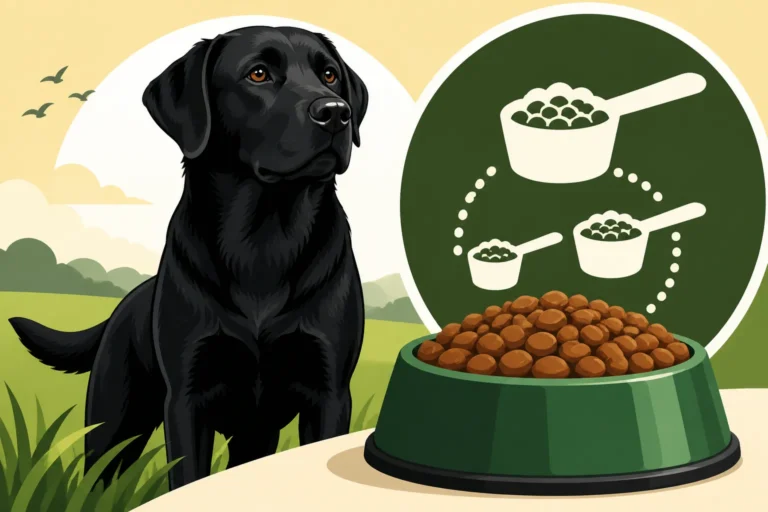
Every bag of quality puppy food will have a feeding chart, usually broken down by your puppy's current weight and age, or sometimes their projected adult weight. This chart is your initial roadmap. For example, it might say "Puppies 2-4 months, weighing 10-20 lbs, feed 2-3 cups per day." It's essential to understand that these are starting points and averages. Your individual Labrador puppy's activity level, metabolism, and even the ambient temperature can all influence their actual caloric needs.
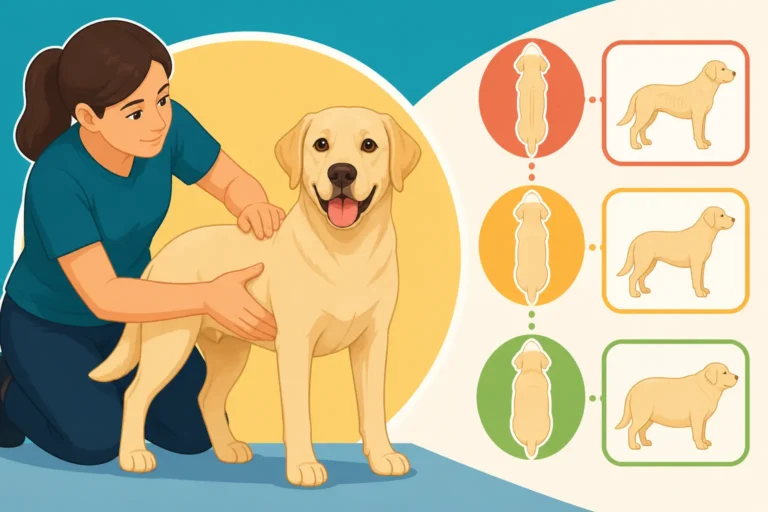
A highly active field-line Labrador puppy might need slightly more than a calmer show-line puppy of the same age and weight. Just like humans, some puppies have faster metabolisms. You'll need to monitor your puppy's body condition regularly. Are their ribs easily felt but not visibly prominent? Do they have a clear waist when viewed from above? These are better indicators than blindly following the chart. Think of the chart as a suggestion, not a commandment.
Cups Per Day: Understanding the Measurement
Precision matters here. When a feeding chart recommends "cups," it nearly always means a standard 8-ounce measuring cup, the kind you use for baking. It does not mean the scoop that came with your previous dog food bag, or a random mug from your kitchen. These can vary wildly in size, leading to significant over or underfeeding. If you're using a measuring cup, make sure it's leveled off, not heaping.
For even greater accuracy, especially with dense kibbles or if you have an overweight puppy, consider investing in a digital kitchen scale. Measuring by weight (grams or ounces) is the most accurate way to ensure your puppy gets the exact calories intended. It might seem like a small detail, but consistent and accurate portion control can make a huge difference in preventing rapid growth and unwanted weight gain. How Much a Labrador Puppy Eats at Eight Weeks is quite different from a six-month-old, so these measurements will shift.
Overfeeding, even slightly, can be particularly detrimental for a large breed like a Labrador. It leads to rapid growth, which, as we discussed, puts undue stress on developing joints. It's a significant factor in conditions like Labrador Hip and Elbow Dysplasia. It also lays the groundwork for obesity, and sadly, Labrador Obesity and the Years It Costs are a stark reminder of the long-term consequences. Keep an eye out for Signs You Are Overfeeding a Labrador Puppy and adjust accordingly.
Adjusting Portions as Your Puppy Grows
Your Labrador puppy won't stay the same size for long, and neither will their dietary needs. As they grow, their total daily food intake will generally increase up to a certain point, then stabilize, and eventually may even slightly decrease as their growth slows and their metabolism shifts. It's a dynamic process.
You'll need to regularly reassess your puppy's body condition. This means gently running your hands along their sides. You should be able to feel their ribs without pressing hard, but they shouldn't be sticking out. When looking down at your puppy from above, you should see a discernible waist tucking in behind their ribs. If you can't easily feel their ribs, or they look a bit round, it's time to slightly reduce their portion size. If their ribs are very prominent, they might need a bit more.
This constant monitoring is key. Don't wait for your puppy to be visibly overweight or underweight. Make small adjustments over time. Your veterinarian is an excellent resource here; they can help you learn how to properly Checking a Labrador's Body Condition Score and advise on appropriate feeding amounts during regular check-ups. Typically, Labradors will transition from puppy food to adult food somewhere between 12 and 18 months, depending on their individual growth and the specific food brand's recommendations. This transition should also be done gradually to avoid digestive upset. We'll delve into that later!
Setting Up a Feeding Schedule for Success
Free-feeding, where food is left out all day for your puppy to graze, might seem convenient, but it's generally not recommended for Labradors, especially puppies. Establishing a consistent feeding schedule is one of the most beneficial routines you can implement for your new family member, impacting everything from digestion to house training.
The "Why" Behind Scheduled Meals (No Free Feeding!)
For a Labrador puppy, scheduled meals offer a multitude of advantages. Firstly, it helps regulate their digestive system. Puppies have sensitive stomachs, and consistent meal times help their bodies anticipate and process food efficiently. It also prevents overeating, a common issue with food-motivated Labradors who, if given the chance, will eat until they burst. This is particularly important given their propensity for weight gain and the associated health risks.
Secondly, and perhaps most importantly for new owners, a strict feeding schedule is a cornerstone of successful house training. What goes in must come out, and at predictable times. If your puppy eats at 7 AM, 12 PM, and 5 PM, you can anticipate when they'll need to relieve themselves, making it much easier to prevent accidents indoors. This direct link between eating and elimination is a powerful tool for Potty Training a Labrador With No Yard or any environment. It also helps manage their energy levels, providing bursts of energy followed by periods of rest.
Finally, scheduled meals build a strong routine and a sense of anticipation for your puppy. They learn to trust that food will come at certain times, reducing anxiety and strengthening the bond with you as their provider. It's a foundational element of their daily structure.
From Three Meals to Two: The Puppy Progression
The number of meals your Labrador puppy needs will change as they mature. Here's a general guideline for meal frequency:
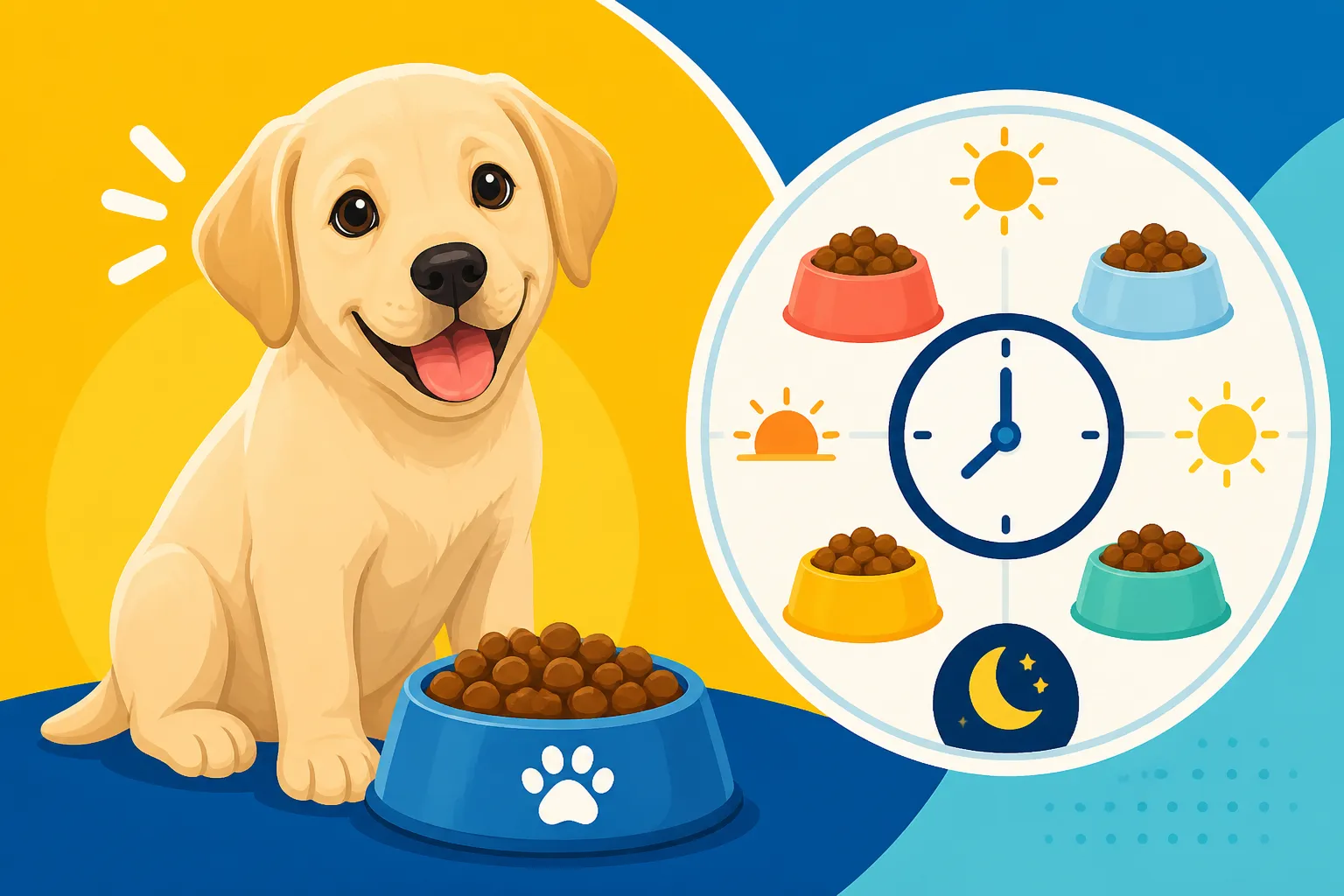
- 8-12 Weeks Old: At this young age, puppies have tiny stomachs and a high metabolism. They typically need 3-4 meals per day. This ensures they get enough nutrients and calories without overloading their digestive system. For example, meals at 7 AM, 12 PM, 5 PM, and perhaps a small snack around 9 PM. Don't be surprised if your eight-week-old still needs a middle-of-the-night potty break, even if they've eaten earlier.
- 3-6 Months Old: As your Labrador puppy grows, their stomach capacity increases slightly, and their metabolism begins to stabilize a little. Most puppies at this stage do well on 3 meals per day. You can drop the late-night snack. A routine of breakfast, lunch, and dinner (e.g., 7 AM, 1 PM, 6 PM) often works well. This period is a prime time for growth spurts, so keep an eye on their body condition and adjust portions as needed.
- 6-12+ Months Old: By six months, many Labrador puppies are ready to transition to 2 meals per day, typically breakfast and dinner. When a Labrador Drops to Two Meals can vary slightly, but this is a common timeline. Their digestive systems are more mature, and they can comfortably go longer between meals. This schedule often continues into adulthood. Again, monitor their weight and energy; some very high-energy or working line Labs might benefit from three smaller meals into adolescence, but two is generally sufficient.
Managing Meal Times for Busy Households
Life happens, and sometimes strict adherence to a minute-by-minute schedule isn't possible. The goal is consistency, not rigid perfection. Try to keep meal times within a reasonable window each day. If breakfast is usually at 7 AM, feeding at 7:30 AM or even 8 AM on a weekend is fine. Drifting too far from the established schedule (e.g., breakfast at 7 AM one day, 11 AM the next) can lead to digestive upset and confusion for your puppy.
For busy households, planning is key. Designate a specific family member for each meal or create a rotating schedule. If you work outside the home, consider:
- Early Morning Meal: Before you leave.
- Midday Meal: If you can pop home, or if you have a dog walker or trusted friend/family member who can swing by. For younger puppies, this might be essential.
- Evening Meal: When you get home.
- Automatic Feeders: While not ideal for younger puppies who need frequent potty breaks, for slightly older pups on a two-meal schedule, an automatic feeder can help if you're consistently late or have unpredictable hours. Just ensure it's reliable and dispenses the correct portion.
Consistency doesn't just apply to timing; it also applies to location and routine. Feed your puppy in the same quiet spot each time. This predictability reduces stress and makes mealtime a calm, enjoyable experience for your Labrador.
Common Feeding Challenges and Solutions
Even with the best intentions and the right schedule, you might encounter a few bumps in the road. Labradors are generally known for their robust appetites, but every puppy is an individual. Understanding common feeding challenges can help you navigate them smoothly.
The Fast Eater: Slowing Down a Gulping Labrador
Ah, the Labrador vacuum cleaner! Many Labradors inhale their food in seconds, barely chewing. While this might seem endearing or amusing, it can actually lead to problems. Rapid eating increases the amount of air a puppy swallows, which can contribute to gas and discomfort. More seriously, while less common in puppies than adults, fast eating is considered a risk factor for Gastric Dilatation-Volvulus (GDV), commonly known as bloat – a life-threatening emergency, particularly for deep-chested breeds like Labradors.
Here are some strategies to slow down your gulping Labrador:
- Slow Feeder Bowls: These bowls have ridges, mazes, or pillars inside that force your puppy to eat around obstacles, making them take smaller bites and more time. You can find many options from brands like Outward Hound, often available on Chewy or Amazon.
- Food Puzzle Toys: Instead of a bowl, put a portion of their meal into a KONG or other puzzle toy that they have to manipulate to get the kibble out. This not only slows eating but also provides valuable mental stimulation.
- Spread the Food: Simply scatter their kibble across a clean, flat surface (like a baking sheet or a snuffle mat) or across a larger area of the floor. This forces them to forage and pick up individual pieces, naturally slowing them down.
- Muffin Tins: Divide their meal into the individual cups of a muffin tin. They have to move from cup to cup, taking smaller portions.
Introducing a Slow Feeder Bowls for a Gulping Labrador from puppyhood can establish good habits and potentially reduce risks later in life.
Picky Eaters (Rare for Labradors, but It Happens)
"Picky Labrador" often sounds like an oxymoron to many owners, but it can happen. If your typically food-motivated Labrador suddenly turns their nose up at their bowl, it's crucial to first rule out any underlying health issues. A sudden loss of appetite could indicate pain, an upset stomach, dental problems, or other medical concerns. A quick call or visit to your vet is always the first step.
If the vet gives them a clean bill of health, then you might indeed have a rare picky pup on your hands. Here's how to approach it:
- Stick to a Schedule: Offer the food for 15-20 minutes. If they don't eat, pick it up and offer it again at the next scheduled mealtime. Don't offer alternatives or extra treats in between. A healthy puppy will not starve themselves.
- Avoid Constant Food Switching: Don't fall into the trap of constantly switching foods to entice them. This can create a truly picky eater who learns that if they hold out, something better will come along.
- Add Water or Broth: Sometimes, simply adding a little warm water or low-sodium chicken/beef broth can soften the kibble and enhance the aroma, making it more appealing.
- Location, Location, Location: Ensure their feeding area is quiet and free from distractions or stress. Sometimes, a busy household can make a puppy too anxious to eat.
Begging and Food Obsession
Let's be real, Labradors are legendary for their food drive. This is partly genetic; some Labradors even carry a gene deletion (What the POMC Deletion Does to Appetite) that makes them feel less full, making them perpetually hungry. Why a Quarter of Labradors Overeat by Genetics isn't just an anecdote, it's a scientific reality for many of them! This intense love for food often translates into expert-level begging.
Managing a food-obsessed Labrador puppy requires consistency and firm boundaries from day one:
- Never Feed from the Table: This is the golden rule. Any scrap, even a tiny one, reinforces begging behavior. Your Labrador doesn't understand "just this once"; they just learn that staring intently at you during dinner sometimes works.
- Teach "Place" or "Go to Bed": Train your puppy to go to a designated mat or bed while you're eating or preparing food. Reward them calmly when they stay there.
- Ignore Begging: This is tough, but essential. Don't make eye contact, talk to them, or push them away. Act as if they are invisible. Any attention, positive or negative, is still attention and reinforces the behavior.
- Manage Access: Labrador-proof your kitchen and pantry. Keep counters clear, trash cans secured, and food put away immediately. A Labrador's nose is a powerful tool, and their persistence is legendary. They can and will Labrador Counter Surfing and Food Theft if given the chance.
Remember, you're not being mean by not giving in to begging; you're teaching your Labrador good manners and protecting their health by preventing excess calories and the consumption of potentially harmful human foods.
Treats, Supplements, and Hydration
While kibble forms the bulk of your Labrador puppy's diet, treats and water play vital supporting roles. Navigating these can sometimes feel tricky, especially when you want to reward good behavior or ensure your pup is getting everything they need.
Choosing Healthy Treats for Training and Rewards
Treats are invaluable for training your smart Labrador puppy, but they need to be chosen wisely and used in moderation. It's easy to accidentally overfeed calories through treats, which can quickly lead to an overweight puppy. Remember that any calories from treats must be factored into their total daily intake.
Here are some tips for healthy treat choices:
- Use Their Kibble: The simplest and healthiest option is often to use a portion of your puppy's daily kibble ration for training rewards. This ensures they're getting familiar, balanced nutrition without added ingredients or calories. Using Kibble From the Daily Ration as Treats is a fantastic habit to start.
- Low-Calorie Options: When you do use dedicated treats, opt for small, soft, low-calorie options. Look for treats specifically formulated for puppies or small dogs, as these tend to be easier to break into tiny pieces.
- Natural, Single-Ingredient Treats: Small pieces of cooked chicken breast, boiled sweet potato, or even tiny bits of carrot can be excellent, healthy, and high-value treats. Always check Human Foods Safe for a Labrador and be absolutely certain the food is safe before offering.
- Avoid High-Fat/High-Sugar Treats: Steer clear of table scraps (as discussed), sugary biscuits, or fatty processed treats. These offer little nutritional value and can contribute to weight gain and digestive upset.
- Moderation is Key: Aim for treats to make up no more than 10% of your puppy's total daily caloric intake. If you're doing a heavy training session, you might need to slightly reduce their next meal portion.
Supplements: Are They Necessary for Your Growing Pup?
This is a question many new owners ponder. The short answer for a healthy Labrador puppy on a high-quality, AAFCO-certified large breed puppy food is usually "no." A reputable puppy food is specifically formulated to provide all the vitamins, minerals, and nutrients your growing pup needs in the correct balance.
Introducing unnecessary supplements can actually be detrimental. For example, over-supplementing calcium can disrupt the delicate calcium-phosphorus balance critical for bone development in large breed puppies, potentially exacerbating joint problems rather than preventing them. Calcium Levels in Labrador Puppy Food are carefully calibrated for their growth.
There are, of course, exceptions. If your puppy has a specific medical condition or a confirmed nutritional deficiency, your veterinarian might recommend a particular supplement. Never give your puppy supplements without veterinary guidance. If you're concerned about your puppy's joint health or overall development, have a conversation with your vet. They can advise whether something like fish oil or glucosamine (typically for older dogs, but sometimes considered in specific cases) would be beneficial and in what dosage. For the vast majority of healthy Labrador puppies, trust their food to do its job.
Water: The Unsung Hero of Puppy Health
Water often gets overlooked in the feeding discussion, but it is absolutely vital for your Labrador puppy's health. Water plays a role in nearly every bodily function: digestion, nutrient absorption, temperature regulation, joint lubrication, and waste elimination. Puppies, with their high activity levels and developing systems, need constant access to fresh, clean water.
- Constant Access: Always ensure your puppy has a bowl of fresh water available. Multiple bowls around the house might be helpful, especially during periods of active play.
- Cleanliness: Water bowls can quickly become slimy and harbor bacteria. Wash and refill your puppy's water bowl at least once, and ideally twice, daily. Stainless steel bowls are excellent for hygiene.
- Monitor Intake: While you don't need to measure every sip, be aware of your puppy's typical water consumption. A sudden increase or decrease in thirst can be a sign of a health issue, warranting a call to your vet. Puppies can easily become dehydrated, especially if they're playing hard or if it's warm outside.
- Travel: Always bring water and a portable bowl when you take your puppy out, even for short trips to the park.
Hydration is just as important as the food itself in ensuring your Labrador puppy thrives.
Transitioning to Adult Food
The day your Labrador puppy officially graduates to adult dog food is a milestone! It signifies the end of their most rapid growth phase and marks their journey towards full maturity. This transition needs to be handled carefully to avoid upsetting their digestive system.
When is Your Labrador Ready for Adult Food?
There's no single universal date when all Labradors are ready for adult food. Generally, large breeds like Labradors reach their full skeletal maturity between 12 and 18 months of age. Some may be ready closer to 12 months, especially field lines which can be a bit leaner, while heavier show lines might need closer to 18 months.
Here are the key indicators:
- Growth Plate Closure: This is the most important biological marker. Once your Labrador's growth plates (areas of cartilage in the long bones responsible for growth) have closed, they are largely done growing in height. Your vet can give you an idea of where your pup is in this process during check-ups. When a Labrador's Growth Plates Close is a crucial time to consider this shift.
- Slowed Growth: You'll notice that the rapid weekly growth spurts have tapered off. Your puppy's height and weight gain will significantly slow down.
- Maintaining Weight: If your puppy is easily maintaining a healthy weight on their current puppy food portion without needing constant increases, it's a good sign.
- Manufacturer Recommendations: Check the specific brand of food you are feeding. They will often have a guideline for when to transition large breed puppies to adult formulas.
Consulting your veterinarian during this period is always a good idea. They can assess your individual Labrador's development and advise on the optimal time for the switch.
The Gradual Transition Process
Suddenly switching your Labrador from puppy food to adult food can cause an upset stomach, leading to diarrhea, vomiting, and general discomfort. Their digestive system needs time to adjust to the new ingredients and nutrient profile. A gradual transition is essential.
Here's a common and effective transition schedule, typically over 7-10 days:
| Day | Old Puppy Food | New Adult Food |
|---|---|---|
| Day 1-2 | 75% | 25% |
| Day 3-4 | 50% | 50% |
| Day 5-6 | 25% | 75% |
| Day 7-10 | 0% | 100% |
- Monitor Closely: During this period, keep a close eye on your Labrador's stool consistency and appetite. If you notice any digestive upset, slow down the transition. For example, if diarrhea occurs on Day 3, revert to the Day 1 ratio for a couple more days before trying to progress again.
- Consistency: Try to maintain the same meal times and feeding location. The only change should be the food itself.
- Water Access: Ensure continued access to fresh water throughout the transition, as digestive upset can lead to dehydration.
This slow approach, as detailed in Switching a Labrador's Food Without Upset, gives your Labrador's system time to adapt smoothly.
Choosing the Right Adult Food
Just as with puppy food, choosing the right adult food for your Labrador is critical. Many of the same principles apply:
- High-Quality Ingredients: Look for a reputable brand with a named meat source as the first ingredient and a clear AAFCO statement for "maintenance" or "all life stages."
- Appropriate Protein and Fat Levels: Adult Labradors, especially those who are moderately active, generally do well on foods with around 22-26% protein and 10-15% fat. If your Labrador is a working dog or extremely active, they might need slightly higher levels.
- Weight Management: Labradors are prone to weight gain throughout their lives. Consider adult formulas that help maintain a healthy weight. Some brands offer specific "weight management" or "healthy weight" formulas that are lower in calories but still provide complete nutrition. Whether a Weight Control Diet Costs More is a common question, but the investment often pays off in long-term health.
- Consult Your Vet: Your veterinarian knows your Labrador's individual health history, activity level, and any potential sensitivities. They can provide personalized recommendations for adult dog food that will best suit your dog's ongoing needs.
By carefully selecting and transitioning to an appropriate adult food, you're continuing to invest in your Labrador's long-term health and well-being.
Essential Feeding Equipment for Your Labrador Puppy
Having the right gear makes feeding time easier, cleaner, and safer for your Labrador puppy. While it might seem like a small detail, the bowls and storage solutions you choose can significantly impact your pup's health and your daily routine.
Food Bowls: Material, Size, and Stability
Choosing the right food bowl is more important than you might think. Here's a breakdown of common materials:
- Stainless Steel: This is hands down the top recommendation. Stainless steel is durable, non-porous (meaning it won't harbor bacteria), easy to clean, and dishwasher safe. It's also heavy enough that most puppies won't easily tip it over, and it doesn't cause contact allergies that some plastics can. Many vets and breeders recommend stainless steel for hygiene and safety.
- Ceramic: Ceramic bowls can be attractive and are also heavy, making them stable. However, they are prone to chipping and cracking. If a ceramic bowl chips, the exposed edge can be sharp and dangerous, or it can harbor bacteria within the crack. They are also often heavier and more fragile than stainless steel.
- Plastic: While inexpensive and readily available, plastic bowls are generally not recommended. They can scratch easily, creating microscopic grooves where bacteria can thrive, even with regular washing. Some dogs can develop a contact allergy to plastic, especially around their chin, leading to "puppy acne." They are also often lightweight, making them prone to being tipped over or chewed by an enthusiastic Labrador puppy.
Regardless of material, ensure the bowl is appropriately sized for your growing Labrador. A bowl that's too small will be easily pushed around or emptied quickly, while one that's too large might make it difficult for tiny puppies to reach their food comfortably.
Slow Feeders and Puzzle Toys
As discussed in our section on fast eaters, slow feeders and puzzle toys are excellent investments for a Labrador puppy. They turn mealtime into a mental and physical activity, rather than a race.
- Slow Feeder Bowls: These bowls have built-in obstacles (like ridges, spirals, or individual compartments) that force your puppy to eat more slowly. They come in various shapes, sizes, and difficulty levels. Look for reputable brands; Chewy and Amazon offer a wide selection of durable, non-slip slow feeder bowls that are easy to clean.
- Puzzle Toys: These require your puppy to solve a problem or manipulate the toy to dispense kibble. Examples include KONGs (stuffable rubber toys), treat-dispensing balls, or interactive feeders. These are fantastic for providing mental enrichment, which is just as important as physical exercise for a smart breed like a Labrador. They also help to prevent boredom, which can lead to destructive behaviors. Using a Puzzle Feeders That Slow a Greedy Labrador can be a game-changer for high-energy pups.
When choosing these items, ensure they are made from non-toxic, durable materials that can withstand a Labrador's strong jaws and enthusiasm.
Storage Solutions to Keep Food Fresh
Proper food storage is crucial for maintaining the freshness, nutritional value, and safety of your Labrador puppy's food.
- Airtight Containers: The best way to store kibble is in an airtight container. This protects the food from air, moisture, and pests (like rodents or insects) that could contaminate it. It also helps prevent the fats in the kibble from going rancid, which can reduce its nutritional value and make it unpalatable.
- Keep the Original Bag: While transferring kibble to an airtight container is good, it's a wise practice to place the entire original bag inside the container rather than pouring the kibble directly in. The original bag contains important information like the food's ingredient list, batch number, and expiration date. It also has a grease barrier that some plastic containers lack, which can prolong freshness.
- Cool, Dry Place: Store the container in a cool, dry place away from direct sunlight. Heat and humidity can degrade the food quickly. Avoid storing it in a garage or shed where temperatures can fluctuate widely, or where pests might be more prevalent.
Proper storage, along with buying food in appropriate sizes for your puppy's consumption rate (don't buy a giant bag if it takes your tiny pup two months to finish it), ensures that every meal your Labrador puppy eats is as fresh and nutritious as intended.
Disclaimer
This article is for general informational purposes only and does not constitute professional advice. Laws, prices and regulations vary by location and change over time. Consult a qualified professional for guidance on your specific situation.