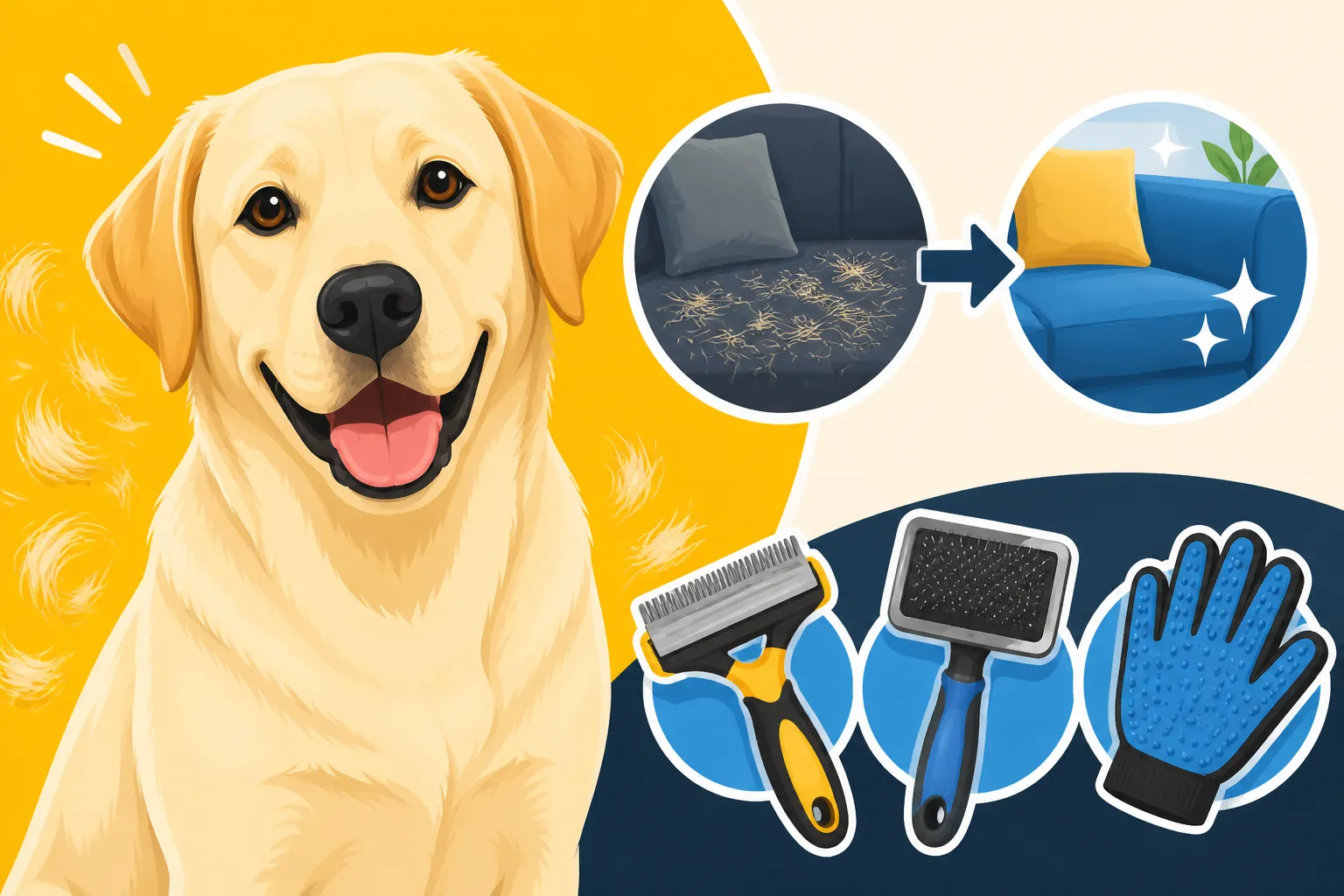
Labrador Shedding and How to Manage It
Ah, the glorious Labrador! Full of love, loyalty, and… hair. So much hair! If you're reading this, you probably know the struggle. Labrador shedding isn't just a nuisance; it's a way of life that can leave your home looking like a perpetual fluff factory. You sweep, you vacuum, you lint-roll, and yet, there it is – more fur, clinging to everything you own. But don't despair! This comprehensive guide is here to walk you through everything you need to know about your Labrador's magnificent coat, why it sheds, and most importantly, how to manage the fur-nado so you can spend more time cuddling your best friend and less time battling the shedding aftermath.
Understanding the Labrador's Double Coat
Before we dive into managing the fur, it’s really helpful to understand why Labradors shed so much. It’s not just to annoy us, I promise! Their shedding is a direct result of the incredible, hardworking coat they possess, which is perfectly adapted to their original purpose as water retrievers. This isn’t a single layer of fur; it’s a sophisticated system designed by nature.
The Anatomy of a Labrador's Coat
A Labrador's coat is what we call a "double coat," and it’s truly a marvel of natural engineering. It's comprised of two distinct layers, each with its own texture and function, working in perfect harmony to keep your dog comfortable in various conditions. Think of it like a very well-designed winter jacket with a built-in rain shell.
The outer layer, known as the guard coat or topcoat, consists of short, straight, and slightly coarse hairs. These hairs are designed to be tough and resilient, providing a protective barrier against external elements like thorns, branches, and harsh weather. They act like armor, deflecting water and preventing debris from reaching the softer layer beneath. This outer layer is what gives your Labrador that sleek, polished look when they’re not in the middle of a major coat blow.
Beneath this protective shell lies the undercoat, which is a dense, soft, and woolly layer. You can feel it if you push your fingers down through their outer fur. This undercoat is primarily responsible for insulation, trapping air close to the body to keep your Labrador warm in cold water or chilly weather, and conversely, helping to regulate their temperature in warmer climates by preventing overheating. When you find little tufts of fluff around your house, that’s often this precious undercoat making its escape.
Why Labradors Have a Double Coat
The presence of this incredible double coat isn't just a random genetic quirk; it’s a direct link to the Labrador Retriever's origins. These dogs were bred for demanding work alongside fishermen in the icy waters off Newfoundland, Canada. Their job involved plunging into frigid seas to retrieve fishing lines, nets, and even fish that had escaped the hook. Without a proper defense against the elements, they simply wouldn't have been able to perform these crucial tasks.
Imagine a dog having to repeatedly jump into near-freezing water. A thin, single coat wouldn't offer any protection. The Labrador's thick, insulating undercoat acts like a natural wetsuit, retaining body heat even when completely soaked. The coarser topcoat, meanwhile, sheds water almost instantly, preventing the dog from becoming waterlogged and developing hypothermia. This incredible adaptation allowed them to be efficient and resilient workers in some of the harshest maritime environments.
So, when you see your Labrador shedding what seems like their entire body weight in fur, remember that this is simply their coat doing what it was expertly designed to do: adapt to seasonal changes and protect them from whatever the weather throws their way. It’s a testament to their heritage and why they remain such capable and beloved companions, especially for those who love outdoor adventures. Their ancestry is why they're so good at what they do, and part of that package is managing their remarkable fur.
What Makes a Labrador's Coat Repel Water
Beyond just insulation, the Labrador's double coat has another incredible feature: it's naturally water-repellent. This isn't due to any special grooming product, but rather the unique structure of their fur and the natural oils their skin produces. It's fascinating to watch a Labrador emerge from a swim; they give a good shake, and most of the water simply beads up and flies right off, leaving them damp but not soaked to the bone.
The magic lies primarily in the guard hairs of the topcoat. These hairs are quite straight and lie smoothly, creating a tight, overlapping layer that acts like shingles on a roof. This tight arrangement makes it difficult for water to penetrate through to the undercoat. Furthermore, these guard hairs are coated with natural oils produced by glands in the skin. These oils create a protective, somewhat waxy barrier that causes water to bead up and roll off rather than soaking into the hair shaft. It's a natural waterproofing system. For more on this, check out What Makes a Labrador Coat Repel Water.
This water repellency is vital for a dog that spends time in the water. It prevents them from carrying excess weight in absorbed water, which would quickly lead to fatigue and chilling. If their coat were to become saturated and heavy, it would impede their swimming ability and make it much harder for them to warm up afterwards. That's why excessive bathing with harsh shampoos can actually be detrimental; it strips these natural oils, compromising the coat's integrity and reducing its ability to protect your Labrador effectively. A healthy coat is a well-oiled coat, literally.
The Seasonal Shedding Cycle of a Labrador
Now that we understand the incredible design of a Labrador's coat, let's tackle the "why" and "when" of the shedding deluge. It's not just a constant trickle; Labradors have distinct shedding patterns, and understanding them can help you prepare and manage the fur onslaught more effectively. If you've ever felt like your Labrador is purposefully trying to redecorate your entire home with their own personal fiber, you're not alone.
When Labrador Shedding Season Starts
While Labradors do shed year-round, there are two distinct periods when the shedding shifts into overdrive, often referred to as "blowing their coat." These periods are primarily dictated by changes in daylight hours and temperature, signaling to your Labrador's body that it's time to adapt to the upcoming season. It’s a natural, evolutionary response that ensures they’re always prepared for the weather.
Typically, you'll notice a massive increase in shedding in the spring, as the days lengthen and temperatures begin to rise. This is when your Labrador starts to shed their thick, dense winter undercoat to make way for a lighter, thinner coat better suited for warmer weather. It's their way of de-insulating for summer. Then, as autumn approaches and the days shorten and cool, they'll shed again, this time to clear out the thinner summer coat and grow in a new, heavier winter undercoat. This ensures they're well-insulated and protected for the cold months ahead. When Labrador Shedding Season Starts can give you even more context.
The exact timing can vary slightly depending on your climate and individual dog. A Labrador living in a consistent indoor environment with artificial light and climate control might have a less pronounced seasonal shed, opting for more continuous, moderate shedding throughout the year. However, for most Labradors who spend time outdoors, you can set your calendar by these bi-annual "fur-nados." Be prepared for a significant increase in brushing and vacuuming during these times – it's just part of being a Labrador parent!
The Phenomenon of "Blowing Coat"
"Blowing coat" isn't just a cute phrase; it's a very real and sometimes startling experience for Labrador owners. During these seasonal shifts, your Labrador will shed an astonishing amount of their undercoat, and it can truly feel like a fluffy blizzard has taken over your home. What was once a relatively manageable amount of loose hair suddenly multiplies, appearing in drifts on your floors, clinging to your clothes, and magically appearing in places you didn't even know existed.
This isn't just a few stray hairs; we're talking about large clumps and tufts of soft, downy undercoat detaching from their body. You might find yourself pulling handfuls of fur off your dog with just a gentle stroke. It’s a messy process, but it's a completely normal and healthy part of their coat cycle. During this time, the soft, woolly undercoat quite literally "detaches" from the skin to make way for the new growth. If you're not actively brushing, these dead hairs will hang in the coat until they eventually fall out on their own, often leaving a trail wherever your dog goes. More details on this can be found in Labrador Coat Blowing in Spring and Fall.
Understanding that this is a natural, albeit inconvenient, biological process can help you manage your expectations and implement proactive grooming strategies. Instead of fighting a losing battle against the fur, you can embrace the shedding period as a necessary part of your Labrador’s health. It means more frequent grooming sessions will be required to help them (and you!) get through this period with as much sanity as possible. Getting ahead of the shed by consistent grooming is truly key.
How Much a Labrador Sheds Year Round
While the seasonal "coat blows" are undeniably the most dramatic shedding events, it’s important to remember that Labradors are continuous, year-round shedders. Even outside of spring and fall, your Labrador will still be contributing their fair share of fur to your household environment. This steady, low-level shedding is just part of their normal physiological process, as old hairs die and new ones grow in.
The amount of year-round shedding can vary significantly from one Labrador to another. Factors like genetics, overall health, diet, living environment, and even stress levels can influence how much fur your dog loses daily. For instance, a Labrador with a consistently warm indoor environment might shed more evenly throughout the year without pronounced seasonal spikes, simply because their body isn't experiencing the drastic temperature fluctuations that trigger a major coat change. You can get more information on this from How Much a Labrador Sheds Year Round.
It's crucial for owners to differentiate between normal, healthy shedding and excessive, unusual hair loss that might signal an underlying health issue. A healthy Labrador's coat should always look full and vibrant, even if it's shedding. If you notice bald patches, skin irritation, dull fur, or any other concerning changes alongside the shedding, it's definitely time to consult your veterinarian. Otherwise, a certain amount of fur tumbleweeds is just a normal part of living with a Labrador, and with the right tools and routine, it’s entirely manageable.
Effective Grooming Tools for Managing Shedding
Okay, we've established that Labradors shed, and they shed a lot. So, what's an owner to do? The good news is that with the right tools, you can significantly reduce the amount of fur floating around your house and keep your Labrador's coat healthy and shiny. Investing in quality grooming equipment is not just a luxury; it's an essential part of Labrador ownership.
Essential Brushes for a Labrador's Coat
When it comes to tackling Labrador shedding, you can't just grab any old brush. Their dense double coat requires specific types of brushes designed to penetrate both layers effectively and remove loose hair without irritating their skin. Having a small arsenal of brushes will make your grooming routine much more efficient and comfortable for your dog. For a deep dive into different brush types, check out Brushing a Labrador's Coat.
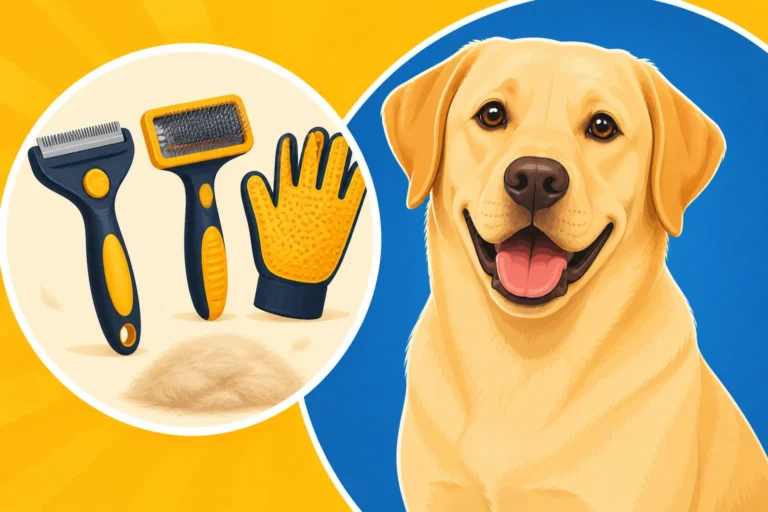
One of the most valuable tools is a good quality slicker brush. These brushes have fine, short wires bent at an angle, which are excellent for detangling the topcoat and removing loose surface hair. They're great for daily touch-ups and for working through any minor mats that might develop behind the ears or on the legs. Just be sure to use it gently, as the wire bristles can scratch the skin if too much pressure is applied. Following up with a bristle brush can help distribute natural oils and add a nice sheen to the coat, especially after a good deshedding session.
For the dense undercoat, a rake-style brush is indispensable. These brushes have longer, widely spaced teeth that can reach deep into the undercoat to pull out dead, shedding fur without damaging the topcoat. They are especially effective during the seasonal coat blows when the undercoat is actively detaching. Look for models with rotating teeth, as these can be more comfortable for your dog and less likely to pull on their fur. A wide-toothed comb can also be useful for checking for mats and ensuring all loose hair has been removed, especially after a thorough brushing session.
Using a Rubber Curry on a Labrador
The rubber curry comb, often simply called a "curry brush" or "grooming mitt," is another unsung hero in the fight against Labrador shedding. This tool is incredibly versatile and serves multiple purposes, making it a must-have for any Labrador owner. It's especially effective because its soft rubber nubs are designed to capture loose hair while simultaneously stimulating the skin, which can improve circulation and promote a healthier coat.
One of the best times to use a rubber curry comb is during bath time. When your Labrador's coat is wet and lathered with shampoo, the rubber nubs can work wonders by massaging the skin, helping the shampoo penetrate, and most importantly, loosening up vast amounts of dead undercoat. You'll be amazed at how much fur comes off in the tub! It makes the rinsing process more effective too, as it helps wash away all the detached hair that would otherwise just sit in the coat.
Even when dry, a rubber curry comb is excellent for daily use, especially on a short-coated breed like a Labrador. It's gentle enough not to cause discomfort, and its unique design allows it to gather loose fur that other brushes might miss. Simply move it over your Labrador's coat in short, circular motions, then follow the direction of hair growth to pull away the collected fur. It's also fantastic for removing loose dirt, dust, and even dander from the coat, leaving your dog feeling refreshed and looking cleaner.
Deshedding Tools for a Labrador
When your Labrador is truly "blowing their coat," regular brushes sometimes just don't cut it. This is where specialized deshedding tools come into play. These tools are designed with specific blades or combs that reach deep beneath the topcoat to grab and remove the loose, dead undercoat that's just waiting to fall out all over your furniture. They can be incredibly effective, but they also require careful use to avoid damaging the coat or irritating the skin. You can learn more about specific types in Deshedding Tools for a Labrador.
One of the most popular types of deshedding tools features a fine-toothed metal blade designed to "comb" through the undercoat, pulling out loose hairs. When used correctly, these tools can remove an astonishing amount of fur in a single session, often creating a pile of fluff that could almost form a second dog. The key is to use them on a clean, dry coat and with a light touch. Avoid pressing down too hard or making repeated strokes in the same spot, as this can cause brush burn, strip out healthy guard hairs, or damage the delicate undercoat.
While deshedding tools are incredibly efficient, they should be used judiciously, primarily during peak shedding seasons. Over-reliance on these tools can sometimes lead to thinning of the coat, which can compromise its natural protective and insulating properties. It's always a good idea to follow the manufacturer's instructions and observe your dog's skin for any signs of irritation. Always finish your grooming session with a softer brush, like a slicker or bristle brush, to smooth out the topcoat and ensure your Labrador is comfortable and looking their best. Look for these tools on reputable sites like Chewy or Amazon to ensure you're getting quality products.
Establishing a Regular Grooming Routine
Having the right tools is only half the battle; the other half is putting them to consistent use. A regular grooming routine is the single most effective way to manage Labrador shedding. It's not about eradicating shedding entirely – that's impossible – but about controlling where and when that fur ends up, keeping it off your sofa and in the trash can!
How Often to Brush a Labrador
The frequency of brushing is probably the most impactful aspect of managing Labrador shedding. During peak shedding seasons in spring and fall, daily brushing is highly recommended, if not essential. This is when your Labrador is actively "blowing their coat," and a daily session with a deshedding tool or a sturdy rake can make a world of difference in preventing fur accumulation around your home. Think of it as proactively removing the hair before it has a chance to settle everywhere else. How Often to Brush a Labrador dives deeper into ideal schedules.
Outside of these intense periods, brushing your Labrador several times a week, perhaps two to three times, is usually sufficient to keep the shedding under control. Even during these lighter shedding times, consistent brushing helps to remove loose hairs, distribute natural skin oils, and prevent any minor mats from forming. It also gives you a fantastic opportunity to bond with your dog, check their skin for any lumps, bumps, or irritations, and generally ensure they're in good health. Many Labradors absolutely love being brushed, turning it into a cherished ritual.
Consistency truly is the key here. Skipping a few days, especially during a heavy shed, can mean you're playing catch-up with an overwhelming amount of fur. A regular schedule, even short sessions, is far more effective than sporadic, marathon grooming efforts. Establishing this routine early in your Labrador's life can also help them become more comfortable and cooperative with the process, making it a pleasant experience for both of you.
Bathing a Labrador Retriever
Bathing your Labrador is another important component of managing shedding, though it needs to be done strategically. You don't want to over-bathe, as that can strip those essential natural oils that protect their coat and skin. However, a well-timed bath, especially during a heavy shedding cycle, can work wonders in loosening and washing away vast amounts of dead undercoat. You can get more details on the bathing process from Bathing a Labrador Retriever.
The general guideline is to bathe your Labrador no more than once a month, unless they've rolled in something truly disgusting or have a specific skin condition that requires more frequent medicinal baths as advised by your vet. During a seasonal coat blow, a bath can significantly expedite the shedding process. The warm water helps to loosen the dead fur, and with the aid of a rubber curry brush in the tub, you can physically remove a surprising amount of hair before it ends up on your floor.
When bathing, always use a dog-specific shampoo. Human shampoos have a different pH level and can be too harsh for a dog's skin, leading to dryness and irritation. Look for gentle, moisturizing shampoos, or even specialized deshedding shampoos which can contain ingredients designed to help release loose fur. You can find excellent options on Chewy or Amazon. Remember to rinse thoroughly – any residual shampoo can cause skin irritation and flakiness, which can in turn lead to excessive scratching and more shedding. Rinse until the water runs completely clear from their coat.
Drying a Labrador After a Swim
Labradors love water – it’s in their DNA! Whether it’s a dip in the lake, a romp in the ocean, or simply a bath at home, getting your Labrador wet is a regular occurrence. However, proper drying after a swim or bath is crucial, not just for comfort, but also to prevent skin issues and ensure their coat remains healthy. A damp undercoat, especially in a dense double-coated breed, can create a breeding ground for bacteria and yeast, leading to hot spots or other skin infections. For more on this, consult Drying a Labrador After a Swim.
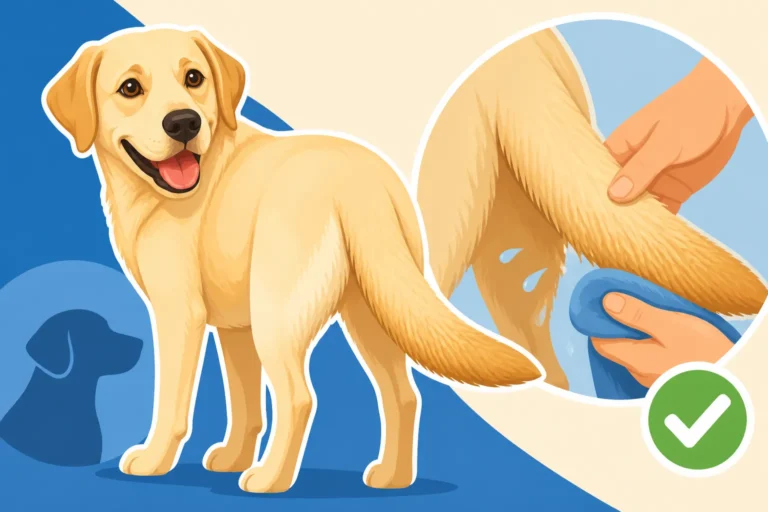
After any water activity, the first step is always a vigorous towel dry. Use absorbent towels to remove as much surface water as possible. For best results, use multiple towels, especially if your Labrador has a particularly thick coat. Work your way down to the skin, pressing and squeezing out water rather than just rubbing the surface. Pay particular attention to areas where moisture can get trapped, such as under the tail, in the armpits, and especially in their floppy ears, which are prone to infections if left damp.
If you have access to a high-velocity dog dryer, this is by far the most efficient way to dry a Labrador. These powerful dryers blow water out of the coat rather than just evaporating it, greatly reducing drying time and helping to "force" out any loose undercoat that might still be clinging on. If you don't have a specialized dryer, ensure your Labrador can air-dry in a warm, dry environment. Avoid letting them lie on cold, damp surfaces while still wet. Thorough drying helps prevent skin problems and keeps their coat in optimal condition, reducing the risk of odor and secondary issues that could exacerbate shedding.
Strategies for Minimizing Hair in Your Home
No matter how diligently you groom, some Labrador hair will inevitably find its way into your living space. It's just a fact of life with this wonderful breed! However, there are numerous strategies you can implement to minimize the impact of shedding on your home, keeping things cleaner and making fur management feel less like an overwhelming chore.
Keeping Labrador Hair Off the Furniture
The sofa, your favorite armchair, even your bed – these are prime targets for Labrador fur. While some owners opt for a "no dogs on furniture" rule, for many of us, snuggling with our Lab on the couch is part of the joy of ownership. If you fall into the latter category, there are ways to manage the fur fallout. Get more tips from Keeping Labrador Hair Off the Furniture.
One of the simplest and most effective solutions is to use dedicated covers. Washable slipcovers for your sofa and chairs are a lifesaver, as are specific pet blankets or throws you can easily remove and toss in the washing machine. Designate a "Labrador blanket" for their favorite spot on the couch, making it clear where they're allowed to lounge. Regular washing of these covers will dramatically reduce the amount of loose hair circulating in the air and embedding itself in your upholstery.
Beyond covers, a consistent approach to cleaning is essential. Keep a lint roller handy for quick touch-ups on clothes and furniture before guests arrive. A damp rubber glove or a squeegee can also be incredibly effective at gathering fur from upholstery and carpets – the static electricity helps to ball up the hair for easy removal. And, of course, regular vacuuming of all soft surfaces will prevent fur from building up and becoming ingrained.
Vacuums That Handle Labrador Hair
When you live with a Labrador, your vacuum cleaner becomes your most prized possession. Not all vacuums are created equal when it comes to tackling dense pet hair, so investing in a model specifically designed for pet owners can truly be a game-changer. A standard household vacuum might struggle to pick up the fine, sometimes greasy, fur that Labradors produce, and it can quickly clog or lose suction. For specifics on features to look for, refer to Vacuums That Handle Labrador Hair.
Look for vacuums with strong suction power, specifically designed to handle embedded pet hair. Features like tangle-free brush rolls are invaluable, as they prevent long hairs from wrapping around the brush and hindering performance. A good filtration system, such as a HEPA filter, is also highly beneficial, as it traps pet dander and other allergens, preventing them from being recirculated into the air. This is a huge plus for anyone in the household with allergies.
There are various types of vacuums to consider. Upright vacuums often offer powerful suction and wide cleaning paths, ideal for large carpeted areas. Canister vacuums can be more versatile with various attachments for furniture and hard-to-reach spots. Robotic vacuums are fantastic for daily maintenance, running on a schedule to pick up surface fur before it accumulates. While I can't name specific models or prices, many reputable brands offer excellent pet-specific vacuums that will make a noticeable difference in your battle against the fur. Check out brands available on Chewy or Amazon for features like these.
Daily Habits to Reduce Shedding Impact
Managing Labrador shedding isn't just about big grooming sessions; it’s also about integrating small, consistent habits into your daily routine. These seemingly minor actions accumulate over time to create a much cleaner and more manageable living environment. It's about being proactive rather than constantly reacting to fur piles.
One simple habit is to brush your Labrador, even for just a few minutes, outside whenever possible. This immediately contains a significant amount of loose hair before it even enters your home. If outdoor brushing isn't feasible, designate a specific easy-to-clean area indoors, like a tiled mudroom or laundry room, for your quick brush-downs. After a walk or outdoor playtime, quickly wipe your Labrador's paws and belly with a damp cloth; this not only removes dirt but also catches any loose fur that might be clinging to their underside.
For those who frequently travel with their Labrador in the car, investing in a good quality car seat cover is a must. These washable covers protect your car's upholstery from fur, dirt, and muddy paws, making cleanup a breeze. Similarly, having a designated "dog bed" or "dog crate" that is regularly cleaned and vacuumed provides a specific spot for your Labrador to shed, rather than spreading it across every surface. These small, consistent efforts, combined with a solid grooming routine, will help you win the ongoing battle against Labrador fur.
Common Misconceptions About Labrador Shedding
There are a lot of myths and misunderstandings floating around about dog shedding, and Labradors are no exception. Let's clear up a few common misconceptions so you can have realistic expectations and make informed decisions about your furry friend. It's easy to fall for quick fixes or well-meaning, but incorrect, advice, so let's get down to the facts.
Whether Labradors Are Hypoallergenic
This is perhaps one of the biggest misconceptions in the dog world, and it needs to be addressed directly: no dog is truly 100% hypoallergenic. The term "hypoallergenic" simply means "less allergenic," not "non-allergenic." Unfortunately for allergy sufferers, Labradors are definitely not considered a hypoallergenic breed. This often comes as a surprise to those who love their friendly disposition but struggle with sneezing and itchy eyes.
The reality is that allergies to dogs are not caused by the hair itself, but by the dander (microscopic flakes of skin), saliva, and urine that dogs produce. These allergens become trapped in the fur, and when a dog sheds, they release these allergens into the environment. Since Labradors have a dense double coat and shed profusely year-round, they are constantly releasing dander into your home. This makes them a significant challenge for individuals with dog allergies. You can explore more about this in Whether Labradors Are Hypoallergenic.
Breeds often labeled "hypoallergenic" typically have hair that grows continuously, like humans, rather than having a shedding cycle. This hair might shed less or stay trapped within the coat, thus releasing fewer allergens into the air. Labradors, with their thick, shedding undercoat, do the opposite. So, if you or someone in your household has severe dog allergies, a Labrador, despite their many wonderful qualities, might not be the best choice for a furry companion.
Why You Never Shave a Labrador
This is a critical point that every Labrador owner needs to understand: you should absolutely never shave a double-coated dog like a Labrador Retriever. While it might seem like a logical solution to reduce shedding or keep them cool in the summer, shaving a Labrador's coat can cause irreparable damage and actually do more harm than good. It's a common mistake, born of good intentions, but with significant negative consequences. More on this topic can be found in Why You Never Shave a Labrador.
A Labrador's double coat serves a vital purpose for their health and well-being. The outer guard hairs protect their skin from sunburn, insect bites, and environmental irritants. They also create a barrier that repels water and dirt. The dense undercoat provides insulation, keeping them warm in winter and, counter-intuitively, helping to keep them cool in summer by trapping a layer of air that acts as a thermal regulator. When you shave off these layers, you remove their natural protection system.
Shaving can lead to several problems. First, it exposes their delicate skin to harmful UV rays, making them highly susceptible to sunburn and increasing their risk of skin cancer. Second, it removes their natural insulation, making them less efficient at regulating their body temperature – they can get overheated faster in summer and chillier in winter. Third, and perhaps most frustrating for owners, is the potential for "coat funk" or "post-clipping alopecia." This is when the coat grows back incorrectly, often patchy, coarse, or with a permanently altered texture, sometimes never returning to its original state. Regular brushing and deshedding are far superior solutions for managing shedding and comfort.
Coat Color and Shedding Myths
There's a persistent myth that the amount a Labrador sheds, or even their overall health, can be linked to their coat color. You might hear people say that chocolate Labs shed more, or yellow Labs shed less, or that black Labs have the easiest coats to manage. The truth, however, is that a Labrador's coat color has absolutely no bearing on its shedding volume or the structure of its fur.
All Labradors, whether black, yellow (which includes fox red shades), or chocolate, possess the same fundamental double-coat structure. This means they all have the same thick, insulating undercoat and the protective, water-repellent topcoat. The genes that determine coat color are entirely separate from the genes that determine hair growth cycles, density, or shedding patterns. Therefore, a chocolate Labrador sheds just as much as a yellow Labrador, and a black Labrador will blow its coat just as intensely in the spring and fall. For more on how coat color relates to other aspects, see Whether Coat Color Really Changes Labrador Health.
Any perceived difference in shedding based on color is likely anecdotal or due to individual dog variations, not a breed-wide trait tied to pigmentation. What might make a difference is the contrast of the fur against your furniture; light fur on dark furniture is more noticeable, and vice versa. So, if you're choosing a Labrador based on the hope of less shedding due to its color, you might be in for a surprise. Expect all Labradors to be enthusiastic shedders, regardless of their beautiful hue.
When to Consult a Vet About Excessive Shedding
While shedding is a completely normal and expected part of living with a Labrador, there are times when excessive or unusual hair loss can be a red flag. As a responsible pet parent, it's important to recognize the difference between routine shedding and a potential health issue. Your Labrador's coat and skin are often excellent indicators of their overall well-being, so pay close attention to any significant changes.
Signs of Underlying Health Issues
Normal shedding generally means a healthy, full coat, even if there's a lot of loose fur. However, if you start noticing certain signs in conjunction with shedding, it's definitely time to pick up the phone and talk to your veterinarian. These signs include: patches of baldness, a dull or brittle coat texture, excessive itching, red or inflamed skin, scabs, sores, or any unusual skin odor. If your Labrador is constantly scratching, licking, or biting at their fur, this is also a clear indicator that something might be amiss. More about common skin issues can be found in Labrador Ear and Skin Disease and Hot Spots and Allergies in Labradors.
Excessive shedding accompanied by lethargy, changes in appetite or thirst, weight loss or gain, or other behavioral shifts should also be a cause for concern. These symptoms, when combined with unusual hair loss, could point to a range of underlying health conditions. These can include parasitic infestations (like fleas, mites, or ticks), bacterial or fungal skin infections, allergies (environmental, food-related, or contact allergies), hormonal imbalances (such as hypothyroidism or Cushing's disease), or even more serious systemic illnesses. Don't try to self-diagnose; a vet can perform diagnostic tests to pinpoint the exact cause and recommend appropriate treatment.
Dietary Factors Affecting Coat Health
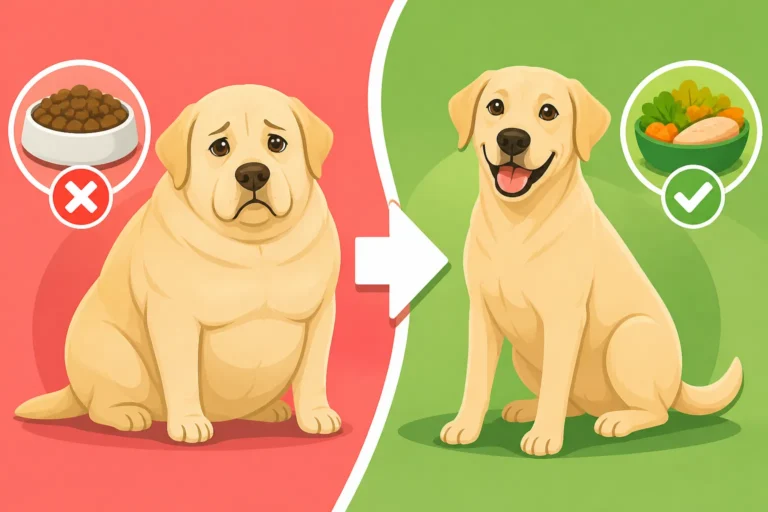
Believe it or not, what you put into your Labrador's bowl has a profound impact on the health and luster of their coat, and by extension, their shedding patterns. A dull, dry, brittle coat, or one that seems to shed excessively even outside of seasonal blows, can often be a sign that your dog's diet isn't providing all the necessary nutrients. Just like with humans, a poor diet can manifest in poor skin and hair quality.
A high-quality, balanced diet rich in essential fatty acids, particularly omega-3 and omega-6, is crucial for maintaining a healthy skin barrier and a vibrant coat. These fatty acids help to keep the skin moisturized and reduce inflammation, which can prevent dryness, flakiness, and subsequent excessive shedding. Look for dog foods that list ingredients like fish oil, flaxseed, or other healthy fats. Protein is also vital, as hair is primarily made of protein, so ensure your Labrador is getting adequate, high-quality protein sources in their food. For example, some people choose fresh food delivery services, like Ollie, that focus on wholesome, real ingredients, which can be beneficial for coat health.
Conversely, diets lacking in these crucial nutrients or filled with excessive fillers can lead to a compromised coat. If your Labrador's coat has lost its characteristic shine, feels coarse, or seems to be shedding more than usual without any other obvious cause, consider reviewing their diet. Sometimes, a simple switch to a higher quality dog food, or supplementing with certain nutrients as recommended by your vet, can make a significant difference in improving coat health and normalizing shedding.
Supplements for a Healthy Coat
While a balanced diet is the cornerstone of good coat health, sometimes a little extra boost from supplements can be beneficial, especially if your Labrador has persistent skin or coat issues, or if they are prone to dryness. However, it's incredibly important to always consult your veterinarian before adding any supplements to your dog's regimen. What works for one dog might not be right for another, and some supplements can interact with medications or have adverse effects if given in incorrect dosages.
Omega-3 fatty acid supplements, often derived from fish oil, are one of the most popular and often recommended supplements for coat health. They are powerful anti-inflammatories and contribute significantly to skin hydration and coat luster. Many Labrador owners report seeing a noticeable improvement in coat shine and a reduction in dry, flaky skin after consistently giving fish oil. For a deeper dive, check out Fish Oil for a Labrador's Coat and Joints. Other beneficial supplements can include biotin, which supports hair growth and strength, and zinc, which is crucial for skin barrier function and overall immune health.
Remember, supplements are meant to supplement a healthy diet, not replace it. They are not a magic bullet for excessive shedding if the root cause is an underlying medical condition or a poor diet. Your vet can help you determine if a supplement is appropriate for your Labrador, recommend specific brands or dosages, and ensure that you're addressing any primary health concerns first. With professional guidance, supplements can play a valuable role in maintaining your Labrador's magnificent, healthy coat.
| Tool Type | Primary Function | Best For | How to Use | Caution |
|---|---|---|---|---|
| Slicker Brush | Detangling, removing loose topcoat | Daily maintenance, surface tangles | Gentle strokes, follow hair growth | Avoid harsh scraping on skin |
| Bristle Brush | Distributing oils, light shedding | Finishing, shine, stimulating skin | Long, sweeping strokes | Not effective for dense undercoat |
| Rubber Curry Comb | Loosening undercoat, massage | During baths, removing loose hair and dirt | Circular motions, then long strokes | Can pull too much if used dry on dense coat |
| Deshedding Rake | Reaching deep undercoat | Seasonal coat blowing, heavy shedding | Short, firm strokes in direction of hair growth | Overuse can damage guard hairs, irritate skin |
| Lint Roller | Quick clean-up on surfaces | Clothing, furniture, quick touch-ups | Roll firmly over fabric | Not for direct use on dog's coat |
Living with a Labrador Retriever is an absolute joy, but it definitely comes with its fair share of fur. Understanding their unique double coat, anticipating their seasonal shedding cycles, and equipping yourself with the right tools and routines can turn the tide in the battle against shedding. Remember, it's all part of what makes our Labs the resilient, water-loving companions we adore. Embrace the fluff, stay consistent with your grooming, and enjoy every moment with your wonderfully hairy best friend!
Disclaimer
This article is for general informational purposes only and does not constitute professional advice. Laws, prices and regulations vary by location and change over time. Consult a qualified professional for guidance on your specific situation.