Brushing a Labrador’s Teeth Daily
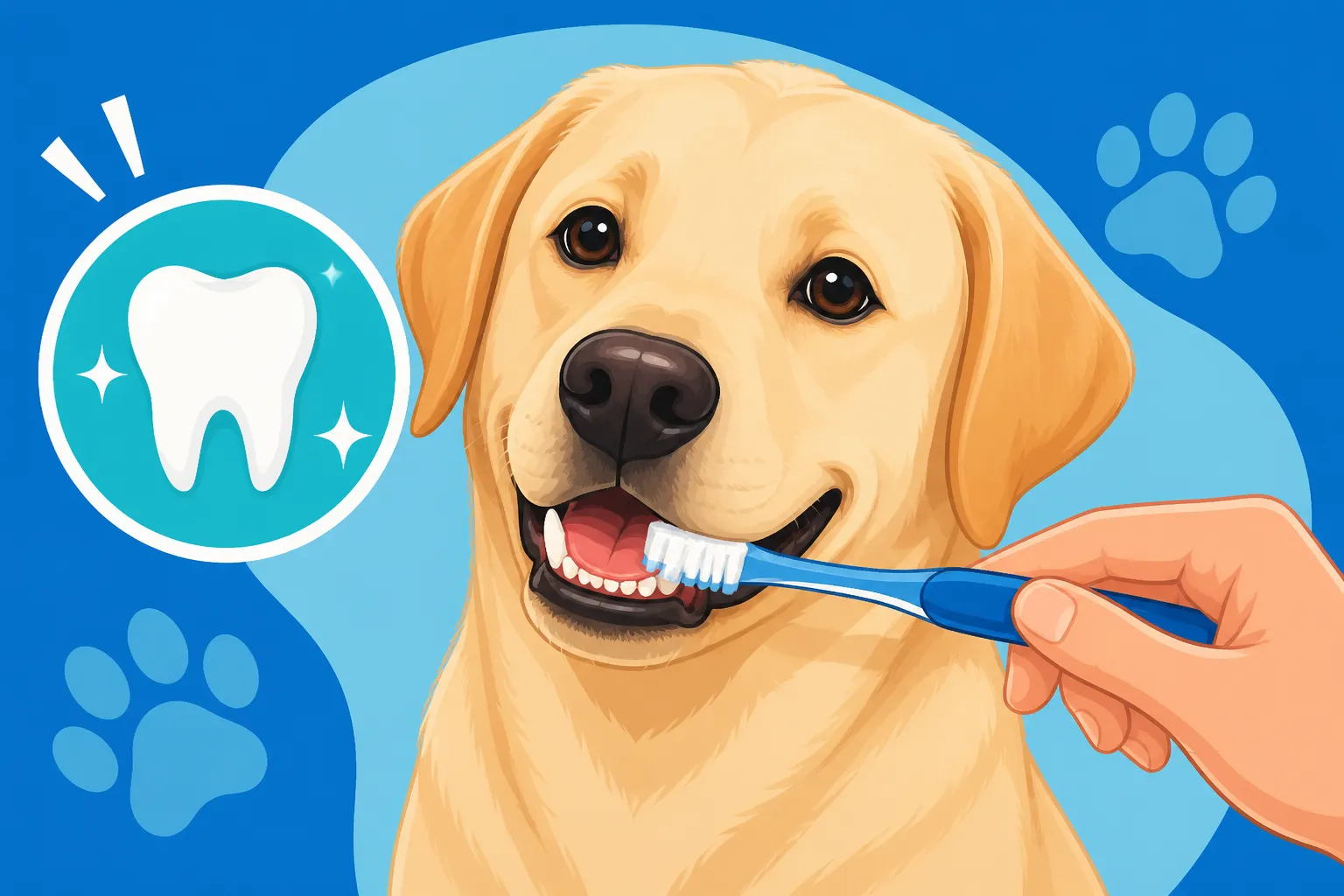
Many Labrador owners find themselves in a wrestling match with their beloved companions when it comes to daily dental care. You know it’s important, but getting a strong, food-motivated Labrador to willingly accept a toothbrush in their mouth can feel like an Olympic sport. This guide is here to walk you through the why and how of brushing your Labrador’s teeth daily, turning a potential struggle into a manageable, even enjoyable, routine for both of you.
Why Daily Brushing for Your Labrador is Non-Negotiable
It’s easy to overlook dental care. After all, dogs don't complain about cavities the way we do, and who really wants to stick their hand in a Labrador's mouth, especially if they're not thrilled about it? But ignoring those pearly whites, or rather, what's building up on them, is a grave mistake that can lead to far more than just stinky breath. Dental disease is rampant in dogs, and Labradors are no exception.
The Silent Threat of Plaque and Tartar
Every time your Labrador eats, tiny food particles and bacteria mix with saliva to form a sticky film called plaque on their teeth. This plaque is insidious because it’s largely invisible at first, and it’s constantly forming. If you don't remove it regularly, it begins to harden and mineralize, turning into a rough, yellowish-brown substance known as tartar. This is where the real trouble starts.
Tartar acts like a magnet for more bacteria and plaque, creating a vicious cycle. It clings tightly to the tooth surface, especially along the gum line, and is impossible to remove with just a toothbrush once it’s truly solidified. This buildup irritates the gums, causing inflammation, pain, and eventually, a condition called gingivitis. You might notice your Labrador’s gums looking redder, swelling slightly, or even bleeding a little when they chew on a tougher toy. A huge indicator of plaque and tartar buildup is, of course, that distinctively foul doggy breath that can clear a room. It's often the first thing owners notice, but by then, the problem is usually well underway. This is often the first sign of Labrador Dental Disease and Tartar.
Beyond Bad Breath: Systemic Health Risks
While bad breath and sore gums are certainly unpleasant, the consequences of neglected dental health extend far beyond the mouth. Periodontal disease, the advanced form of dental disease where bacteria invade below the gum line, can lead to much more serious systemic health issues. The bacteria from infected gums don't just stay put; they can enter your Labrador's bloodstream and travel to vital organs, including the heart, kidneys, and liver.
Imagine millions of bacteria constantly entering your dog's system. This chronic bacterial exposure puts a strain on these organs, potentially contributing to conditions like heart valve infections or kidney damage over time. It's a silent stressor on their body. Furthermore, untreated dental disease can be incredibly painful. Your stoic Labrador might not cry out, but severe tooth decay, abscesses, or loose teeth can make eating a real ordeal. You might notice them favoring one side of their mouth, dropping food, or becoming less enthusiastic about their meals or even their favorite chew toys. As pet parents, we need to be vigilant for subtle signs of discomfort, especially since our Labradors are so good at Reading Pain in a Stoic Labrador. This is why daily brushing isn't just about fresh breath; it's a critical component of your Labrador's overall health and longevity.
Getting Started: Tools and Techniques for Labrador Dental Care
So, you're convinced that daily brushing is essential. Great! But how do you actually do it without turning it into a battle of wills every single day? The key is choosing the right tools and, perhaps more importantly, introducing them gradually and positively.
Choosing the Right Brush and Toothpaste
First things first, you need the proper equipment. Forget your own toothbrush and toothpaste; human products are not safe for dogs. Our toothpaste often contains fluoride, xylitol, or detergents that can be toxic if swallowed, and dogs, unlike us, don't rinse and spit.
For your Labrador, you'll want to invest in a dog-specific enzymatic toothpaste. These are formulated to be safe for ingestion and contain enzymes that help break down plaque even after brushing. They come in appealing flavors like poultry, beef, or peanut butter, which can make the experience more palatable for your dog. Brands like Virbac C.E.T. or Petrodex are popular choices and readily available on platforms like Chewy or Amazon.
When it comes to the brush itself, you have a few options:
- Finger Brushes: These are small, soft brushes that fit over your fingertip. They’re excellent for getting started, as they allow you to really feel your Labrador’s teeth and gums, and many dogs tolerate a finger brush more easily than a traditional brush initially.
- Long-Handled Toothbrushes: Designed with a small head and angled handle, these resemble human toothbrushes but are sized for a dog's mouth. They can be very effective once your Labrador is comfortable with the routine, allowing you to reach those tricky back molars.
- Dual-Headed Brushes: Some brushes feature a head on each end, often with different sizes, making it versatile for various tooth sizes within your Labrador's mouth.
You might even start with just a piece of gauze wrapped around your finger, especially if your Labrador is very resistant. The goal is simply to get them used to having your finger and then a soft abrasive surface in their mouth.
Desensitization and Positive Reinforcement
This is arguably the most crucial step, especially for a strong-willed Labrador. You can't just dive in with a brush and toothpaste and expect immediate cooperation. It's a gradual process built on trust and positive associations.
Here’s a step-by-step approach:
- Start with Touch: Begin by simply touching your Labrador’s muzzle, then lifting their lip for a second or two. Praise them lavishly and give a high-value treat immediately. Do this several times a day for a few days, keeping sessions short and sweet.
- Introduce Finger with Flavor: Once they're comfortable with lip lifts, put a tiny dab of dog-specific toothpaste on your finger. Let them lick it off. Most Labradors will be enthusiastic about the flavor! Repeat this for a few days.
- Finger on Gums: Next, put toothpaste on your finger and gently rub it along their gum line and a few teeth for just a couple of seconds. Again, heaps of praise and a treat right away. Focus on the outside surfaces of the teeth, as this is where plaque tends to accumulate most. The inside surfaces often get a natural cleaning from their tongue.
- Introduce the Brush: When they're okay with your finger, switch to the finger brush or a regular dog toothbrush with a tiny bit of toothpaste. Let them lick the toothpaste off the brush. Then, very gently, brush just one or two teeth for a few seconds. Build up slowly, adding more teeth and slightly longer durations over days or even weeks.
- Consistency is Key: Aim for daily sessions, even if they're only 30 seconds long at first. Short, frequent, positive interactions are far better than long, infrequent, stressful ones. Always end on a good note with a treat and praise. This method is incredibly effective for Labrador Puppy Health in the First Year and instilling good habits early.
Remember, patience is your best friend here. If your Labrador resists, don’t force it. Back off, try again later, or revert to an earlier, more comfortable step. The goal is for them to associate brushing with yummy toothpaste and positive attention, not a struggle.
| Tool Type | Description | Pros | Cons |
|---|---|---|---|
| Finger Brush | Soft brush that slips over your finger, typically silicone or nylon. | Great for beginners, good control, direct tactile feedback. | Can be chewed easily, harder to reach back teeth effectively on a large dog. |
| Long-Handled Brush | Standard toothbrush design, angled head, sized for dog mouths. | Better reach for back molars, more traditional brushing action. | Can feel more intrusive for some dogs, requires more cooperation. |
| Gauze Pad | Simple medical gauze wrapped around your finger. | Very gentle introduction, minimal intimidation, readily available. | Less effective at deep cleaning, mainly for initial desensitization. |
| Enzymatic Toothpaste | Dog-specific toothpaste with enzymes to break down plaque. | Safe to swallow, appealing flavors, aids plaque breakdown. | Must be dog-specific (human toothpaste is toxic), can be messy. |
Making Daily Brushing a Positive Habit for Life
Once your Labrador is somewhat accustomed to having their teeth brushed, the next step is to cement it into a consistent routine. Like any good habit, it needs structure and reinforcement.
Establishing a Routine
The best way to ensure daily brushing happens is to integrate it into an existing daily rhythm. Think about what you already do consistently every day with your Labrador. Is it after their evening walk? Before bed? During a quiet cuddle session on the sofa? Pick a time that works for you and your dog, and stick to it.
For example, maybe after their last potty break before bed, you bring out the toothbrush. They associate that end-of-day quiet time with a special treat and attention, which now includes a quick tooth brushing session. Keep the area calm and free of distractions. You might even have a special mat or towel they lie on for their "teeth time." Making it predictable reduces anxiety and builds anticipation for the positive rewards.
Don’t aim for perfection immediately. A minute or two of effective brushing, focusing on the outer surfaces of the teeth where plaque builds up most, is a fantastic start. With consistency, you’ll find that your Labrador becomes more tolerant, and the process gets quicker and easier. Remember, even older Labradors can learn new tricks, so if you're starting this with a senior dog, just be extra patient and gentle. Caring for a Senior Labrador often means increased attention to their dental health.
Troubleshooting Common Labrador Brushing Challenges
Even with the best intentions, you might hit some snags. Labradors are smart, and some can be quite particular.
- The "Head Turner": Some Labs will constantly try to turn their head away from the brush. Try positioning yourself so their head is gently but firmly cradled against your body or between your knees (if they're comfortable with that) to limit movement. Work quickly on one side, reward, then switch to the other.
- The "Lip Licker": Your Labrador might spend more time licking the toothpaste than letting you brush. That's okay! It means they like the taste. Use this to your advantage. Apply a little toothpaste, let them lick, then quickly get a few brushes in. You can also try holding their muzzle gently but firmly to keep their lips out of the way, giving you better access to the teeth.
- The "Chewer": If your Labrador tries to chew the brush, ensure you're using a sturdy dog toothbrush and that the bristles are not too soft (unless it's a finger brush). You can try offering a safe, high-value chew toy (like a Kong filled with peanut butter) after the brushing session as a reward, teaching them that resisting the brush leads to a better chewing experience later.
- Persistent Resistance: If your Labrador consistently fights the brush, even with desensitization, don't give up. Re-evaluate your approach. Are your sessions too long? Is the treat high-value enough? Are you being consistent? Sometimes, simply changing the flavor of toothpaste (you can find a wide variety from brands sold on Chewy or Amazon) or switching from a finger brush to a handled brush, or vice-versa, can make a difference. If all else fails, consult your vet or a certified professional dog trainer for guidance. They might offer techniques specific to your dog's temperament. Even though brands like Ollie are primarily known for fresh food, they often share tips on overall pet wellness, which includes dental health.
When Daily Brushing Isn't Enough: Professional Dental Care
While daily brushing is the gold standard for preventative dental care, it's important to recognize its limitations and when professional intervention is necessary. Just like humans need regular dental check-ups and cleanings, so do our Labradors.
Recognizing Signs of Advanced Dental Disease
Despite your best efforts with brushing, sometimes dental disease can progress, or your Labrador might develop issues you can't address at home. It's crucial to be aware of the signs that warrant a veterinary visit:
- Excessive Tartar Buildup: If you see significant yellow or brown crusts on their teeth, especially along the gum line, it's likely too late for brushing alone. This hard tartar needs professional removal.
- Red, Swollen, or Bleeding Gums: These are clear signs of gingivitis or even more advanced periodontal disease. Healthy gums should be a pale pink (though some dogs have naturally pigmented gums).
- Persistent Bad Breath: While a little "dog breath" is normal, truly foul, putrid breath is a strong indicator of bacterial overgrowth and infection.
- Loose or Missing Teeth: This is a severe sign of advanced periodontal disease where the supporting structures of the tooth have been compromised.
- Reluctance to Eat or Chewing Difficulties: If your Labrador, usually a chowhound, suddenly shows disinterest in food, drops kibble, or avoids hard chews, pain is likely a factor.
- Pawing at the Mouth or Facial Swelling: These can indicate a tooth root abscess or severe pain, which is an emergency.
- Drooling: Excessive drooling, sometimes with blood, can also point to oral pain or infection.
Regular veterinary check-ups are essential for catching these issues early. Your vet will perform an oral exam during your Labrador’s annual physical, and they can advise you on the best course of action. They'll also be able to tell you How Often a Labrador Needs Dental Cleaning.
The Role of Veterinary Dental Cleanings
Professional dental cleanings performed by a veterinarian are often necessary to remove tartar and address issues below the gum line that brushing simply cannot reach. These procedures are done under general anesthesia. I know, anesthesia can sound scary to many pet parents, but for a thorough cleaning and examination, it's essential for your Labrador's safety and comfort.
During a professional cleaning, the vet or vet technician will:
- Perform a thorough oral exam: This includes probing the gum line and taking dental X-rays to assess the health of the tooth roots and jawbone, which are invisible to the naked eye.
- Scale and polish the teeth: Specialized ultrasonic scalers are used to remove plaque and tartar from above and below the gum line. The teeth are then polished to smooth the surface, making it harder for plaque to adhere.
- Address any extractions or treatments: If X-rays reveal diseased or painful teeth, extractions might be necessary. Sometimes, other treatments like root canals or restorations are possible, depending on the severity.
This comprehensive approach ensures that not only are the teeth clean, but underlying problems are identified and treated, preventing further pain and systemic health issues.
Beyond Brushing: Other Dental Health Aids
While daily brushing is paramount, some other products can supplement your efforts, though they should never replace brushing.
- Dental Chews: Not all dental chews are created equal. Look for dental chews that are specifically VOHC (Veterinary Oral Health Council) approved. This means they've met certain standards for reducing plaque and/or tartar. Many popular brands offer VOHC-approved options that you can find at stores like Chewy or Amazon. However, remember these are still treats and contribute to calorie intake, so factor them into your Labrador's daily food allowance to prevent them from becoming How Being Overweight Shortens a Labrador's Life.
- Water Additives: These products are added to your Labrador's drinking water and contain ingredients designed to reduce plaque bacteria. They are generally easy to use and can provide an additional layer of defense.
- Dental Diets: Certain prescription dental diets are formulated with kibble that has a unique texture or coating designed to scrub the tooth surface as your dog chews, reducing plaque buildup. These are often recommended by veterinarians for dogs prone to rapid tartar accumulation. When you're looking into Choosing Dog Food for a Labrador Retriever, you might discuss these specialized options with your vet.
Combining daily brushing with these supplementary aids and regular professional cleanings provides the most robust defense against dental disease for your beloved Labrador, ensuring they keep their happy, healthy smile for years to come.
Disclaimer
This article is for general informational purposes only and does not constitute professional advice. Laws, prices and regulations vary by location and change over time. Consult a qualified professional for guidance on your specific situation.