Drying a Labrador After a Swim
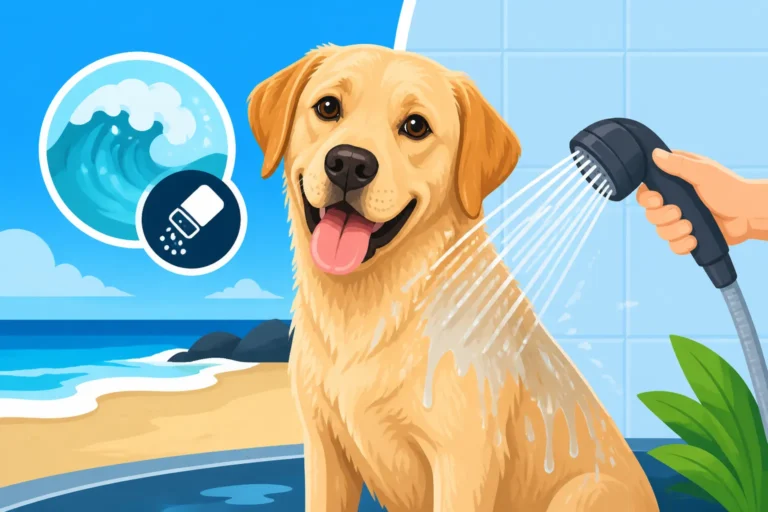
If you're a Labrador owner, you know the pure joy — and sometimes, the sheer chaos — that comes with a wet dog. Whether it's a dip in the lake, a romp in the ocean, or even just a particularly enthusiastic splash in a puddle, a soggy Labrador can quickly turn your home into a damp, muddy mess. Beyond the wet dog smell and the paw prints, improper drying can actually lead to some frustrating health issues. This guide is all about mastering the art of drying your Labrador after a swim, ensuring they stay happy, healthy, and your house stays a little less swamp-like.
Why Thorough Drying Is Crucial for Your Labrador's Health
It might seem like a small thing, just letting your Labrador shake off and air dry, but for a breed with such a dense double coat and those floppy ears, a thorough drying routine is more than just about keeping your home clean. It’s a vital part of their health and wellbeing. Ignoring it can lead to a host of uncomfortable and even painful conditions.
Preventing Skin and Ear Infections
Labradors, with their love for water, are particularly prone to certain issues if not dried properly. Their thick double coat, designed to repel water, can also trap moisture against the skin if not allowed to dry completely. This creates a warm, humid environment that is absolutely perfect for bacteria and yeast to thrive. It’s a recipe for skin infections, often manifesting as painful hot spots or generalized dermatitis. Imagine wearing a damp swimsuit all day – it's uncomfortable, itchy, and not great for your skin. Your Labrador feels something similar!
Then there are those adorable, floppy ears. They might be part of the Labrador's charm, but they also act like little umbrellas, trapping moisture inside the ear canal. This moist, dark environment is a breeding ground for yeast and bacteria, making ear infections a frustratingly common problem for water-loving Labradors. You might notice your dog shaking their head excessively, scratching at their ears, or a foul odor coming from deep within. Catching and addressing this quickly is key, but prevention through proper drying is always the best defense. Labrador Ear Infections and Swimming goes into more detail about this prevalent issue.
Avoiding "Wet Dog" Odor and Matted Fur
Let's be honest, the "wet dog" smell is something most of us would rather avoid. That distinct aroma isn't just water; it's a combination of yeast, bacteria, and other microorganisms that begin to multiply in the dampness of your Labrador's coat. A truly dry dog usually doesn't have that potent odor. By drying your Labrador effectively, you're not just preventing potential health problems; you're also significantly reducing that unmistakable scent that can linger in your car, on your furniture, and throughout your home.
While Labradors have a relatively short coat compared to some other breeds, their dense undercoat can still become matted if repeatedly wet and allowed to dry without proper attention. These mats can pull on the skin, causing discomfort and pain, and further trap moisture, exacerbating skin issues. Even a mild mat can be a breeding ground for irritation. Regular brushing, especially after a swim and before a full dry, helps to prevent this. It ensures their Grooming a Labrador's Short Double Coat routine keeps them comfortable and their coat healthy.
Essential Tools for an Effective Drying Routine
When it comes to getting your Labrador thoroughly dry, a simple towel just isn't always enough. Investing in a few key tools can make the process faster, more efficient, and ultimately more comfortable for your dog. Think of it as setting up a mini-grooming station right at home.
Absorbent Towels and Microfiber Mitts
You'll want a good stack of highly absorbent towels. Regular bath towels work, but specialized pet towels or microfiber towels can absorb significantly more water, cutting down on drying time. Keep a few on hand, especially if your Labrador is a frequent swimmer. For really getting into that dense undercoat, microfiber drying mitts can be incredibly useful. They fit over your hand, allowing you to massage and wick away water much more effectively than a flat towel, especially around legs and under the belly. You can often find these specialized towels and mitts on platforms like Amazon or Chewy, making it easy to stock up.
High-Velocity Pet Dryer
This is, hands down, the game-changer for drying a Labrador. A high-velocity pet dryer (sometimes called a force dryer) blows air at a high speed, effectively "blasting" water out of the coat rather than just drying it with heat. These dryers are designed for pets, meaning they have lower heat settings to prevent burning and powerful motors to handle thick coats. They can cut drying time dramatically, often from an hour or more with towels to mere minutes, depending on the coat density.
Using a pet dryer is a learned skill for both you and your dog. Start slow, with low settings, and introduce it positively with treats. Many Labradors eventually learn to love the sensation, especially if it means they're not shivering wet for long. The key is to direct the airflow to lift the fur and push the water out. While it's an initial investment, the time saved and the health benefits in preventing moisture-related skin issues are well worth it. Just remember, these are not human hairdryers, which get too hot and can damage your dog's skin.
Ear Cleaner and Cotton Balls
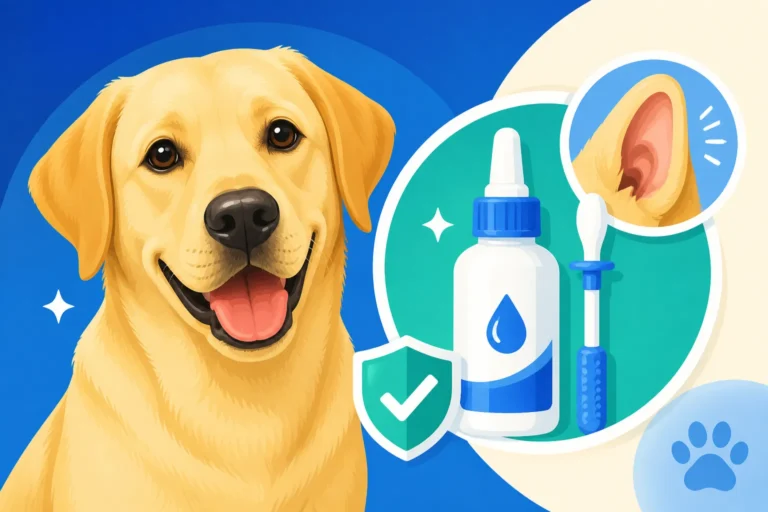
Because ear infections are such a common woe for swimming Labradors, a good ear cleaner and cotton balls are indispensable. After every swim, and especially after a thorough drying of the coat, you'll want to give those ears some attention. Your vet can recommend a good, gentle ear cleaning solution.
The process is simple: apply the cleaner into the ear canal (following product instructions), massage the base of the ear to help break up any wax and dislodge debris, and then use cotton balls to gently wipe out any discharge or excess cleaner. Never use cotton swabs inside the ear canal, as this can push debris further in and potentially damage the eardrum. It’s all about surface cleaning. How Often to Clean a Labrador's Ears provides a great routine for keeping those ears healthy.
Step-by-Step Guide to Drying Your Labrador After a Swim
Okay, you've got your tools ready, and your Labrador is dripping wet, probably shaking water everywhere as you read this. Let's walk through a systematic approach to get them truly dry and prevent those pesky damp dog issues.
Initial Shake-Off and Towel Dry
The moment your Labrador emerges from the water, your first line of defense is the "shake-off." Encourage them to do this outside, if possible, to save your furniture from the initial deluge. Many Labradors will instinctively shake vigorously, and that's great! Let them get as much off as they can.
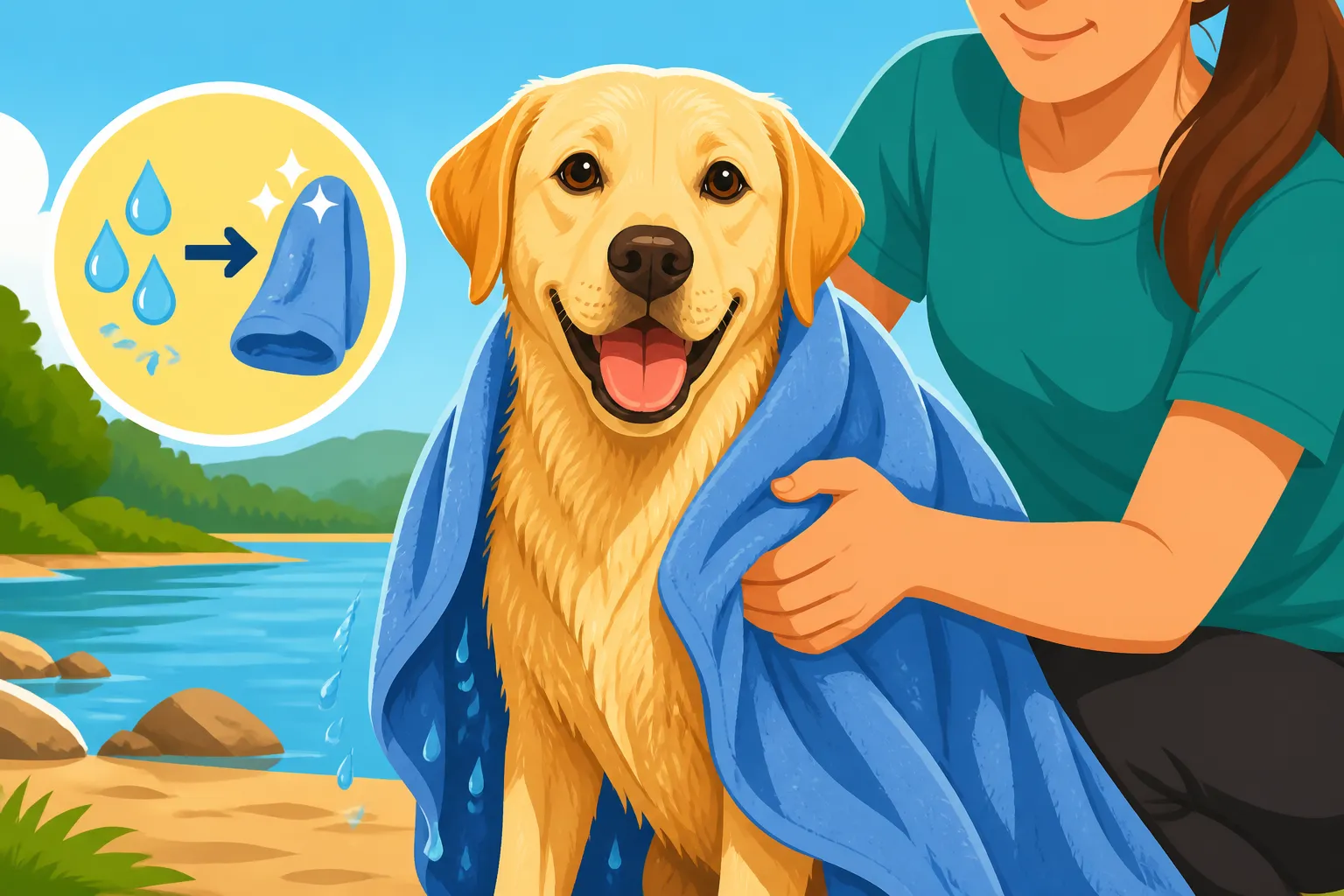
Once they've done their initial shake, grab those super-absorbent towels or microfiber mitts. Start by rubbing vigorously all over their body, focusing on getting as much surface water off as possible. Don't just pat; really work the towel through the coat to absorb water from the undercoat. Pay extra attention to the chest, belly, and legs, which tend to hold a lot of water. If you're using mitts, you can really get in there and massage the water out of the fur. Replace towels as they become saturated. The goal here is to get them damp, not soaking wet, before moving to the next stage.
Using a High-Velocity Dryer Effectively
Now for the heavy lifting! If you have a high-velocity dryer, this is where it shines. Find a non-slip surface, ideally somewhere easy to clean, like a laundry room or garage. Put down a mat or another towel for your dog to stand on. Many owners find it helpful to have their Labrador on a grooming table or elevated surface, making it easier on your back.
Start the dryer on a low setting, away from your dog, to let them get used to the noise. Offer treats and praise. Once they're comfortable, begin drying from the back of the dog, working your way forward. Use sweeping motions, lifting sections of fur to ensure the air reaches the undercoat. You'll literally see the water blowing off their coat. Be mindful of sensitive areas like the face, ears, and genitals, using a lower speed and being extra gentle. Never point the dryer directly into their eyes or ears. Continue until their coat is completely dry to the touch, separating the fur with your fingers to check for any lingering dampness. This can take anywhere from 10-30 minutes, depending on your dog's coat and size.
| Drying Method | Pros | Cons | Best For |
|---|---|---|---|
| Air Dry/Shake Off | No equipment needed, natural | Incomplete drying, "wet dog" smell, skin issues | Mild dampness, quick initial removal |
| Towel Dry | Readily available, gentle | Time-consuming, often leaves residual dampness, labor-intensive | Initial water removal, quick touch-ups |
| High-Velocity Dryer | Fastest, most thorough, prevents issues | Initial cost, noise can be an issue for some dogs, requires training | Frequent swimmers, dense coats, preventing health issues |
| Hair Dryer (Human) | Accessible (but NOT recommended) | Too hot, can burn skin, not powerful enough | Never for dogs! |
Post-Swim Ear Cleaning
After your Labrador is thoroughly dry from head to tail, it's time for those ears. Even if you've already wiped the outside, the inside of those ear canals can still harbor moisture. Grab your vet-recommended ear cleaner and cotton balls.
Gently lift your Labrador's ear flap. Squeeze the cleaner into the ear canal as instructed on the bottle (it’s usually quite a bit to fill the canal). You might hear a squishing sound as you massage the base of the ear for about 30 seconds. This helps the solution work its way down and loosen any wax or debris. Then, let your Labrador shake their head – this will often send some gunk flying, so be prepared! Finally, take a fresh cotton ball and gently wipe out the visible parts of the ear, removing any discharge. Repeat with fresh cotton balls until they come out clean. This simple step can drastically reduce the risk of painful ear infections. Drying a Labrador's Ears After the Lake has even more tips.
Preventing Issues and Best Practices
A solid drying routine isn't just about the steps you take; it's also about a mindful approach to your Labrador's water activities and general care. There are a few things you can do to make the whole process smoother and more effective.
Managing Frequent Swimmers
If your Labrador is practically amphibious, spending every possible moment in the water, you'll need to be extra vigilant. Frequent exposure to moisture means a higher risk of skin and ear problems. Consider designating a "drying zone" in your home, perhaps a tiled area near a back door, where you can easily contain the initial mess and perform your drying routine. Keep your towels and dryer readily accessible.
For Labradors who swim daily, regular ear checks are paramount. Even with diligent drying and cleaning, sometimes an ear infection can still sneak in. Learn the early signs: head shaking, scratching, redness, or a strange odor. The sooner you catch it, the easier it is to treat. Also, ensure their overall diet supports healthy skin and coat. A good quality food, perhaps even one with added Omega-3 fatty acids, can bolster their natural defenses. Products available through Chewy or Ollie often highlight ingredients beneficial for coat health.
Checking for Hot Spots or Irritation
The reality is, even with the best efforts, sometimes hot spots happen, especially in active, water-loving Labs. A hot spot is a localized area of skin inflammation and infection, usually caused by self-trauma (licking, chewing) due to an underlying irritation or moisture. After drying your Labrador, take a moment to do a quick visual and tactile check of their skin. Run your hands over their body, feeling for any lumps, bumps, or areas of tenderness. Part their fur to look at the skin, especially in areas where moisture tends to linger: armpits, groin, neck folds, and under the tail.
If you notice any redness, oozing, or an area that feels unusually warm, it could be the start of a hot spot. Early intervention is key. Gently clean the area with a mild antiseptic and consider consulting your vet, as hot spots can escalate quickly and often require specific medication. Hot Spots and Allergies in Labradors provides more in-depth advice on dealing with these pesky skin irritations.
Brushing and Coat Care Beyond Drying
Drying isn't the only aspect of coat care that helps keep your Labrador healthy. Regular brushing, even for short-haired breeds, is essential. Brushing helps to remove loose fur, especially from that dense undercoat, which can hold moisture and contribute to matting if not regularly shed. It also distributes natural oils, keeping the coat healthy and shiny. A good rubber curry brush or a shedding blade can do wonders for a Labrador's coat.
Consider a full grooming session once every few weeks, whether you do it yourself or take them to a professional groomer. This ensures their nails are trimmed How Often a Labrador Needs Nails Trimmed, their ears are clean, and their coat is in top condition. A healthy, well-maintained coat will dry more efficiently and be less prone to issues than a neglected one. Taking care of your Labrador's whole body contributes to their overall wellness and makes dealing with a wet dog much less of a chore!
| Area | Why it's important to dry thoroughly | What to look for if not dry enough |
|---|---|---|
| Ears | Traps moisture, breeds bacteria/yeast | Head shaking, scratching, odor, redness, discharge |
| Undercoat | Creates warm, moist environment for bacteria/yeast | Redness, scabs, hot spots, damp smell |
| Paws/Between Toes | Can trap moisture, lead to irritation | Excessive licking, redness, inflammation, odor |
| Armpits/Groin | Folds of skin trap moisture, prone to rubbing | Rashes, irritation, hot spots |
| Tail Base | Dense fur can hold water, especially "otter tail" | Dampness, matting, skin irritation |
Remember, owning a Labrador means embracing their love for water. With a little preparation and the right tools, you can manage the aftermath effectively, ensuring your adventurous companion stays healthy and happy, ready for their next splash.
Disclaimer
This article is for general informational purposes only and does not constitute professional advice. Laws, prices and regulations vary by location and change over time. Consult a qualified professional for guidance on your specific situation.