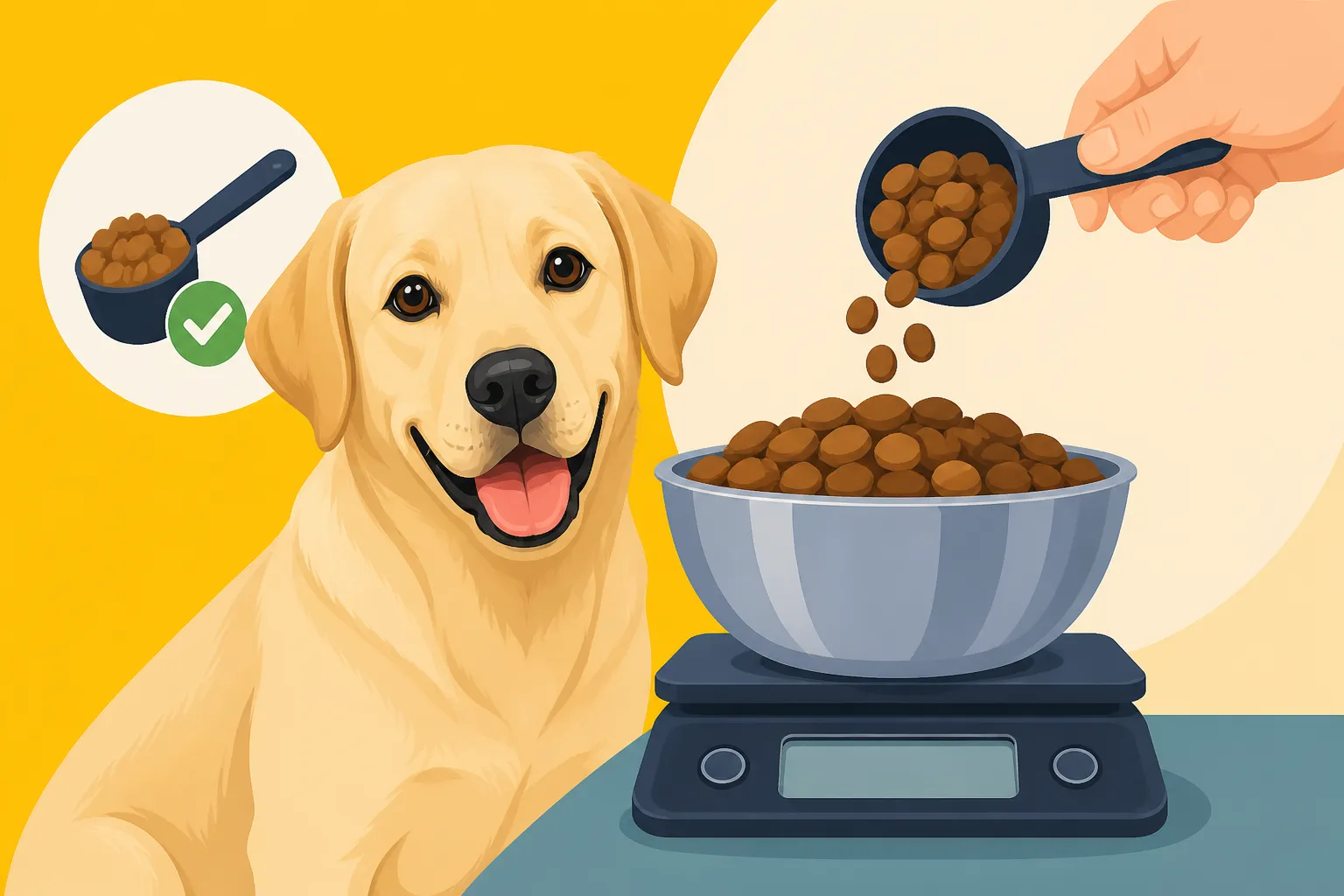
Measuring a Labrador’s Food Accurately
It's incredibly frustrating when you're trying your best to keep your beloved Labrador healthy, carefully choosing their food, only to realize that the way you're measuring it might be completely off. So many of us pour kibble into a cup or scoop, assuming it's precise, but this often leads to overfeeding or underfeeding without us even knowing it. This guide will walk you through exactly why accurate food measurement is so vital for your Labrador and provide practical, reliable methods to ensure they're getting the perfect portion every single time, safeguarding their health and preventing common issues.
Why Accurate Food Measurement is Crucial for Your Labrador
Bringing a Labrador into your life means committing to their health and well-being, and a huge part of that is their diet. It’s not just about what kind of food you choose, but critically, how much of it you offer. Many Labrador owners, with the best intentions, find themselves in a tricky spot because measuring dog food isn't as straightforward as it seems. Getting it wrong, even by a small amount daily, can compound over weeks and months, leading to significant health consequences for your furry family member.
The Hidden Dangers of Overfeeding
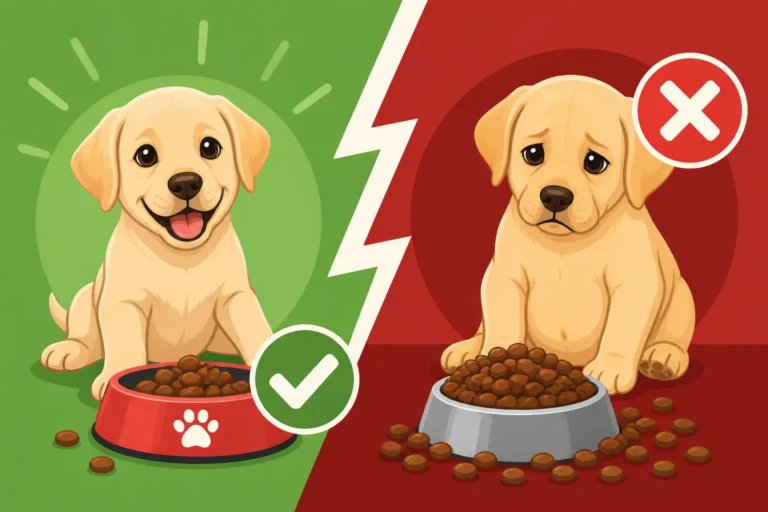
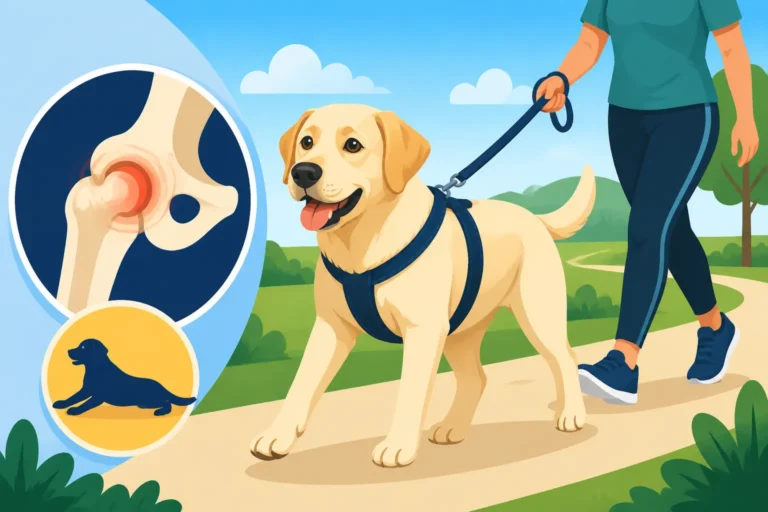
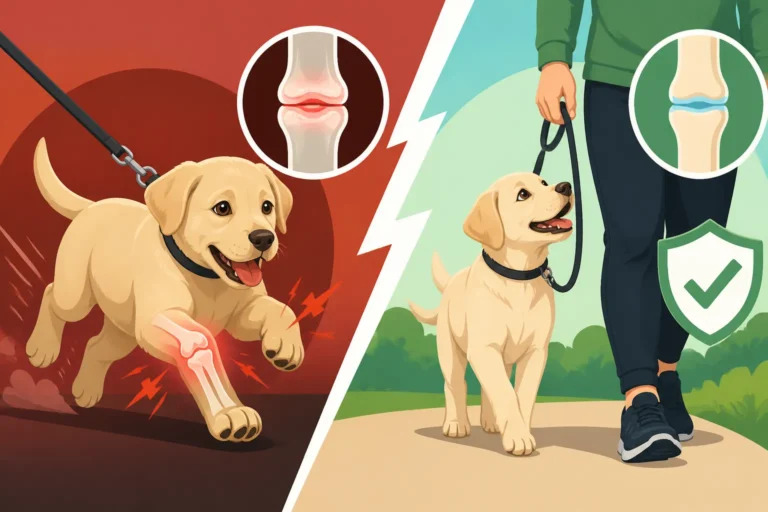
One of the most common issues we face with Labradors is their incredible enthusiasm for food. They often act like they haven't eaten in days, even moments after finishing a meal! This impressive appetite, coupled with our natural inclination to spoil our dogs, makes overfeeding a prevalent problem. Even a quarter-cup extra of kibble each day can add up to several pounds of unnecessary weight gain over a year, especially for a large breed like a Labrador. Those extra pounds aren't just cosmetic; they place undue stress on their joints, particularly their hips and elbows, which are already prone to conditions like Labrador Hip and Elbow Dysplasia.
Beyond joint issues, chronic overfeeding leads to obesity, which is a gateway to a whole host of other serious health problems. An overweight Labrador is at a much higher risk for diabetes, heart disease, certain types of cancer, and even a reduced Labrador Lifespan and What Changes It. It can exacerbate respiratory problems, make them more sluggish and less enthusiastic about exercise, and generally diminish their quality of life. Imagine your energetic, playful Labrador struggling to keep up on a walk or get up from a nap—it's a heartbreaking scenario that often starts with seemingly small, daily overages in their food bowl. Being aware of Why Labradors Gain Weight So Easily is the first step in combating this.
Underfeeding and Nutritional Deficiencies
While overfeeding grabs a lot of the spotlight, underfeeding can be just as detrimental, particularly for puppies, highly active adult Labradors, or those recovering from illness. A Labrador puppy needs a precise balance of nutrients and calories to support their rapid growth and development. Skimping on their food, even slightly, can lead to stunted growth, weakened bones, and a compromised immune system, setting them up for health issues later in life. Their growth plates are delicate, and insufficient nutrition during this critical period can have lasting effects. Ensuring you're following a Labrador Puppy Feeding Amounts and Schedule is vital.
For adult Labradors, especially those with an active lifestyle—whether they're working dogs, competitive athletes, or just enthusiastic hikers and swimmers—underfeeding means they aren't getting the fuel they need. This can result in a lack of energy, muscle loss, a dull coat, and an inability to maintain a healthy body weight. You might notice them seeming lethargic, not recovering well after exercise, or showing signs of dullness in their eyes or coat. Long-term nutritional deficiencies can also impact organ function and overall resilience. It's a fine line to walk, and precision in measurement helps ensure your Labrador receives exactly what their body needs to thrive, not just survive.
The Labrador's Unique Metabolism and Appetite
Labradors, bless their hearts, are notorious for their seemingly insatiable appetites. It's not just a personality quirk; there's often a genetic component at play. Many Labradors carry a specific gene mutation (POMC deletion) that directly impacts their sensation of fullness, meaning they don't feel as satisfied after a meal as other breeds might. This makes them perpetually hungry and highly motivated by food, which is fantastic for training but a real challenge for weight management. Understanding The POMC Gene and Labrador Appetite can help owners manage this predisposition.
Because of this unique metabolic drive, it's even more critical for Labrador owners to be diligent about portion control. They won't self-regulate their food intake if given free access, which is why Why Free Feeding Fails With a Labrador is such an important topic. Relying on their perceived hunger cues to gauge how much to feed them is a recipe for weight gain. Instead, we must be the responsible ones, providing them with scientifically calculated portions based on their age, activity level, and ideal body weight. Accurate measurement is the bedrock of managing this innate food drive and keeping your Labrador trim and healthy for years to come.
Common Pitfalls in Measuring Dog Food
So, you've got the bag of kibble, a scooper, and you're ready to feed your hungry pup. Sounds simple, right? Unfortunately, this is where many well-meaning owners fall into common traps that lead to inconsistent feeding and, ultimately, problems with their Labrador's weight and health. These methods, while convenient, lack the precision needed for optimal canine nutrition.
The Illusion of the "Standard" Scoop
Almost every bag of dog food comes with a free plastic scoop, or perhaps you bought a fancy one that says "2 cups" on it. It’s incredibly tempting to just use these as they are, assuming they’re perfectly accurate for your dog's specific food. However, this is one of the biggest misconceptions in pet feeding. Dog food isn't like flour; kibble density varies wildly between brands and even different formulas from the same brand. A "cup" of one type of kibble might weigh significantly more or less than a "cup" of another, meaning the calorie content can differ dramatically.
Think about it: some kibble pieces are large and airy, while others are small and dense. If your scoop is calibrated for a light, fluffy kibble but you're feeding a heavy, dense one, you could be accidentally overfeeding by a huge margin. Conversely, if you're using a scoop meant for a dense kibble with a lighter one, your Labrador might not be getting enough calories. These generic scoops are rarely precise enough to ensure your Labrador is getting the exact nutritional intake they need. It's a convenience that often comes at the cost of accuracy, contributing to the challenges discussed in Portion Control for a Food-Obsessed Labrador.
Eyeballing and Estimation Errors
Another common, albeit risky, practice is simply "eyeballing" the amount of food or using vague measurements like "a little less than a cup" or "just fill it to here." We've all been there, especially on busy mornings or when trying to quickly get a meal ready. While it feels harmless, these estimations are inherently inconsistent. What looks like "a cup" one day might be significantly more or less the next, depending on the angle you're looking from, how much you level it off (or don't), or even how sleepy you are!
This kind of imprecise measurement makes it impossible to consistently provide the correct number of calories and nutrients. Your Labrador's daily intake becomes a moving target, making it difficult to gauge if their weight changes are due to their diet or other factors. Over time, these small, daily inconsistencies accumulate, either slowly nudging your Labrador towards an unhealthy weight or depriving them of necessary calories. For a breed so susceptible to weight gain, this casual approach to feeding can undermine all other efforts to keep them healthy.
The Problem with Volume vs. Weight
Most dog food packaging provides feeding guidelines in cups – a measure of volume. Yet, the most accurate way to measure food, especially for calorie control, is by weight. As mentioned, kibble density varies greatly. A cup of one kibble could be 80 grams, while a cup of another could be 120 grams. The caloric content in those two volumes would be wildly different, even if they both visually "fill a cup." This discrepancy is the core problem when relying solely on volume measurements.
When a veterinarian or nutritionist recommends a specific caloric intake or a certain number of grams of food, they're typically thinking in terms of weight, not volume. The feeding charts on dog food bags are often generalized averages, and while they state "cups," the most precise instructions will also include a weight equivalent (e.g., "1 cup = 3.7 oz / 105 grams"). Ignoring the weight recommendation in favor of a volume measure can lead to significant over or under-calculation of your Labrador's actual intake. To truly know that your Labrador is getting the precise amount of energy and nutrients they need, moving beyond simple volume measurements is essential.
Tools for Precision: Weighing Your Labrador's Food
Once you understand the pitfalls of volumetric measuring, especially with generic scoops and eyeballing, the path to truly accurate feeding becomes clear: embrace precision. And for that, there's one tool that stands head and shoulders above the rest: the digital kitchen scale. It’s a game-changer for anyone serious about their Labrador's dietary health.
Why a Digital Kitchen Scale is Your Best Friend
A digital kitchen scale isn't just for baking; it's an indispensable tool for pet owners, especially those with Labradors. The beauty of a scale is that it measures by weight, which is the only truly consistent way to quantify dry dog food. Unlike volume, which can fluctuate with kibble shape, size, and density, weight remains constant. If your dog food bag states that a serving is "120 grams," a scale ensures you get exactly 120 grams every single time, regardless of what that looks like in a cup or how you pour it.
This level of precision takes all the guesswork out of feeding. No more wondering if you're slightly over or under what the vet recommended or what the bag suggests. This consistency is paramount for weight management, helping you to reliably hit your Labrador's target caloric intake. If your vet advises reducing their food by 10%, you can easily adjust the gram measurement on your scale. This makes tracking and adjusting their diet far more effective than trying to guess what "a slightly less full cup" actually means. It's an investment in your Labrador's long-term health and a key component of effective Getting Weight Off an Overweight Labrador. You can find reliable and affordable kitchen scales on marketplaces like Amazon or Chewy.
Step-by-Step: Using a Scale Effectively
Using a digital kitchen scale is incredibly simple once you get the hang of it, and it quickly becomes second nature. Here’s a straightforward process to ensure accurate feeding:
- Read the Bag: First, check your dog food bag for the feeding guidelines. Look specifically for measurements in grams or ounces, usually accompanied by the equivalent in cups. If it only lists cups, you'll need to do a quick conversion to weight. Many brands list the weight of one cup on their website or directly on the bag. If not, measure one level cup yourself and weigh it once to establish your baseline for that specific kibble.
- Turn On and Tare: Place an empty bowl or container (the one you'll feed your Labrador from) on the digital scale and turn it on. Most scales have a "tare" or "zero" button. Press this to reset the display to zero, effectively subtracting the weight of the empty container. This ensures you're only measuring the food.
- Add the Kibble: Slowly pour or scoop your Labrador’s kibble into the bowl on the scale. Watch the display carefully as you add the food, stopping precisely when you reach the target weight (e.g., 120 grams).
- Confirm and Serve: Once you hit the desired weight, remove the bowl from the scale, and serve it to your eager Labrador. Repeat this process for each meal of the day.
This simple routine guarantees consistency. Even if you're using a fresh food service like Ollie, where portions are often pre-calculated, knowing how to weigh can be helpful for treats or if you switch foods. This method empowers you to make informed decisions about your Labrador's nutrition with confidence.
Choosing the Right Scale for Your Needs
When it comes to selecting a digital kitchen scale for your Labrador's food, you don't need anything overly complex or expensive. The key features to look for are accuracy, ease of use, and durability.
- Accuracy: Look for a scale that measures in small increments, typically 1-gram or 0.1-ounce. This level of precision is more than sufficient for dog food. While some very cheap scales might be less reliable, most standard digital kitchen scales offer excellent accuracy.
- Capacity: Ensure the scale can handle the weight of your Labrador's daily portion plus the bowl. Most standard kitchen scales have a capacity of 5-10 pounds (2-5 kg), which is ample for even the largest Labrador's meals.
- Units: Make sure it can easily switch between grams and ounces, as some dog food brands list one or the other. This flexibility is incredibly helpful.
- Tare Function: As discussed, a tare function is essential to zero out the weight of the container. Almost all digital kitchen scales have this.
- Ease of Cleaning: Since you'll be using it for food, a smooth, wipeable surface is a big plus. Stainless steel platforms or tempered glass are easy to clean.
- Durability: While not strictly necessary for weighing kibble, a scale that feels sturdy will last longer. Brands like OXO, Taylor, and Etekcity often get good reviews for their kitchen scales.
You can often find great options for kitchen scales at major retailers or online marketplaces like Amazon, Chewy, or even specialized kitchenware stores. Investing a modest amount in a good quality scale will pay dividends in your Labrador's health, making precise feeding effortless and reliable.
Beyond the Scale: Other Accurate Measuring Techniques
While a digital kitchen scale is the gold standard for accuracy, it's not the only way to ensure your Labrador is getting the right amount of food. There are other methods that, when used correctly, can also provide a good level of consistency, especially if a scale isn't always practical or available. It's about finding what works best for your routine while still prioritizing precision.
The Calibrated Measuring Cup Method
If a digital scale simply isn't an option, or if you prefer volumetric measurement, the next best thing is a calibrated measuring cup specifically designed for pet food, or a high-quality, standard kitchen measuring cup. The key here is "calibrated." Unlike the free scoop from the bag, these cups are usually made from more rigid plastic or metal and have clearly marked, accurate measurements for cups, ounces, and sometimes even grams.
To use this method effectively, you still need to know the weight of a cup of your specific kibble. Here’s how:
- Initial Weigh-in: Use your food bag's recommended weight per serving. If it says 120 grams, measure 120 grams on a borrowed scale or at a pet store if possible.
- Translate to Volume: Pour those 120 grams into your chosen calibrated measuring cup. Note where it falls. Is it exactly 1 cup? Or maybe 3/4 of a cup? This gives you a precise volumetric equivalent for your specific food.
- Consistent Technique: When measuring with your calibrated cup, always level off the top of the kibble with a straight edge (like a ruler or knife) to ensure consistent density. Don't pack the kibble down, and avoid leaving a mound on top.
While not as precise as weighing, this method significantly reduces the "eyeballing" error. By performing that initial weight-to-volume conversion for your particular kibble and then using a consistent, level measuring technique, you can achieve much greater accuracy than with a generic scoop. It's a pragmatic approach for those who want better precision without a dedicated scale.
Pre-Portioning for Consistency
Another excellent strategy, especially for busy households or if multiple family members are responsible for feeding, is pre-portioning. This involves measuring out your Labrador's daily or weekly food allowance in advance and dividing it into individual meal portions. This method leverages accuracy upfront to ensure consistency later on.
Here’s how to do it:
- Calculate Total: Determine your Labrador's total daily food requirement (e.g., 250 grams).
- Measure Accurately: Use a digital kitchen scale to measure out this daily amount for each day of the week, or measure out individual meal portions.
- Store: Place each pre-measured portion into separate, airtight containers, zip-top bags, or even dedicated pet food containers. You can buy these in bulk on sites like Amazon or Chewy.
- Feed: At meal times, simply grab a pre-portioned container and empty it into your Labrador's bowl.
This method completely removes the need to measure daily, preventing errors due to rushed mornings or tired evenings. It's particularly useful for preventing Why a Labrador Begs After Eating from leading to extra servings. It also helps manage food for puppies who might need several smaller meals a day, ensuring each one is exact. Plus, it makes it easier if you use a fresh food service like Ollie, where portions often come pre-divided, as you can see the consistency it provides.
Adjusting for Treats and Supplements
Accurate food measurement isn't just about the main kibble; it also needs to account for everything else your Labrador eats. Treats, chews, and even certain supplements contribute calories, and neglecting to factor these in can easily lead to unintended weight gain, especially with a food-motivated breed like a Labrador. It's a critical aspect of effective Treats That Fit a Labrador's Calorie Budget.
Here's how to manage it:
- Calorie Count: Be aware of the caloric content of your Labrador's favorite treats. Many treat packages list calories per treat or per gram.
- Reduce Main Meal: If you're giving a significant number of treats throughout the day, reduce your Labrador's main meal portion proportionally. For example, if your treats account for 50 calories, and your kibble is 350 calories per cup, you might need to shave a small amount off their dinner.
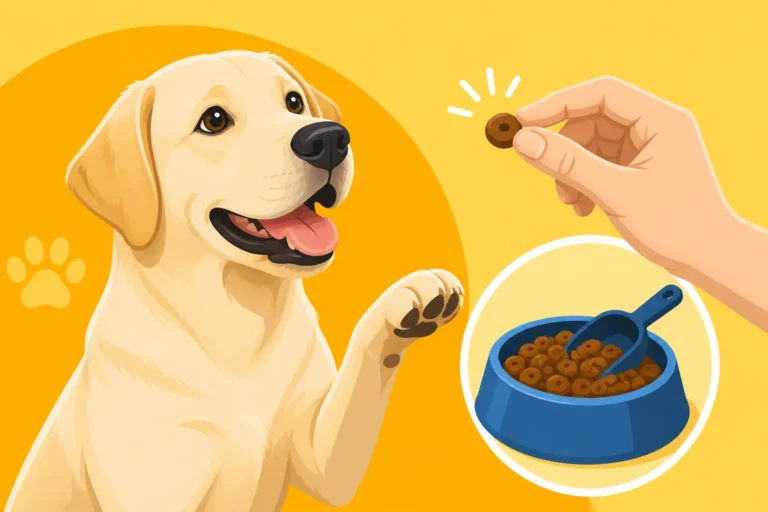
- Use Kibble as Treats: A fantastic way to give treats without adding extra calories is to use a portion of your Labrador's daily kibble allowance as rewards for training throughout the day. This keeps their total caloric intake consistent.
- Supplement Calories: If you're adding high-calorie supplements like certain oils or chews, remember these also contribute to their daily intake. Discuss these with your vet to see if a slight adjustment to their main food is needed.
This holistic approach to calorie counting, where every morsel is considered, is essential for maintaining your Labrador's ideal weight. It's easy to forget those small extras, but they add up quickly, especially with a dog that's always eager for more!
Factors That Influence Your Labrador's Food Needs
Measuring food accurately is a fantastic first step, but it’s just one piece of the puzzle. The amount of food your Labrador truly needs isn't a static number; it's a dynamic figure that changes throughout their life and depends on several key factors. Understanding these influences helps you make informed decisions about their portions, even with your trusty scale.
Age, Activity Level, and Body Condition
Your Labrador's nutritional requirements are highly personal and shift significantly over time:
- Age: A rambunctious Labrador puppy, with their incredible growth spurts and boundless energy, requires a much higher caloric intake per pound of body weight than a sedentary senior Labrador. Puppies need nutrient-dense food to support bone and muscle development, while seniors often need fewer calories to prevent weight gain as their metabolism slows down, and their activity decreases. Feeding a Senior Labrador Retriever requires a different approach.
- Activity Level: This is perhaps the biggest variable. A Labrador who spends its days as a couch potato needs far fewer calories than a working Labrador who retrieves waterfowl, competes in agility, or accompanies you on long hikes. An active dog burns more energy and therefore needs more fuel. If their activity level changes—say, from daily long walks to shorter strolls due to an injury or bad weather—their food intake needs to adjust accordingly. For example, a Field Line Labrador Traits often means a higher energy output compared to a Show Line Labrador Traits.
- Body Condition: This is arguably the most important factor to monitor. Even if you're following the bag's recommendations, your individual Labrador might be gaining or losing weight. Regularly assessing their Labrador Body Condition Scoring is critical. You should be able to easily feel, but not prominently see, their ribs. They should have a distinct waist when viewed from above and a tuck-up behind the ribs when viewed from the side. If they're too thin, increase food slightly; if too heavy, decrease it. This visual and tactile assessment overrides any generic feeding chart.
| Factor | Impact on Food Needs | Signs of Misalignment |
|---|---|---|
| Age (Puppy) | Higher calories, specific nutrient balance for growth | Stunted growth, low energy, poor coat |
| Age (Adult) | Maintenance calories for activity | Weight gain/loss, energy fluctuations |
| Age (Senior) | Lower calories, joint support, easier digestion | Weight gain, lethargy, muscle loss |
| Activity Level | Directly proportional to energy expenditure | Overweight/underweight, lack of stamina/hyperactivity |
| Body Condition | Ultimate guide; adjust based on visual/tactile cues | Ribs too visible/not palpable, no waist, no tuck-up |
The Role of Your Vet and Food Manufacturer Guidelines
While feeding guides on dog food bags provide a starting point, they are just that – guides. They are based on averages and don't account for your Labrador's unique metabolism, genetic predispositions (like the POMC gene), or exact activity level. This is where your veterinarian becomes your most valuable resource.
Your vet can help you determine the ideal body weight for your individual Labrador and calculate a more precise daily caloric intake based on their current health status, age, and lifestyle. They can also offer guidance on specific dietary needs if your Labrador has any underlying health conditions, such as allergies or joint issues. Don't hesitate to bring your food bag with you to appointments to discuss the specific caloric density and appropriate portion sizes. This personalized advice is far more reliable than a generic chart.
Reputable food manufacturers, especially those producing high-quality kibble or fresh food like Ollie, often provide detailed feeding calculators on their websites. These tools can sometimes be more nuanced than the bag labels, asking for your dog's age, weight, and activity level to suggest a starting portion. Always cross-reference this with your vet's advice. Remember, the manufacturer's goal is to sell food, so always apply critical thinking and your vet's expertise to their recommendations.
Monitoring and Adapting Over Time
Feeding your Labrador isn't a "set it and forget it" task. It requires ongoing monitoring and adaptation. Your Labrador's needs will evolve, and your feeding plan needs to evolve with them.
- Regular Weight Checks: Weigh your Labrador periodically, especially when they are growing, if you're trying to manage their weight, or as they enter their senior years. A quick stop at the vet's office for a weight check on their walk is often free and easy.
- Body Condition Scoring: Beyond the scale number, regularly performing a hands-on body condition assessment at home is crucial. This helps you catch subtle changes before they become significant weight problems.
- Observe Energy Levels: Pay attention to your Labrador's energy. Are they sluggish? Overly energetic and still gaining weight? These can be clues that their diet needs tweaking.
- Changes in Lifestyle: Did you just get a new job that means shorter walks? Is your Labrador recovering from an injury and on crate rest? Has the weather turned so cold they're not spending as much time outdoors? All these changes necessitate a reevaluation of their caloric needs.
- Seasonal Adjustments: In very cold weather, some active Labradors might burn more calories to stay warm, while in hot summer months, their activity might decrease, requiring a slight reduction in food.
By consistently monitoring your Labrador's weight, body condition, and activity levels, and adjusting their food portions as needed, you demonstrate true commitment to their health. This proactive approach ensures that your accurately measured meals continue to meet their evolving nutritional requirements, contributing to a long, happy, and healthy life for your beloved companion.
Disclaimer
This article is for general informational purposes only and does not constitute professional advice. Laws, prices and regulations vary by location and change over time. Consult a qualified professional for guidance on your specific situation.