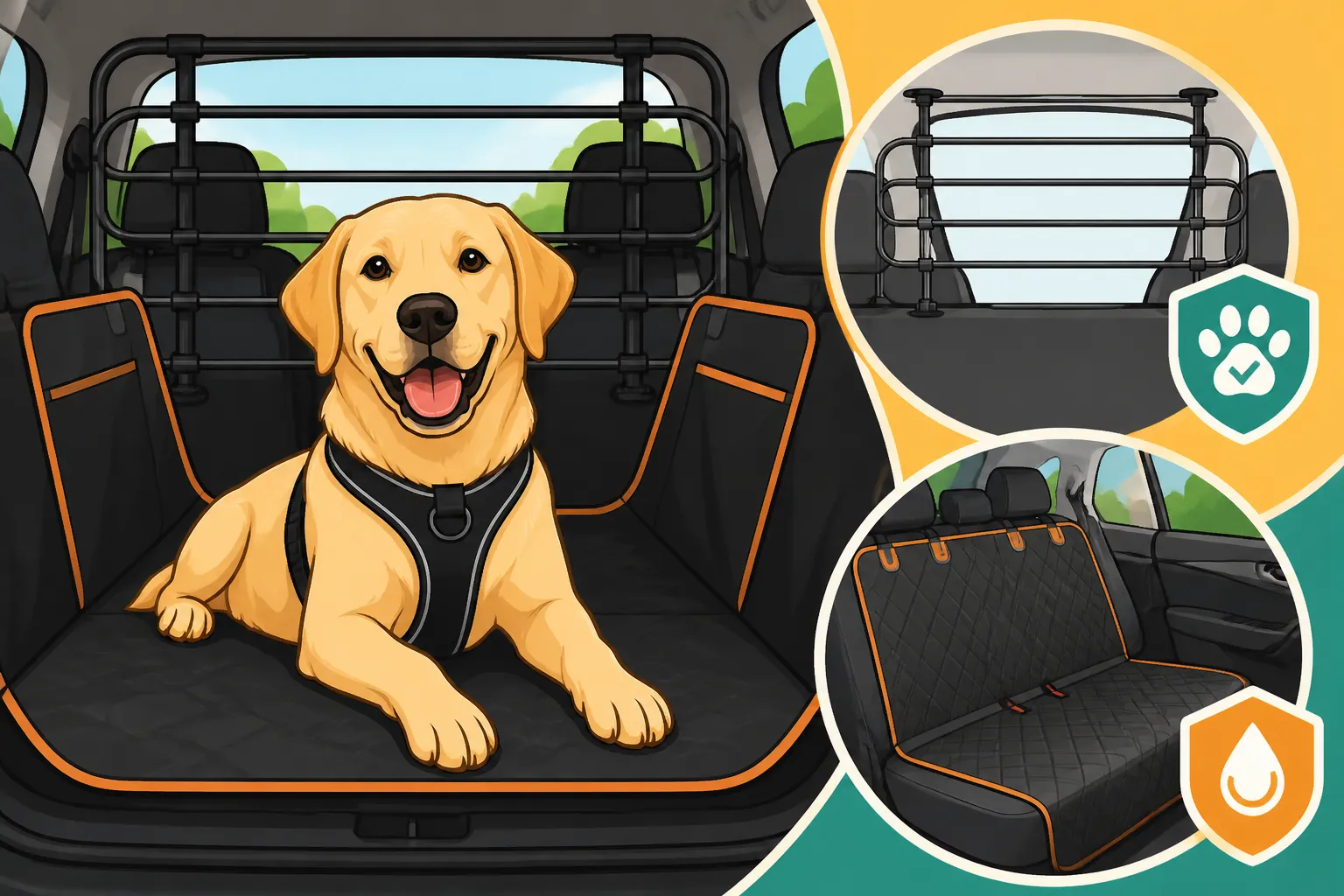
Car Barriers and Seat Covers for a Labrador
Bringing your beloved Labrador along for a car ride, whether it’s a quick trip to the dog park or a cross-country adventure, is one of the joys of dog ownership. However, many of us face the frustrating reality of muddy paw prints, shed fur everywhere, and a wiggly, excited dog who just can’t seem to settle down, creating a significant safety hazard. This guide is here to help you navigate the many options for car barriers and seat covers, ensuring your Labrador travels safely and comfortably, while also protecting your vehicle from the inevitable mess.
Why Keeping Your Labrador Secure in the Car is So Important
It’s easy to think of Fido riding shotgun as a cute movie scene, but the reality is far from it. An unrestrained Labrador, even a calm one, poses serious risks not just to themselves, but to everyone in the vehicle. Investing in proper car safety gear isn't just about convenience; it's about responsible pet ownership and protecting lives.
Safety for Your Dog and Everyone Else
Imagine hitting the brakes suddenly because a deer darts out onto the road. An unrestrained Labrador, even a medium-sized one, becomes a projectile. The force generated by a dog weighing 70 pounds at just 30 mph is incredible, equivalent to thousands of pounds of impact force. This isn't just a danger to your dog, who could suffer severe or fatal injuries, but also to human occupants. A dog hurled forward can seriously injure or even kill passengers.
Beyond collision scenarios, a loose Labrador can be a major distraction. They might jump into the front seat, block your view, or interfere with your driving by nudging your arm or trying to get your attention. Even a quick glance at your dog can be enough to miss something critical on the road. Securing your Labrador in the back seat with an appropriate barrier or crate significantly reduces these distractions, allowing you to focus on driving and keep everyone safe. It also means that if you open a door, your excited Labrador isn't immediately jumping out into traffic or bolting away.
Protecting Your Vehicle's Interior
Let's be honest, Labradors are masters of mess. Their double coats shed year-round, and a wet, muddy adventure often means a transfer of dirt and grime straight into your car’s upholstery. Without protection, your car's interior can quickly become stained, scratched, and permeated with that distinct "dog smell." Hair can weave itself into fabric, making it nearly impossible to remove, and excited claws can easily tear leather or vinyl seats.
Beyond the fur and dirt, slobber and accidental spills are also a concern. A drooling Labrador after a run, or a car-sick pup, can leave quite a mark. Seat covers and cargo liners act as a crucial barrier, containing the mess and making cleanup a breeze. They preserve your car's resale value and keep your daily commute from feeling like you're driving a mobile kennel, which is a big deal when you spend a lot of time transporting your furry friend.
Legal and Insurance Considerations
While laws vary widely by state, province, or even municipality, an increasing number of jurisdictions are implementing laws regarding pet restraint in vehicles. These range from "distracted driving" laws that can be applied to loose pets, to specific statutes requiring dogs to be harnessed or caged. Failing to comply could result in fines, and in some serious cases, even animal cruelty charges if your dog is injured due to lack of restraint.
From an insurance perspective, if your dog causes an accident by distracting you, or if they are injured while unrestrained, your insurance company might deny certain claims. While pet insurance providers like Healthy Paws can help with unexpected veterinary costs, these policies typically do not cover injuries sustained due to negligence, which could include failing to properly restrain your dog in a vehicle. Always check local regulations to ensure you're compliant, and remember that safety should be the primary motivation, regardless of the law.
Navigating the World of Car Barriers for Labradors
Once you’re convinced of the "why," the "how" becomes the next big question. Car barriers are designed to keep your Labrador safely confined to the back of your vehicle, preventing them from accessing the front seats. There's a surprising variety of options, each with its own benefits and drawbacks.
Mesh and Fabric Barriers
These barriers are typically made from durable, yet flexible, mesh or fabric materials. They attach to the headrests of the front seats and often include straps that secure them to the floor or sides of the vehicle.
Pros:
- Affordable: Generally the most budget-friendly option.
- Lightweight and Portable: Easy to install, remove, and store when not in use.
- Good Visibility: The mesh design allows you and your Labrador to see each other, which can reduce anxiety for some dogs.
- Gentle: Less likely to cause injury if your dog bumps into it compared to harder materials.
- Versatile: Many designs can fit a wide range of vehicles, from sedans to SUVs. You can find a good selection of these types of barriers on sites like Chewy.
Cons:
- Less Robust: While they deter most Labradors, a determined or anxious dog might be able to chew through or push past a fabric barrier, especially if not securely installed.
- Limited Protection: They offer minimal physical protection in a severe collision compared to a hard crate or metal barrier.
- May Sag: Over time, or with a very active dog, some fabric barriers can sag, creating gaps.
For a Labrador who is generally calm in the car and just needs a gentle reminder to stay put, a mesh or fabric barrier can be a perfect, cost-effective solution. However, if your Labrador is a known escape artist or prone to high anxiety and chewing, you might need something more substantial.
Metal Bar Barriers and Grids
These are typically constructed from metal tubing or wire mesh and are designed to provide a more rigid and secure partition between the front and back of your vehicle. They often extend from the floor to the ceiling or attach securely to headrests, creating a strong cage-like enclosure.
Pros:
- Maximum Security: Far more difficult for a Labrador to push past or chew through. They provide excellent containment.
- Durable: Built to last, resisting wear and tear from even the most energetic Labradors.
- Better Protection: Offers a more substantial barrier in the event of a sudden stop or minor impact.
- Adjustable: Many models are adjustable in height and width to fit various vehicle sizes, including larger SUVs and minivans.
Cons:
- More Expensive: Generally a higher upfront cost than fabric options.
- Heavier and Bulkier: Can be more cumbersome to install and remove, and takes up more storage space when not in use.
- Reduced Visibility: The bars can somewhat obstruct your rear view, depending on the design. Your dog might also feel more confined.
- Potential for Noise: If not installed tightly, they can sometimes rattle, which can be annoying on long drives.
Metal bar barriers are an excellent choice for Labradors who are particularly energetic, anxious, or if you simply want the highest level of containment and vehicle protection. They offer peace of mind, knowing your robust Labrador is securely kept in the cargo area or back seat.
Crate vs. Barrier: Which is Best?
This is a common dilemma for Labrador owners. Both crates and barriers serve to contain your dog, but they do so in different ways and offer distinct advantages.
Crates: Crates, whether wire, plastic, or even collapsible soft-sided versions, offer the most secure method of travel for many dogs. A properly sized, crash-tested crate secured in the cargo area provides the best protection in a collision. It also offers a familiar, den-like space for your Labrador, which can be very comforting for dogs who are already crate-trained. However, crates take up significant space, can be heavy, and some Labradors might find them too confining for long journeys. You'll need to consider the size of your vehicle's cargo area when choosing. For ideas on appropriate sizes, see "What Size Crate a Labrador Needs".
Barriers: Barriers, as discussed, keep your dog in a larger area of the vehicle – typically the entire back seat or cargo area – but don't offer the same level of physical protection in a crash as a dedicated crash-tested crate. They are generally easier to install and remove, and allow your Labrador more room to stretch out, lie down in different positions, and see out the windows. This can be a huge benefit for dogs who get antsy in a smaller crate.
The best choice often depends on your Labrador’s temperament, your vehicle, and the type of travel you do. For everyday short trips, a barrier might be perfectly adequate. For long road trips, or if your Labrador is anxious or prone to motion sickness, a crate might offer more comfort and security. Some owners even combine the two, using a barrier to section off a large cargo area where a smaller, secure crate is placed, giving the dog a 'room' within the car.
Choosing the Right Seat Covers and Cargo Liners
While barriers address the safety aspect of keeping your Labrador contained, seat covers and cargo liners tackle the inevitable mess. These products are your first line of defense against fur, dirt, slobber, and even the occasional accident.
Material Matters: Durability and Cleanliness
The material of your seat cover or cargo liner is crucial for both protection and ease of cleaning.
- Neoprene/Rubberized: These materials offer excellent waterproofing, making them ideal for wet, muddy Labradors. They are durable, wipe clean easily, and provide some grip, preventing your dog from sliding around too much. However, they can sometimes be less breathable and might feel hot in direct sun.
- Canvas/Heavy-Duty Fabric: Many seat covers use rugged canvas or similar durable fabrics. These are often treated to be water-resistant (though not fully waterproof) and are excellent at trapping fur and dirt. They are breathable and comfortable for your dog, and typically machine washable. Look for options with a non-slip backing to keep them in place.
- Quilted/Padded: These covers offer extra comfort for your Labrador, which can be particularly beneficial for older dogs or those with joint issues. The quilting helps to contain fur and provides a soft surface. They are usually made from a durable fabric blend and are often machine washable.
- Fleece/Microfiber: While soft and comfortable, these materials are less durable and less waterproof than other options. They are best for short, dry trips with a clean dog, but less ideal for full-on Labrador adventures.
When browsing online retailers like Chewy, pay close attention to the material descriptions and customer reviews regarding durability and how well they stand up to a persistent Labrador. Some covers also offer side flaps to protect the often-overlooked sides of your seats when your dog jumps in and out.
Fit and Coverage for Your Labrador's Needs
The best material in the world won't help if the cover doesn't fit your vehicle properly or provide adequate coverage for your Labrador’s specific habits.
- Bench Seat Covers: These are designed for the entire back bench seat. Some are simple flat sheets that drape over, while others are hammock-style, attaching to both the front and rear headrests. Hammock covers are incredibly popular for Labradors, as they prevent your dog from falling into the footwell during sudden stops and create a contained space, almost like a soft-sided barrier. They also offer excellent protection for the back of the front seats.
- Bucket Seat Covers: If your vehicle has separate bucket seats in the back (e.g., some larger SUVs), you'll need individual covers or a modular system.
- Cargo Liners: For SUVs, wagons, or hatchbacks where your Labrador rides in the cargo area, a full cargo liner is essential. These can range from simple mats to liners that cover the floor, side walls, and even the back of the rear seats when folded down. Some have a bumper flap to protect your car's paint from scratches when your dog jumps in or out.
- Door Protectors: Don't forget your doors! Many Labradors love to lean against the window or scratch at the door panel in excitement. Door protectors, often made of durable fabric or plastic, can snap into place or attach with suction cups, preventing scratches and dirt from ruining your interior.
Consider how your Labrador typically rides. Do they like to look out the window? Do they pace a lot? A hammock cover will contain fur and dirt effectively, while a full cargo liner with side protection might be necessary if your Lab likes to spread out in the back of your SUV.
Special Features to Look For
Beyond basic materials and fit, some features can make a big difference in the user experience for both you and your Labrador.
- Non-Slip Backing: This is critical. A cover that slides around is uncomfortable for your dog and offers less protection for your seats. Look for silicone dots, rubber backing, or anchors that tuck into the seat crevice.
- Seatbelt Openings: If your Labrador uses a seatbelt harness (a great safety feature, especially when combined with a barrier!), ensure the cover has openings that align with your car’s seatbelt buckles. This allows you to securely clip in their harness without compromising the cover.
- Zippered Sections: Some hammock covers feature a zipper down the middle, allowing a portion to be folded down so a human passenger can sit in the back alongside your Labrador.
- Storage Pockets: Handy for stashing leashes, waste bags, or small toys, keeping essentials organized and within reach.
- Easy to Clean: Machine washable covers are a godsend. For rubberized or waterproof liners, the ability to simply hose them down is a huge plus. Knowing how to maintain your gear will save you a lot of hassle.
When selecting covers and liners, think about your lifestyle and your Labrador's unique personality. If you take your Labrador on many adventures where they get wet or muddy, prioritize fully waterproof and easily hose-down options. If they simply shed a lot, a heavy-duty, machine-washable fabric might be sufficient.
Making the Best Choices for Your Labrador and Your Ride
With so many options, finding the absolute perfect car safety gear for your Labrador can feel a bit overwhelming. But by considering a few key factors about your dog, your vehicle, and your typical travel habits, you can narrow down the choices significantly.
Assessing Your Labrador's Travel Habits
Every Labrador is an individual, and their car behavior will heavily influence what gear works best.
- Anxiety Levels: Does your Labrador get anxious in the car? If so, a familiar crate might offer more comfort and security than an open barrier. For tips on helping your dog with car rides, check out "Getting a Labrador Comfortable in the Car".
- Chewing Tendencies: If your Lab is a notorious chewer, especially during their adolescent phase, a fabric barrier might not stand a chance. A metal barrier or a hard-sided crate would be a safer bet.
- Activity Level: A super high-energy Labrador might benefit from the added containment of a metal barrier to prevent them from attempting to climb into the front or move around excessively. Before any car trip, ensure your Labrador has had plenty of exercise, as a tired Lab is generally a calm Lab. See "Exercise a Labrador Needs Each Day" for ideas.
- Size and Weight: While most Labradors are fairly standard in size, a very large or stout Labrador might put more stress on a barrier than a smaller, leaner one. Ensure any barrier or crate is rated for your dog's size and weight.
- Hair and Dirt Output: Let's face it, Labradors shed. A lot. Especially during their "coat blowing" seasons. If your Lab is a prodigious shedder, prioritize covers that are easy to clean and effectively trap fur. Similarly, if they're often muddy, waterproofing is key.
Matching Gear to Your Vehicle Type
Your car is just as important a factor as your dog when choosing car safety equipment.
- SUVs, Wagons, and Hatchbacks: These vehicles often have spacious cargo areas, making them ideal for larger crates or full cargo liners combined with metal barriers. This configuration gives your Labrador ample space while keeping them secure.
- Sedans and Coupes: In smaller vehicles, your Labrador will likely need to ride in the back seat. Here, a hammock-style seat cover combined with a fabric or tension-mounted metal barrier is usually the most practical solution. A crash-tested seatbelt harness can also be used, clipping into your car's existing seatbelts.
- Trucks: For truck beds, a securely bolted-down, heavy-duty kennel is the only safe option. Never let a Labrador ride loose in an open truck bed. For the cab of a truck, the considerations are similar to sedans or SUVs, depending on the cab style.
Always measure your vehicle’s interior dimensions before purchasing any large items like crates or rigid barriers. You want a snug fit that doesn't obstruct your view or interfere with airbags.
Installation, Maintenance, and Beyond
Getting the gear is only half the battle. Proper installation and regular maintenance are crucial for its effectiveness and longevity.
- Read the Instructions: It sounds obvious, but thoroughly read and follow the manufacturer's installation instructions for all barriers and covers. Improper installation can render safety features useless and create new hazards. Check regularly for loose straps or connections.
- Regular Cleaning: To keep your car fresh and your gear hygienic, clean covers and liners regularly. Most fabric options are machine washable, while rubberized ones can often be hosed down. For quick cleanups between washes, a good dog hair vacuum or a lint roller can work wonders.
- Introduce Gradually: Don't just throw your Labrador into a newly outfitted car and expect them to love it. Introduce new barriers or covers gradually, with positive reinforcement. Let them sniff and explore the new items. Take short, pleasant trips to associate the gear with good experiences. For some dogs, this might be part of the broader effort to prevent things like Separation Anxiety in Labrador Retrievers if car travel is a frequent stressor.
- Consider a First Aid Kit: While not directly a car barrier or cover, keeping A First Aid Kit for a Labrador Retriever in your vehicle is essential for any travel, especially if you venture off the beaten path.
- Long Trips: For extended travel, remember to plan for breaks, water, and potty stops. Even with the best gear, your Labrador will need to stretch their legs and relieve themselves. See "Road Trips and Travel With a Labrador" for more tips.
Choosing the right car barriers and seat covers is an investment in your Labrador's safety, your car's cleanliness, and your peace of mind. With the right setup, every journey with your furry co-pilot can be a comfortable and secure adventure.
| Feature / Type | Fabric/Mesh Barrier | Metal Bar Barrier | Hammock Seat Cover | Cargo Liner |
|---|---|---|---|---|
| Primary Purpose | Containment | Containment, Security | Seat Protection, Some Containment | Floor/Side Protection |
| Material | Nylon, Polyester Mesh | Steel, Aluminum | Canvas, Quilted Fabric, Neoprene | Rubber, TPE, Fabric |
| Installation | Straps to Headrests, Buckles | Tension Rods, Headrest Mounts, Bolted | Straps to Headrests | Lays Flat, Adhesive Strips |
| Security/Safety | Moderate (deterrent) | High (physical barrier) | Low (no crash protection) | Low (no crash protection) |
| Ease of Cleaning | Wipe down, some machine wash | Wipe down | Machine wash, wipe down | Hose down, wipe down |
| Visibility | Good | Moderate (bars can obstruct) | Good (dog sits on it) | Not applicable |
| Vehicle Type Best Suited | All (back seat/cargo) | SUV, Minivan (cargo area) | All (back seat) | SUV, Wagon, Hatchback (cargo) |
| Approx. Cost Shape | Lower end | Mid to higher end | Lower to mid end | Mid to higher end |
Disclaimer
This article is for general informational purposes only and does not constitute professional advice. Laws, prices and regulations vary by location and change over time. Consult a qualified professional for guidance on your specific situation.