Microchipping a Labrador and What It Costs
The sheer terror of realizing your beloved Labrador, usually so devoted, has slipped out of the gate or bolted after a squirrel is a feeling no dog owner ever wants to experience. Despite our best efforts, collars can break, tags can fall off, and even the most well-trained Lab can get disoriented. This guide is all about giving you peace of mind and your furry friend the best chance of coming home by demystifying microchipping for your Labrador, covering what it entails, what it costs, and why it's such an indispensable tool for every responsible owner.
Why Microchipping Your Labrador Is So Crucial
It’s easy to think, "My Lab would never get lost!" or "They're always on a leash!" But life happens. A sudden loud noise, an unfamiliar scent, or even a determined pursuit of a rogue squirrel can send your Labrador far from home in a blink. Microchipping isn't a replacement for a collar and ID tags, but it's the ultimate backup plan – a permanent identification method that dramatically increases the chances of a happy reunion if the unthinkable occurs.
The Unthinkable: When a Labrador Goes Missing
Imagine the scene: you're enjoying a walk in a new park, or perhaps you're visiting family, and your Labrador, with its incredible nose and boundless enthusiasm, picks up a scent and is gone. The panic that sets in is immediate and overwhelming. Even a well-trained Labrador, one who usually has perfect recall, can become disoriented or too focused to respond when a strong instinct takes over. Their curiosity and energy, wonderful traits in everyday life, can become liabilities if they wander. The grief and anxiety that washes over owners in such situations are profound, making every second feel like an eternity. Having a solid plan for reunion is not just practical, it’s a mental lifeline.
Microchips as Permanent Identification
Unlike a collar and tags, which can easily come off, get snagged, or become unreadable, a microchip is a tiny, passive radio-frequency identification (RFID) device, about the size of a grain of rice, that is implanted just under your Labrador’s skin, typically between their shoulder blades. This little chip holds a unique identification number that can be read by a special scanner. It doesn't have a battery, doesn't transmit GPS signals, and won't wear out. It's a permanent piece of identification that stays with your dog for life, silently waiting to be read if they ever find themselves lost and picked up by a shelter, vet clinic, or animal control officer. Think of it as an unloseable ID card for your Lab.
The Statistics: Microchipped Dogs Get Home
The numbers don't lie. Studies have consistently shown that microchipped dogs are significantly more likely to be reunited with their families than those without a chip. For a Labrador, a breed known for its friendly nature and often ending up in shelters if found, this permanent ID can be the difference between a temporary scare and a tragic loss. Animal shelters and veterinary clinics across the country are equipped with universal scanners that can read nearly all types of microchips. When a lost dog comes in, one of the first things they do is scan for a chip. If one is found, and the information is correctly registered and up-to-date, a call can be made, and the journey home begins. This simple, one-time procedure offers an invaluable safety net for your family member.
The Microchipping Procedure for Your Labrador
The idea of implanting something under your dog's skin might sound intimidating, but the reality is that microchipping is a quick, safe, and relatively painless procedure. It's truly one of the most straightforward and impactful things you can do for your Labrador's safety.
What Happens at the Vet's Office
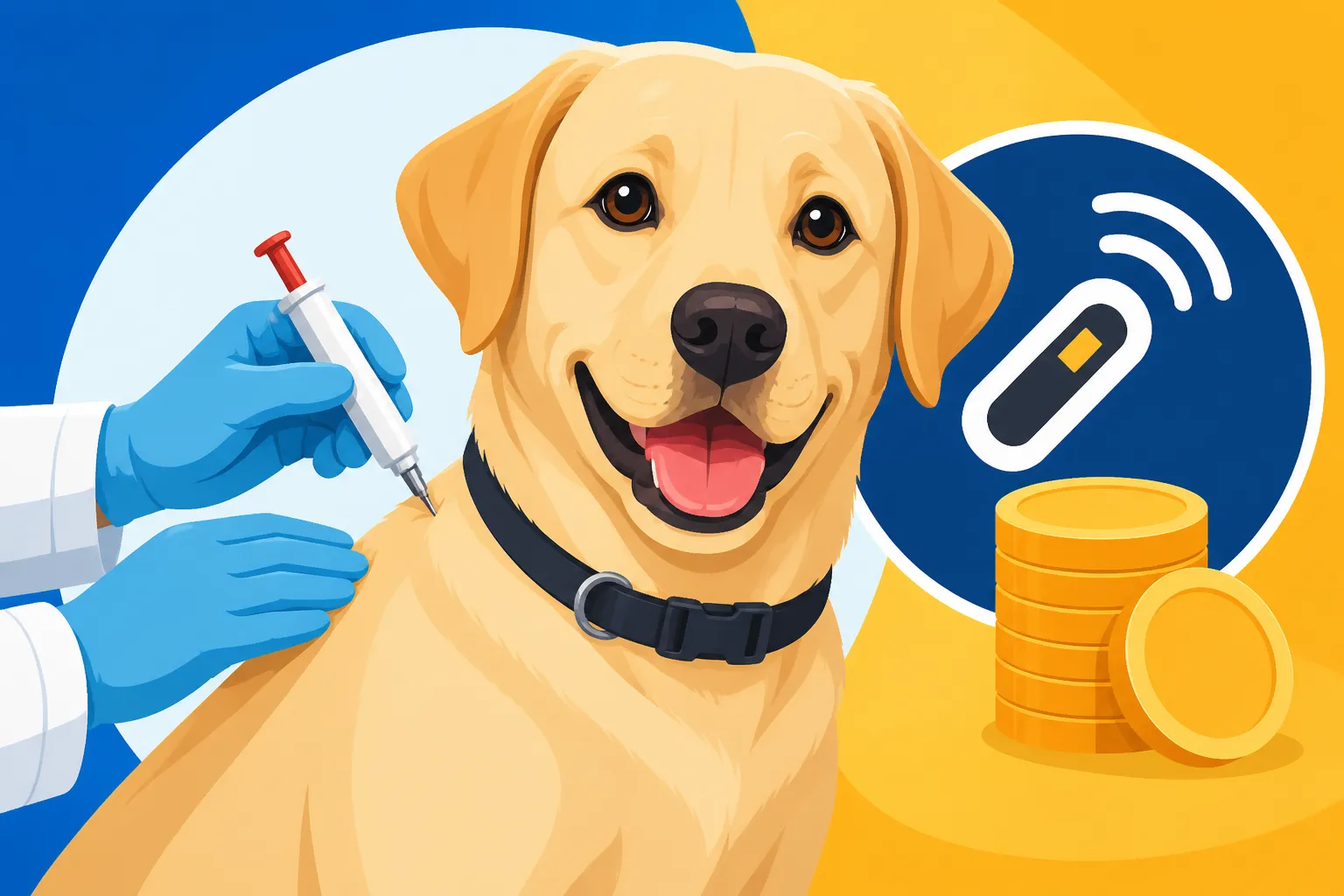
When you take your Labrador to the vet for microchipping, the process itself is remarkably swift. Your veterinarian or a trained veterinary technician will use a special, slightly larger needle than a typical vaccination needle to inject the tiny microchip under the skin, usually right between the shoulder blades. Most dogs react to it no more than they would to a routine vaccine shot – perhaps a momentary yelp, a quick glance, and then they're looking for a treat. There's no anesthesia required, no stitches, and no downtime. Your Labrador can go right back to their normal activities, probably none the wiser that they now carry a permanent identifier that could save their life. This is often an easy addition to their Routine Vet Spending on a Labrador.
Registering and Maintaining Your Chip Information
Here's the critical part that many owners overlook: the microchip itself is just a number. It's only useful if that number is linked to your current contact information in a national pet recovery database. Your vet clinic will usually provide you with the chip's unique ID number and information on how to register it. Some clinics even register it for you as part of the service. You'll typically enter your name, address, phone numbers (home and mobile), and email address.
It is absolutely paramount that you register this chip immediately and keep your information updated if you move, change phone numbers, or even if your Labrador goes to a new home. An unregistered chip is as useless as no chip at all. Many pet insurance providers, like Healthy Paws, emphasize the importance of preventative care and identification, recognizing that a lost pet is a common cause of distress. While they won't cover the microchip itself, maintaining your pet's health records and identification aligns with responsible ownership. Regularly checking your registration status online is a small but vital habit that ensures the chip can do its job effectively.
Checking Your Labrador's Microchip Regularly
While microchips are designed to stay in place, in very rare instances, a chip might migrate slightly from its original implantation site or, even more rarely, fail. To ensure your Labrador's microchip is always working and detectable, it's a good idea to ask your veterinarian to scan it during their annual check-ups. This simple scan takes mere seconds and confirms the chip is still present and readable. It's a quick reassurance that your backup identification system is fully operational. This is a simple request that can be added to any visit, even when you're just getting their Labrador Vaccination and Parasite Schedule updated.
Understanding the Cost of Microchipping a Labrador
One of the best things about microchipping is that it’s an incredibly affordable one-time investment for a lifetime of security. Compared to many other pet expenses, it barely registers, yet the peace of mind it offers is priceless.
Typical Costs at a Veterinary Clinic
Generally, the cost of microchipping your Labrador at a private veterinary clinic is quite reasonable. This fee usually covers the microchip itself and the professional service of implanting it. While specific numbers vary widely by location and clinic, you're looking at a relatively small, one-time payment. It's a testament to its value that such a crucial safety measure comes with such an accessible price tag. When you're considering the Annual Cost of Keeping a Labrador Retriever, microchipping is truly a drop in the bucket that can prevent a much larger emotional and financial burden if your dog goes missing. Many breeders will even microchip puppies before they go to their new homes, so it's a great question to ask when you're speaking to a potential breeder.
Low-Cost Clinics and Community Events
For those looking to save a bit of money, or who might be bringing home an adult Labrador who isn't chipped, there are often even more affordable options available. Many local humane societies, animal shelters, and rescue organizations offer low-cost microchipping services, sometimes at a reduced fee or even free during special community events. These initiatives aim to make microchipping accessible to as many pet owners as possible, recognizing its profound impact on pet safety. Keep an eye on local animal welfare groups’ websites or social media for information on upcoming clinics. Adopting a Labrador from a rescue, for instance, means they are almost always already microchipped as part of their adoption package, which is a fantastic bonus when considering Adopting a Labrador From Rescue.
Registration Fees and Database Choices
Once your Labrador is chipped, the next step is registering that chip number with your contact information. This is crucial! Some microchip companies include the initial registration fee in the cost of the chip and implantation, offering a free lifetime registration. Others might charge a small, one-time fee for lifetime registration, or offer optional annual memberships for additional services like lost pet alerts, personalized tags, or emergency contacts.
It's important to understand what your chosen chip provider offers. Always confirm whether the initial registration is covered and what, if any, ongoing fees might apply for keeping your information updated or using premium features. Even if there's a small annual fee, it's typically negligible compared to the incredible value of knowing your Lab has a permanent identifier. For instance, while you might carefully budget for your Labrador's food from services like Ollie or supplies from Chewy, don't skimp on ensuring your microchip information is always current and easily accessible to those who might find your lost pet. This minimal expense is key to leveraging the chip's full potential.
Beyond the Chip: What Else Helps Bring a Lost Labrador Home
While a microchip is an invaluable tool, it's part of a multi-layered approach to keeping your Labrador safe. Combining permanent identification with visible ID and community awareness significantly boosts the chances of a happy reunion.
Current ID Tags and Collars
Never underestimate the power of a simple collar and ID tags. These are your Labrador's first line of defense if they get lost. A tag with your current phone number (and perhaps your address) allows anyone who finds your dog to contact you immediately, often before they even need to involve a vet or shelter. This is crucial, as a good Samaritan might not think to take a dog to a vet for scanning right away, but they will likely call the number on the tag. Make sure the tags are securely fastened, the information is legible, and it's always up-to-date. Consider an engraved tag or a tag that slips onto the collar, which might be less prone to falling off.
Photos and Descriptive Information
It's a digital age, and clear photos are a powerful tool for finding a lost pet. Always have several recent, clear photos of your Labrador readily available on your phone or computer. Include various angles and show any unique markings or features. Beyond photos, keep a detailed written description of your Lab – their approximate weight, height, distinctive habits, and any specific commands they respond to. This information is critical for creating "lost dog" posters, sharing on social media, and providing to local shelters and vets. Having this ready also helps calm you in the midst of a crisis, allowing you to act quickly. Preparing for such emergencies is just as important as setting up an How Big an Emergency Fund a Labrador Needs.
Community Networks and Local Resources
If your Labrador does go missing, immediate and widespread action is key. Local lost pet Facebook groups, neighborhood apps, and community bulletin boards can be incredibly effective. Contact all local animal shelters, humane societies, and veterinary clinics in your area and beyond, providing them with your Labrador's description and microchip number. Even if your Labrador is microchipped, they still need to be scanned. A robust community network can help spread the word quickly and efficiently. Thinking about preparedness in this way is part of being a responsible owner, just like compiling A First Aid Kit for a Labrador Retriever for medical emergencies.
Microchip vs. ID Tag Comparison
| Feature | Microchip | ID Tag & Collar |
|---|---|---|
| Permanence | Permanent, implanted under skin | Can fall off, break, or become unreadable |
| Visibility | Not visible, requires a scanner | Highly visible, immediate contact possible |
| Information | Unique ID linked to owner details in database | Direct contact info on tag |
| Battery/Power | Passive, no battery needed | None |
| Cost | One-time, affordable | Small, may need occasional replacement |
| Retrieval Speed | Slower (requires scan), but reliable | Faster (direct call), if tag is present |
| Best Use | Permanent backup ID, essential safety net | First line of defense, immediate contact |
Disclaimer
This article is for general informational purposes only and does not constitute professional advice. Laws, prices and regulations vary by location and change over time. Consult a qualified professional for guidance on your specific situation.