Labradors With Other Dogs
Labrador social instincts, pack mentality, and early puppy socialization methods help owners build peaceful multi-dog households.
Work with the temperament you have.
House-training and crate work, recall, leash manners, separation anxiety, and the behaviors this breed is wired for.

Labrador social instincts, pack mentality, and early puppy socialization methods help owners build peaceful multi-dog households.
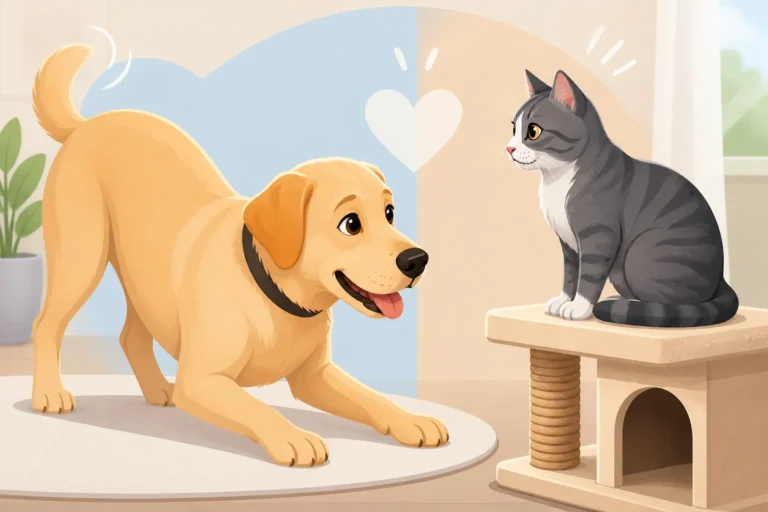
Labrador and cat introductions require understanding breed instincts, cat behavior, and home preparation steps for peaceful coexistence.
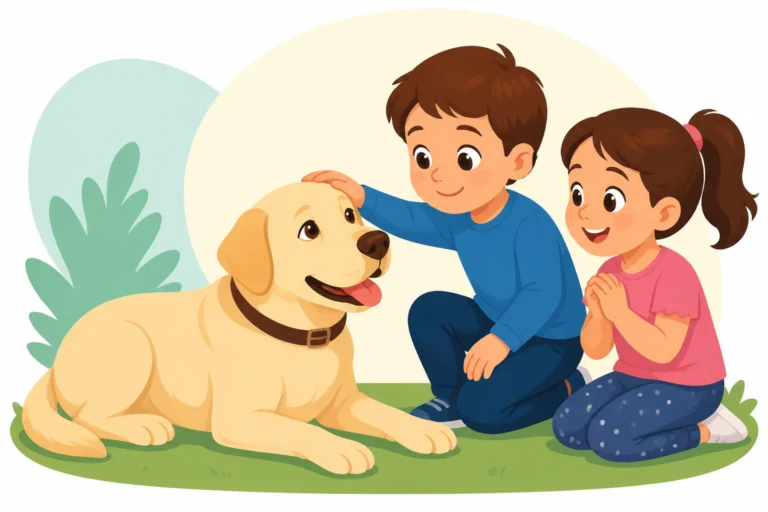
Labrador Retriever temperament traits and body language analysis help parents safely introduce big dogs to young children.
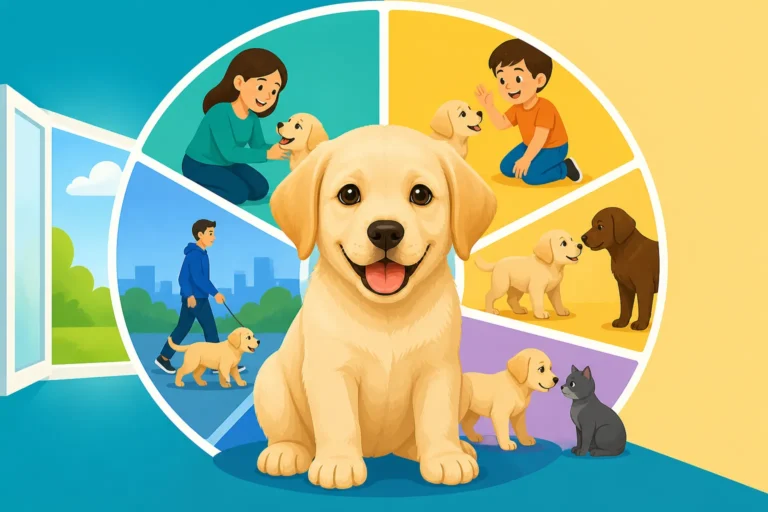
Labrador puppy socialization windows span from three to sixteen weeks, shaping confident, well-adjusted dogs through positive experiences.
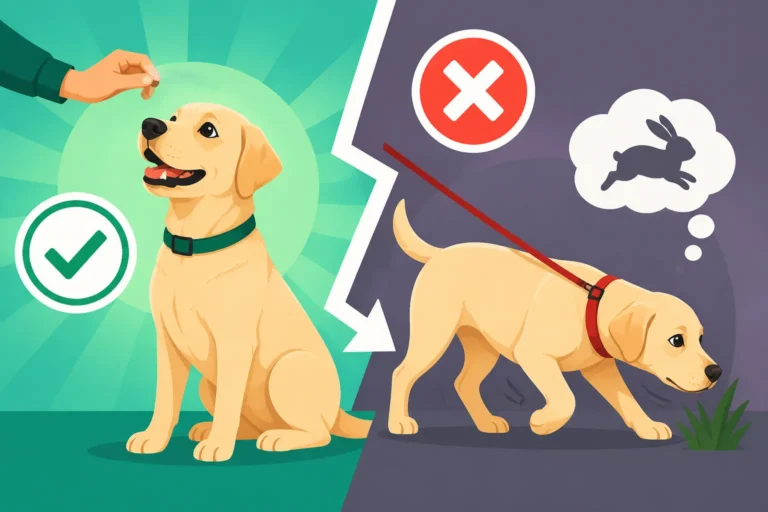
Labrador adolescent compliance drops cause sudden behavior regressions at six months because of brain changes and hormones.
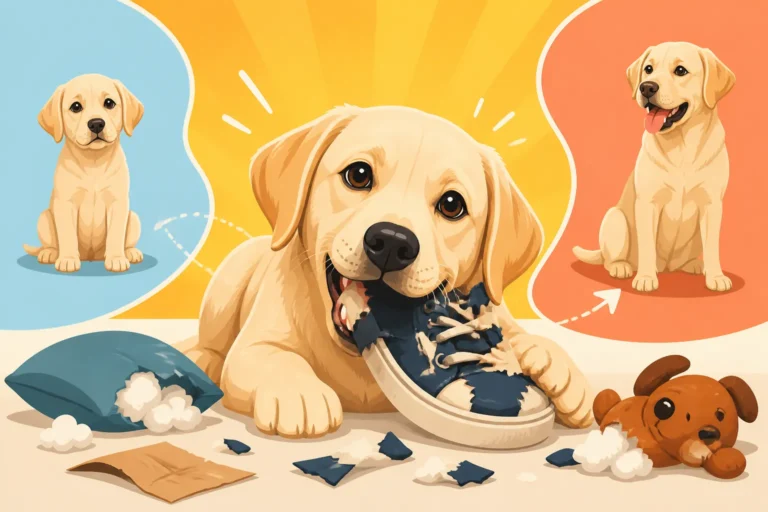
Adolescent Labrador chewing behavior stems from gum tenderness, high energy, curiosity, and strong natural retrieving instincts.

Labrador Retriever digging behavior stems from instincts, boredom, anxiety, and comfort needs, plus management strategies.

Labrador barking triggers and specific behavioral strategies explain attention-seeking, demanding, playful, and territorial vocalizations.

Labradors steal and swallow household items because genetic retrieving instincts and oral exploration drive their behavior.

Labrador counter surfing stems from genetic hunger and learned behavior, explaining why dogs steal food and how to stop it.