Introducing a Labrador to a Cat
Bringing a new Labrador into a home that already has a feline resident, or introducing a cat to your beloved Lab, can feel like navigating a minefield. You're probably picturing either a beautiful friendship or, more likely, a chaotic scene involving a barking, bounding Labrador and a terrified, hissing cat. It's a common worry, and for good reason—Labradors, with their boundless energy and retrieving instincts, can seem like a natural predator to a smaller, more reserved cat. This guide is here to walk you through the process, offering realistic steps to help your Labrador and cat learn to not just tolerate each other, but hopefully, coexist peacefully.
Understanding the Labrador and Cat Dynamic
Before you even think about putting them in the same room, it’s crucial to understand the inherent differences and potential challenges when a Labrador meets a cat. Labradors are often seen as gentle giants, but their breed traits, combined with a cat’s natural instincts, can create friction if not managed carefully.
Labrador Instincts and Temperament
Labradors were bred for retrieving. This means they have a strong innate desire to chase, catch, and bring things back, often with a soft mouth. While this is wonderful for fetching a tennis ball or a pheasant, it can translate poorly when that "thing" is a quick, darting cat. A Labrador's exuberance can be overwhelming for a cat, even if the Lab has no ill intent. They might not understand a cat's subtle body language, like a swishing tail or flattened ears, as a warning sign. Their friendly, outgoing nature can lead them to push boundaries that a cat isn't comfortable with. They love to play, and sometimes their idea of play involves a lot of enthusiastic pursuit. Understanding Labrador Temperament and Personality is key here, as individual Labs can vary, but the core instincts are usually present.
Beyond the retrieve drive, Labradors also have an incredible prey drive. While most well-socialized Labs won't see a cat as "prey" in the hunting sense, the fast movements and smaller size of a cat can trigger that chase response. It's not necessarily aggression; it's often an ingrained reaction to movement. Imagine a squirrel zipping across the yard—your Lab probably wants to give chase, right? A cat can evoke a similar response. This is why controlled introductions are absolutely paramount.
Cat Behavior and Needs
Cats, on the other hand, are often creatures of habit and territory. They are generally more solitary and value their personal space. Their natural response to a perceived threat, especially a large, boisterous dog, is often to flee, hide, or defend themselves aggressively (hissing, swatting). While some cats are incredibly bold and dog-savvy, many will find a Labrador's enthusiasm incredibly stressful. They need avenues for escape, high perches for safety, and quiet zones where they feel secure and unbothered.
A cat’s world is also highly scent-driven. Introducing a new animal means a flood of new smells that can be unsettling. Their territorial nature means they might react strongly if they feel their safe spaces are being invaded. A cat who feels trapped or cornered is more likely to lash out, which can then provoke a defensive or confused reaction from your Labrador, potentially escalating the situation. Recognizing that cats need control over their environment is crucial for a successful introduction.
Preparing Your Home for the Introduction
Successful cat-dog introductions aren't about throwing them in a room together and hoping for the best. It's about meticulous preparation, setting up safe spaces, and controlling every aspect of their initial interactions. This proactive approach dramatically increases your chances of achieving harmony.
Creating Safe Zones for Your Cat
Your cat needs to feel secure, like they have an entire kingdom dedicated solely to them where the dog cannot reach. This means vertical spaces are your best friend. Install cat shelves, tall cat trees, or even clear off the top of a bookshelf where your cat can perch far above the Labrador's reach. These high vantage points allow your cat to observe the dog from a safe distance, making them feel more in control and less vulnerable. Think about what a cat does in the wild—they climb trees to escape predators and survey their territory. You're mimicking that natural behavior indoors.
Beyond vertical space, dedicate at least one entire room as a "cat sanctuary." This room should be dog-free at all times. Equip it with their food, water, litter box, scratching post, and favorite bed. Use a baby gate or a pet gate specifically designed for cats that has a small opening for the cat to pass through but is too small for your Labrador. Alternatively, a door latch that allows the door to open just enough for the cat but not the dog works well. This safe room provides an essential retreat where your cat can de-stress, eat undisturbed, and simply be a cat without any fear of canine intrusion. Even once they seem to get along, this space should remain sacred.
Managing the Labrador's Environment
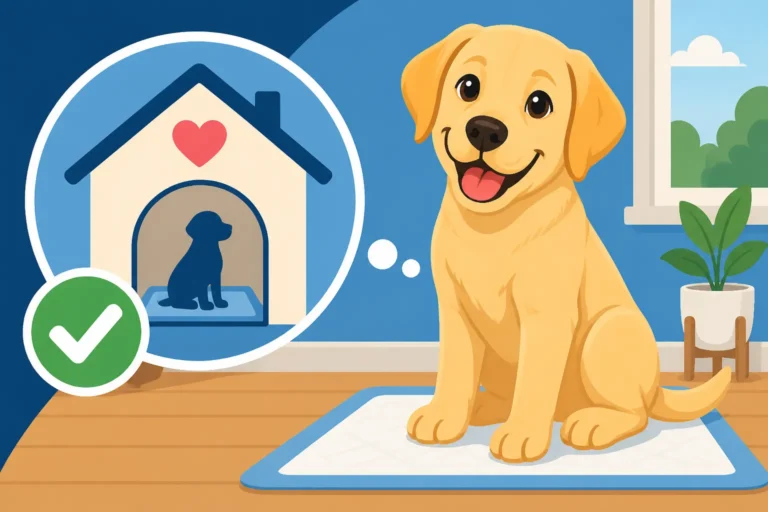
Just as your cat needs dedicated safe spaces, your Labrador needs boundaries and a structured routine to ensure they understand what's expected of them around the cat. A crate is an invaluable tool here. Not only is Crate Training a Labrador Puppy essential for house training, but it also provides a safe, comfortable den for your Lab and a critical tool for managing introductions. When your Labrador is crated, your cat can explore the common areas without fear of being chased, allowing them to sniff around and get used to the dog's scent without direct pressure.
Beyond crating, consistent obedience training is non-negotiable. Your Labrador needs to have a solid "sit," "stay," "leave it," and reliable recall. These commands will be your lifeline during initial interactions, allowing you to calmly redirect your Lab's attention or prevent unwanted chasing. Consider enrolling in an online training program like BAXTER & Bella, which offers comprehensive resources that can help you build these foundational skills. Without these controls, the risk of a negative encounter significantly increases, making it harder to build trust between your pets. Remember, a calm, obedient Labrador is a safer Labrador around smaller animals.
The Initial Meet and Greet: Controlled Encounters
Once your home is set up and both pets have their safe spaces, you can begin the actual introduction process. This is not a sprint; it's a marathon, and patience is your most important tool. Every step should be controlled, positive, and brief.
Scent Swapping First
Before they even see each other, let them get used to each other's smell. This helps them understand that there's another creature in their shared environment without the visual stimulation that can trigger fear or excitement. Take a soft cloth or an old towel and gently rub it on your cat's cheeks and sides to collect their scent. Place this scented item in your Labrador's bed or near their food bowl. Observe your Lab's reaction—curiosity is good, obsessive sniffing or growling indicates more work is needed.
Do the same for your Labrador. Rub a cloth on your Lab, especially around their neck and chest where their scent is strong. Place this cloth near your cat's food or sleeping area in their safe room. Watch your cat's response. Are they sniffing cautiously, ignoring it, or reacting with fear (hissing, swatting)? The goal is for both animals to associate the new scent with something neutral or even positive. You can even try feeding them on opposite sides of a closed door, associating the new smell with a positive experience like mealtime. This subtle exposure can significantly reduce stress when they finally lay eyes on each other.
Visual Introductions Through a Barrier
The next step involves allowing them to see each other, but only through a barrier that prevents physical contact. A baby gate across a doorway is perfect for this, or even a glass door. Ensure your Labrador is on a leash, especially if they are particularly excitable, or better yet, crated in the room during these sessions. Position your cat on their high perch or in their safe room, where they can observe the Lab from a distance. Keep these initial visual sessions very short, just a few minutes, and always end on a positive note.
During these sessions, reward both animals for calm behavior. If your Labrador lies down quietly and observes, praise them softly and give them a high-value treat. If your cat remains relaxed, not hissing or swiping, offer them a favorite treat or gentle praise. If either animal shows signs of stress (tail tucked, flattened ears, excessive barking, lunging), immediately end the session calmly and try again later for a shorter duration. The goal is positive association—seeing each other means good things happen, like treats and praise. Never force interaction or scold either animal for reacting naturally. Remember, slow and steady wins the race.
Gradual Integration: Building a Relationship
Once scent swapping and barrier introductions are going smoothly, and both pets are showing signs of calm acceptance, you can start the process of supervised, direct interactions. This is where patience truly becomes a virtue.
Supervised, Leashed Encounters
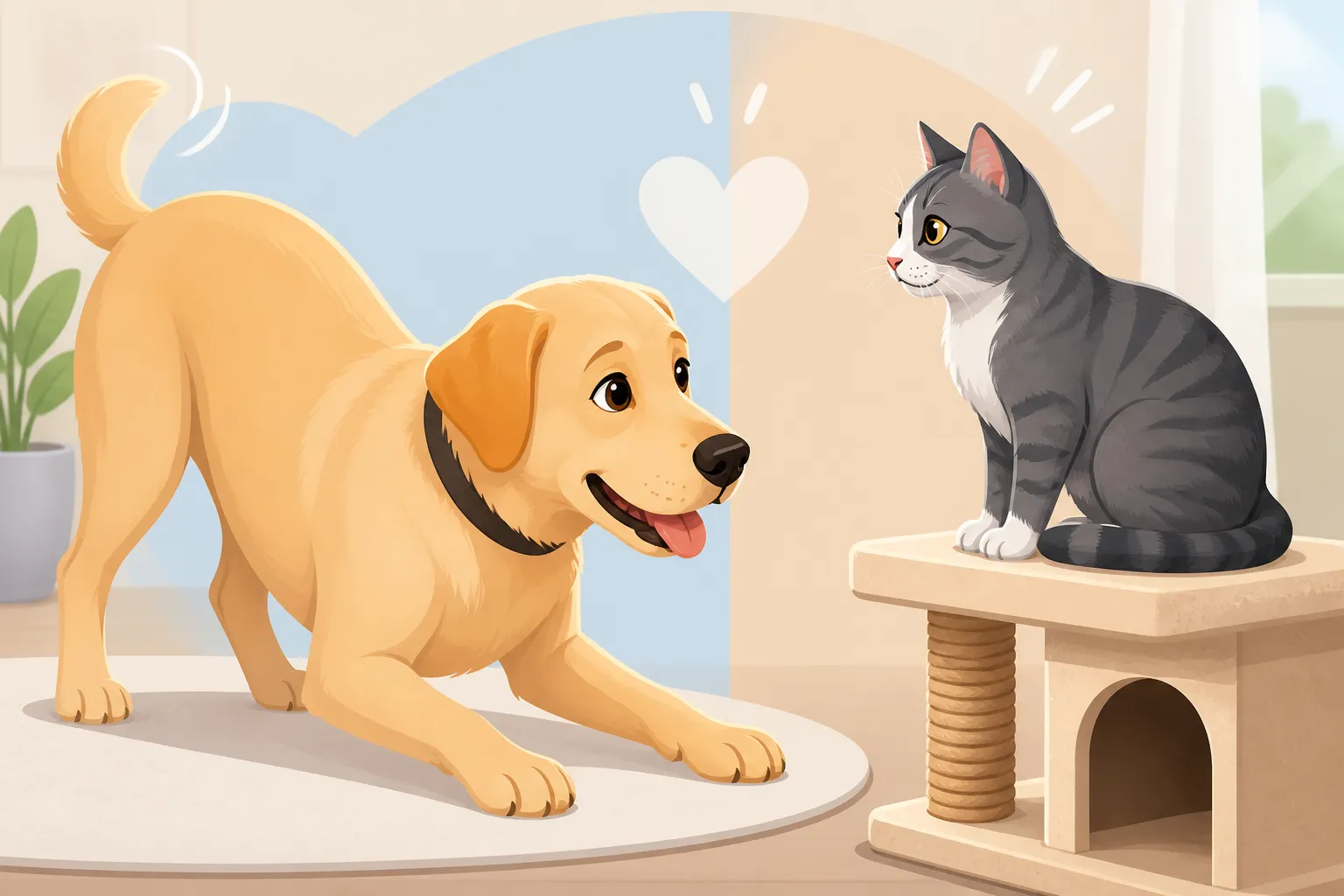
When both animals are consistently calm during barrier introductions, it's time for the first unbarred visual encounter, always with your Labrador on a leash. Choose a neutral room that isn't primarily the cat's territory. Have your Labrador on a secure leash, and ensure you have plenty of high-value treats. Have your cat enter the room, allowing them to choose their comfort level, whether that's on a cat tree, under a chair, or exploring. The key is to let the cat dictate the pace.
Your job during these sessions is to manage your Labrador. Keep the leash loose, allowing some freedom of movement but ready to intervene. If your Lab starts to stare intently at the cat, tighten the leash slightly and gently redirect their attention with a "watch me" command or a treat. If they attempt to chase, immediately block them, give a firm "leave it," and move them away. Reward calm behavior like lying down, ignoring the cat, or looking at you for guidance. Keep these sessions extremely brief—just a minute or two at first—and always end before either animal becomes stressed or overstimulated. Gradually increase the duration as both pets show consistent calm.
Positive Reinforcement and Redirection
Positive reinforcement is crucial for teaching your Labrador that good things happen when they're calm and respectful around the cat. Every time your Lab looks at the cat without reacting, lies down calmly, or even just walks past without a second glance, offer praise and a treat. If your Lab shows too much interest, immediately redirect their attention to a favorite toy or a quick training exercise. A good interactive toy or a puzzle feeder from Amazon can be a lifesaver during these times, giving your Lab something engaging to focus on instead of the cat. Using a Labrador's Food Drive as Leverage is extremely effective here.
It's also essential to teach your Labrador a strong "leave it" command. This command is invaluable if your Lab fixates on the cat or attempts to chase. Practice this command regularly in different situations, so it becomes second nature. If your Lab does give chase, avoid physical punishment; instead, firmly remove them from the situation, put them in a brief "time out" (like in their crate), and then restart the session when everyone is calm. The goal is to make chasing undesirable and calm coexistence highly rewarding. This applies not just to the initial introduction, but to their entire relationship. If you see signs of Labrador Prey Drive Toward Small Animals, consistent redirection is vital.
Troubleshooting Common Issues and Ongoing Management
Even with the best preparation, you might encounter bumps in the road. It's important to know how to address common challenges and establish routines that ensure long-term harmony.
What to Do If Your Labrador Chases or Fixates
If your Labrador consistently chases the cat, even on a leash, you need to go back a few steps. Re-establish barrier introductions and work more intensively on impulse control and obedience training. A strong "leave it" command and a solid recall are non-negotiable here. Use a long line indoors for added control during supervised sessions. If the chasing is intense, consider using a head halter for temporary control, as it gives you more leverage with a strong Labrador.
Another common issue is fixation—your Labrador might not chase, but just intensely stare at the cat. This can be equally intimidating for a cat. In such cases, use the leash to gently interrupt the stare and redirect your Lab's attention with a "look at me" command and a treat. You want your Labrador to understand that the cat is simply part of the background, not something to obsess over. Never let your Labrador "herd" or corner the cat, even playfully. That's a boundary your cat will not appreciate. If you're struggling, getting professional help is always a good idea. Choosing a Trainer for a Labrador can provide valuable insights into selecting a qualified behaviorist.
Managing Food and Toy Resources
Food and toys can be major flashpoints between dogs and cats, especially with food-driven breeds like Labradors. To avoid any potential conflict, always feed your cat and Labrador in separate locations. Your cat's food should be placed in their safe room or on a high surface where your Labrador cannot access it. Labradors are notorious counter-surfers and will happily devour cat food, which can lead to digestive upset and resource guarding issues.
When it comes to toys, especially chew toys or highly prized items, supervise play closely. Labradors can be possessive, and while they might not show aggression towards humans over a toy, they might react negatively if a cat tries to approach it. If you notice any signs of Resource Guarding in Food-Driven Labradors, manage it immediately by putting away high-value items when you cannot supervise. Provide plenty of appropriate chew toys for your Labrador to minimize their interest in the cat's toys. The goal is to eliminate any competition over resources, ensuring both animals feel secure in their possessions.
Long-Term Coexistence Strategies
Even after they seem to be getting along, maintaining harmony requires ongoing effort. Always ensure your cat has easy access to their high perches and safe retreat areas. This empowers them to escape whenever they feel overwhelmed. Continue to provide your Labrador with plenty of exercise and Mental Work for a Bored Labrador to burn off excess energy and keep them mentally stimulated. A tired Lab is a good Lab, and less likely to bother a cat out of boredom. Exercise a Labrador Needs Each Day is crucial for their overall well-being and calmness.
Regularly refresh their positive associations. Give both pets treats when they are calmly in the same room, even if they're not interacting. Use praise and gentle words to reinforce calm behavior. Never leave them unsupervised until you are 100% confident in their interactions, and even then, long periods alone might warrant separating them with gates or using the cat's safe room. Understand that while some Labs and cats become best friends, for many, peaceful coexistence is a success in itself. Celebrate the small victories and don't push for more than they are comfortable with. Remember that Leaving a Labrador Home Alone safely also involves ensuring the cat is secure.
When to Seek Professional Help
Sometimes, despite your best efforts, the introduction just doesn't go as smoothly as you hoped. There's absolutely no shame in asking for professional guidance, and in fact, it's often the safest and most effective path forward for everyone involved.
Identifying When You Need a Behaviorist
You should seriously consider consulting a professional animal behaviorist or a certified positive reinforcement dog trainer if you observe any of the following persistent issues:
- Aggression: This includes actual biting, scratching, growling, hissing, or swiping with claws (from either animal) that causes injury or extreme fear.
- Extreme Fear/Stress: If your cat is constantly hiding, refusing to eat or use the litter box, or showing signs of extreme stress (e.g., excessive grooming, spraying, diarrhea) even with separate spaces.
- Relentless Chasing: If your Labrador's prey drive is so strong that they cannot be reliably redirected from chasing, even with a leash and high-value treats.
- Escalating Tension: If the interactions are not improving, or seem to be getting worse, with increased tension or negative reactions from either animal.
- Owner Overwhelm: If you feel completely overwhelmed, frustrated, and unable to manage the situation on your own.
These are not minor issues; they indicate a significant behavioral challenge that requires expert intervention. A professional can assess the specific dynamics in your home, help identify triggers, and develop a customized training plan that you might not have considered.
What a Professional Can Offer
An experienced animal behaviorist or a specialized trainer can provide invaluable assistance. They can:
- Assess Body Language: Help you accurately interpret the subtle cues and body language of both your Labrador and your cat, which can be tricky for even experienced pet owners. Often, we miss the early signs of stress or over-arousal.
- Develop a Tailored Plan: Create a step-by-step introduction and management plan specifically designed for your unique pets and home environment, taking into account their individual personalities and histories.
- Teach Advanced Management Techniques: Introduce advanced leash handling, redirection strategies, and impulse control exercises for your Labrador that might be more effective than what you've tried. They can show you how to truly "set your Labrador up for success" around the cat.
- Address Cat Behavior: Help you understand and address any fear-based or aggressive behaviors from your cat, offering environmental enrichment or desensitization techniques.
- Provide Support and Guidance: Offer ongoing support, modify the plan as needed, and give you the confidence to navigate the challenges. They can also provide a realistic outlook on what kind of relationship you can expect between your pets.
Remember, a behaviorist is not a sign of failure but a responsible choice to ensure the safety and well-being of all your beloved animals. It’s an investment in their happiness and your peace of mind. For ongoing training guidance, platforms like BAXTER & Bella provide comprehensive resources that can complement professional sessions.
Introducing a Labrador to a cat is a journey, not a destination. There will be good days and challenging ones, but with patience, consistency, and a deep understanding of both species, you can absolutely foster a home where everyone feels safe, loved, and respected. Your goal is to create a peaceful coexistence, and sometimes, that means simply two animals sharing a home without stress, even if they never curl up for a nap together.
Here’s a quick overview of what to expect during different phases of introduction:
| Phase | Key Activities | Labrador Focus | Cat Focus | Goal |
|---|---|---|---|---|
| Preparation | Create cat safe zones (high perches, dedicated room), secure crate for Lab | Solid obedience (sit, stay, leave it), crate training | Feeling secure, having escape routes | Safe, structured environment for both |
| Scent Introduction | Swap scented cloths, feed on opposite sides of a closed door | Associating new scent with positive experiences (food, calm) | Investigating new scent in safe space | Neutral or positive association with new scent |
| Visual (Barrier) | Lab on leash or in crate, cat on high perch, short sessions through gate | Calm observation, ignoring cat, taking treats, redirection | Observing Lab from safe distance, relaxed posture | Calm visual acceptance of each other's presence |
| Supervised (Leashed) | Lab on loose leash, cat free to move, short sessions, positive reinforcement | Ignoring cat, responding to "leave it," focusing on handler | Exploring, maintaining distance, no signs of fear/aggression | Calm, direct interaction without chasing or aggression |
| Gradual Freedom | Increase session length, less leash control (always supervised) | Consistently calm, ignoring cat, no fixation | Confident movement, no fear, occasional calm interaction | Peaceful coexistence, occasional calm interaction |
| Ongoing Management | Continue separate feeding, high perches, exercise for Lab, monitor behavior | Consistent good behavior, respect for cat's space | Continued confidence and security | Long-term harmony and safety for both |
Disclaimer
This article is for general informational purposes only and does not constitute professional advice. Laws, prices and regulations vary by location and change over time. Consult a qualified professional for guidance on your specific situation.