Labradors With Other Dogs
Bringing a new dog into a home where a beloved Labrador already reigns, or introducing a Labrador to an established canine family, can feel like navigating a minefield. You might worry about jealousies, territorial disputes, or just whether everyone will truly get along and live in harmony. This comprehensive guide is here to walk you through the nuances of successful multi-dog households with Labradors, offering practical advice and empathetic insights to help your furry companions become the best of friends, or at least respectful housemates.
Understanding the Labrador's Natural Social Instincts
Labradors, by their very nature, are often considered incredibly social creatures. They thrive on companionship, whether it's with their human family or other dogs. However, "social" doesn't automatically mean "gets along with absolutely every dog instantly." Just like people, Labradors have individual personalities, past experiences, and preferences that shape their interactions. Understanding these foundational elements is key to fostering a peaceful multi-dog home.
The Pack Mentality of Labradors
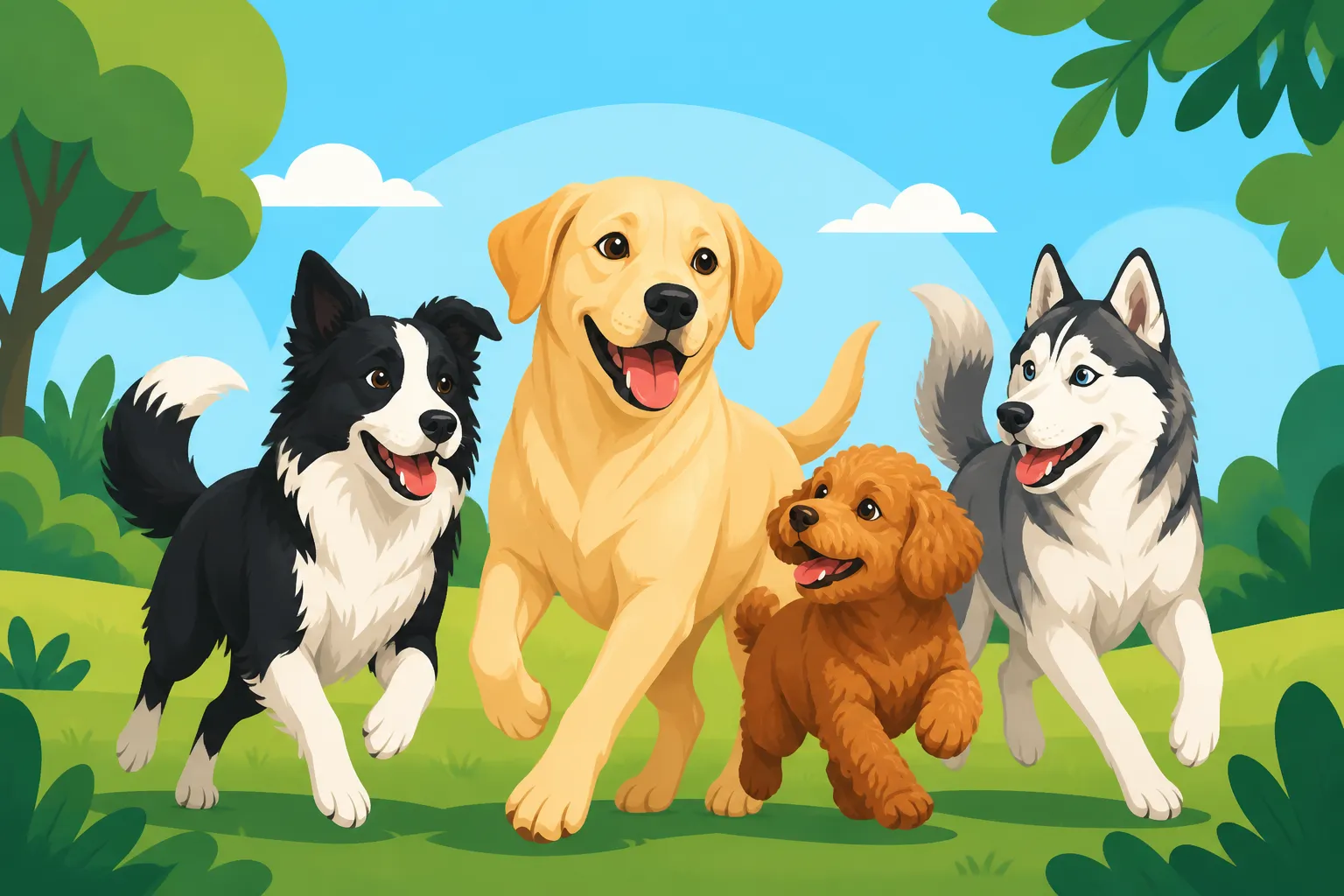
While the concept of a "pack" in domestic dogs is often misunderstood, Labradors certainly exhibit a strong desire for belonging and can easily integrate into a social group, whether that group is entirely human or a mix of species. They often look to their humans for guidance and leadership, which is a huge asset when introducing new members to the family. They typically enjoy the company of other dogs, finding joy in shared walks, play, and even just napping together. This inherent sociability is a wonderful starting point for a multi-dog household.
However, even with their generally friendly disposition, a Labrador's "pack" instincts can sometimes manifest as a desire for clear roles or, in some cases, resource guarding if not properly managed. They might try to establish dominance in playful ways, or become possessive over their favorite squeaky toy or prime napping spot. It's not usually malicious, but rather an expression of their natural drives. Recognizing these subtle cues can help you intervene positively before a minor squabble escalates into something more serious, guiding them towards respectful cohabitation.
Early Socialization and Its Impact
The foundation for a well-adjusted, dog-friendly Labrador is laid during puppyhood through thoughtful and thorough socialization. A Labrador puppy exposed to a wide variety of friendly dogs, people, sounds, and environments during their crucial Labrador Puppy Socialization Windows is far more likely to be confident and accepting of other canines later in life. This isn't just about allowing them to meet other dogs; it's about making those experiences overwhelmingly positive and structured.
A Labrador who missed out on early, positive socialization might be more reserved, fearful, or even reactive towards other dogs. They might not understand canine communication cues as well, leading to misunderstandings or anxiety when faced with an unfamiliar dog. While it's certainly possible to help an adult Labrador improve their social skills, it often requires more time, patience, and professional guidance. Ideally, a well-socialized Labrador will view other dogs as potential friends or, at the very least, benign presences in their world. If you're bringing an older rescue Labrador into your home, it's wise to ask about their prior experiences with other dogs.
Reading Labrador Body Language Around Other Dogs
Understanding what your Labrador is trying to tell you through their body language is paramount, especially when other dogs are in the picture. Labradors are famously stoic about pain and discomfort, but their body language will betray their true feelings. A relaxed, loose body, a gently wagging tail (not a stiff, high one), soft eyes, and play bows are all signs of positive, friendly interaction. They might engage in "polite" sniffing, parallel walking, or even offer a toy.
Conversely, signs of stress or discomfort include a stiff body, tucked tail, lip licking, yawning (when not tired), averted gaze, or "whale eye" (where the whites of their eyes are visible). If a Labrador is feeling threatened or about to escalate, you might see growling, snarling, raised hackles, or a hard stare. It's crucial to distinguish between boisterous play and genuine aggression or fear. Sometimes, a Labrador's enthusiasm can be overwhelming for a more timid dog, even if their intentions are good. Learning to read these signals allows you to intervene before a situation becomes problematic, redirecting or separating dogs as needed to ensure everyone feels safe and comfortable.
Introducing a New Dog to Your Resident Labrador
Bringing a new dog home, whether it's a tiny puppy or another adult, is a big deal for your resident Labrador. It's not just about a new playmate; it's about a change in their established territory, routines, and potentially, their access to your attention. A carefully managed introduction is essential to minimize stress and set everyone up for success. Rushing this process can create lasting negative associations.
Neutral Territory First Meetings
The absolute golden rule for introducing dogs is to do it on neutral territory. Your home is your Labrador's castle, and they might feel the need to defend it from a newcomer. A local park, a quiet field, or even a friend's large, enclosed yard can serve this purpose. Both dogs should be on leashes, handled by separate people, to ensure control and prevent any unplanned close encounters. Keep the leashes loose; a tight leash can communicate tension and anxiety to both dogs.
Start with a parallel walk, keeping a comfortable distance between the dogs. The goal is for them to become aware of each other's presence without direct, intense interaction. Allow them to sniff the same spots the other dog has passed, processing scents without direct pressure. Gradually, if both dogs appear calm and relaxed – loose bodies, sniffing, no stiffening or staring – you can decrease the distance. A short, supervised sniff session, then moving apart, is a great start. The first meeting should always be brief and positive, ending before either dog shows signs of stress or over-excitement. Remember, you're aiming for a positive first impression, not immediate best friends. This is especially important when Introducing a Labrador Puppy to an Older Dog, as the puppy's exuberance can overwhelm an adult.
Supervised Interactions and Controlled Environments
Once the neutral territory introductions have gone smoothly, you can move to bringing the new dog into your home, but only with strict supervision. Keep initial home interactions very brief and positive. You might use gates or crates to separate the dogs when you can't actively supervise. Ensure each dog has their own safe space – a crate, a bed, a designated room – where they can retreat and feel secure away from the other.
Every interaction should be monitored for signs of stress or escalating play. If play becomes too rough or one dog is clearly uncomfortable, gently separate them with a verbal cue like "all done" and direct them to different activities or spaces. Reward calm, polite behavior from both dogs with praise or small treats. During these early stages, avoid leaving the dogs alone together, even for a short period. Accidents happen quickly, and a negative experience early on can be hard to overcome. Think of this phase as building a foundation of trust and understanding, brick by careful brick.
Managing Resources to Prevent Conflict
One of the biggest sources of tension in multi-dog households is resource guarding. Labradors, with their well-known love of food and toys, can be particularly prone to this. It's not a flaw in their character; it's an instinctive behavior that needs careful management. To prevent issues, ensure each dog has their own separate food and water bowls, and feed them in different rooms or in their crates. This eliminates any competition over meals.
When it comes to toys, especially high-value ones, put them away when you can't supervise. Provide plenty of individual chew toys or puzzle feeders that can be enjoyed in their own designated spaces. If you're giving out treats, ensure both dogs receive one simultaneously, or one after the other, to avoid one dog feeling deprived or attempting to snatch from the other. High-value items, like a favorite squeaky toy or a coveted sleeping spot, can easily become flashpoints. By proactively managing these resources, you prevent conflicts from even starting, fostering a more peaceful environment. This proactive approach helps prevent Resource Guarding in Food-Driven Labradors from developing or escalating.
Integrating a Labrador into a Multi-Dog Household
Whether you're bringing a new Labrador into a home with existing dogs or introducing another dog to your resident Lab, the integration process takes time and consistency. It’s about establishing clear expectations, ensuring fairness, and recognizing that every dog needs individual attention and space, even within a group.
Establishing Clear Routines and Boundaries
Dogs thrive on routine and predictability. Establishing a consistent daily schedule for feeding, walks, playtime, and training helps all dogs understand what to expect and reduces anxiety. For instance, knowing when mealtime is can prevent hovering and potential squabbles around food bowls. Consistent rules apply to all dogs: if one dog isn't allowed on the couch, neither is the other. This creates a sense of fairness and prevents one dog from feeling singled out or jealous.
Boundaries are just as important. Teach your dogs cues like "place" or "bed" so they can go to their designated spots when asked, especially when there's excitement or competition for your attention. Using baby gates to create separate zones can be incredibly helpful in the early stages, allowing dogs to decompress or enjoy quiet time apart. A structured environment with clear guidelines helps all dogs, especially active Labradors, feel secure and understand their place within the household dynamic.
Fair Distribution of Attention and Resources
It's easy to accidentally favor one dog, perhaps the newer, shyer one, or the older, more demanding one. However, an imbalance in attention can breed jealousy and resentment among your canine companions. Strive to give each dog individual, focused attention every day. This might mean separate training sessions, one-on-one cuddle time, or individual walks. This reinforces their bond with you and reassures them that they are loved and valued members of the family.
Beyond individual attention, ensure all resources are distributed fairly. This includes toys, treats, and even prime napping spots. If you have multiple beds, make sure they are spread out so each dog can claim their own space without contention. When you arrive home, greet all dogs calmly and equally, rather than singling out the one who demands attention most vociferously. Fairness doesn't always mean perfectly equal amounts of everything, but rather ensuring each dog's needs are met and they don't feel constantly overlooked in favor of another.
Addressing Age and Temperament Differences
A common scenario is bringing a rambunctious Labrador puppy into a home with an older, more sedate resident dog. Or perhaps a timid rescue dog is introduced to a boisterous, confident Labrador. These differences in age and temperament require thoughtful management. Labrador Energy Level by Age can vary significantly; a young Lab might drive an older dog crazy, while a fearful dog might be overwhelmed by a typical Lab's enthusiasm.
For mismatched energy levels, ensure the younger, more energetic dog gets plenty of individual exercise and mental stimulation that doesn't involve constantly pestering the older dog. This might mean separate play sessions, longer walks, or puzzle toys that keep them engaged. For temperament differences, teach the more boisterous dog to respect boundaries, using cues like "leave it" or "enough." For a shy or fearful dog, create safe havens and ensure they can retreat without being followed. Gradually increase positive, brief interactions, always ending on a good note. It's about finding a balance where each dog's individual needs are met without compromising the comfort or well-being of the others.
Common Challenges When Labradors Live With Other Dogs
Even with the best intentions and careful introductions, multi-dog households can encounter their share of bumps in the road. Labradors, for all their wonderful qualities, are still dogs with natural instincts that can sometimes lead to conflicts or challenging behaviors when sharing a home with other canines. Recognizing these common issues early on is crucial for effective management and resolution.
Resource Guarding Behaviors
As we touched on earlier, resource guarding is a significant challenge, especially with food-motivated breeds like Labradors. This behavior isn't about malice; it's often rooted in a dog's inherent drive to protect valuable resources, which historically meant survival. A Labrador might guard their food bowl, favorite toy, a prime sleeping spot on the sofa, or even your attention. It can manifest as growling, stiffening, lunging, or even biting if another dog (or human) approaches a guarded item.
If you observe early signs of resource guarding, it’s vital to address it immediately. Continuing to feed dogs separately and putting away high-value toys when unsupervised are excellent preventative measures. For active guarding, never punish your Labrador, as this can escalate the behavior and make them more secretive or aggressive. Instead, focus on counter-conditioning and desensitization. This involves teaching your Labrador that another dog (or human approaching) predicts something good, rather than a threat to their resource. For instance, walk by their bowl from a distance and toss a high-value treat into their bowl as you pass. Gradually decrease the distance over many sessions. If guarding persists or is severe, seeking help from a professional canine behaviorist is absolutely essential. Fixing Bowl Guarding in a Labrador requires patience and a systematic approach.
Over-Exuberance and Rough Play
Labradors, particularly younger ones, are renowned for their boundless energy and often enthusiastic, sometimes clumsy, play style. This can be fantastic if their housemate is equally robust and enjoys rough-and-tumble games. However, it can become a problem if the other dog is older, smaller, more timid, or simply has a different play style. A Labrador's full-body slams, boisterous barks, and relentless chasing can easily overwhelm or even injure a less sturdy or more sensitive companion.
If your Labrador's play is too much for their housemate, you need to intervene consistently. Teach your Lab a "settle" or "enough" cue to break up play. Redirect their high energy into individual activities like a vigorous game of fetch (which can also satisfy their retrieving drive!) or a long walk. Consider providing puzzle toys from places like Amazon to give them a mental workout that doesn't involve another dog. It’s important to give the less confident or older dog a safe space where they can retreat without being bothered. Supervise all play sessions closely and ensure both dogs are enjoying themselves. If one dog is constantly trying to disengage, it's time to step in.
Jealousy and Attention Seeking
It's a common misconception that dogs don't experience jealousy, but anyone who has lived with multiple canines can attest to the subtle (and sometimes not-so-subtle) ways they vie for their human's affection. A Labrador might nudge their way between you and another dog, bark for attention when you're petting their housemate, or even act out by misbehaving if they feel overlooked. This attention-seeking behavior stems from their deep desire for connection with their human family.
To mitigate jealousy, ensure you distribute your attention fairly, as discussed before. Make a conscious effort to give each dog individual cuddle time, training sessions, and praise. When you are interacting with one dog, gently redirect the other if they try to butt in, perhaps by giving them a "place" cue and rewarding them for settling there. Don't reward the attention-seeking behavior itself. For example, if your Labrador barks while you're petting the other dog, ignore the bark until they're quiet, then reward the silence and offer a calm pet or treat. Consistency is key here; teaching them that calm, polite waiting leads to attention, rather than demanding it, will go a long way. Sometimes, a long-lasting chew toy can occupy one dog while you spend quality time with another.
Training and Management Strategies for Harmony
Creating a harmonious multi-dog household with Labradors isn't just about managing problems; it's about actively fostering positive relationships and good manners through consistent training and smart management. Just like any good team, everyone needs to know the rules and feel valued.
Reinforcing Calmness and Good Manners
In a home with multiple dogs, encouraging calm behavior is a superpower. Labradors are naturally enthusiastic, but they can certainly learn to settle down. Start by rewarding any moments of calm you observe. If your Labrador lies down quietly near their housemate, toss a small treat between them or offer gentle praise. Practicing "place" or "mat" training is incredibly beneficial. Teach each dog to go to a designated spot and stay there, even amidst distractions. This is invaluable when guests arrive, or if you need to manage excitement.
Good manners extend beyond calmness. Teach "leave it" to prevent squabbles over dropped food or toys. Reinforce loose-leash walking if you walk them together, as a tangled mess of pulling Labradors and their companions is no fun for anyone. Work on individual recall skills, so you can call each dog away from a potentially tricky situation with another dog. Consistency in training these basic behaviors builds a foundation of respect and control, making daily life much smoother for everyone.
Professional Guidance and Support
Sometimes, despite your best efforts, issues arise that are beyond your comfort zone or expertise. That's perfectly normal! There is absolutely no shame in seeking professional help. If you're struggling with persistent resource guarding, aggression, intense fear, or if the dogs simply aren't settling into a comfortable routine, a certified professional dog trainer or a veterinary behaviorist can be a game-changer. When Labrador Guarding Needs a Behaviorist is a real question many owners face.
These professionals can observe your dogs' interactions, identify the root causes of problems, and create a tailored training and management plan. They can teach you effective communication strategies and help you understand your dogs' body language more deeply. Brands like BAXTER & Bella offer online puppy programs and support that can be a great starting point, even for adult dog issues, by providing foundational training knowledge and access to resources. Don't wait until the situation becomes unbearable; early intervention can prevent minor issues from escalating into major ones, protecting the welfare of all your pets and your peace of mind.
Ensuring Individual Exercise and Mental Stimulation
It's a common trap: you have two dogs, so you assume they'll just entertain each other all day. While they do provide companionship, relying solely on inter-dog play for exercise and mental stimulation can lead to an over-reliance on each other, or worse, can lead to one dog bothering the other out of boredom. Labradors, being high-energy and intelligent, need plenty of individual outlets for their physical and mental energy.
Each Labrador, and indeed each dog in your household, needs dedicated one-on-one time with you. This might mean a solo walk around the neighborhood, a game of fetch in the park, or a vigorous swim. How Much Fetch a Labrador Actually Needs is often more than you think! Mental stimulation is equally vital; puzzle feeders, sniff walks, training sessions, or even learning new tricks can tire a Labrador out more effectively than endless physical activity. If you're busy during the day, consider Hiring a Dog Walker for a Labrador to ensure they get their individual exercise needs met. By meeting each dog's needs individually, you reduce the likelihood of boredom-induced troublemaking or inter-dog conflict stemming from pent-up energy. A tired dog, after all, is usually a well-behaved dog.
When to Seek Professional Help
Recognizing when a situation is beyond typical "dog squabbles" and requires expert intervention is critical for the safety and well-being of all pets in your home. While a little grumbling or an occasional snap over a dropped crumb might be managed with consistent training, certain behaviors signal a deeper problem that needs professional assessment.
Persistent Aggression or Fear
If you observe any form of persistent aggression between your Labradors or between your Labrador and another dog, it's time to call in a professional. This includes repeated growling, snarling, lunging, snapping, or actual bites that draw blood or break skin. It’s also crucial to seek help if one dog consistently acts fearful around the other, showing signs like constant hiding, reluctance to move, cowering, or even submissive urination when the other dog is present. Building Confidence in a Timid Labrador is a delicate process, and aggression from a housemate can severely undermine it.
A certified professional dog trainer or a veterinary behaviorist can assess the situation, identify triggers, and help you understand the underlying causes of the aggression or fear. They can develop a safety plan and a behavior modification protocol tailored to your specific dogs. Do not try to "let them work it out" with aggression. This can lead to serious injuries and irreparable damage to their relationship, making future peaceful coexistence nearly impossible. Your primary responsibility is the safety of all your animals.
Unresolved Resource Guarding
While early resource guarding over a toy might be manageable with consistent "trade" games and careful supervision, if your Labrador's resource guarding behaviors are intense, frequent, involve high-value items (like you or prime furniture), or result in nips or bites, it's a serious problem. This isn't just about sharing; it's about a dog feeling the intense need to protect something they perceive as vital, and it can create a very tense and unsafe living environment for the other animals and even humans in the home.
A behaviorist can help you implement a structured plan to modify this behavior safely. They can guide you through counter-conditioning exercises that teach your Labrador to associate the presence of others with positive outcomes, rather than a threat. They can also help identify if there are underlying anxieties contributing to the guarding. Trying to correct severe resource guarding without expert guidance can be risky, potentially escalating the problem and increasing the risk of bites. Remember, When Labrador Guarding Needs a Behaviorist is often sooner rather than later to prevent escalation.
Anxiety and Stress Signals
Sometimes, the issues in a multi-dog household aren't overt aggression but a more subtle, pervasive sense of anxiety or stress in one or more dogs. This can manifest as constant pacing, excessive licking, changes in appetite, house-soiling (after being reliably house-trained), destructive chewing, or even chronic diarrhea. These are all signs that your dog is not coping well with the living situation. It's important to distinguish between boredom and true anxiety; Telling Labrador Boredom From Real Anxiety involves careful observation of their demeanor and patterns of behavior.
This chronic stress can severely impact a dog's quality of life and immune system. A veterinary behaviorist can help identify the stressors, rule out any underlying medical conditions, and implement strategies to reduce anxiety. This might involve medication, environmental changes, specific training protocols, or management techniques like creating more predictable routines or separate spaces for decompression. Your goal is for all your Labradors and other dogs to feel safe, secure, and content in their shared home, and if they're not, it's a sign that it's time to reach out for professional support.
| Scenario | Management Strategy | When to Seek Professional Help |
|---|---|---|
| Mild Resource Guarding (e.g., specific toy) | Separate feeding, remove high-value toys, "trade up" game, supervise closely. | Escalates to growling/snapping, guarding people or prime locations, persistent. |
| Over-Exuberant Play | Teach "enough" cue, redirect to individual exercise, provide safe zones for calmer dog. | Injures other dog, relentless bothering despite intervention, constant tension. |
| Attention Seeking/Jealousy | Equal attention, reward calm behavior, redirect interruptions, use "place" cue. | Consistent misbehavior, destruction, anxiety, or aggression when attention is split. |
| General Tension/Stress | Consistent routines, separate spaces, individual exercise/attention. | Chronic pacing, hiding, house-soiling, appetite changes, aggression, fear. |
| New Dog Introduction | Neutral territory, parallel walks, supervised short visits, separate resources. | Immediate aggression, severe fear in either dog, unable to progress to home integration. |
Disclaimer
This article is for general informational purposes only and does not constitute professional advice. Laws, prices and regulations vary by location and change over time. Consult a qualified professional for guidance on your specific situation.