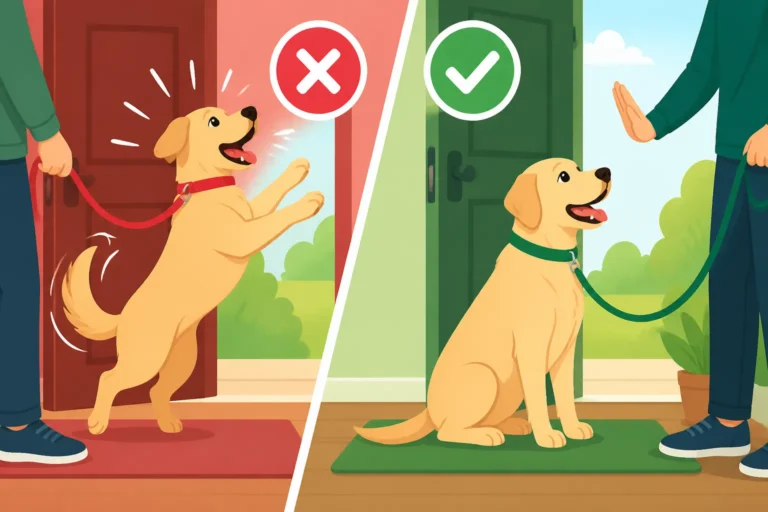
Labrador Barking Triggers
It's incredibly frustrating when your sweet, goofy Labrador suddenly transforms into a canine alarm system, barking incessantly at seemingly nothing or, worse, everything. This booming vocalization can be a real head-scratcher, leaving you wondering what on earth has gotten into your usually calm companion. This comprehensive guide is here to help you decipher the mystery of your Labrador's barks, understand the common triggers, and provide actionable strategies to bring peace back to your home.
The Attention-Seeking Bark: "Hey! Look at Me!"
Labradors are social creatures, incredibly devoted to their families, and they thrive on interaction. Sometimes, their barks aren't a sign of distress or danger, but simply a very loud request for your time and attention. They've learned that barking gets a reaction, and any reaction, even a negative one, is often better than no reaction at all.
The Demanding Bark
This is the bark that often starts subtly – maybe a soft whine or a gentle nudge – and escalates quickly if ignored. Your Labrador might bark at you while you're trying to work, eat dinner, or simply relax on the couch. They're basically saying, "My needs are important, and I need you to address them right now!" This could be for a treat, a walk, a game of fetch, or just a good old head scratch. It's a classic example of a behavior that has been inadvertently reinforced over time; perhaps you gave in once or twice, and your clever Lab remembered.
It's a common trap we fall into as loving owners. We hear the bark, and our instinct is to respond. But every time we respond to a demanding bark, we're essentially telling our Lab, "Yes, this works! Keep barking!" The key here is to identify what they want and then not give it to them while they are barking. Instead, wait for a moment of silence, no matter how brief, and then reward that silence with what they were likely asking for. This teaches them that calm behavior, not barking, gets results. If they continue to escalate, consider walking away or turning your back until they quiet down, then return and reward the quiet. This takes incredible patience and consistency, but it's vital for shifting their communication strategy.
The "Play With Me!" Bark
Labradors, especially younger ones, have an abundance of energy and a deep love for play. Sometimes, their barking is an overt invitation to engage. You might notice them barking while holding a favorite toy, prancing around, or bowing with their front paws down and tail wagging. They're not being aggressive; they're simply trying to initiate a game of chase, tug, or fetch. This can be particularly pronounced if they haven't had enough physical or mental stimulation that day. A bored Labrador is often a creative Labrador, and creative often means noisy.
The challenge here is to distinguish this playful bark from other types and to manage their expectations. While it's wonderful to play with your Lab, you can't always drop everything the moment they bark for play. Instead, try to schedule playtimes throughout the day and be proactive. Offer to play before they resort to barking. If they do bark, just like with the demanding bark, wait for a moment of quiet before initiating play. Alternatively, redirect their energy. Perhaps offer a puzzle toy or a long-lasting chew that they can enjoy independently. This helps them understand that while play is good, it's on your terms, and there are other acceptable ways to entertain themselves. Regularly incorporating varied exercise and mental games, as discussed in Mental Work for a Bored Labrador and Exercise a Labrador Needs Each Day, can significantly reduce the incidence of these "play with me" barks.
Territorial and Alarm Barking: "Something's Not Right Here!"
Labradors are often friendly, but they also possess a protective instinct. They see their home and yard as their territory, and they feel it's their job to alert you to anything they perceive as unusual or threatening. This type of barking is rooted in their natural guardian tendencies and can be particularly hard to manage because, to them, they're doing exactly what they're supposed to do!
The Mailman Menace
Ah, the mail carrier, delivery person, or even a neighbor walking by. These are classic triggers for many Labradors. Your dog might be happily napping, only to spring into action with a furious volley of barks the moment a uniform appears at the end of the driveway or a package is dropped on the porch. For your Labrador, this isn't just a friendly visit; it's an intruder entering their sacred space. They believe their barking is successfully driving the "threat" away (since the person always leaves!), reinforcing the behavior each time.
Addressing the "mailman menace" requires a multi-pronged approach. Firstly, manage the environment. Can you obscure their view of the street or the porch with frosted window film, curtains, or strategically placed indoor plants? This can reduce the immediate trigger. Secondly, you need to change their association with the trigger. Instead of letting them bark hysterically, work on counter-conditioning. When you know the mail is coming, or you see someone approaching, before your Labrador has a chance to bark, give them a high-value treat. Repeat this every time. The goal is for them to see the person, look to you for a treat, and associate the presence of the "intruder" with something positive, rather than something to bark at. This might also be a good time to work on commands like "quiet" or "place," which you can reward heavily when they follow through. Why a Labrador Barks at the Window delves deeper into managing this visual stimulation.
Stranger Danger
While Labradors are generally known for their outgoing nature, some can be more reserved or even wary of strangers, especially if not properly socialized as puppies. This "stranger danger" bark often occurs when new people enter your home or approach your dog on a walk. It might be accompanied by a stiff body, raised hackles, or retreating behavior, indicating fear or uncertainty rather than pure aggression. This isn't about being mean; it's often about feeling vulnerable or unsure of the newcomer's intentions.
Proper socialization during puppyhood, as discussed in Socializing a Labrador Puppy, is crucial to prevent this. For an adult Labrador exhibiting this behavior, it's essential to create positive experiences with strangers. Start with controlled introductions in a calm environment, with the stranger initially ignoring your dog. Have the stranger toss treats away from your dog, allowing your Labrador to approach at their own pace. Never force interactions. If the barking occurs, calmly remove your dog from the situation and try again later, or at a greater distance. It's about building confidence and trust, showing them that new people can be a source of good things, not just fear. For more significant fear-based barking, consulting with a certified professional dog trainer or behaviorist can provide tailored strategies.
Boredom and Frustration Barking: "I'm So Understimulated!"
Labradors are intelligent, active dogs. They were bred to work alongside humans, retrieving game for hours on end. When these fundamental needs for physical activity and mental engagement aren't met, they don't just sit politely and wait. They find ways to entertain themselves, and often, that entertainment involves barking.
The Lonely Howl
This isn't necessarily a sustained, frantic bark of separation anxiety, but rather a mournful, repetitive vocalization that suggests boredom and loneliness when left alone. Your Labrador might start with a few barks, then drift into a series of long, drawn-out howls, punctuated by more barks. They're communicating their discontent and their desire for company. This can be particularly tough for neighbors if you live in close proximity. This type of barking often occurs when a dog is left without sufficient enrichment or a clear understanding of what to do when their humans are away.
To combat the lonely howl, it's crucial to provide ample mental and physical stimulation before you leave them alone. A brisk walk or a good game of fetch can drain some of that pent-up energy. Then, give them something constructive to do while you're gone. This could be a food-stuffed puzzle toy, a long-lasting chew, or a slow feeder bowl. These activities engage their minds and make being alone a more positive experience. Ensuring their environment is comfortable and secure, perhaps with a dog bed from Amazon and a radio playing softly, can also help. Gradually increasing alone time and always leaving them with engaging activities can help them cope. For deep-seated issues, further guidance on Telling Labrador Boredom From Real Anxiety might be needed.
Pent-Up Energy Protests
Imagine being a Labrador with boundless energy, bred for retrieving, swimming, and running, stuck indoors on a rainy day with nothing to do. It's a recipe for frustration, and that frustration often manifests as barking. This isn't just a "play with me" bark; it's a more exasperated, often repetitive bark directed at anything that might offer a glimmer of excitement: squirrels outside the window, a leaf blowing across the yard, or even just the sudden movement of a family member. They are literally protesting their lack of appropriate outlets for their physical and mental drive.
The solution is straightforward, though sometimes challenging to implement: more exercise and mental enrichment. Labradors need consistent, vigorous exercise every single day, not just on weekends. This means long walks, runs, swimming, or active games of fetch. Beyond physical activity, they need their brains engaged. Scent work, training sessions, puzzle toys, and even just practicing commands in various environments can tire them out mentally. Consider enrolling in an online training program like BAXTER & Bella to learn new skills and keep your Lab's mind sharp. A tired Labrador is a quiet Labrador, and providing outlets for their natural instincts will significantly reduce these protest barks. Even on bad weather days, there are indoor games and training drills you can do to burn off some of that energy.
Anxiety-Related Barking: "I'm Scared and Unsure!"
Anxiety in Labradors can manifest in many ways, and barking is a common one. This isn't about being demanding or territorial; it's about a deep-seated feeling of fear, stress, or unease. Understanding the root cause of the anxiety is paramount to addressing this type of barking.
Separation Stress
While related to the "lonely howl," separation anxiety is a more severe form of distress. A Labrador suffering from separation anxiety isn't just bored; they are genuinely panicked when left alone. Their barking is frantic, persistent, and often accompanied by other destructive behaviors, pacing, house soiling, or self-harm (like chewing paws). The barking begins almost immediately upon your departure and continues until your return, indicating a profound emotional response. This is heartbreaking to witness and incredibly disruptive.
Managing separation anxiety requires a dedicated and patient approach, often involving desensitization and counter-conditioning. This means gradually increasing the time your dog is left alone, starting with very short intervals (even seconds) and ensuring they are calm before you leave and when you return. Create a routine that downplays departures and arrivals, avoiding overly emotional goodbyes or hellos. Provide high-value, long-lasting treats or puzzle toys only when you leave, to help create a positive association with your absence. In some severe cases, consultation with a veterinary behaviorist may be necessary, and they might suggest medication in conjunction with behavior modification. For more detailed strategies, see Separation Anxiety in Labrador Retrievers.
Fear of Loud Noises
Many dogs are sensitive to sudden, loud noises like thunderstorms, fireworks, construction sounds, or even the vacuum cleaner. For Labradors prone to anxiety, these sounds can trigger intense fear, leading to frantic barking, whining, trembling, and seeking comfort. They might bark at the sound, then bark at the wall, then at you, seemingly confused and terrified by the unseen threat. This isn't a deliberate bark; it's an involuntary fear response.
Creating a safe haven for your Labrador during these events is critical. This might be a crate covered with a blanket, a quiet inner room, or a comfortable dog bed. Try to drown out the offending noises with white noise, classical music, or a fan. Distract them with engaging toys or treats if they are receptive. Never punish them for their fear; this will only increase their anxiety. Over time, you can try to desensitize them to the sounds by playing recordings of the noises at a very low volume, gradually increasing it while pairing it with positive experiences (treats, praise). For severe phobias, a vet can discuss anti-anxiety medications or supplements that might help your Labrador cope. More insights can be found in Thunderstorm Fear in Labrador Retrievers.
General Fear and Insecurity
Beyond specific triggers like loud noises or being alone, some Labradors might bark due to a more generalized sense of fear or insecurity in certain situations. This could be in new environments, around unfamiliar objects, or when feeling overwhelmed by too many stimuli. The barking is a way to create distance, communicate their discomfort, or simply vent their internal stress. They're telling the world, "I'm not okay with this!"
Building confidence in your Labrador is key here. Expose them to new experiences gradually and positively, always ensuring they feel safe and in control. Use positive reinforcement to reward brave behavior and calm responses. Engage in training that strengthens your bond and gives your dog a sense of purpose and predictability. Avoid putting them in situations where they are clearly over-threshold and terrified. If their fear seems pervasive, working with a professional dog trainer or veterinary behaviorist can help you identify the specific triggers and develop a tailored plan to build their confidence and reduce their anxiety-driven barking.
Medical Reasons and Pain: "Something Hurts!"
It's easy to assume all barking is behavioral, but sometimes, a sudden or unusual increase in vocalization can be a sign that something is physically wrong with your Labrador. Dogs, including our stoic Labradors, can't tell us in words that they're in pain or feeling unwell, so barking can be their way of communicating discomfort.
Subtle Signs of Discomfort
A Labrador might start barking more if they're experiencing chronic pain, an injury, or a new medical condition. This could be anything from dental pain, ear infections (especially common in floppy-eared Labs), arthritis in older dogs, or even internal discomfort that isn't immediately visible. The barking might not be a direct cry of pain, but rather a general expression of unease or a signal that something feels "off." They might also bark more when attempting to move or get comfortable. For example, a Labrador with Labrador Arthritis in Middle Age might bark when trying to stand up after a nap, or a younger dog with Labrador Hip Dysplasia Signs and Onset might vocalize after a bout of strenuous play.
If your Labrador's barking pattern changes suddenly and there's no obvious behavioral trigger, a vet visit is absolutely in order. Look for other subtle signs of discomfort like limping, reluctance to move, changes in appetite or thirst, lethargy, excessive licking of a particular area, or changes in their normal demeanor. Early detection of pain or illness can make a huge difference in their quality of life. Your vet can conduct a thorough examination to rule out any underlying medical causes. For more on how our Labs communicate pain, refer to Reading Pain in a Stoic Labrador.
Age-Related Barking
As Labradors age, they can experience cognitive decline, much like humans. This condition, often referred to as Canine Cognitive Dysfunction (CCD), can lead to disorientation, confusion, and changes in sleep-wake cycles. An older Labrador with CCD might start barking aimlessly, especially at night, or seem to bark at things that aren't there. They might also bark more out of anxiety or confusion, as their world becomes less predictable. Sometimes, senior dogs also experience vision or hearing loss, which can make them more easily startled and, consequently, more prone to barking.
If your senior Labrador is exhibiting new or increased barking, particularly without an obvious trigger, speak to your veterinarian. They can assess for CCD and other age-related issues. There are medications and supplements that can help manage the symptoms of cognitive decline, and environmental adjustments can make their world more comfortable and less confusing. For instance, maintaining a consistent routine, providing nightlights, and ensuring their safe spaces are easily accessible can reduce anxiety. Caring for a Senior Labrador offers further guidance on supporting your aging companion.
Practical Strategies for Managing Labrador Barking Triggers
Understanding why your Labrador barks is the first and most crucial step in managing the behavior. Once you've identified the trigger, you can then implement targeted strategies. Remember, consistency, patience, and positive reinforcement are your best friends.
Here's a quick overview of common barking types, their possible causes, and initial responses:
| Bark Type | Likely Trigger(s) | Initial Management Strategies |
|---|---|---|
| Attention | Wanting play, food, pets, walks | Ignore barking, reward quiet. Redirect to appropriate activities. |
| Alarm/Territorial | Mail delivery, strangers, sounds outside | Block view, counter-condition with treats, teach "quiet" command. |
| Boredom | Lack of physical/mental stimulation | Increase exercise, provide puzzle toys, structured training. |
| Frustration | Unable to reach desired object/person | Manage environment, teach "leave it" or "wait," provide alternatives. |
| Anxiety | Separation, loud noises, new environments | Desensitize, create safe space, consult vet/behaviorist for severe cases. |
| Pain/Medical | Injury, illness, cognitive decline | Consult veterinarian immediately for diagnosis and treatment. |
Consistency is Key
No matter the trigger, consistency in your response is paramount. If you sometimes give in to an attention-seeking bark and sometimes ignore it, your Labrador learns that barking might work, so it's always worth a try. Every family member needs to be on the same page and respond in the same way.
Reward Quiet, Not Noise
Instead of punishing barking (which can actually increase anxiety or teach your dog to bark when you're not around), focus on rewarding silence. If your Labrador starts barking, wait for a brief pause, and then mark that pause with a "yes!" or a clicker, followed by a treat. Gradually increase the duration of silence you require before rewarding. This teaches them that quiet behavior gets them what they want. Quieting a Labrador Who Barks for Attention provides excellent techniques for this.
Provide Ample Stimulation
A tired Lab is a good Lab, and a mentally stimulated Lab is even better. Ensure your Labrador gets enough physical exercise appropriate for their age and health. Beyond walks, incorporate games of fetch, swimming, or running. Don't forget mental exercise! Puzzle toys, sniff walks, obedience training, and learning new tricks can be incredibly tiring for their brains. Products readily available on Amazon can include a variety of interactive puzzle feeders, snuffle mats, and durable chew toys that can help keep your Lab engaged.
Environmental Management
Sometimes, the simplest solution is to manage the environment to reduce triggers.
- For window barking, use frosted film, close blinds, or place furniture to block their view.
- For outdoor barking, consider a higher fence, a privacy screen, or supervise outdoor time.
- For noise sensitivity, create a sound-proofed den or play white noise.
Training for Impulse Control
Teaching commands like "sit," "stay," "leave it," and "quiet" can give you valuable tools to redirect your Labrador's attention and manage their impulses when a barking trigger arises. "Quiet" can be taught by letting your dog bark a few times, then putting a treat to their nose to interrupt the barking. The moment they are quiet to sniff, say "quiet" and give the treat. Gradually increase the time they must remain quiet before getting the treat. Online training resources, such as those provided by BAXTER & Bella, can offer comprehensive guidance on teaching these foundational skills.
When to Seek Professional Help
If you've tried these strategies consistently and aren't seeing improvement, or if your Labrador's barking is severe, accompanied by aggression, destruction, or extreme anxiety, it's time to consult a professional. A certified professional dog trainer or a veterinary behaviorist can observe your dog's behavior, help pinpoint the exact triggers, and develop a personalized behavior modification plan. They can also rule out underlying medical issues that might be contributing to the problem. Don't feel like you've failed if you need to call in an expert; sometimes, an outside perspective and specialized knowledge are exactly what's needed to help both you and your beloved Labrador.
Understanding the different reasons behind your Labrador's barks is the first step toward a more peaceful household. With patience, consistent effort, and sometimes a little professional guidance, you can help your vocal companion learn more appropriate ways to communicate.
Disclaimer
This article is for general informational purposes only and does not constitute professional advice. Laws, prices and regulations vary by location and change over time. Consult a qualified professional for guidance on your specific situation.