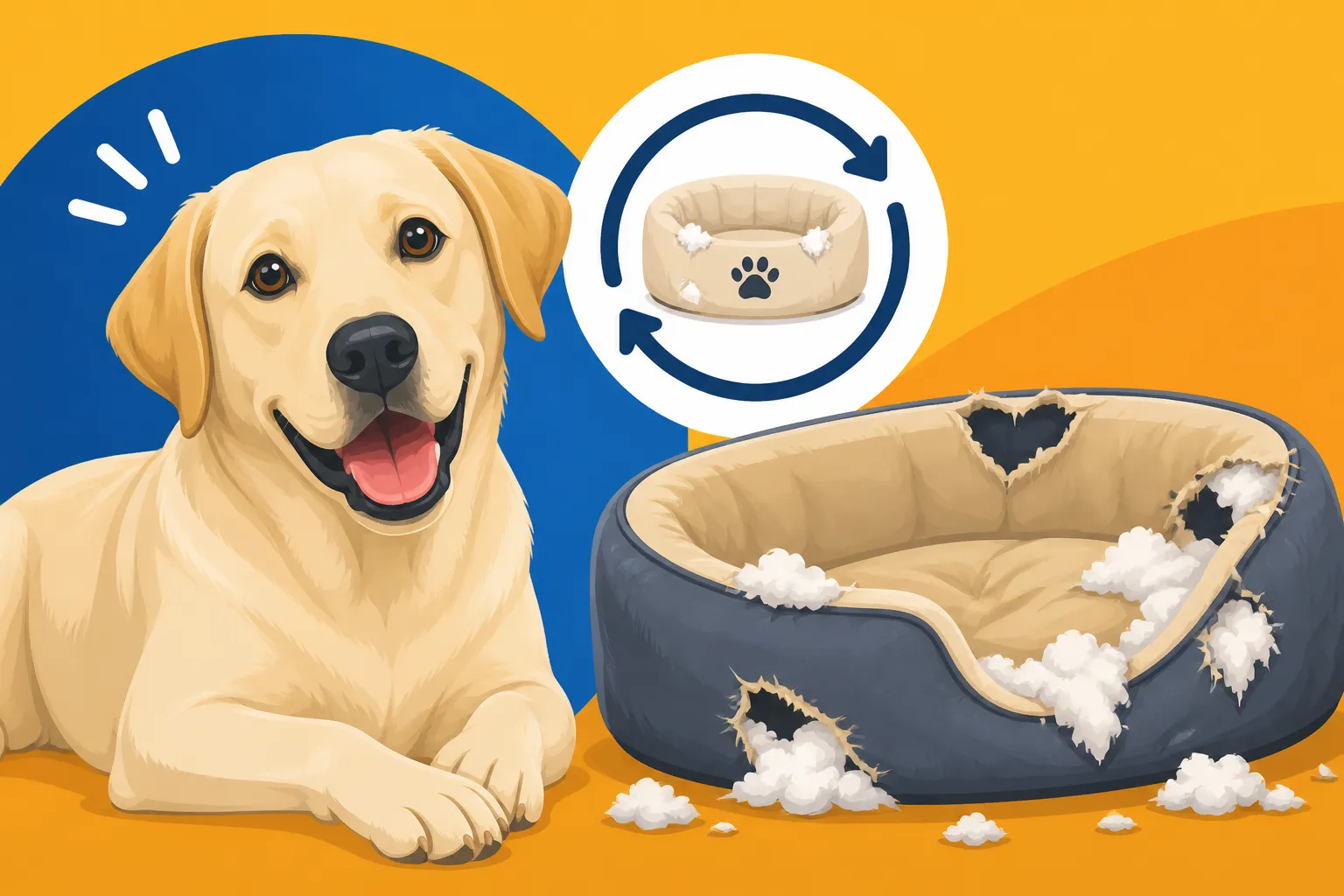
How Often a Labrador Wears Out a Bed
It's a familiar sight for many Labrador owners: you invest in what you think is a sturdy dog bed, only to find it shredded, flattened, or simply worn beyond recognition just a few months down the line. It's frustrating, and it leaves you wondering if you're just picking the wrong beds, or if your beloved Lab is secretly a bed-destroying ninja. This guide will delve into why Labs go through beds so quickly, what factors influence their lifespan, and how you can make smarter choices for your furry family member's comfort and your wallet.
Why Labradors Are So Hard on Dog Beds
Let's be honest, Labradors are not known for their delicate touch. Their joyful, boisterous, and often clumsy nature translates directly to how they interact with their environment, including their beds. It's not usually malicious; it's just pure Labrador-ness!
The Energetic Nature of Labradors
Labradors are bundles of energy, even well into their adult years. While they love to sprawl out and nap, the act of settling down often involves a vigorous ritual. Many Labs engage in what's known as "nesting" behavior. This can look like frantic digging, pawing, circling, and generally rearranging their sleeping surface before they finally collapse. Imagine a dog trying to sculpt a perfect little crater in a memory foam bed—it puts a lot of stress on the seams, covers, and internal stuffing.
Beyond nesting, their sheer size and weight play a significant role. A 70 to 80-pound Labrador dropping onto a bed, even gently, exerts considerable force over time. The constant compression and decompression of the bed's filling inevitably lead to it flattening out, especially in their favorite spots. This is compounded if your Lab loves to launch themselves onto their bed after a rigorous play session. Their enthusiasm, while endearing, doesn't always translate to gentle treatment of their belongings.
The Infamous Labrador Chewing Phase
Ah, the chewing phase. If you've raised a Labrador puppy, you know this period well. From tiny shark teeth to adolescent chompers, Labs explore the world with their mouths, and everything is a potential chew toy. Dog beds, with their soft textures and accessible edges, often become prime targets. A bored or anxious puppy, or even an adolescent going through a Labrador Chewing Through Adolescence phase, can dismantle a bed in minutes. It's not uncommon for owners to come home to a snowstorm of polyester stuffing.
Even adult Labradors can resort to chewing. Separation anxiety, boredom when left alone for too long, or even just a particularly strong urge to chew can turn a perfectly good bed into a pile of scraps. The robust nature of a Labrador's jaws means that even beds advertised as "chew-proof" can sometimes meet their match against a determined Lab. It's a testament to their strength and their innate drive to chew, which is why providing appropriate chew toys is so crucial.
Water, Dirt, and the Great Outdoors
Labradors are born to retrieve, and for many, that means water. Whether it's the lake, the ocean, or just a muddy puddle, Labs are magnets for dirt and dampness. Their thick double coats, designed to repel water, also do an excellent job of trapping mud, leaves, and whatever else they roll in. When they then settle onto their beds, all that delightful outdoor grime comes with them.
Constant exposure to moisture and dirt can degrade bed materials faster. Mud, once dry, can be abrasive, weakening fabric fibers. Odors become embedded, and despite your best efforts to wash the cover, the stuffing itself can absorb smells and moisture, leading to mildew or bacterial growth if not properly dried. This isn't just about aesthetics; a perpetually damp or dirty bed can become a breeding ground for skin irritations or even hot spots for your Labrador, making regular cleaning and replacement a health necessity.
Factors Influencing a Labrador Bed's Lifespan
Just like with anything else, not all dog beds are created equal, and not all Labradors treat them the same way. The lifespan of your Labrador's bed is a complex interplay of the bed's inherent quality and your dog's specific habits.
Quality and Construction of the Bed
The old adage "you get what you pay for" often holds true for dog beds, especially when dealing with a breed as robust as a Labrador. A cheap, flimsy bed from a discount store might seem like a good deal initially, but if it falls apart in a month, you haven't saved anything.
- Material Durability: Look for covers made from tough, tightly woven fabrics like ripstop nylon, heavy-duty canvas, or upholstery-grade microfibers. These are far more resistant to digging claws and casual chewing than thin cotton or fleece. Even better, some beds feature ballistic nylon, which is designed to withstand significant abuse.
- Stuffing Quality: The internal filling is crucial for both comfort and longevity. Cheap beds often use loose poly-fill that quickly flattens and clumps. Better quality beds might use shredded memory foam, orthopedic foam slabs, or a blend of supportive materials that retain their loft and support over time. This is particularly important as your Labrador ages and may need more joint support to prevent or manage conditions like Labrador Hip and Elbow Dysplasia or Labrador Arthritis in Middle Age. A high-quality internal liner can also prevent stuffing from migrating or being exposed if the outer cover is breached.
- Stitching and Zippers: Examine the construction. Double-stitched seams are a good sign of durability. Zippers should be heavy-duty, preferably concealed, to prevent your dog from chewing on them or getting them snagged. Weak zippers are often the first point of failure on many bed covers.
Your Labrador's Age and Personality
Every Labrador is an individual, and their unique characteristics will profoundly impact how long their bed lasts.
- Puppies and Adolescents: As discussed, this age group is typically the most destructive. Their boundless energy and teething urges mean beds are often targets for play and chewing. A bed for a young Labrador might have a much shorter lifespan than one for a mature, settled adult. Expect to replace or repair beds more frequently during this formative period.
- Adult Labradors: A well-trained adult Labrador who has moved past the destructive chewing phase might be relatively gentle with their bed. However, even calm adults can be enthusiastic nesters, pawing at the bed before lying down. Their weight alone will gradually compress even the most resilient foam.
- Senior Labradors: While less prone to destructive chewing, senior Labradors often need specialized beds. Orthopedic support becomes paramount for aching joints. If a senior dog is experiencing incontinence, the bed will need to be easily washable or have waterproof liners. While they might not be actively destroying beds, the specific needs of Caring for a Senior Labrador can mean that a bed needs replacement not due to damage, but due to a loss of therapeutic benefit.
- Individual Temperament: Some Labs are naturally more destructive than others. You might have a "soft mouth" Lab who treats their bed like a precious treasure, or you might have a "wrecking ball" Lab who sees everything as a challenge. Observe your dog's habits. Do they dig incessantly? Do they often try to chew corners? This will tell you a lot about what kind of bed will stand a chance.
Usage and Maintenance
How you use and care for the bed also plays a huge part in its longevity.
- Placement and Environment: Is the bed indoors on a soft carpet, or is it in a garage on a concrete floor? Is it exposed to direct sunlight, which can degrade fabric over time? An outdoor-specific bed will naturally be built to withstand elements that would quickly destroy an indoor bed.
- Frequency of Washing: Regular washing is essential for hygiene, especially with a breed that loves getting dirty. However, frequent washing, especially with harsh detergents or high heat, can also wear down fabric and stitching over time. Always follow the manufacturer's care instructions. Many modern beds, including those you might find on Chewy, come with removable, machine-washable covers, making this task much easier.
- Number of Pets: If you have multiple dogs, especially if they share a bed or like to "play fight" on it, the wear and tear will increase exponentially. Tug-of-war on a dog bed is a surefire way to shorten its life dramatically.
Recognizing a Worn-Out Bed and When to Replace It
It's not always about a giant hole or missing chunks of foam. Sometimes, a bed is "worn out" because it no longer serves its intended purpose, even if it looks okay from a distance. Knowing when to retire a bed is crucial for your Labrador's comfort and health.
Signs Your Labrador's Bed Needs Replacing
You might be surprised by how many subtle cues your dog's bed gives when it's past its prime. Ignoring these can lead to discomfort for your dog, or even exacerbate existing health issues.
- Visible Damage: This is the most obvious sign. Tears, rips, frayed edges, or holes in the cover are clear indicators. If your Labrador has managed to get at the inner stuffing, it's a safety hazard; ingesting bed filling can lead to serious digestive problems. Any exposed foam or filling also means the bed is no longer protected from dirt, moisture, or pests.
- Loss of Support or Cushioning: The primary function of a bed is to provide a comfortable, supportive place for your dog to rest. If you notice that the bed is flattened, clumpy, or sags significantly when your Labrador lies on it, it's no longer doing its job. This is especially critical for older Labs or those with joint issues, as proper support helps relieve pressure points and can significantly impact their quality of life. Press down on the bed with your hand; if you can easily feel the floor beneath, it's time for a new one.
- Persistent Odors or Stains: Despite your best efforts with washing, some beds just hold onto smells. Labradors can get pretty stinky, especially after a swim or a romp in the mud. If the bed has an unshakeable damp, musty, or "doggy" odor, or if stains have become deeply ingrained, it's likely that bacteria and grime have penetrated beyond the washable cover into the core of the bed. This is not only unpleasant but can also contribute to skin irritations for your dog.
- Your Labrador Avoiding the Bed: Dogs are pretty good at communicating their preferences. If your Labrador, who once loved their bed, starts choosing the hard floor, the cool tile, or your couch instead, it might be a subtle hint that their bed isn't comfortable anymore. They might be trying to find a more supportive or cooler surface if their bed has flattened or become too warm.
The Replacement Timeline
There's no single answer to "how often a Labrador wears out a bed" because, as we've seen, so many variables are at play. However, we can offer some general timelines:
- Puppy/Adolescent Phase (Up to 1.5-2 years old): Expect beds to have a significantly shorter lifespan, often just 3-6 months, especially if your Lab is a vigorous chewer or digger. You might go through several cheaper, more basic beds during this period, saving your investment for a truly durable one once they mature.
- Adult Labradors (2-7 years old): For a well-behaved adult Lab, a good quality bed might last anywhere from 1 to 3 years. This depends heavily on the bed's construction and your dog's specific habits. Orthopedic beds with high-density foam often last longer in terms of support, but covers might still wear out faster.
- Senior Labradors (8+ years old): While senior Labs are typically less destructive, their need for high-quality orthopedic support means that even if a bed looks intact, its internal structure might have broken down. You might consider replacing an orthopedic bed every 1-2 years to ensure it's still providing optimal joint relief.
It’s important to note that these are just averages. A cheaply made bed could be destroyed in weeks, while a top-of-the-line, chew-resistant bed might last for many years if your Labrador is gentle with it. If a bed becomes a safety hazard due to ingestion risk, or if it's no longer providing adequate support, it needs to be replaced immediately, regardless of its age.
Making Beds Last Longer
While Labs can be bed-destroyers, there are definitely steps you can take to extend the life of their beds and make your investment go further.
- Choose Wisely from the Start: This is perhaps the most important tip. Invest in beds with durable, removable, and washable covers. Look for tough fabrics like ballistic nylon or heavy-duty canvas. Brands focused on working dogs or those with a "chew-proof" guarantee often use superior materials. Remember to also consider the size; a bed that is too small for your Labrador means they'll be hanging off the sides, putting more pressure on the edges and potentially leading to faster wear.
- Provide Appropriate Alternatives: If your Labrador is a chewer, ensure they have plenty of appropriate chew toys. Items from Chewy like durable rubber toys, Benebones, or Kongs can redirect their chewing instincts away from their bed. For nesters and diggers, consider providing a designated blanket or small mat they are allowed to "arrange" to their heart's content, which might spare the main bed's cover. Mental stimulation, like puzzle toys, can also help curb destructive behaviors rooted in boredom. Learn more about Mental Work for a Bored Labrador.
- Regular Cleaning and Maintenance: Wash bed covers according to instructions. Spot clean spills immediately. For beds with non-removable covers, use enzymatic cleaners to neutralize odors and stains. Thoroughly dry the bed after washing to prevent mildew. Periodically fluff the internal stuffing (if possible) to redistribute the fill and restore some loft.
- Reinforce Good Behavior: Teach your Labrador to lie down gently on their bed. Reward them for calm behavior on the bed rather than allowing them to roughhouse on it. If you catch them digging or chewing, redirect them to an appropriate toy or activity. Early training, as discussed in guides like Training a Labrador From Puppy to Adult and Labrador Puppy Mouthing and How to Redirect It, can significantly reduce destructive habits.
Investing in the Right Bed for Your Labrador's Needs
Given how often a Labrador wears out a bed, making an informed decision about your purchase is crucial. It’s not just about a temporary resting spot; it’s an investment in their long-term health and well-being.
Prioritizing Durability and Support
When you're shopping for a Labrador bed, think less about immediate cost and more about value over time. A cheaper bed that you replace every three months will quickly become more expensive than a pricier, more durable one that lasts a year or two.
- Orthopedic Support is Non-Negotiable: For a large, active breed like a Labrador, orthopedic support isn't a luxury; it's a necessity. Look for beds with genuine high-density foam or memory foam, not just shredded foam or poly-fill. This support helps cushion their joints, alleviate pressure, and prevent future orthopedic issues. Even young Labs benefit from this, but it becomes critical for senior dogs.
- Tear-Resistant Covers: As mentioned, robust fabrics are key. Consider brands that use fabrics like Cordura, tough denim, or even specific "chew-resistant" materials. While no bed is truly indestructible against a determined Labrador, these materials will significantly extend the life of the cover against digging, scratching, and casual chewing. Look for covers that are easy to remove and machine washable, simplifying the task of keeping the bed clean and hygienic.
- Consider Elevated Beds: For serious chewers or dogs who run hot, an elevated cot-style bed can be an excellent alternative or supplement. These often have a mesh or ballistic nylon sleeping surface stretched over a frame, making them difficult to chew and promoting airflow. They also keep your dog off cold or damp floors.
Considering Your Labrador's Specific Challenges
Beyond general durability, think about your individual Labrador's quirks and needs.
- For the Chewer: If your Labrador is still in their chewing prime or prone to destructive behavior when bored, prioritize beds with very durable, even "chew-resistant" covers. Some beds are designed with internal liners to prevent stuffing from escaping even if the outer cover is breached. Elevated beds are also a great option here because there are no soft, inviting edges to grab. Remember that consistent training and providing plenty of Mental Work for a Bored Labrador can help mitigate destructive chewing.
- For the Older, Aching Lab: As Labs age, their joints often need more cushioning. A very thick, supportive memory foam bed, possibly with bolsters for head and neck support, can make a huge difference. Consider beds with lower entry points to make it easier for a less mobile senior Labrador to get on and off. Look for beds with waterproof internal liners under the cover in case of accidents, a common concern as your Labrador gets older.
- For the Allergic or Sensitive Skinned Lab: If your Labrador suffers from allergies or Hot Spots and Allergies in Labradors, look for beds with hypoallergenic covers. Frequent washing is crucial, so easy-to-remove and quick-drying covers are a must. Some beds use materials that resist dust mites, which can be beneficial for dogs with environmental allergies.
- For the Mud Magnet: If your Lab is constantly bringing the outdoors inside, a bed with a water-resistant or waterproof cover is invaluable. Many tough, outdoor-style beds are designed for quick wiping down or hosing off, making cleanup a breeze. Having a secondary, washable cover can also be a lifesaver.
Budgeting for Bed Replacement
Let's face it, dog ownership comes with a lot of expenses, from food (maybe even high-quality fresh food like Ollie) to vet visits. Dog beds, especially for a Labrador, should be factored into your overall budget. Don't fall into the trap of constantly buying the cheapest option, only to replace it repeatedly. This often costs more in the long run.
Think of a quality dog bed as a critical piece of equipment for your Labrador's health and happiness. Just like you budget for their high-quality food or routine vet check-ups, set aside funds for bed replacement. Many responsible owners find themselves needing to replace a bed at least once a year, or perhaps less frequently for very high-quality ones. You might even consider starting an emergency fund for all pet expenses, including unexpected purchases like a new bed, as discussed in Setting Up an Emergency Fund for a Labrador. While pet insurance from providers like Healthy Paws is excellent for major medical costs, knowing you have a buffer for essential gear like a durable bed is also smart financial planning for your furry friend.
Here's a quick look at how various factors can influence how long a Labrador bed might last:
| Factor | Impact on Bed Lifespan | Explanation |
|---|---|---|
| Dog's Age | Short (Puppy/Adolescent), Medium (Adult), Medium-Long (Senior) | Young Labs chew more. Adult Labs put on weight. Seniors need specific support (loss of function). |
| Dog's Behavior | Short (Chewer/Digger), Long (Gentle Sleeper) | Destructive habits dramatically shorten life. Calm dogs preserve beds. |
| Bed Quality | Short (Cheap Materials), Long (Durable Construction) | Poor fabrics and stuffing fail quickly. High-density foam, ballistic nylon, strong stitching last. |
| Bed Type | Varies (Standard, Orthopedic, Elevated Cot) | Orthopedic beds focus on support retention. Elevated cots resist chewing better. |
| Usage | Short (Outdoor/Heavy), Long (Indoor/Light) | Outdoor elements accelerate wear. Constant use by multiple dogs reduces life. |
| Maintenance | Short (Infrequent Washing), Long (Regular Care) | Lack of cleaning allows grime and odors to degrade materials. Proper washing preserves integrity. |
A Labrador is a wonderful, devoted companion, but they're also a powerful breed with specific needs. Understanding how often a Labrador wears out a bed isn't about blaming them for being themselves; it's about being prepared and making smart choices to ensure they always have a comfortable, supportive place to rest their weary, muddy paws.
Disclaimer
The information provided in this article is for general informational purposes only and does not constitute veterinary advice. Always consult with a qualified veterinarian for any health concerns or before making any decisions about your Labrador's care, diet, or treatment.