What a Teething Labrador Destroys
Bringing a Labrador puppy home is an absolute joy, filled with boundless energy, wagging tails, and endless cuddles. But amidst all the puppy breath and playful nips, many new owners quickly realize that those adorable shark teeth are capable of some serious destruction. The reality of a teething Labrador puppy can be utterly overwhelming, leading to ruined furniture, shredded shoes, and a constant fear of what might be next. This guide is here to walk you through the inevitable, often frustrating, journey of Labrador teething, what to expect them to target, and how to minimize the damage and keep your sanity intact.
The Inevitable Chewing Phase
The moment those tiny, needle-sharp puppy teeth emerge, you know you're in for a ride. Teething is a natural, necessary, and unfortunately, often destructive phase for every Labrador puppy. It's not just a bad habit; it's a physiological process driven by instinct and discomfort, and understanding this can help you approach it with more patience and effective strategies.
Why Teething Is So Intense for Labradors
Think about how uncomfortable it is when a baby is teething – now imagine that discomfort in a creature whose primary way of exploring the world is with its mouth, and whose jaws are already developing incredible strength. Labrador puppies experience significant gum inflammation and soreness as their 28 puppy teeth fall out and are replaced by 42 larger, permanent adult teeth. This process starts around 3-4 months old and can last until they are 6-7 months, or even a bit longer. Chewing provides immense relief, acting as a natural gum massage that helps loosen baby teeth and ease the pressure of incoming adult teeth. For a breed as mouthy and food-motivated as a Labrador, this urge to chew is exceptionally powerful, making them relentless in their pursuit of anything that feels good on their aching gums. It’s not personal; it’s just biology!
The Timeline of Destruction
The teething journey is a marathon, not a sprint. Typically, you'll start noticing increased chewing behavior around 12-16 weeks of age, right when those baby teeth are really beginning to loosen and fall out. This phase often coincides with a significant surge in their energy levels and curiosity, meaning they’re not just chewing for relief but also exploring their environment and pushing boundaries. The peak of this destructive period usually occurs between 4 and 6 months. During this time, it might feel like your home is under siege, with new items falling victim daily. Thankfully, by the time your Labrador is around 7-8 months old, most of their adult teeth should be in, and the intense, incessant chewing driven purely by teething discomfort should begin to subside. However, their natural love for carrying things, combined with their powerful jaws, means that appropriate chew management will always be a part of Living With an EIC Affected Labrador This article specifically focuses on dealing with a Labrador puppy's teething phase, but you can learn more about the broader concept of The Labrador Teething Timeline.
The "Soft Mouth" Myth Debunked
Many Labrador owners are drawn to the breed because of their legendary "soft mouth," a trait prized in retrieving game without damaging it. This characteristic refers to a Labrador's ability to carry delicate items gently in their adult working life, not their destructive potential as a teething puppy. Let's be very clear: a teething Labrador puppy’s mouth is anything but soft when it comes to your belongings. Their sharp puppy teeth and developing jaw strength mean they can shred, tear, and puncture with surprising efficiency. The idea that a Labrador won't destroy things because of their soft mouth is a common misconception that often leaves new owners utterly unprepared for the reality. They are still powerful chewers who need appropriate outlets for this instinct, especially during this uncomfortable puppy stage.
Common Targets of Teething Labradors
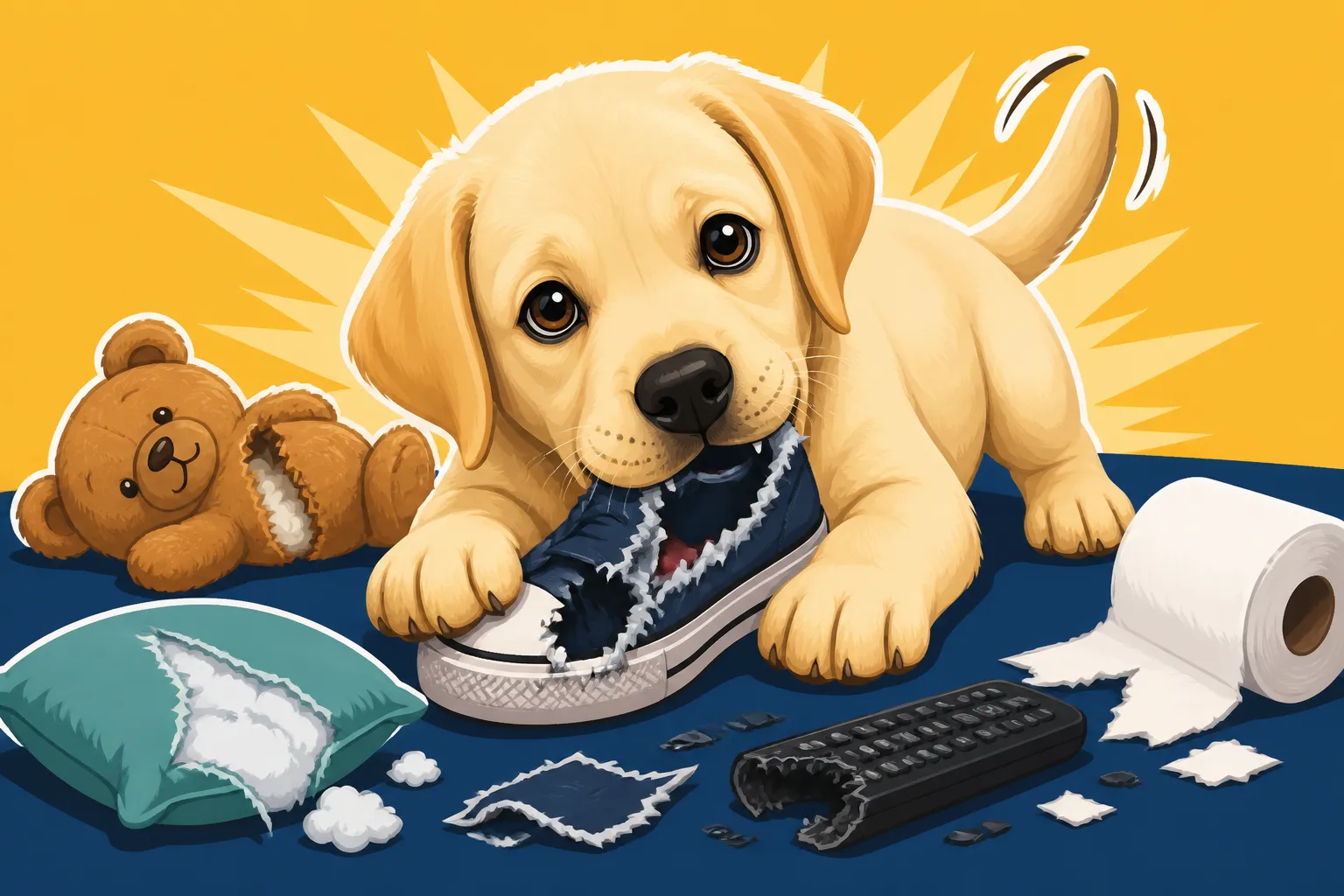
If it fits in their mouth, a teething Labrador will likely give it a try. Their indiscriminate chewing during this phase means a wide array of household items are fair game, often to the dismay and expense of their human companions. Understanding what they are most likely to target can help you "puppy-proof" your home more effectively.
Household Items That Don't Stand a Chance
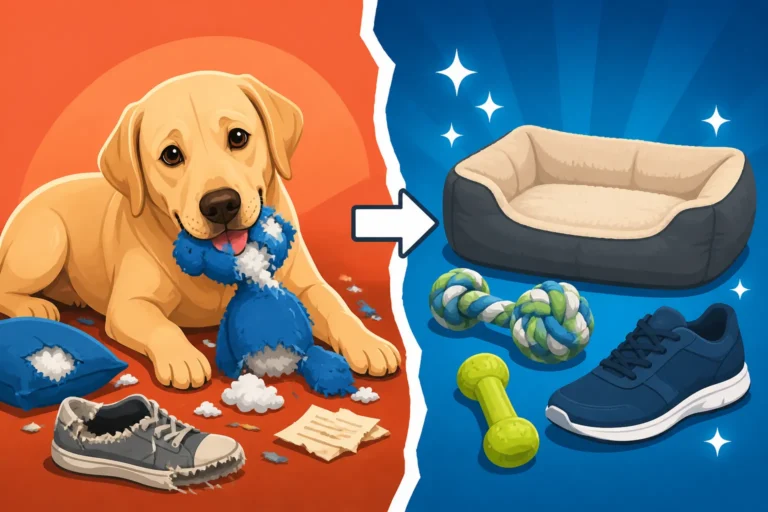
It often feels like they deliberately seek out your most cherished or expensive possessions. Shoes are an absolute favorite, especially those left near the door. The leather, laces, and rubber soles offer a variety of textures perfect for sore gums. Remote controls, left carelessly on coffee tables, are another prime target due to their plastic casing and buttons. I once had a client whose Labrador ate three remotes in a single week – talk about frustration! Eyeglasses, mobile phones, and anything left on low tables are also incredibly vulnerable. Even things you wouldn't expect, like books, magazines, and children's toys (especially those with small, swallowable parts), can quickly become unrecognizable debris. We often recommend having a dedicated "puppy zone" or using a playpen to contain them when you can't offer 100% supervision, because those little chompers work faster than you can imagine. For tips on managing early puppy behaviors, check out our guide on Labrador Puppy Mouthing and How to Redirect It.
Furniture, Fixtures, and Fences
The destruction doesn't stop at small, portable items. Teething Labradors can inflict significant damage on your home's structure. Table legs, chair rungs, and even baseboards offer satisfyingly sturdy chewing surfaces. Puppies will often gnaw on door frames, especially if they are feeling confined or anxious about being left alone. For those with yards, wooden fences can become a DIY dental tool, leading to costly repairs. Carpets and rugs often suffer too, with corners and edges becoming frayed or completely chewed through. Electrical cords, a particularly dangerous target, are also at high risk; their thin, chewable exterior is appealing, but the interior can cause severe electrical burns or even electrocution. If you're dealing with a particularly persistent chewer, our article on What a Bored Labrador Chews First. might offer additional insights into why they target specific items.
Personal Belongings and Irreplaceable Items
This is where the true heartbreak often lies. Beyond the material cost, Labradors can destroy items with immense sentimental value. A favorite childhood teddy bear, a cherished family photograph in a frame, an important document, or even your wedding album – nothing is truly safe if left within reach of a determined teething puppy. Imagine coming home to find your grandmother's antique wooden jewelry box completely demolished, or your laptop charger chewed to ribbons just before a big deadline. These incidents can be incredibly upsetting, highlighting the need for vigilance and proactive puppy-proofing. It’s why pet insurance, like plans from Healthy Paws, is often recommended, as accidental ingestion or property damage resulting from chewing can lead to unexpected and high vet bills. You might also want to review our guide on First Year Costs New Labrador Owners Forget. for other unforeseen expenses.
Here's a quick look at common targets and their replacement costs:
| Item Type | Examples | Typical Damage | Estimated Replacement Cost (USD) |
|---|---|---|---|
| Footwear | Sneakers, Leather Shoes, Boots | Shredded laces, torn soles, holes | $50 – $300+ |
| Electronics | Remote Controls, Phone Chargers | Chewed buttons, severed cables | $20 – $100+ |
| Furniture | Table Legs, Chair Rungs, Baseboards | Gouges, splintering, complete removal | $100 – $1000+ |
| Textiles | Rugs, Blankets, Clothing | Fraying, holes, swallowed fabric | $30 – $500+ |
| Personal | Eyeglasses, Wallets, Books | Scratches, bent frames, ripped pages | $50 – $500+ |
| Outdoor | Wooden Fence Posts, Garden Hoses | Gnawed wood, punctured rubber | $50 – $300+ |
Note: Replacement costs are highly variable and depend on the specific item's value and extent of damage.
Strategies to Survive the Teething Gauntlet
Surviving the teething phase requires a multi-pronged approach involving appropriate chew outlets, rigorous puppy-proofing, and consistent management. It's about setting your Labrador up for success and minimizing opportunities for destructive behavior.
Providing Appropriate Chews
The absolute cornerstone of managing teething is to provide an abundance of appropriate chew toys. Your Labrador needs to chew, so you must give them safe, appealing alternatives to your furniture. Offer a variety of textures and hardness levels. Rubber Kongs, especially those stuffed with peanut butter or wet food and then frozen, can provide long-lasting relief. Nylabone products designed for aggressive chewers are durable, as are certain dental chews that help clean teeth while satisfying the urge to gnaw. Natural chews like bully sticks or tracheas can also be very satisfying, but always supervise your puppy with these to prevent choking or ingestion of large pieces. Rotate their toys regularly to keep them interesting and novel. Stores like Chewy offer an enormous selection, making it easy to find something new to tempt your pup. For specific recommendations, our guide on Toys That Satisfy a Teething Labrador. dives deep into the best options.
It's crucial to understand that not all chews are created equal, and some can even be dangerous. Avoid rawhide, as it can be a choking hazard or cause digestive upset. Bones (cooked or raw) can splinter and cause internal damage. Always choose toys that are appropriately sized for your Labrador's age and jaw strength, and regularly inspect them for wear and tear. A toy that's too small can be swallowed, and one that's too damaged can break into pieces.
Puppy-Proofing Your Home
Prevention is truly the best medicine when it comes to a teething Labrador. Before your puppy even sets paw in your home, get down on their level and scan for potential hazards and temptations. Move all electrical cords out of reach or cover them with chew-proof protectors. Secure cabinet doors, especially those containing cleaning supplies or food. Put away shoes, bags, remote controls, books, and any other items you value. Use baby gates to restrict access to certain rooms where supervision is difficult, or create a safe "puppy zone" where your dog can't get into trouble.
Remember, a Labrador's curiosity knows no bounds, and their ability to jump, reach, or pull things down will increase as they grow. What was safe yesterday might be within reach tomorrow. This proactive approach might feel extreme, but it's far less stressful and costly than dealing with destroyed property or an emergency vet visit because your pup ingested something harmful. If your Labrador struggles with leaving things alone, our advice on Teaching a Labrador to Drop It Reliably. could be a game-changer.
Management and Redirection Techniques
Beyond providing chews and puppy-proofing, active management and redirection are vital. Whenever you see your Labrador heading for an inappropriate item, immediately redirect them to an approved chew toy. Praise them enthusiastically when they chew on the right thing. If they are particularly persistent with an item, make it undesirable. Taste deterrents, such as bitter apple spray, can be applied to furniture legs or other non-food items they try to chew. However, these only work if the taste is genuinely unpleasant for your individual dog, and some Labs are surprisingly undeterred.
Supervision is key. When you can't actively supervise, crate training or using a secure playpen is invaluable. This prevents them from practicing destructive behaviors when you're not looking. Short, frequent training sessions can also help, focusing on commands like "leave it" and "drop it." These commands become lifesavers when your puppy grabs something they shouldn't. By consistently redirecting and rewarding appropriate chewing, you're teaching your Labrador what is acceptable to chew and what isn't.
When to Worry: Beyond Normal Teething
While chewing is normal for teething puppies, there are times when it escalates beyond typical developmental behavior and warrants concern. Recognizing these signs can help you intervene before minor issues become major problems.
Persistent Destructive Chewing in Older Puppies
If your Labrador is well past the 7-8 month mark and still engaging in widespread, destructive chewing, it might indicate something more than just teething. Persistent chewing in older puppies can stem from boredom, lack of adequate physical or mental exercise, separation anxiety, or even underlying stress. Labradors are highly intelligent and energetic dogs; if their needs aren't met, they'll find their own entertainment, and often that means chewing things they shouldn't. A Labrador needs a significant amount of exercise, not just physical but mental too, to prevent boredom-induced destruction. Perhaps they need more puzzle toys, scent work, or longer, more engaging walks. Consulting with a professional dog trainer or behaviorist can help identify the root cause of the chewing and develop a targeted plan. You might find some helpful tips in our article on Labrador Chewing Through Adolescence. as well.
Ingesting Non-Food Items and Vet Concerns
The most serious concern related to destructive chewing is when your Labrador starts ingesting non-food items. Chewing on a shoe is one thing; swallowing pieces of it is another. Fabric, plastic, wood splinters, and small toys can cause gastrointestinal blockages, which are serious and potentially life-threatening emergencies. Signs of an ingested foreign body can include vomiting, lethargy, loss of appetite, straining to defecate, or abdominal pain. If you suspect your Labrador has swallowed something, contact your veterinarian immediately. They may recommend monitoring, inducing vomiting (under strict vet guidance), or potentially surgery.
This is where pet insurance, such as plans offered by Healthy Paws, really proves its worth. The cost of emergency veterinary care for a foreign body obstruction can easily run into thousands of dollars, a financial burden no one wants to face unexpectedly. Being prepared with insurance or an emergency fund, as discussed in our guide on How Big an Emergency Fund a Labrador Needs, is crucial for Labrador owners. It's a sobering thought, but understanding the risks helps you be more diligent in your puppy-proofing and supervision. For immediate concerns, our guide on What to Do If a Labrador Swallows Something. can provide practical first steps.
Disclaimer
The information provided in this guide is for general educational purposes only and should not be considered a substitute for professional veterinary advice. Always consult with a qualified veterinarian or certified professional dog trainer for any health or behavior concerns regarding your Labrador.