How a Labrador’s Energy Changes at Three
It’s a common refrain among Labrador owners: "Oh, they'll calm down by two… or three!" We've all heard it, and many of us, myself included, cling to that hope as our exuberant, bouncy Labradors careen through their early years. But what really happens to a Labrador's energy levels around the three-year mark? This guide will dive deep into the reality of the adult Labrador's vitality, dispelling myths and offering practical advice to manage that wonderful, boundless spirit.
The Myth of the "Calm" Three-Year-Old Labrador
Let's get one thing straight right away: if you're picturing your three-year-old Labrador transforming overnight into a serene, perpetually napping creature, you might be in for a surprise. While there is a noticeable shift from the often chaotic puppy and adolescent phases, a three-year-old Labrador is still very much a Labrador. This means they are likely to be active, enthusiastic, and eager to engage with the world around them. The idea of a magical "off switch" at this age is largely a myth, born more from wishful thinking than canine reality.
The frustration many owners feel is completely valid. You've navigated puppyhood, survived the seemingly endless energy of adolescence, and you're ready for a more settled companion. When that doesn't manifest as extreme calm, it can feel like you're doing something wrong, or that your dog is somehow "broken." Rest assured, your Labrador's high spirits at three are usually a testament to their healthy, breed-typical nature. It's not about them becoming sedentary, but rather their energy becoming more predictable and, with the right guidance, more manageable.
Adolescence Lingers Longer Than You Think
Many large breeds, Labradors included, mature physically faster than they do mentally. While your Labrador might look like a full-grown adult by eighteen months or two years, their brain is often still in the throes of adolescence. Think of it like a human teenager – they might be physically imposing, but their decision-making skills and impulse control are still developing. For Labradors, this "teenager phase" can easily extend past two years and sometimes closer to three, or even a bit beyond for some individuals. Surviving Labrador Adolescence is a real journey!
During this extended adolescence, you might still observe bursts of puppy-like zoomies, selective hearing (especially when something exciting is happening!), and an insatiable curiosity that can lead to mischief. It's not defiance; it's simply a brain that's still wired for exploration and high-octane fun, without always having the mature impulse control to match. This means that while the intensity of their energy might mellow slightly, the duration and frequency of their need for activity remain high. They're still learning to regulate themselves, and that's where consistent training and management come in.
Genetic Factors and Energy Levels
It’s also crucial to remember that not all Labradors are created equal when it comes to energy. There's a significant difference between a Labrador bred from a long line of field trial champions and one from show lines. Field Labradors, often referred to as American-style Labradors, are specifically bred for their intense drive, stamina, and endless energy, designed to work tirelessly for hours in demanding conditions. These dogs will likely remain high-energy well past three years old, requiring substantial daily exercise and mental stimulation to be content. Whether a Field Labrador Suits Pet Homes is a question many owners ponder for this very reason.
On the other hand, Labradors from English or show lines are typically bred for a slightly mellower temperament and a more classic, blockier build. While still active and playful, their energy levels are generally less intense and might "calm down" more noticeably around the three-year mark compared to their field-bred cousins. Even within these lines, individual variation exists. Factors like parents' temperaments, early socialization, and lifestyle all play a role in shaping your Labrador's overall energy profile. Understanding your dog's lineage can provide valuable insights into what to realistically expect from their energy levels.
What "Calmer" Actually Means for a Labrador
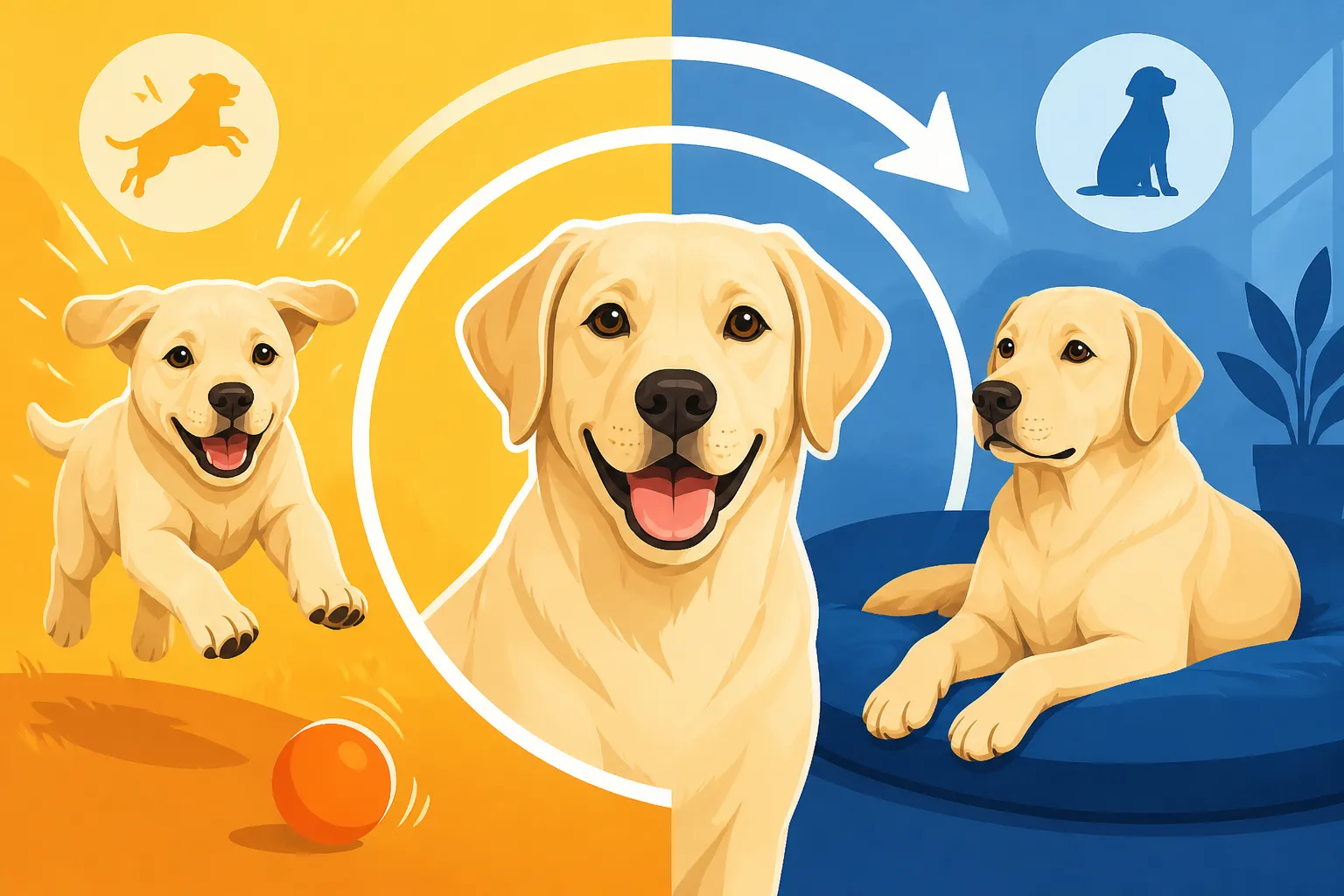
So, if "calm" doesn't mean perpetually horizontal, what does it mean for a three-year-old Labrador? It's less about a reduction in overall energy and more about a shift in how that energy is expressed. Think of it as moving from a raw, undirected force to a more refined, channeled power. The engine is still there, roaring and ready to go, but now it has better steering and brakes.
This stage often brings a welcome increase in focus and attentiveness. Your Labrador might start to respond more consistently to commands, even amidst distractions, because their brain is better equipped to process and comply. They might be less prone to impulsive decisions, like suddenly darting after a squirrel without a second thought. This isn't to say they won't still chase squirrels – they're Labradors, after all! – but they might be more amenable to recall if you've put in the foundational work. It’s an exciting time when all that early training truly begins to solidify into reliable behaviors.
Shifting From Frenetic to Focused
One of the most significant changes you'll observe in a three-year-old Labrador is the transition from frenetic, scattered energy to more focused activity. A younger Labrador might tear around the yard for twenty minutes, then collapse, only to bounce up again seemingly minutes later. A three-year-old might engage in a longer, more structured play session, like an extended game of fetch or a solid hour-long hike, and then be genuinely ready to settle down afterward.
This isn't just about physical maturity; it's also about mental development. They become better at engaging in purposeful activities. Instead of just running wildly, they might enjoy a challenging retrieve session, a long sniffy walk exploring new scents, or even a structured obedience class. This focused energy can be incredibly rewarding for owners, as it allows for deeper bonding through shared activities. It means that while the need for exercise remains high, the quality of that exercise can become more sophisticated, leading to a more content and balanced dog when they are resting indoors.
The Importance of Mental Stimulation
Physical exercise alone is often not enough to truly tire out an intelligent breed like a Labrador, especially as they get older and their stamina improves. By three years old, many Labradors have learned to pace themselves, and simply running around the yard won't cut it. This is where mental stimulation becomes absolutely vital. A tired mind is just as important as a tired body for a happy, well-adjusted Labrador.
Think about incorporating puzzle toys, which can be filled with a portion of their daily kibble or treats. Brands like Chewy offer a wide array of durable puzzle feeders designed to challenge even the smartest Labs. Scent work, where you hide treats and encourage your dog to find them, is another fantastic mental workout that taps into their natural instincts. Even just learning new tricks or practicing advanced obedience commands can be incredibly enriching. When their brains are engaged, Labradors are often much calmer and more relaxed indoors. Without this mental engagement, all that boundless energy, even if it's more focused, can turn into destructive behaviors or incessant attention-seeking, simply because they're bored. Mental Work for a Bored Labrador is paramount!
| Age Range | Typical Energy Level | How Energy is Expressed | Management Focus |
|---|---|---|---|
| 8 weeks – 6 months | Very high, short bursts, easily overstimulated | Zoomies, nipping, exploring everything with mouth, short attention span | Frequent potty breaks, supervised play, basic obedience, crate training |
| 6 months – 2 years | High, sustained, adolescent "testing boundaries" | Intense play, chewing, pulling on leash, selective hearing, growing confidence | Consistent training, structured exercise, advanced socialization, impulse control |
| 2 years – 5 years | High, but often more focused and manageable | Longer, more purposeful play, better self-regulation, greater endurance | Varied exercise, mental challenges, reinforcing advanced obedience, routine |
| 5 years – 8 years | Moderate to high, depending on individual and health | Still active, but may tire more easily, enjoys routine and comfort | Maintain activity, monitor for joint issues, adjust intensity, consistent vet checks |
| 8 years + | Moderate to low, often prefers comfort and shorter activity | Slower pace, enjoys gentle walks, prefers napping, less tolerant of intense play | Gentle exercise, senior-specific care, joint support, cozy resting spots |
Practical Strategies for Managing a Three-Year-Old's Energy
Now that we understand what's really going on with their energy, let's talk about practical ways to keep your three-year-old Labrador happy, healthy, and a joy to live with. It’s all about meeting their needs proactively, rather than reacting to their pent-up energy. This stage is a wonderful opportunity to build on all the groundwork you've laid during their puppy and adolescent years.
One of the biggest mistakes owners make is assuming that because their dog is an "adult," they need less interaction or structure. In reality, a three-year-old Labrador still thrives on routine, consistency, and clear communication. They’re old enough to truly understand what you expect from them, which makes this an incredibly rewarding time for continued training and engagement. Remember, a well-managed Labrador isn't a bored one; it's one whose natural drives are being satisfied in appropriate ways.
Tailoring Exercise Routines
At three years old, your Labrador's body is robust and capable of sustained effort, which means you can really step up their exercise game. Gone are the days of worrying excessively about growth plates (though always consult your vet for individual health concerns, especially regarding Labrador Hip and Elbow Dysplasia). Instead of just quick walks around the block, aim for longer, more vigorous sessions. A solid 60-90 minutes of dedicated activity per day is a good benchmark, and for some field-bred Labs, even more. Daily Walk Length for a Labrador needs to be considered, but don't stop there!
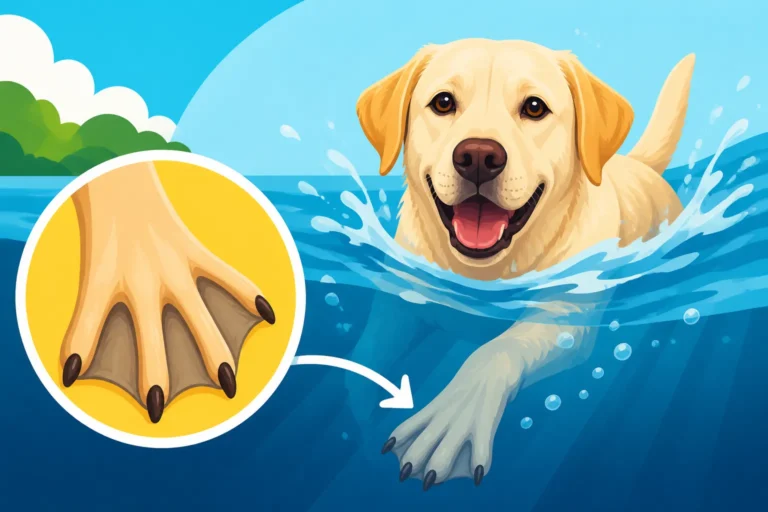
Consider diversifying their exercise routine. If you've mostly stuck to walks, introduce new activities. Swimming is fantastic for Labs – it's low-impact and incredibly tiring. Fetch in a large, safe area, or even agility classes, can provide both physical and mental stimulation. Think about hiking on varied terrain, or introducing a bikejoring setup (with proper training and safety gear, of course). The key is variety and intensity. A mentally and physically stimulated Labrador is far less likely to have excess energy to burn destructively indoors. Explore options on Chewy for durable outdoor toys and training equipment that can withstand a high-energy Labrador's enthusiasm.
Reinforcing Training and Structure
Even though your Labrador is older, training should never stop. In fact, a three-year-old often has the focus and maturity to excel at more advanced training. This is the perfect age to reinforce all those basic commands and introduce new ones, ensuring they remain sharp and responsive. Consider enrolling in advanced obedience classes, scent work, or even gundog training if their heritage leans that way. Training a Labrador From Puppy to Adult is a continuous journey, not a destination.
Consistent structure throughout their day also helps manage energy. A predictable routine, including designated times for exercise, feeding, training, and rest, can help your Labrador understand what's expected of them and minimize anxiety. When they know when they'll get their next burst of activity, they are often more content to relax in between. Don't forget the power of a good "place" command or teaching them to settle on a mat. These skills are invaluable for creating a calm environment indoors, even with a high-energy breed. Continuous training sessions, even short 5-10 minute bursts multiple times a day, can work wonders for both their mental state and your bond.
Recognizing When Energy is a Problem, Not Just Breed Trait
It's important to distinguish between typical Labrador exuberance and genuine behavioral issues stemming from unmet needs or underlying problems. A truly happy, well-exercised, and mentally stimulated three-year-old Labrador should be able to settle down and relax in the home after their activity. If your dog is constantly restless, pacing, destructive despite ample exercise, or exhibiting excessive barking, it might be more than just "being a Lab."
Sometimes, what appears as boundless energy is actually a sign of stress, boredom, or even an early health concern. Just like us, dogs can get stir-crazy and act out when they're not stimulated enough. It's easy to overlook subtle cues in a breed known for its stoicism, so paying close attention to their behavior patterns is key. Don't dismiss persistent issues as "just how Labradors are" without a closer look.
Signs of Boredom or Anxiety
A bored Labrador is a creative Labrador, and their creativity often manifests in ways we don't appreciate. If your three-year-old is suddenly chewing furniture, raiding the trash, barking excessively at every little noise, or relentlessly nudging you for attention even after a good walk, these can be strong indicators of boredom or insufficient mental stimulation. Why Labradors Bark at the Window or Why a Labrador Chews Through Adolescence often stems from unmet needs. They're trying to find a "job" for themselves, and if you don't provide one, they'll invent their own, which usually isn't aligned with your household rules!
Anxiety, particularly Separation Anxiety in Labrador Retrievers, can also be mistaken for high energy. A dog who barks, paces, or is destructive only when left alone might be experiencing distress, not just being "hyper." Other signs of anxiety can include excessive panting, drooling, or an inability to settle even when you are present. It's crucial to differentiate these behaviors from normal energy, as the management strategies are quite different. While more exercise helps a bored dog, an anxious dog often needs a multi-pronged approach involving desensitization, counter-conditioning, and sometimes even professional behavioral intervention.
Consulting a Professional
If you've implemented varied exercise, consistent training, and ample mental stimulation, and your three-year-old Labrador still seems perpetually overstimulated, destructive, or anxious, it might be time to bring in a professional. This isn't a sign of failure; it's a responsible step towards ensuring your dog's well-being and your household's peace. A certified professional dog trainer or a veterinary behaviorist can observe your Labrador's behavior, assess their environment, and help you identify specific triggers or underlying issues.
They can offer tailored advice and techniques that are specific to your dog's unique personality and your family's lifestyle. Sometimes, a fresh pair of experienced eyes can spot nuances that we, as owners, might miss. They can also help rule out any medical conditions that might be contributing to behavioral changes. Remember, Labradors are wonderful, resilient dogs, but they're not immune to needing a little extra help sometimes. Investing in professional guidance can make a world of difference in helping your three-year-old Labrador become the well-adjusted, joyful companion you both deserve. You might be surprised at how much even a single consultation can help. Labrador Training Class Costs or private sessions can be an excellent investment at this stage.
Disclaimer
This article is for general informational purposes only and does not constitute professional advice. Laws, prices and regulations vary by location and change over time. Consult a qualified professional for guidance on your specific situation.