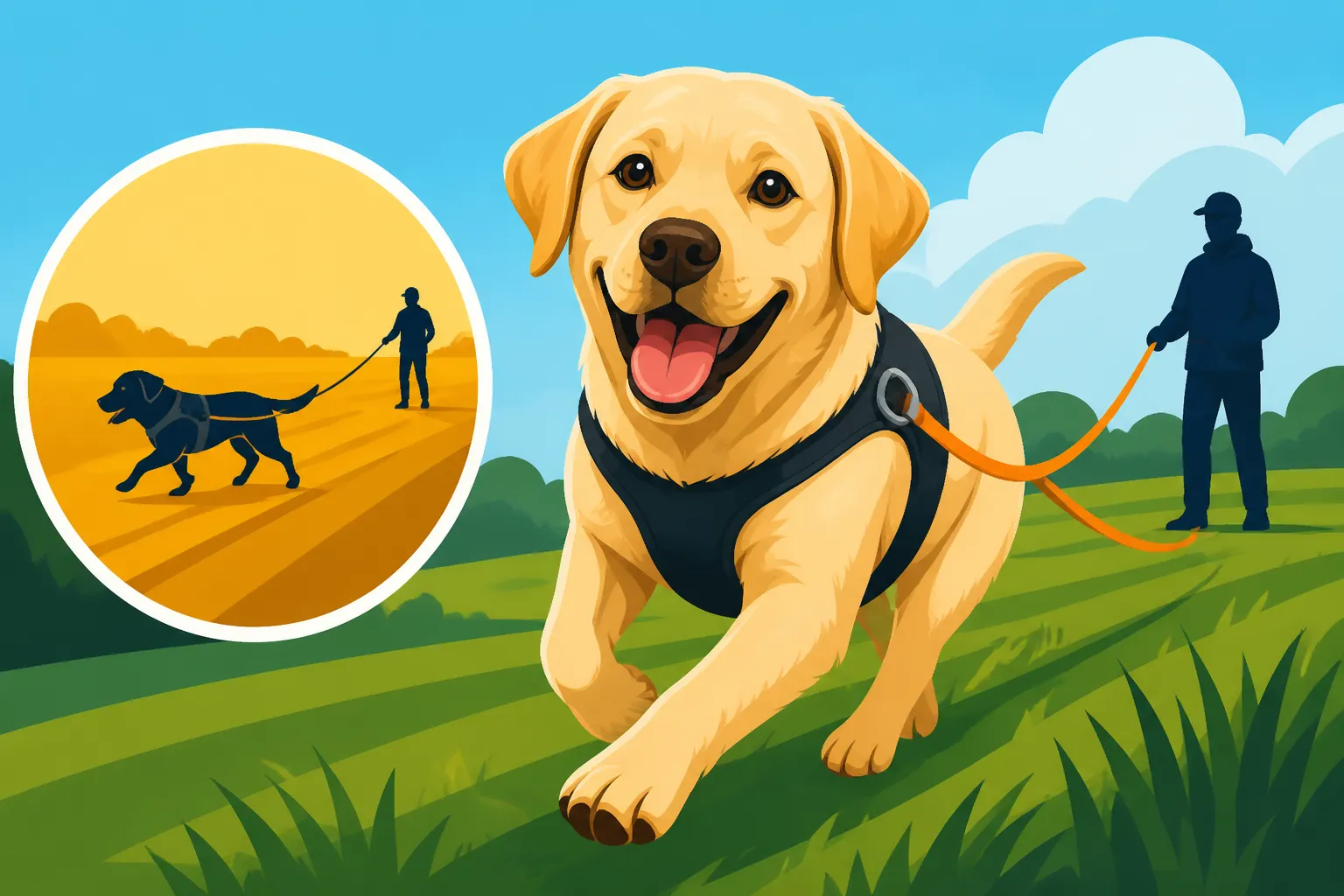
Exercise a Field Line Labrador Needs
One of the biggest eye-openers for new Labrador owners, especially those who've brought home a field line pup, is just how much boundless energy these dogs possess. They're not just "active"; they're a whirlwind of drive, stamina, and enthusiasm, and if that energy isn't channeled properly, you can quickly find yourself with a destructive, frustrated, or overly rambunctious companion. This guide is here to walk you through exactly what kind of exercise a field line Labrador needs to thrive, ensuring they're happy, healthy, and a joy to live with.
Understanding the Field Line Labrador's Drive
When we talk about "field line" Labradors, we're really talking about dogs bred specifically for working purposes: hunting, retrieving, and often competitive field trials. This isn't just a slight variation; it's a fundamental difference in their genetic makeup, temperament, and, most importantly, their energy levels and inherent drives. Unlike their more sedate show or "English" counterparts, field lines are lean, athletic, and perpetually "on."
The Genetics of High Energy and Drive
Imagine generations of selective breeding focused on speed, endurance, intelligence, and an insatiable desire to retrieve. That's your field line Labrador. Their ancestors were the dogs crashing through icy water to fetch ducks all day, or quartering fields tirelessly for upland game. This isn't something you can simply train out of them; it's deeply ingrained in their DNA. Owners often feel overwhelmed because they expect the calm, cuddly Labrador depicted in media, only to discover they have a canine athlete in their living room. Ignoring this powerful genetic heritage is like trying to convince a fish not to swim – it's just not how they're built. They need to work, and if you don't provide that work, they'll invent their own, often to the detriment of your furniture, landscaping, or sanity.
How Field Lines Differ from Show Lines
The difference between a field line and a show line Labrador can be quite stark, both physically and temperamentally. Show lines (often called "English" Labradors, though both types originated in England) are bred to meet the breed standard for conformation, focusing on a blockier head, thicker coat, and a generally more substantial, sometimes stocky, build. While still Labs, their energy levels are typically lower, and they're often described as calmer and more laid-back. They might be content with a couple of decent walks and some playtime in the yard.
Field lines, conversely, tend to be lankier, more athletic, and often have finer coats and narrower heads. Their bodies are built for endurance and agility, not for standing perfectly still in a show ring. Their minds are also wired differently; they are perpetually scanning for a "job," whether it's retrieving a dummy, following a scent, or simply exploring every nook and cranny of their environment. This means that while a show line might snooze after a 30-minute walk, a field line will still be looking at you, tail wagging, ready for the next adventure. Understanding these differences is crucial because what constitutes sufficient exercise for one type of Labrador will be woefully inadequate for the other. It's not about one being "better" than the other, but about knowing what you're getting and how to meet their specific needs. English and American Labrador Types elaborates on these differences further.
Daily Exercise Requirements for an Adult Field Labrador
For an adult field line Labrador, simply taking a walk around the block twice a day isn't going to cut it. Their exercise needs are significant, and they thrive on a combination of high-intensity physical activity and engaging mental stimulation. Think of it as needing to burn off fuel and also needing to solve puzzles.
Minimum Daily Activity
You should aim for at least 1.5 to 2 hours of vigorous exercise daily for an adult field line Labrador. And when I say "vigorous," I don't mean a leisurely stroll. I mean activities that get their heart rate up, challenge their muscles, and engage their minds. This might include a long, brisk run, intense retrieving sessions, swimming, or extensive off-leash exploration in a safe, fenced area. Breaking this up into two or three sessions throughout the day is often more effective than one marathon session, as it helps manage their energy spikes and prevents them from getting bored or destructive between outings.
Remember, this is a minimum. Many field Labs would happily do more, especially if they have a "job" to do. On days when you can't provide this much physical output, it's absolutely vital to substitute with increased mental stimulation to prevent frustration. A bored field Lab is a destructive Lab, and that's a frustration no one needs to experience with their beloved companion. Exercise a Labrador Needs Each Day dives deeper into general Labrador exercise.
Balancing Physical and Mental Stimulation
It's a common misconception that simply tiring a dog out physically is enough. While physical exertion is paramount for a field Lab, mental stimulation is equally, if not more, important. These dogs are incredibly intelligent and were bred to problem-solve in the field. If their minds aren't engaged, they'll find their own "puzzles" to solve, which often involves dismantling your couch, redesigning your garden, or meticulously unwrapping your toilet paper roll.
Think of incorporating activities like scent work, puzzle toys (especially those that involve food, as Labs are highly food-motivated), obedience training sessions, or even just teaching new tricks. A 20-minute scent game where they have to find hidden treats can be as tiring, if not more so, than a 30-minute walk, because it forces their brain to work. You could use brands like Chewy or Amazon to find a wide array of excellent puzzle toys that will keep their minds sharp and engaged. Varying their activities helps keep them interested and prevents them from becoming desensitized to certain forms of exercise. A good routine might be a morning run, a midday retrieving session, and an evening puzzle game or training session.
| Exercise Type | Physical Output | Mental Engagement | Recommended Frequency | Benefits for Field Labs |
|---|---|---|---|---|
| Running/Jogging | High | Low | Daily | Builds stamina, burns calories, strengthens muscles |
| Fetching | High | Medium | Daily | Satisfies retrieve drive, good cardio |
| Swimming | Medium-High | Medium | Several times a week | Low-impact, builds strength, great for hot weather |
| Scent Work/Tracking | Low-Medium | High | 3-4 times a week | Engages natural instincts, mentally exhausting |
| Obedience/Training | Low | High | Daily, short sessions | Builds bond, improves control, mental challenge |
| Agility | Medium-High | High | 2-3 times a week | Builds coordination, focus, physical fitness |
| Gundog Training | High | High | Daily, specialized | Ultimate outlet for their breed-specific drives |
Specific Activities to Channel Their Energy
To truly fulfill a field line Labrador's exercise needs, you need to think beyond the basics. These dogs excel when they have a purpose, and activities that tap into their natural instincts are often the most rewarding for both of you.
Retrieving and Water Work
This is where a Labrador truly shines! Retrieving isn't just a game; it's what they were born to do. Invest in high-quality retrieving dummies or balls and make fetching a structured, high-intensity activity. Don't just toss the ball aimlessly. Practice "blind retrieves" where the dog doesn't see where the dummy lands, forcing them to use their nose and problem-solving skills. Use multiple dummies for "marked retrieves" to challenge their memory. A good 30-45 minute retrieving session, where they are running, jumping, and thinking, can burn off an incredible amount of energy.
Water work is another fantastic outlet. Most Labradors adore swimming, and it's an excellent low-impact exercise that's easy on their joints, especially as they get older. Find a safe lake or pond and let them retrieve toys from the water. Be mindful of water quality and temperature, and always supervise. Water Retrieves for a Labrador in Summer offers great tips for safe water play. You'll see their entire demeanor change after a good session of focused retrieving or a refreshing swim.
Scent Work and Tracking
Remember that powerful nose Labradors possess? Put it to good use! Scent work, often called nose work, is an incredible mental workout. You don't need fancy equipment to start. Hide treats around the house or yard and encourage your Labrador to find them. As they get better, you can introduce specific scents, build longer trails, or even join organized classes. This activity taps into their primal hunting instincts and requires immense focus, leading to a truly tired, satisfied dog. Even just 15-20 minutes of intense scent work can be as tiring as a long run for their brain.
Tracking, where they follow a human scent trail, is another advanced form of nose work that field Labs often excel at. These activities are fantastic because they can be done almost anywhere and are particularly useful on days when weather limits vigorous physical exercise. You can find specialized scent kits and training aids on sites like Amazon to get started.
Obedience, Agility, and Canine Sports
Field Labs are incredibly intelligent and eager to please, making them fantastic candidates for advanced obedience, agility, and other canine sports. Regular obedience training, beyond just "sit" and "stay," provides crucial mental stimulation and strengthens your bond. Consider enrolling in advanced obedience classes or working towards titles like Canine Good Citizen.
Agility is another brilliant option. It combines physical speed and coordination with mental problem-solving, as your dog navigates an obstacle course. This sport is tailor-made for the athletic, intelligent field Labrador, giving them a constructive outlet for their energy and teaching them incredible focus.
Other canine sports like dock diving (leaping into water for distance or height), flyball (a team relay race involving jumping hurdles and retrieving a ball), or even competitive gundog work (the ultimate expression of their breeding) are all excellent ways to keep a field line Labrador engaged and exercised. These structured activities provide purpose and challenge, which is far more fulfilling for them than simply running laps in the yard. Gundog Training Costs for a Field Labrador might be helpful if you're looking to delve into specialized training.
Avoiding Over-Exercise and Injury
While field Labs are incredibly robust and energetic, it's crucial to understand the risks of over-exercising them, especially when they're young, or as they age. Pushing them too hard, too fast, or too long can lead to injuries and long-term health issues.
Protecting Joints in Growing Puppies
This is perhaps one of the most critical considerations for a field line Labrador owner. Labrador puppies, particularly large and fast-growing ones like field lines, are susceptible to joint damage if over-exercised during their crucial development period. Their growth plates (areas of cartilage at the ends of long bones) are still open and vulnerable until they close, typically around 12-18 months of age.
During this time, avoid high-impact activities like excessive jumping, long-distance running on hard surfaces, or repetitive, strenuous fetching sessions. Stick to shorter, frequent play sessions on soft surfaces like grass. Allow free play and exploration, but avoid forced exercise. Instead of running a mile with your 6-month-old pup, opt for several shorter, sniff-heavy walks and gentle play in the yard. Overdoing it now can contribute to problems like Labrador Hip and Elbow Dysplasia later in life. Remember the general rule of thumb: 5 minutes of structured exercise per month of age, twice a day, up to their adult recommendations. So a 4-month-old would get 20 minutes, twice a day. Labrador Puppy Health in the First Year goes into great detail on caring for young pups.
Recognizing Signs of Fatigue and Overheating
Field Labs are notorious for their drive; they'll often push themselves beyond their limits to please you, especially during retrieving games. It's up to you to know when enough is enough. Watch for subtle signs of fatigue: lagging behind, slowing down, excessive panting (even without a particularly warm day), drooling, or a reluctance to continue. Their enthusiasm can mask exhaustion, so be vigilant.
Overheating is a serious risk, especially for active Labradors with their dense double coats, particularly black Labradors, during warm weather or intense exercise. Signs of heatstroke include excessive panting, dark red gums, thick saliva, weakness, stumbling, and disorientation. If you see these signs, stop activity immediately, get your dog into the shade, offer water, and cool them down with wet towels. Always carry water for your dog on outings, and consider a cooling vest if you're exercising in warmer temperatures. Brands like Chewy or Amazon offer a variety of portable water bottles and cooling gear. Hot and Cold Weather Care for Labradors provides more essential tips.
The Importance of Warm-ups and Cool-downs
Just like human athletes, Labradors benefit greatly from proper warm-up and cool-down routines, especially before and after vigorous activity. A 5-10 minute brisk walk at the beginning of an exercise session helps prepare their muscles and joints, increasing blood flow and flexibility. This can reduce the risk of strains and sprains.
After an intense session, a similar 5-10 minute slow walk helps their heart rate return to normal, prevents blood pooling, and aids in flushing out metabolic waste products from their muscles. It also gives them a chance to stretch and relax. Skipping these steps, especially with a dog as athletic as a field Labrador, is like asking a cold rubber band to stretch its furthest – it's just asking for a snap. Incorporating this simple habit into your routine can go a long way in keeping your field Lab healthy and injury-free for years to come. It’s all about longevity and keeping those joints as healthy as possible. Slowing Joint Decline in an Older Labrador is a good read for long-term joint health.
Disclaimer
This article is for general informational purposes only and does not constitute professional advice. Laws, prices and regulations vary by location and change over time. Consult a qualified professional for guidance on your specific situation.