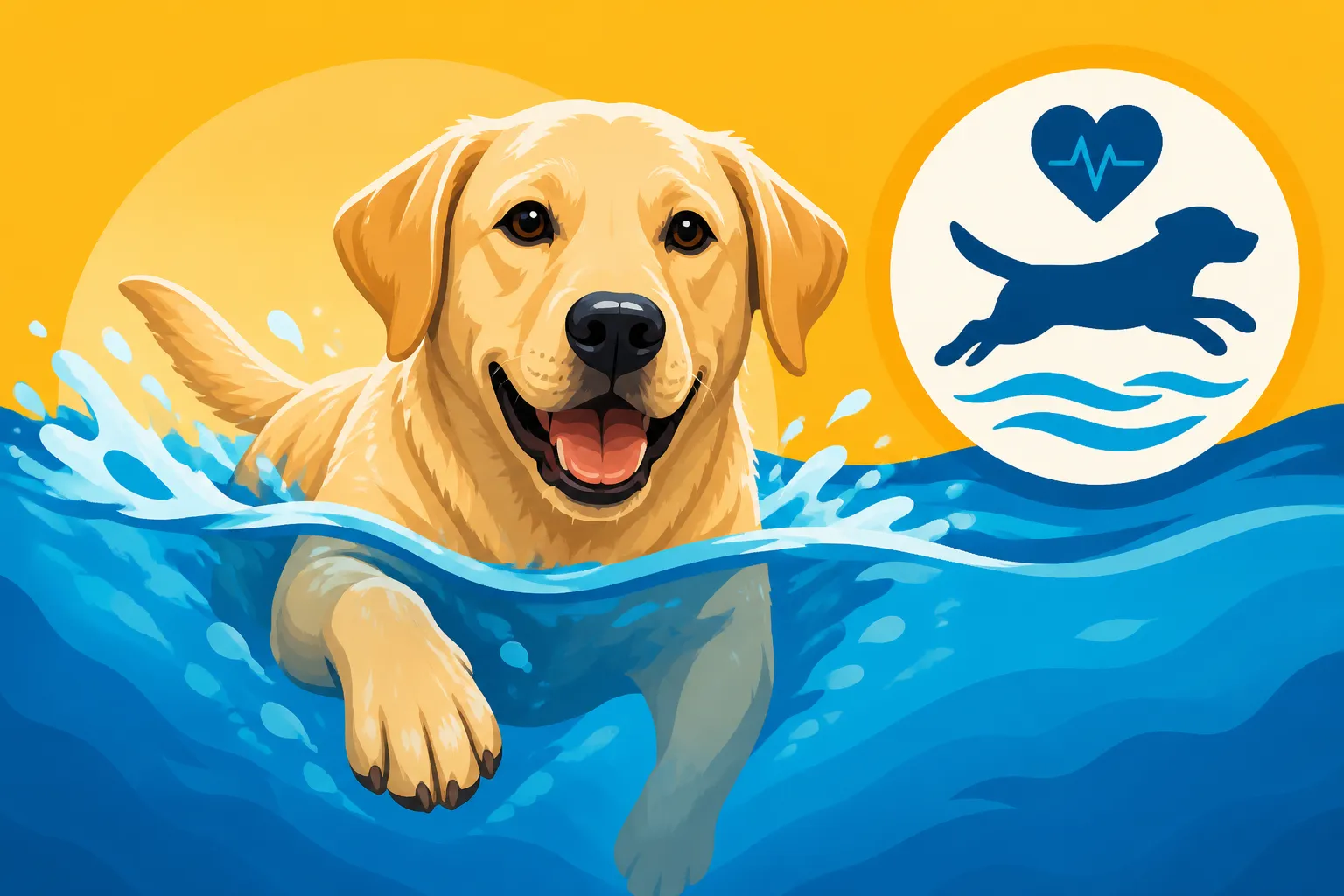
Swimming as Exercise for a Labrador
There's nothing quite like watching a Labrador dive into the water, pure joy radiating from every splash. While our water-loving companions seem born to swim, it's not always as simple as letting them loose. Many owners worry about safety, proper technique, and maximizing this incredible exercise. This guide will walk you through everything you need to know about making swimming a safe, effective, and joyful part of your Labrador's fitness routine, from puppyhood through their golden years.
Why Swimming is a Labrador's Best Friend for Exercise
For many of us, getting our Labradors enough exercise is a constant challenge. They are bundles of energy, often with an insatiable drive to move, play, and explore. While long walks and games of fetch are excellent, swimming offers a unique set of benefits that are particularly well-suited to the Labrador's physique and temperament. It's truly a full-body workout that's gentle on their joints.
Low-Impact, High-Reward Workout
One of the most significant advantages of swimming is that it's a non-weight-bearing exercise. This means it puts minimal stress on your Labrador's joints, making it an ideal activity for dogs of all ages, but especially for puppies and senior Labradors. Growing puppies have delicate growth plates that can be damaged by high-impact activities like repetitive jumping or long runs on hard surfaces. Swimming allows them to build muscle and stamina without the jarring impact. Similarly, for older Labradors who might be struggling with conditions like Labrador Hip and Elbow Dysplasia or general Labrador Arthritis in Middle Age, swimming provides fantastic cardiovascular exercise and muscle strengthening without exacerbating joint pain. I remember my old boy, Buster, in his later years. He couldn't go for his usual long hikes, but put him in the lake, and he'd be like a puppy again, paddling with surprising vigor and joy.
Beyond the low impact, swimming engages almost every muscle group in your Labrador's body. Their legs work to propel them, their core stabilizes them, and their neck and back muscles get a great workout too. This comprehensive muscle engagement helps build lean muscle mass, which is crucial for supporting joints and maintaining a healthy weight. Plus, the resistance of the water makes the workout more intense, meaning a shorter swim session can be as effective as a much longer walk on land.
Mental Stimulation and Instinctual Fulfillment
Labradors were literally bred for the water, descending from the St. John's Water Dog that worked alongside fishermen in Newfoundland. They retrieved fish, nets, and lost lines from icy waters, and this innate drive for water and retrieving is deeply ingrained in their DNA. Allowing your Labrador to swim and retrieve provides immense mental stimulation and fulfills these powerful natural instincts. It's not just physical exertion; it's a chance for them to be who they were born to be.
The pure joy a Labrador experiences in the water is palpable. It's not just exercise; it's a profound form of enrichment. Chasing a floating dummy or simply paddling around can be incredibly satisfying for them, burning off mental energy as much as physical. For Labradors who might be prone to anxiety or boredom-related behaviors, a good swim session can be a wonderful outlet. It gives them a "job" to do, even if that job is just "fetch the stick from the pond." This mental engagement often leads to a calmer, more content dog at home, reducing the likelihood of destructive behaviors that often stem from under-stimulation.
Safety First: Essential Precautions for Water Play
While Labradors are natural swimmers, it's crucial to remember that "natural" doesn't always mean "safe without supervision." Accidents can happen, and responsible pet ownership means taking every precaution to ensure your dog's safety in and around water. Think of it like taking a child to the pool; you wouldn't just let them jump in unsupervised, and the same goes for your furry family member.
Supervision and Life Jackets
The single most important safety measure is constant, vigilant supervision. Never leave your Labrador unattended near any body of water, no matter how confident a swimmer they are. Hidden currents, sudden drop-offs, underwater obstacles, or even just fatigue can turn a fun swim into a dangerous situation quickly. This is especially true in open water like lakes, rivers, or oceans.
For many Labradors, particularly those new to swimming, older dogs, or those swimming in unfamiliar or open water, a well-fitting life jacket is an absolute must-have. Even strong swimmers can get tired, caught in a current, or disoriented. A life jacket provides buoyancy, helps keep their head above water, and often has a handle on the back, which is incredibly useful for guiding your dog or lifting them out of the water if needed. When I first took my timid rescue, Sadie, to the lake, her life jacket from Chewy gave me such peace of mind. She was a natural, but it was there if she needed it. You can find excellent options on Amazon or specialized pet stores, just make sure it fits snugly but comfortably. Life Jackets for a Labrador in Open Water are a real game-changer.
Water Quality and Hidden Dangers
Not all water is created equal, and what looks clean to us might harbor unseen dangers for our dogs. Stagnant ponds, slow-moving rivers, or lakes after heavy rainfall can contain harmful bacteria, algae blooms (especially blue-green algae, which is highly toxic), or parasites. Always assess the water quality before letting your Labrador dive in. If the water looks murky, smells foul, or has visible scum on the surface, keep your dog out.
Beyond water quality, be aware of the environment itself. Strong currents in rivers, undertows at the beach, or steep, slippery banks can all pose risks. Look out for sharp rocks, broken glass, fishing lines, hooks, or other debris in and around the water. In areas with wildlife, be mindful of snakes, alligators (in warmer climates), or other animals that might pose a threat. Always check the temperature, too. Extremely cold water can lead to Cold Water Safety for a Labrador issues like hypothermia, even for a thick-coated Labrador, while overly warm water can contribute to overheating.
Getting Your Labrador Comfortable in the Water
While the stereotype of a Labrador is a dog who cannonballs into any available water source, not every Labrador is instantly a keen swimmer. Some might be hesitant, even a little fearful, especially if they haven't been properly introduced to water at a young age. Patience and positive reinforcement are key to building their confidence and making swimming a truly enjoyable experience.
Gradual Introduction and Positive Reinforcement
Start small and make it fun. Don't just throw your Labrador into deep water. Begin in a shallow area where they can easily touch the bottom, like a kiddie pool, a gentle lake shore, or a very calm, shallow river bank. Encourage them with treats and enthusiastic praise. Toss a favorite floating toy just a few feet away, tempting them to wade in. Many Labradors will naturally follow their retrieve drive.
The goal is to associate water with positive experiences. If your Labrador is particularly hesitant, you can even wade in yourself (if it's safe and comfortable) and gently encourage them to join you. Never force them or chastise them for being scared; this will only make them more averse. Short, happy sessions are much more effective than long, stressful ones. Gradually increase the depth and duration as their confidence grows. Remember, the first few times are about building trust and enjoyment, not Olympic swimming. A Socialization Checklist for a Labrador Puppy should definitely include positive water experiences.
Using Toys and Lures
Labradors are often highly motivated by toys, especially retrieving ones. This is a fantastic tool for encouraging them into the water. Choose floating toys that are highly visible and easy for them to grab. Soft, rubber dummies or brightly colored balls that float are usually big hits. Throw the toy just a little further each time, letting them feel successful with each retrieve.
You can also use high-value treats to lure a hesitant dog. Toss a treat into the very shallow water and praise them enthusiastically when they wade in to get it. Another trick is to have another confident, water-loving dog join them. Labradors are often social creatures, and seeing another dog happily splashing around can inspire them to join the fun. This peer pressure, in a positive way, can be surprisingly effective for a dog that's a bit wary. Just make sure the other dog is gentle and doesn't overwhelm your own.
Maximizing the Workout: Different Swimming Activities
Once your Labrador is comfortable and confident in the water, you can start to incorporate different activities to vary their workout, keep them engaged, and challenge them physically and mentally. Swimming isn't just about endless laps; it can be a dynamic and diverse exercise.
Structured Retrieves and Endurance Swims
Classic retrieving is perhaps the most natural way to combine a Labrador's instincts with a great swimming workout. Use durable, floating dummies or balls and throw them various distances. Start with shorter throws to build confidence, then gradually increase the distance to encourage longer swims. Vary the retrieve by throwing to different spots, making your dog think about where to go. This isn't just physical; it's a mental puzzle as they use their incredible scenting abilities and memory to pinpoint the exact location of the retrieve.
For endurance, try swimming alongside your Labrador (if you're a strong swimmer and the water is safe) or having them retrieve multiple items in a row. You can also vary the pace, encouraging them to swim a bit faster for a short burst before settling into a steady pace. Keep an eye on their energy levels; don't push them too hard, especially if they're not used to prolonged swimming. A good rule of thumb is to end the session while they still have energy and are having fun, leaving them wanting more. Remember that even though swimming is low-impact, over-exercising can still lead to fatigue. How Much Fetch a Labrador Actually Needs is a useful guide for balancing activity.
Interactive Play and Water Agility
Beyond traditional retrieves, you can introduce other forms of interactive play. If you have a dog-friendly splash pad or shallow entry pool, you can incorporate some simple 'water agility' elements. Guide them over low, submerged obstacles or encourage them to swim around markers. This adds a new dimension to their exercise, requiring problem-solving and focus in addition to physical effort.
For a true challenge and incredible fun, consider exploring dog dock diving if it's available in your area. This sport involves dogs running down a dock and leaping into a pool of water after a toy, competing for distance or height. It's a fantastic way to harness a Labrador's natural drive and athleticism, and the mental engagement of learning the sport is immense. Even if you never compete, the training for Dock Diving With a Labrador Retriever is a blast and an amazing workout. Remember, any new activity should be introduced gradually to build strength and confidence.
Post-Swim Care: Keeping Your Labrador Healthy
The fun doesn't end when your Labrador climbs out of the water. Proper post-swim care is essential to prevent common issues like ear infections, skin irritations, and even the dreaded limber tail. A few minutes of attentive care can save you and your dog a lot of discomfort and a trip to the vet.
Ear and Coat Care
Labradors, with their floppy ears, are highly prone to ear infections, especially after swimming. Moisture trapped in the ear canal creates a perfect breeding ground for bacteria and yeast. To prevent this, thoroughly clean and dry your Labrador's ears immediately after every swim. Use an ear cleaner specifically designed for dogs (your vet can recommend one), applying it as directed and gently massaging the base of the ear to help loosen debris. Then, use cotton balls or soft gauze to wipe away any excess moisture and cleaner. Never use cotton swabs, as they can push debris further into the ear canal or damage delicate structures. This simple step is vital for preventing Labrador Ear Infections and Swimming.
Their dense double coat, while fantastic for water repellency, can also trap moisture against the skin. Towel-dry your Labrador thoroughly, paying special attention to the undercoat and armpits. For Labradors that swim very frequently or have particularly thick coats, a high-velocity dog dryer can be a worthy investment, as it blasts away water more effectively than towels alone. While Labradors don't typically need extensive grooming, brushing them after drying can help remove any debris or tangles acquired during the swim and distribute natural oils, keeping their coat healthy. How Often to Bathe a Labrador can depend on how often they swim!
Paw Pad and Tail Health
After a swim, it's a good practice to check your Labrador's paw pads. Rough terrain around the water's edge, sharp stones, or hot surfaces can cause cuts, abrasions, or burns. Gently clean their paws and inspect between their toes for any debris, ticks, or injuries. If you notice any redness, swelling, or lameness, it's best to consult your vet. Hot Pavement and a Labrador's Paws is a year-round concern, so keep an eye on those pads.
Another unique condition to Labradors that love the water is "limber tail," also known as cold water tail, swimmer's tail, or sprained tail. This painful condition occurs when the tail muscles are overused, often during strenuous swimming, especially in cold water. Your Labrador's tail will hang limply or stick out a few inches and then drop, resembling a severe sprain. While usually not serious and resolving with rest and anti-inflammatory medication, it's incredibly uncomfortable for your dog. If you notice signs of Limber Tail After a Labrador Swims, keep them warm, restrict activity, and contact your vet for advice and pain relief. It looks scary, but usually clears up within a week or so.
When to Avoid Swimming
While swimming is fantastic exercise, there are times when it's simply not appropriate or safe for your Labrador. Knowing these situations can help prevent accidents, illness, and unnecessary stress for your dog. It's about being proactive and putting their well-being first.
Health Concerns and Injuries
Before introducing any strenuous exercise, including swimming, it's always a good idea to consult your veterinarian, especially for puppies, senior dogs, or those with known health issues. Certain conditions can make swimming dangerous. For example, dogs with heart conditions, respiratory problems, or severe arthritis might not be able to tolerate the exertion or cold water. If your Labrador has any open wounds, skin infections, or ear infections, swimming should be avoided as it can worsen these conditions.
Similarly, if your Labrador is recovering from an injury or surgery, swimming might be contraindicated or require specific veterinary guidance, such as hydrotherapy under professional supervision. Never assume that because it's "low-impact" it's automatically safe for a recovering dog. A dog with Cruciate Ligament Tears in Labradors might need specific rehabilitation, which may or may not include swimming, depending on the stage of recovery. Always follow your vet's advice regarding exercise restrictions.
Extreme Weather and Dangerous Conditions
Just like humans, Labradors can be affected by extreme weather. Avoid swimming in very cold water, which can lead to hypothermia, even for a thick-coated dog. Similarly, swimming in extremely hot weather carries the risk of overheating and heatstroke once they are out of the water, especially if they are exercising vigorously. Always provide ample shade and fresh drinking water on hot days, and consider early morning or late evening swims when temperatures are cooler.
Beyond temperature, watch out for severe storms, strong winds, or rough water conditions. High waves, strong currents, or debris carried by floodwaters can quickly overwhelm even the strongest swimmer. If there are any advisories for swimmers in your area, those likely apply to your dog too. Always prioritize safety over getting in a workout. If you wouldn't feel safe swimming in it, your Labrador probably shouldn't either.
Essential Gear for a Swimming Labrador
Having the right equipment not only enhances the swimming experience for your Labrador but also plays a crucial role in their safety and comfort. Think of it as their personal swim kit, tailored to their aquatic adventures.
Safety and Comfort Items
A good quality life jacket is at the top of the list, as discussed earlier. Even if your Labrador is a strong swimmer, a vest provides an extra layer of safety and confidence, especially in open water. Look for bright colors for visibility and sturdy handles for easy lifting. You can find many reputable brands on Chewy or Amazon that offer excellent life jackets.
Another essential item is a long retrieving lead or a tether for training and safety, especially when introducing a hesitant dog or practicing recall in new environments. This allows you to maintain control while giving them freedom to explore. A durable, floating retrieve toy is also a must-have, chosen for its visibility and ease of grabbing. These not only provide motivation but can also be used as a flotation aid for a tired dog to rest on temporarily.
| Item | Purpose | Key Features |
|---|---|---|
| Life Jacket | Safety, buoyancy, visibility, assistance | Bright color, sturdy handle, adjustable straps, D-ring for leash |
| Floating Toys | Motivation, enrichment, exercise, retrieval practice | Durable, highly visible, easy to grip, non-toxic materials |
| Long Line/Leash | Control, safety, training, recall practice | Lightweight, durable, waterproof material, secure clip |
| Ear Cleaner | Prevent infections, maintain ear health | Dog-specific formula, non-irritating, easy-to-use applicator |
| Absorbent Towels | Post-swim drying, prevent skin issues | Highly absorbent microfiber, quick-drying |
| Fresh Water | Hydration, prevent drinking unsafe water | Portable bowl, full water bottle |
| First-Aid Kit | Address minor injuries, emergencies | Basic wound care, bandages, vet wrap, antiseptic wipes, tick remover |
Post-Swim Care Tools
Beyond the immediate water activities, having the right tools for post-swim care is just as important. High-absorbency towels, ideally microfiber, are excellent for quickly drying your Labrador's coat and preventing chills. For those with particularly dense double coats, a forced-air dog dryer can make a huge difference in thoroughly drying down to the skin, which helps prevent skin irritations and hot spots.
As mentioned, a dog-specific ear cleaner is non-negotiable. Make it a routine to clean their ears after every swim to prevent moisture buildup and potential infections. Don't forget their regular grooming brush too; a good brushing after drying helps remove any debris caught in their fur and keeps their coat in top condition. By having these items readily available, you make the entire swimming experience safer, more enjoyable, and healthier for your beloved Labrador. Remember to always reward your Labrador after these care routines, associating them with positive outcomes. A tasty treat from a brand like Ollie, known for its fresh ingredients, can be a great incentive for enduring ear cleaning!
Disclaimer
This article is for general informational purposes only and does not constitute professional advice. Laws, prices and regulations vary by location and change over time. Consult a qualified professional for guidance on your specific situation.