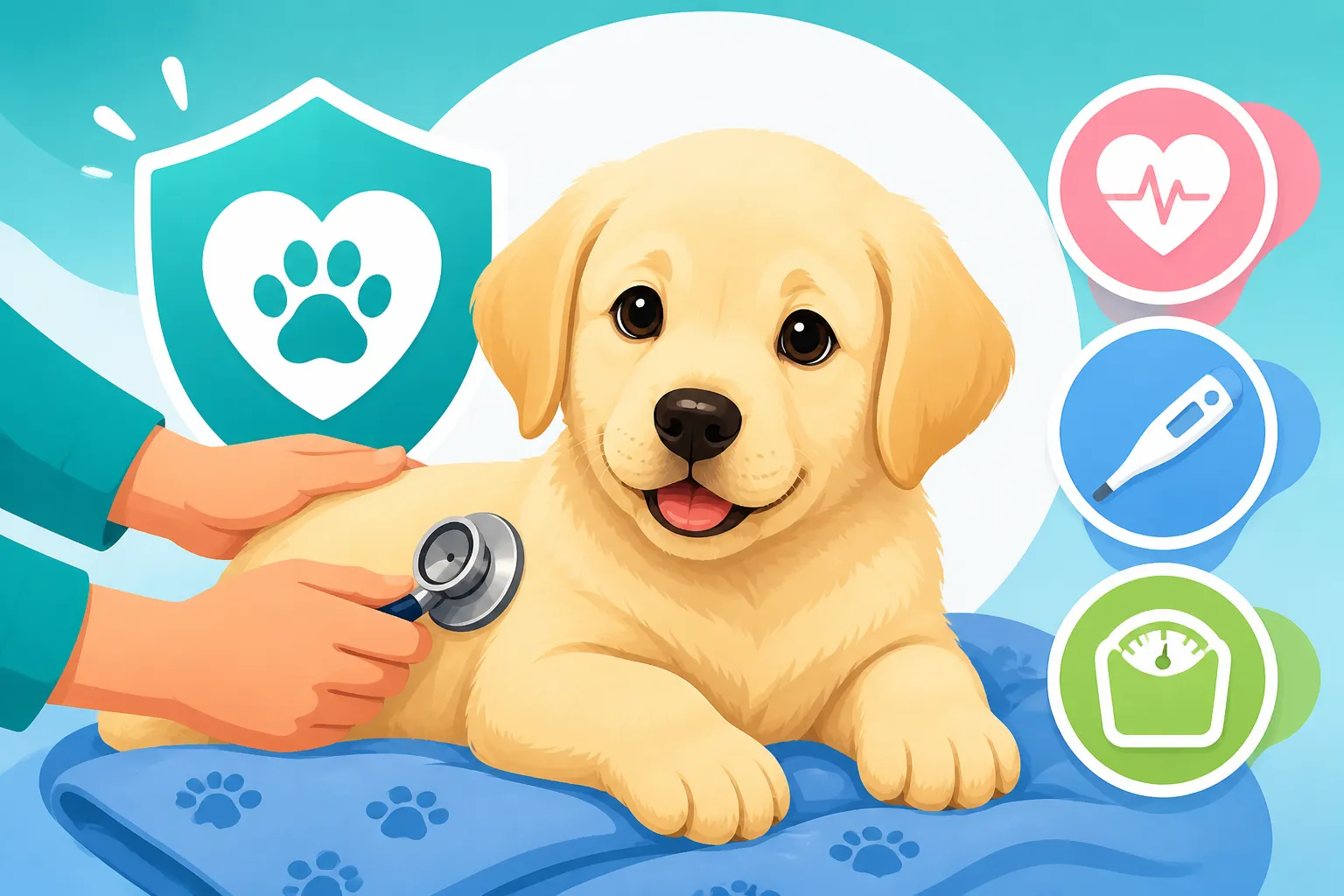
Health Checks in a Labrador Puppy’s First Week
Bringing home a new Labrador puppy is an incredibly exciting time, full of joy and adorable antics. But amidst all the wagging tails and puppy kisses, it's easy to feel a little overwhelmed and anxious about their health, especially during those crucial first few days. Many new owners worry constantly about whether their little bundle of energy is developing properly or if that tiny cough is something serious. This guide is here to walk you through the essential health checks you can perform at home and what to expect from your vet during your Labrador puppy's critical first week, helping you establish a solid foundation for a long, healthy life together.
Your Labrador Puppy's First Days: The At-Home Health Scan
The moment your Labrador puppy steps into your home, you become their primary caregiver and first line of defense when it comes to their health. While you're not a veterinarian, a daily once-over can alert you to potential issues early on, giving you peace of mind or prompting a necessary vet visit. Think of this as your puppy's introductory physical exam, performed with love and attention to detail.
Observing Your Puppy's Overall Demeanor
One of the simplest yet most powerful health checks is just observing your puppy's general behavior. A healthy Labrador puppy should be curious, playful, and energetic in bursts, followed by deep naps. They should be interested in their food and water, and respond to your presence.
If your puppy seems unusually lethargic, isn't playing, is uninterested in food, or is hiding more than typical, these are immediate red flags. While it's normal for them to be a little shy or overwhelmed the first day or two, sustained changes in energy or appetite warrant attention. Keep an eye on their thirst, too; excessive drinking or no drinking at all can be concerning. You want to see that happy-go-lucky, enthusiastic Labrador spirit beginning to emerge.
The Head-to-Tail Visual Inspection
Once you've observed their general behavior, it's time for a more hands-on, head-to-tail inspection. This doesn't need to be invasive or stressful; make it a bonding experience with gentle petting and praise.
- Eyes: Your puppy's eyes should be bright, clear, and free from discharge. Look for any redness, cloudiness, or excessive tearing. Labradors are prone to certain eye conditions later in life, so starting with healthy eyes is crucial. If you notice persistent squinting, inflammation, or any pus-like discharge, contact your vet.
- Ears: Gently lift your puppy's floppy Labrador ears. The inside should be clean, free of redness, odor, or any dark, waxy buildup. Puppies can sometimes get ear mites or early infections, especially if they came from a less-than-ideal environment. A healthy ear canal should look light pink and clean.
- Nose: A puppy's nose should generally be cool and moist, though it can be dry when they're sleeping. There shouldn't be any thick or discolored discharge, just perhaps a little clear moisture. Excessive sneezing or a runny nose with colored mucus could indicate a respiratory issue.
- Mouth and Gums: Gently lift their lips to check their gums. They should be a healthy bubblegum pink, indicating good circulation. Pale or bluish gums are an emergency. Check their tiny teeth; you might even notice some retained baby teeth in a Labrador puppy if their adult teeth are starting to push through prematurely. Their breath should smell relatively neutral, not foul.
- Coat and Skin: Run your hands through their dense Labrador coat. Feel for any lumps, bumps, or tender spots. Part the fur to look for fleas or ticks, especially around the ears, armpits, and groin. Their skin should be supple and free of redness, rashes, or scabs. Dandruff or excessive itching could point to allergies or parasites.
By conducting these simple checks daily, you become attuned to what's normal for your specific puppy, making it easier to spot when something might be amiss. Early detection is often key to quick recovery.
The Indispensable First Vet Visit for Your Labrador Puppy
Even if your Labrador puppy seems perfectly healthy, that first vet visit is absolutely non-negotiable. It’s not just a formality; it’s a comprehensive health check-up that lays the groundwork for their entire life. Many new owners are eager to get their puppy socialized and out and about, but it's important to remember that until they've had their full series of vaccinations, they're vulnerable. This first visit sets them on the right path.
What Your Veterinarian Will Be Looking For
Your vet will perform a much more in-depth examination than you can at home, using their professional tools and expertise. This is often referred to as a "nose-to-tail" exam and covers every major system.
- Comprehensive Physical Exam: Beyond what you checked, your vet will meticulously palpate their abdomen to feel for any abnormalities in internal organs, check their lymph nodes for swelling, and thoroughly examine their joints and gait. They'll listen to your puppy's heart and lungs with a stethoscope, checking for any murmurs, irregular rhythms, or signs of respiratory congestion. They’ll assess their body condition score, ensuring they're not too thin or already showing signs of being overweight.
- Parasite Screening: This is crucial. Even if your breeder dewormed your puppy, intestinal parasites are very common in young dogs. Your vet will usually ask for a fresh stool sample to perform a fecal exam, looking for microscopic eggs of worms like roundworms, hookworms, and whipworms. They'll also check for protozoa like giardia and coccidia. Most puppies will be sent home with a broad-spectrum dewormer, as some parasites aren't detectable on the first fecal exam. This also ties into establishing a regular parasite control schedule, including heartworm prevention for a Labrador.
- Developmental Assessments: The vet will assess your puppy’s growth plates, bone structure, and overall conformation. For a large breed like a Labrador, this is particularly important to monitor for early signs of developmental orthopedic diseases like Labrador hip and elbow dysplasia. They might also check for any umbilical hernias or other congenital anomalies that might not be immediately obvious.
This visit is also a fantastic opportunity for you to ask any questions you have about your puppy's specific needs, from dietary recommendations to behavioral quirks.
Starting the Vaccination and Prevention Schedule
A primary reason for the first vet visit is to begin your Labrador puppy vaccination schedule. Puppies receive maternal antibodies from their mother's milk, which protect them for the first few weeks, but these antibodies wane over time, leaving them vulnerable.
- Core Vaccinations: Your vet will administer the first dose of core vaccines, which typically include protection against canine distemper, parvovirus, adenovirus, and parainfluenza virus (often given as a "DHPP" or "DA2PP" combination). These are serious, often life-threatening diseases that every puppy needs protection against. Boosters will be required every few weeks until your puppy is around 16 weeks old to ensure full immunity.
- Non-Core Vaccinations: Depending on your location and your Labrador's lifestyle, your vet may also recommend non-core vaccines like Leptospirosis, Lyme disease, or Bordetella (kennel cough). Discuss your puppy's potential exposure risks with your vet to make informed decisions.
- Flea and Tick Prevention: Your vet will also advise on starting a regular flea and tick prevention regimen. There are many safe and effective options available, from oral medications to topical treatments. Given Labradors' love for the outdoors, this is a critical component of their preventative health care.
It’s tempting to want to take your new puppy everywhere, but until their vaccination series is complete, keeping them away from public dog parks and areas with unknown dog populations is crucial for their safety. The first vet visit is a cornerstone of responsible Labrador puppy health in the first year.
Understanding Potential Early Warning Signs
Even with the best care, puppies can encounter health challenges. Knowing what to watch for can help you act quickly and prevent minor issues from becoming major emergencies. It’s natural to worry, but becoming informed empowers you to recognize legitimate concerns.
Common Puppy Ailments and When to Worry
Puppies are curious and sometimes clumsy, and their immune systems are still developing. Some minor issues are common, but others require immediate veterinary attention.
- Gastrointestinal Upset: It’s not unusual for a puppy to have a loose stool or even vomit once or twice, especially with the stress of a new home, diet changes, or overeating. However, persistent vomiting, severe diarrhea (especially with blood or mucus), or projectile vomiting are serious. These can quickly lead to dehydration, which is very dangerous for puppies. If your puppy has watery diarrhea for more than a few hours, or is also lethargic and refusing food, it's time to call the vet.
- Coughing and Sneezing: A sporadic cough or sneeze might just be irritation, but a persistent, deep cough, especially if accompanied by nasal discharge, lethargy, or loss of appetite, could indicate kennel cough, pneumonia, or another respiratory infection. Given the communal environments puppies often come from, these are unfortunately common.
- Loss of Appetite or Lethargy: As mentioned earlier, a healthy puppy is generally eager to eat and play. A sustained loss of appetite (more than one missed meal) or prolonged lethargy (not just a post-play nap) is a clear sign that something is wrong and warrants a vet visit. Puppies can decline quickly, so don't delay.
- Limping or Difficulty Moving: While enthusiastic play can sometimes lead to a temporary limp after strenuous activity, persistent limping, reluctance to move, or crying out when touched can indicate injury or a more serious underlying issue like a developing joint problem. If your Labrador puppy shows signs of discomfort, especially after light activity, it's worth investigating. You'll want to avoid anything that causes how fast growth damages a Labrador's joints.
It’s always better to err on the side of caution. If you're ever in doubt about your puppy's health, a quick call to your veterinarian is the best course of action. They can advise whether you need to bring your puppy in or if it's something you can monitor at home.
Recognizing Signs of Congenital or Hereditary Issues
While reputable breeders screen their breeding dogs for many genetic conditions, some issues can still crop up in puppies. A vet's thorough first examination might uncover early indicators of these concerns.
- Heart Murmurs: During the physical exam, your vet might detect a heart murmur. While some "innocent" puppy murmurs resolve as they grow, others can indicate a congenital heart defect. If a murmur is found, your vet may recommend further diagnostics like an echocardiogram to determine its severity and whether treatment is needed.
- Umbilical Hernias: These appear as a soft bulge near the belly button. Small ones are often harmless and may close on their own, but larger ones can sometimes require surgical correction to prevent complications. Your vet will assess the size and reducibility of the hernia.
- Vision or Hearing Impairment: While rare, some puppies may be born with limited vision or hearing. A vet can conduct basic tests to check their responses. For Labradors, genetic panels worth running on a Labrador can screen for several eye conditions like Progressive Retinal Atrophy (PRA), though symptoms of some of these don't appear until later in life.
- Severe Malocclusions (Bite Problems): While a slight overbite or underbite might be cosmetic, a severe malocclusion where teeth don't meet properly can cause pain, difficulty eating, and dental damage. Your vet will assess your puppy's bite.
Catching these issues early allows for prompt management, and sometimes, interventions that can significantly improve your puppy's quality of life. Be open with your vet about any family history of health issues provided by your breeder.
Setting Up Your Labrador's Lifelong Health Foundation
The first week is just the beginning of a lifetime of care for your Labrador. Establishing good habits and resources early on will make all the difference in ensuring your dog thrives. It’s about more than just reacting to problems; it’s about proactive, preventative care.
Building a Strong Relationship with Your Veterinarian
Your veterinarian will be one of your most important partners in your Labrador's health journey. Think of them as your primary health advisor. Choosing a vet clinic that you trust, that communicates well, and that you feel comfortable with is paramount.
Regular check-ups aren't just for vaccinations. They provide an opportunity for your vet to monitor your Labrador's growth, catch subtle changes, and discuss preventative care as they age. This includes dental care, nutrition adjustments, and screening for age-related conditions. A good vet will educate you, involve you in decisions, and support you through all of your Labrador's life stages, from the first vet visit for a Labrador puppy to eventually caring for a senior Labrador. Don't be afraid to ask questions, voice concerns, and even seek a second opinion if you feel it's necessary. Open communication is key to a successful partnership.
Considering Pet Insurance from Day One
One of the most valuable decisions you can make in your Labrador's first week is to invest in pet insurance. While it might seem like an added expense when you're already buying all the puppy essentials, it's an investment in peace of mind. Labradors, being a large and active breed, can be prone to certain health conditions that often come with hefty treatment costs.
Conditions like Labrador hip and elbow dysplasia, cruciate ligament tears, or unexpected emergencies such as bloat surgery can run into thousands of dollars. Pet insurance, such as a comprehensive policy from Healthy Paws, helps mitigate these financial burdens. Most pet insurance policies, including those from Healthy Paws, have waiting periods before coverage begins, and critically, they typically do not cover pre-existing conditions. This means signing up your puppy while they are young and healthy is essential to ensure maximum coverage should issues arise later. Getting a policy from Healthy Paws early means that if your Labrador develops a condition in the future, it won't be considered pre-existing. This could save you a significant amount over their lifetime, especially for a breed prone to orthopedic issues. Whether insurance covers Labrador hip dysplasia, for example, often depends on when the policy was enacted relative to the diagnosis. A plan from Healthy Paws can provide that crucial financial safety net, allowing you to focus on your dog's recovery rather than the vet bill. Consider the long-term financial implications and how a plan from Healthy Paws can support your Labrador's health, ensuring you can always provide the best care without financial stress.
| Health Check Category | What to Look For | Why It's Important | When to Act |
|---|---|---|---|
| General Demeanor | Alert, playful, curious, eating/drinking normally. | Indicates overall well-being and health. | Lethargy, disinterest in food/play, hiding (persistent). |
| Eyes & Ears | Clear, bright eyes; clean, odorless ears. | Absence of infection, parasites, or congenital issues. | Redness, discharge, squinting, head shaking, odor, dark wax. |
| Nose & Mouth | Moist nose, pink gums, no foul odor. | Respiratory health, hydration, oral hygiene. | Excessive discharge, pale/blue gums, foul breath, severe bite issues. |
| Coat & Skin | Smooth coat, no flakes, no lumps/bumps, no parasites. | Skin health, detection of external parasites or growths. | Excessive scratching, bald spots, redness, fleas/ticks, tender areas. |
| Movement | Agile, steady gait, no limping or stiffness. | Musculoskeletal health, early detection of joint issues. | Persistent limping, reluctance to move, favoring a limb, crying out. |
| Digestion | Formed, consistent stools; no frequent vomiting. | Gastrointestinal health, proper nutrient absorption. | Severe/bloody diarrhea, persistent vomiting, severe constipation. |
Disclaimer
The information provided in this article is for general informational purposes only and is not a substitute for professional veterinary advice. Always consult with a qualified veterinarian for any health concerns or before making any decisions related to your Labrador's medical care.