Training a Labrador From Puppy to Adult
Bringing a Labrador Retriever into your home is an incredible adventure, full of boundless energy, sloppy kisses, and enough love to fill every corner of your life. But let's be honest, those adorable puppy eyes can quickly become a mischievous gleam if you don't set clear boundaries and guidance from day one. Many new Labrador owners feel overwhelmed by the sheer exuberance and intelligence of these dogs, often wondering how to channel all that enthusiasm into a well-behaved family member rather than a chaotic whirlwind. This comprehensive guide is here to walk you through the entire journey of training your Labrador, from those tiny, wobbly puppy steps to the confident, reliable adult you've always dreamed of sharing your life with.
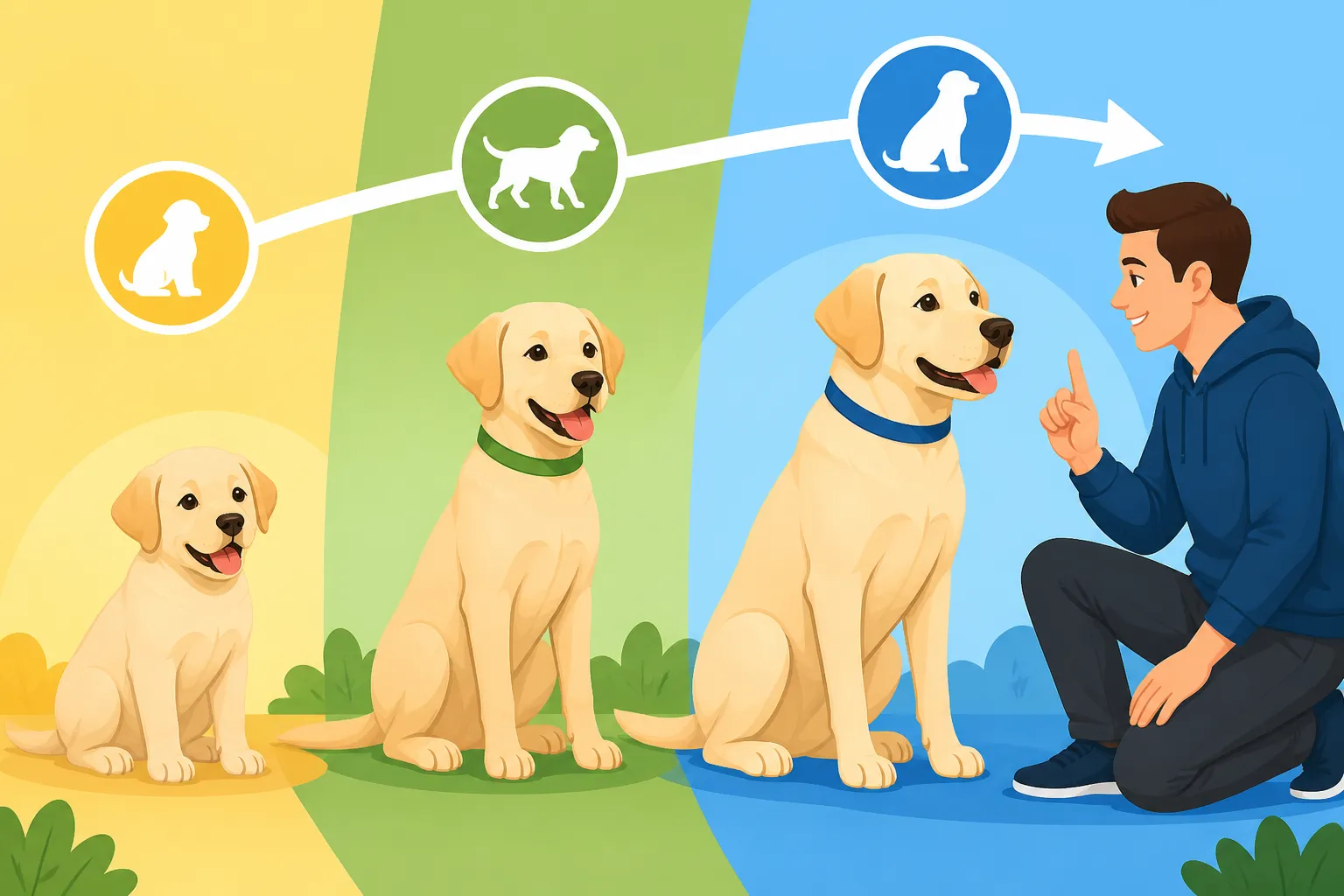
Laying the Foundation: Puppyhood (8-16 Weeks)
The first few weeks and months with your Labrador puppy are arguably the most crucial period for training and development. This isn't just about teaching commands; it's about shaping their entire understanding of the world and their place in it. Think of yourself as building the blueprint for their future behavior, piece by careful piece.
The Critical Window for Learning
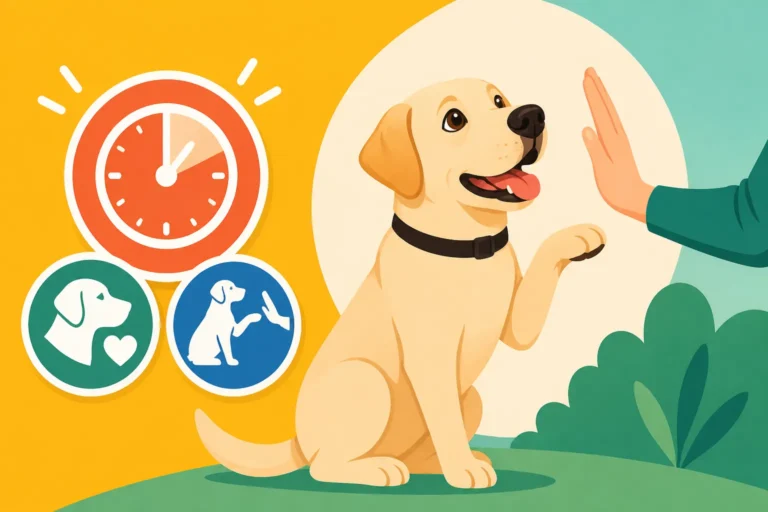
Your Labrador puppy's brain is like a sponge during these early weeks, soaking up every experience and lesson. This period, often called the primary socialization window, is a golden opportunity to introduce them to new concepts and behaviors in a positive, gentle way. Trying to cram everything into long, arduous sessions will only lead to frustration for both of you. Instead, focus on short, frequent training bursts – think five minutes here, ten minutes there – spread throughout the day. This aligns perfectly with a puppy's short attention span and helps them retain information more effectively.
For instance, when teaching "sit," don't expect them to hold it for an extended period right away. Ask for a sit, reward immediately, and then release them to play. Repeat this a few times, then take a break. You'll be amazed at how quickly they pick up on cues when the learning is fun and doesn't feel like a chore. Remember, patience is your most important tool during this phase, even when it feels like your puppy has forgotten everything you taught them five minutes ago. Celebrate every tiny success, and don't dwell on the mistakes; simply redirect and try again. They're doing their best to understand our strange human rules!
Starting with Basic Manners and House Training
Beyond the cute antics, your puppy needs to learn some fundamental life skills. The essentials, like "sit," "stay" (even for a few seconds initially), and a reliable "come" are your starting points. Use high-value treats and enthusiastic praise to make these commands irresistible. For "come," practice in a distraction-free environment first, making yourself exciting and rewarding them lavishly when they respond. This builds a positive association with coming when called, which is vital for their safety later on.
House training often feels like the biggest mountain to climb, but with consistency, your Labrador will get it. Establish a strict potty schedule – every 20-30 minutes for young puppies, after waking, after eating, before and after playtime, and right before bed. Always take them to the same designated potty spot and reward them immediately with praise and a treat the moment they finish. Crate training is an invaluable tool here, as it taps into a dog's natural instinct not to soil their den. A properly sized crate, just big enough for them to stand up, turn around, and lie down comfortably, helps with both house training and providing a safe haven. For more specific guidance, explore resources like Potty Training Schedule for a Labrador Puppy. Another common hurdle is Labrador Puppy Mouthing and How to Redirect It. Labradors use their mouths to explore the world, so providing appropriate chew toys and redirecting their nibbling from your hands to a toy is crucial. Yipping loudly and withdrawing attention can also help teach bite inhibition.
Early Socialization: More Than Just Play Dates
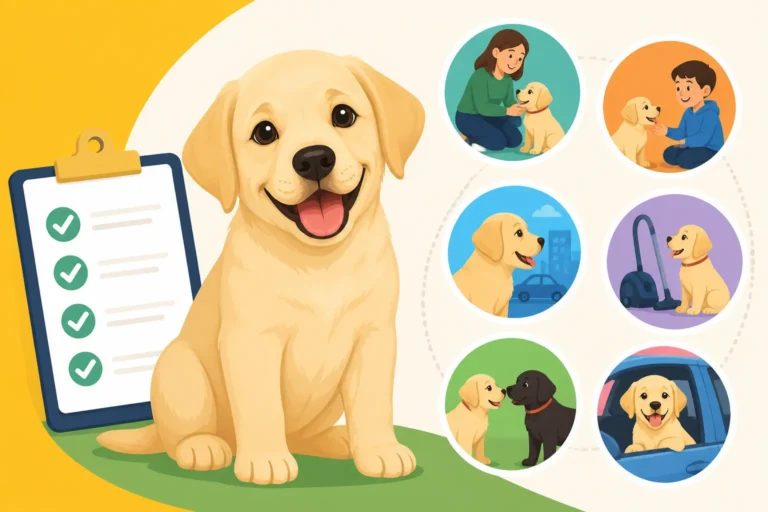
Socialization isn't just about letting your puppy romp with other dogs, though that's certainly part of it. It's about exposing them to a vast array of new experiences in a positive, controlled manner during their critical developmental window. Think of it as building their confidence to navigate a busy, sometimes noisy, human world. This includes meeting different types of people (kids, adults, people with hats or glasses, people in wheelchairs), hearing various sounds (vacuum cleaners, traffic, sirens), encountering different surfaces (grass, pavement, gravel), and seeing different environments (parks, quiet streets, even the vet's office for a happy visit).
Always aim for positive experiences. If your puppy seems hesitant, don't force them into a situation. Instead, create distance, offer a high-value treat, and let them observe at their own pace. The goal is to create positive associations: new things = good things. A well-socialized Labrador is far less likely to develop fear-based aggression or anxiety later in life. Puppy classes are fantastic for this, offering a structured environment for safe play and exposure. Even before all vaccinations are complete, you can carry your puppy to different places or expose them to new sights and sounds from a distance, or introduce them to known, vaccinated adult dogs. The world can be a big, scary place, and it's our job to help them understand it's mostly a wonderful one.
Navigating Adolescence: The "Teenage" Labrador (4-18 Months)
Just when you thought you had this training thing down, your adorable, obedient puppy hits adolescence. Suddenly, it can feel like you've adopted a completely different dog – one with selective hearing and an uncanny ability to forget every command they once knew. Welcome to the "teenage" years of Labrador ownership!
The Rebellious Phase and Why It Happens
If your once-perfect puppy suddenly seems to have an attitude, you're not alone. This is often referred to as the "compliance drop" and it's a completely normal, albeit frustrating, part of canine development. Just like human teenagers, adolescent Labradors are testing boundaries, exploring their independence, and often seem to forget everything they learned during puppyhood. Hormonal changes play a significant role here, as does the maturation of their brain. Their recall might vanish the moment they catch a scent, and their focus might be entirely on sniffing a bush rather than on you.
It's easy to get frustrated, even angry, but remember that your Labrador isn't doing this to spite you. Their brains are literally rewiring, and their instincts are becoming stronger. This is the time to double down on consistency, patience, and positive reinforcement. Don't fall into the trap of repeating commands until you're hoarse; if they're not responding, it likely means the environment is too distracting, or they haven't generalized the command well enough yet. Take a deep breath, simplify the request, and set them up for success. This phase can be challenging, but it's also where you solidify your bond and teach them resilience. You can read more about The Labrador Compliance Drop at Six Months to understand this period better.
Refining Core Commands and Impulse Control
Adolescence is the perfect time to "proof" your Labrador's basic commands, meaning they should be able to perform them reliably in a variety of distracting environments. Start in a quiet room, then move to a slightly more distracting area like your yard, then a quiet park, and gradually increase the difficulty. If your Labrador struggles, go back a step. Key commands like "sit," "stay," and especially "come" need to be rock solid. Labrador Recall and Working Off Leash is a huge goal, but it takes consistent work, starting in secure areas with a long line before attempting off-leash freedom. Make coming to you the most rewarding thing ever, with treats, praise, and exciting play.
Impulse control is another huge focus. Your enthusiastic Labrador often acts first and thinks later. Commands like "leave it" and "drop it" are vital, not just for good manners but for their safety (think dropped pills or dangerous objects on a walk). Practice "leave it" with low-value items first, then gradually increase to higher-value temptations, rewarding them heavily for choosing to ignore the item on cue. This also applies to managing their incredible strength on walks. Stopping a Labrador From Pulling on Leash will become a daily battle if not addressed. Tools like front-clip harnesses can be helpful, but consistent training and rewarding loose-leash walking are the ultimate solutions.
Channeling That Famous Labrador Energy
Labradors, especially adolescent ones, are practically bundles of energy. If this energy isn't channeled constructively, it will find its own (often destructive) outlets. This is why you might find your shoes chewed or a new crater in your backyard. Structured exercise is paramount. Daily walks are good, but Labradors thrive on activities that engage both their bodies and minds. Think about incorporating more vigorous activities like fetch, swimming, or even short runs (once their growth plates have closed, usually around 12-18 months).
Beyond physical exertion, mental stimulation is equally important. Puzzle toys, snuffle mats, and engaging in short training sessions throughout the day can tire a Labrador just as much as a long walk. Consider introducing them to dog sports like agility, scent work, or even formal obedience. These activities provide an outlet for their intelligence and natural athleticism. If you're noticing Labrador Chewing Through Adolescence, make sure they have a variety of appropriate, durable chew toys available and redirect any unwanted chewing immediately. A bored Labrador is often a destructive Labrador, so keeping their minds and bodies active is your best defense. If you're struggling to keep up with their exercise needs, consider looking into a service like a professional dog walker. Hiring a Dog Walker for a Labrador can be a lifesaver for busy owners.
The Adult Labrador: Consistency is Key (18 Months Onward)
Congratulations, your Labrador has officially entered adulthood! While the chaotic energy of adolescence might have mellowed a bit, the training journey is far from over. In fact, this is where you solidify all those foundations and truly enjoy the fruits of your labor, but only with continued commitment and consistency.
Maintaining Good Habits and Addressing Regressions
Even a well-trained adult Labrador benefits from ongoing reinforcement. It’s a bit like us going to the gym; if we stop, we lose our progress. Continue to practice commands regularly, even the ones they know perfectly. Short, fun sessions once or twice a week keep their skills sharp and their minds engaged. This doesn't have to be formal training; it can be asking for a "sit" before dinner, a "stay" while you answer the door, or a "come" from across the yard.
Occasionally, you might notice a regression in behavior – perhaps they start pulling on the leash again or forget their "leave it" cue in a new situation. Don't panic. This is usually a sign that you need to go back to basics in that specific context. Re-evaluate the environment, reduce distractions, and reward heavily for correct responses. Remember, training is a partnership, and sometimes we need to remind our adult dogs what's expected, especially if their routine has changed or they encounter a novel situation. A little refresher course can go a long way in maintaining those hard-earned good habits.
Advanced Training and Canine Sports
For many Labrador owners, adulthood opens up a whole new world of advanced training and canine sports. These activities are fantastic for keeping your intelligent and athletic Labrador physically and mentally stimulated. Obedience trials, rally obedience, agility, flyball, dock diving, and scent work are all popular choices that many Labradors excel at. Their natural retrieving drive makes them phenomenal candidates for Gundog Training Costs for a Field Labrador or retrieving games, even if you never intend to hunt.
These activities aren't just for competition; they strengthen your bond with your dog, build their confidence, and provide a constructive outlet for their energy and intelligence. Plus, they're incredibly fun for both of you! Exploring new challenges prevents boredom and can even extend their cognitive abilities into old age. Don't feel pressured to compete; participation for fun and enrichment is perfectly valid and incredibly beneficial. Look for local clubs or trainers who offer beginner classes in these various dog sports. You might discover a hidden talent in your furry friend!
Addressing Specific Behavioral Challenges
While adult Labradors are generally well-behaved, some specific challenges can persist or emerge. Labrador Counter Surfing and Food Theft is a classic Labrador trait due to their intense food drive. Consistency is key here: never leave food unattended, use management like baby gates or crate time during meal prep, and reinforce "leave it." Excessive barking can be another issue, often triggered by boredom, attention-seeking, or guarding. Identifying the trigger is the first step, then working on redirecting the behavior or desensitizing them to the trigger. Digging, while less common for all Labs, can be a problem for some, often stemming from boredom or a desire to cool down. Providing a designated digging area can sometimes help.
If you encounter persistent behavioral issues that you're struggling to manage on your own, don't hesitate to seek professional help. A certified professional dog trainer or a veterinary behaviorist can provide tailored strategies and support. Sometimes, subtle signs like changes in appetite or unusual hiding might be indicative of pain, and it's always worth ruling out a medical issue if behavior suddenly shifts. Remember, a stoic Labrador might hide discomfort, so learning to recognize Reading Pain in a Stoic Labrador can be really helpful. Addressing problems early makes them easier to resolve and ensures a happier life for everyone.
Common Labrador Training Challenges and Solutions
Labradors are wonderful dogs, but they come with their own unique set of quirks and challenges. Understanding these common traits can help you proactively address them and prevent them from becoming full-blown problems.
The Labrador's Insatiable Appetite
If you own a Labrador, you know this one intimately. Their love affair with food is legendary. This incredible food drive is both a blessing and a curse in training. On one hand, it makes them incredibly motivated learners – a treat is usually all it takes! On the other hand, it means constant vigilance around food, both human and canine. Portion Control for a Food-Obsessed Labrador is non-negotiable to prevent obesity, which is a common issue for the breed and can lead to serious health problems. Using a kitchen scale to measure their kibble accurately can be a game-changer, rather than relying on imprecise scoops.
This intense food drive also fuels behaviors like counter-surfing, trash raiding, and begging. The solution lies in a combination of strict management and consistent training. Never leave food unattended on counters or low tables. Teach a strong "leave it" command and reward heavily when they ignore tempting food. Puzzle feeders and slow-feeder bowls can help them "work" for their meals, slowing down their eating and providing mental stimulation. Remember, for a Labrador, every crumb is a treasure, so you need to be one step ahead!
Managing the "Otter Tail" and Bouncing Enthusiasm
That famously strong "otter tail" is a true breed hallmark, but it can also be a wrecking ball in a small living room! Coupled with their bouncing enthusiasm when greeting people, it can be a recipe for bumped shins, knocked-over lamps, and even accidentally intimidating visitors. Labradors are so genuinely happy to see everyone that they often forget their size and strength.
Teaching polite greetings is paramount, especially if you have children or elderly visitors. Start with teaching a "four on the floor" rule: all four paws must be on the ground for them to receive attention. When someone approaches, ask for a "sit" and reward calm behavior. If they jump, the person should immediately turn their back and ignore the dog until all four paws are down. Consistency from everyone who interacts with your Labrador is crucial. It’s also helpful to teach them to go to a mat or bed when visitors arrive, rewarding them for staying there until released. Over time, they learn that calm greetings earn attention, while jumping makes the fun stop.
Soft Mouth, Hard Instincts: Chewing and Carrying
Labradors were bred to retrieve delicate waterfowl without damaging them, hence their famous "soft mouth." However, this doesn't mean they won't chew through your favorite pair of shoes if given the opportunity! Their instinct to carry things in their mouths is strong, and sometimes it translates into chewing for exploration, comfort, or just plain boredom.
Providing a wide variety of appropriate chew toys is essential. Rotate them regularly to keep things interesting. Puzzle toys filled with treats, durable rubber chew toys, and even safe bully sticks can satisfy their urge to chew. When you catch them chewing something inappropriate, calmly interrupt the behavior, remove the item, and immediately offer an appropriate chew toy. Praise them when they take the toy. Teaching a reliable "drop it" and "leave it" is invaluable here. Practice with their toys, rewarding them when they release the item on cue. This is especially important if they pick up something dangerous or valuable. With a Labrador, anything left within reach is fair game, so proactive management and redirection are your best friends.
Choosing the Right Training Tools and Resources
Successful Labrador training isn't just about what you do, but also the tools and resources you use to support your efforts. The right gear and the right approach can make a world of difference.
Essential Gear for Every Labrador Owner
Having the right equipment from day one can make training much smoother. Here’s a basic checklist:
- Leash: A standard 6-foot leash made of nylon or leather is a good starting point. Avoid retractable leashes, as they offer little control and can teach your dog to pull.
- Collar: A flat buckle collar is fine for ID tags, but for training, many Labrador owners find a martingale collar helpful. It tightens slightly under tension, preventing escape artists from backing out, but doesn't choke like a slip lead. For strong pullers, a front-clip harness can be excellent, as it redirects their pulling power back towards you, making it harder for them to drag you along. These are readily available on platforms like Amazon and come in various sizes and styles.
- Crate: As mentioned before, a well-sized wire or plastic crate is invaluable for house training, providing a safe den, and managing your dog when you can't actively supervise.
- High-Value Treats: Keep a variety on hand! Small, soft, smelly treats work best for training, as they are quick to eat and highly motivating. Cut larger treats into pea-sized pieces to avoid overfeeding.
- Treat Pouch: Wearing a treat pouch makes it easy to quickly reward your Labrador for desired behaviors, ensuring precise timing which is crucial for effective training.
- Appropriate Chew Toys: Durable, size-appropriate toys like Kongs, Nylabones, or West Paw products can satisfy their chewing needs and keep them occupied.
Having these basics ready will set you up for success and prevent common struggles.
Training Methods: Positive Reinforcement Above All
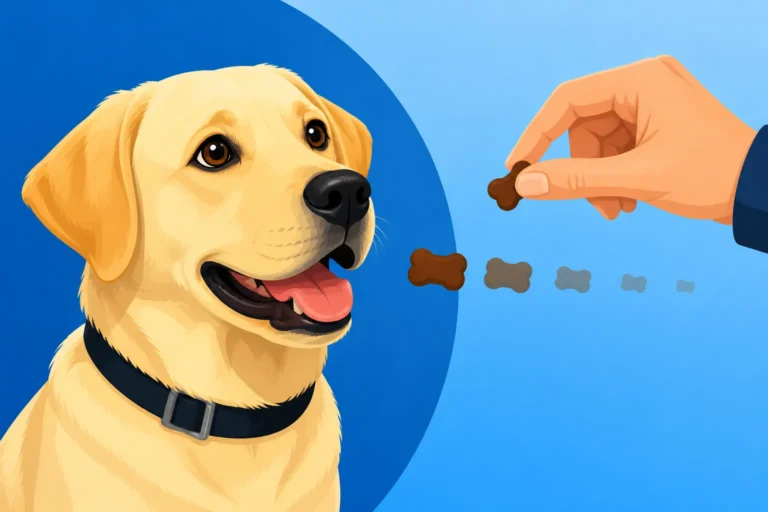
For Labradors, and indeed most dogs, positive reinforcement is by far the most effective and humane training method. This means rewarding desired behaviors with something your dog values – typically treats, praise, or a favorite toy. The idea is simple: if a behavior is rewarded, the dog is more likely to repeat it. Labradors respond exceptionally well to this approach due to their inherent desire to please and their strong food drive.
Avoid harsh corrections, yelling, or physical punishment. Not only are these methods detrimental to your relationship with your dog, but they can also create fear, anxiety, and aggression, making training much harder in the long run. Instead, focus on setting your Labrador up for success. If they aren't performing a command, it's usually because they don't understand what you're asking, the environment is too distracting, or the reward isn't motivating enough.
Clicker training can be a fantastic tool for Labradors. The clicker marks the exact moment your dog performs the desired behavior, creating a clear communication signal that's faster and more precise than verbal praise alone. Follow every click with a treat, and your Labrador will quickly learn what you're asking. For more insights into how short, frequent sessions can optimize learning, check out Why Five Minute Sessions Work on a Labrador.
When to Seek Professional Guidance
While this guide provides a solid framework, there will be times when a professional trainer's expertise is invaluable. Don't view seeking help as a failure; view it as an investment in your Labrador's future and your relationship with them.
You might consider professional guidance if:
- You're struggling with specific, persistent behavioral issues like severe leash reactivity, separation anxiety, or aggression.
- You're a first-time dog owner and feel overwhelmed by the process.
- You want to advance into specific dog sports or specialized training.
- Your Labrador exhibits fear or anxiety that you can't manage on your own.
When looking for a trainer, prioritize those who use positive reinforcement methods and are certified by reputable organizations. Avoid trainers who advocate for harsh or aversive techniques. Many excellent online resources are also available. For instance, BAXTER & Bella offers comprehensive online puppy training programs that can guide you through every stage, providing structured lessons and live support. Group classes are wonderful for socialization and learning in a controlled environment, while private sessions offer tailored solutions for specific challenges. Ultimately, Choosing a Trainer for a Labrador is a personal decision, but one that can significantly impact your dog's development and your enjoyment of their companionship.
The Lifelong Journey: Beyond Formal Training
Training a Labrador isn't a one-time event; it's a continuous, evolving process that strengthens your bond and enriches both your lives. Once the formal lessons are learned, the real magic happens as training becomes an integrated part of your daily routine.
Everyday Training Opportunities
The beauty of living with a Labrador is that almost every interaction can be a training opportunity. You don't need dedicated "training sessions" every day once they've mastered the basics. Instead, weave those lessons into your daily life. Ask for a "sit" before opening the door for a walk. Request a "down" before putting their food bowl down. Practice "stay" while you grab the mail. Use their name and reward them for making eye contact with you.
Consistency across all family members is absolutely vital. If one person allows counter-surfing while another corrects it, your Labrador will become confused and progress will slow. Ensure everyone in the household understands the rules and the cues, and uses the same language and reinforcement methods. This creates a clear, predictable environment where your Labrador feels secure and understands what's expected of them, reinforcing their good habits and making them a truly well-mannered companion.
Understanding Your Labrador's Unique Personality
While Labradors share many wonderful breed traits – their friendly nature, intelligence, and retrieving drive – each dog is an individual. Just like people, they have unique personalities, quirks, and sensitivities. Some Labradors are more outgoing, others more reserved. Some are incredibly food motivated, while others prefer toy rewards. Some might be more sensitive to loud noises, while others are unphased.
Part of being a great Labrador owner is learning to observe and understand your dog's specific personality and adjusting your approach accordingly. If your Labrador seems easily distracted by certain things, build up their tolerance gradually. If they seem shy, create positive associations with new experiences at their pace. Don't try to fit your dog into a pre-conceived mold; instead, adapt your training and lifestyle to celebrate their individuality. This deeper understanding will not only make training more effective but will also forge an even stronger, more empathetic bond between you and your loyal companion. For a broader overview of what makes these dogs tick, read more about Labrador Temperament and What to Expect.
The Joy of a Well-Trained Companion
The ultimate reward for all your hard work and consistency isn't just a dog who knows commands; it's a Labrador who is a truly integrated, joyful member of your family. A well-trained Labrador is a pleasure to take anywhere – to the park, on hikes, to visit friends, or even just for a quiet evening at home. They are more confident, less anxious, and better able to navigate the human world safely and politely.
This deep foundation of training builds trust and strengthens the incredible bond you share. It allows you to communicate effectively, understand each other's needs, and share a lifetime of happy experiences. There's immense satisfaction in seeing your Labrador respond reliably, knowing that you've given them the tools to be their best self. From those early, clumsy puppy days to their dignified senior years, the effort you put into training your Labrador will pay dividends in companionship, loyalty, and unconditional love, making every moment with them truly special.
Disclaimer
This article is for general informational purposes only and does not constitute professional advice. Laws, prices and regulations vary by location and change over time. Consult a qualified professional for guidance on your specific situation.