Retinal Dysplasia in Labrador Puppies
Finding out your beloved Labrador puppy might have a vision problem like Retinal Dysplasia can hit you like a ton of bricks. It’s normal to feel a surge of worry and confusion, wondering what this means for their future and how you can best support them. This guide is here to walk you through understanding retinal dysplasia in Labrador puppies, from its causes and symptoms to management and prevention, helping you navigate this journey with confidence and care for your furry family member.
What Exactly Is Retinal Dysplasia?
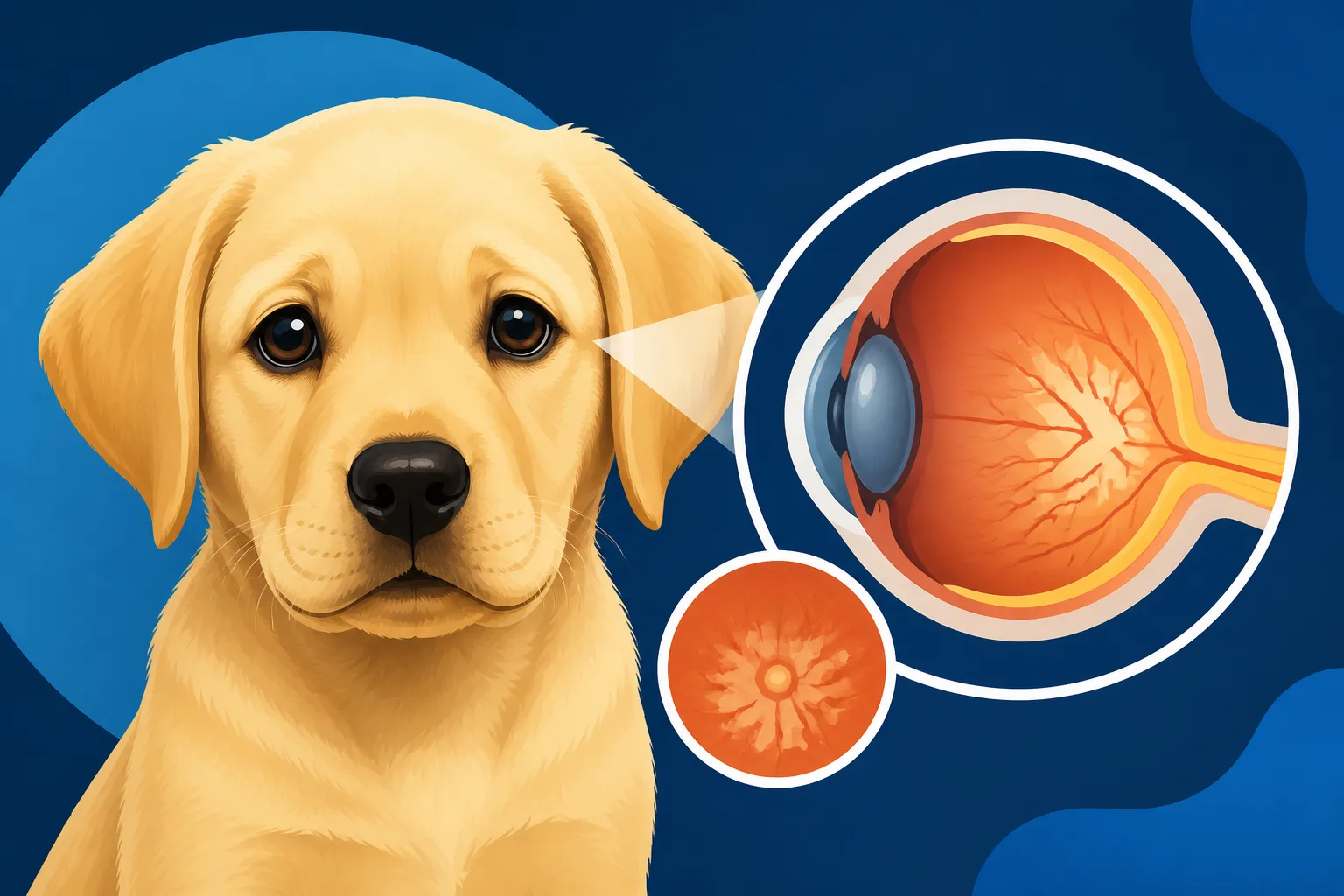
Retinal dysplasia is a developmental abnormality of the retina, the light-sensitive tissue at the back of your dog's eye. Think of the retina like the film in an old camera – it captures the images and sends them to the brain. When retinal dysplasia occurs, this crucial tissue doesn't develop properly, leading to structural irregularities. This can range from minor folds to widespread detachment, and the impact on your Labrador's vision can vary dramatically depending on the severity and type of dysplasia. It's not typically a painful condition in itself, but the associated vision impairment can certainly affect your puppy's quality of life if not properly managed.
Different Forms of Retinal Dysplasia
Not all retinal dysplasia is created equal, and understanding the different types is key to knowing what to expect. The condition is broadly categorized into three main forms, each with varying implications for your Labrador’s sight:
- Retinal Folds: This is often the mildest form, characterized by small, benign folds or creases in the retina. Imagine a rumpled blanket; these are minor wrinkles. Many Labrador puppies with retinal folds experience little to no significant vision impairment. In some cases, these folds can even flatten out as the puppy grows, and their vision may remain perfectly normal. They might be unilateral (affecting one eye) or bilateral (affecting both), but even when bilateral, the impact is often minimal. You might never even notice it without a thorough eye exam.
- Geographic Retinal Dysplasia: This form is more serious and involves larger, more irregular areas of retinal folding, detachment, or even degeneration. Instead of just small wrinkles, you might see larger, more defined "geographic" patterns of abnormal retinal tissue. Puppies with geographic retinal dysplasia will likely experience moderate to severe vision impairment. The specific areas affected and their size will dictate the extent of vision loss. For example, if the central retina (responsible for sharp, detailed vision) is heavily affected, their ability to see clearly will be significantly compromised. The condition can sometimes be progressive, meaning it might worsen over time, though it often stabilizes.
- Total Retinal Detachment: This is the most severe manifestation of retinal dysplasia. In these cases, the entire retina, or a significant portion of it, completely detaches from the underlying choroid layer. This is akin to the camera film completely coming loose. Total retinal detachment leads to severe, often complete, blindness in the affected eye or eyes. This form is typically present from a very young age and can sometimes be accompanied by other eye abnormalities, such as cataracts or vitreous degeneration. A puppy with total retinal detachment will be functionally blind in the affected eye, and while they can adapt remarkably well, it will require dedicated care and management.
Why Labradors Are Prone to Retinal Dysplasia
Unfortunately, Labrador Retrievers, like several other breeds, have a known genetic predisposition to retinal dysplasia. This isn't just bad luck; it's often an inherited condition, meaning it’s passed down from parent dogs to their offspring. This makes it a significant concern for responsible breeders and prospective puppy owners alike.
The specific genetic mechanisms can be complex, involving different genes and inheritance patterns. For Labradors, some forms of retinal dysplasia, particularly the more severe types, have been linked to specific genetic mutations or polygenic inheritance (meaning multiple genes are involved). This is why reputable breeders prioritize genetic testing and eye clearances for their breeding stock. They understand that without careful screening, this condition can easily perpetuate within a bloodline.
Understanding Genetic Panels Worth Running on a Labrador can shed more light on the types of hereditary conditions breeders are trying to avoid. By knowing which genetic markers are associated with certain health issues, breeders can make informed decisions to reduce the likelihood of passing them on to puppies. However, it's important to remember that not all forms of retinal dysplasia have a simple, single-gene test available, making regular veterinary ophthalmologist examinations crucial for comprehensive screening.
How to Spot Retinal Dysplasia in Your Labrador Puppy
Spotting retinal dysplasia in a busy, playful Labrador puppy can be surprisingly tricky, especially if the condition is mild. Puppies are incredibly adaptable, and many learn to navigate their world using their other senses even with impaired vision. However, there are signs that a vigilant owner can look for.
Subtle Signs in Young Puppies
The key word here is "subtle." Your puppy won't necessarily walk into walls all the time, particularly if they're familiar with their surroundings. Instead, you might observe a pattern of behaviors that, when put together, suggest a visual deficit:
- Clumsiness in New Environments: While all puppies can be a bit clumsy, a puppy with vision issues might consistently bump into furniture or misjudge steps when in an unfamiliar room or outdoor area. They might be overly hesitant to explore new places.
- Difficulty Finding Objects: They might struggle to locate a toy you’ve tossed, even if it lands close by. Similarly, they may have trouble finding their food bowl or water dish if it’s moved slightly from its usual spot.
- Reduced Reaction to Visual Cues: A puppy with normal vision will track a moving object with their eyes, respond to hand signals, or flinch at a sudden movement towards them. A puppy with impaired vision might not react as expected to these visual stimuli.
- Hesitation in Dim Light: Vision problems, especially those affecting night vision, can be more apparent in low-light conditions. Your puppy might become more anxious, hesitant, or disoriented as dusk falls or in dimly lit rooms.
- Over-reliance on Other Senses: You might notice your puppy relying heavily on their nose and ears to navigate, sniff out toys, or recognize people. While Labradors are naturally scent-driven, an excessive dependence on these senses for basic navigation could be a red flag.
- Unusual Eye Appearance (less common for folds): In severe cases, like total retinal detachment, you might notice the pupil appearing dilated or a duller reflection from the back of the eye, or even a visible change in the eye's shape or clarity. However, for retinal folds or geographic dysplasia, the eyes often look completely normal from the outside.
If you observe any of these signs, don't jump to conclusions, but do make a note and discuss them with your veterinarian promptly. Early detection is important, not just for diagnosis, but for getting ahead of any potential challenges.
The Importance of a Vet's Eye Exam
If you suspect any vision issues, or even as a standard part of responsible puppy care, a comprehensive eye exam by a qualified veterinary professional is indispensable. Your regular vet can perform an initial examination, but often, a referral to a board-certified veterinary ophthalmologist is necessary for a definitive diagnosis of retinal dysplasia.
Here’s what you can expect during a specialized eye exam:
- Ophthalmoscopy: This is the primary diagnostic tool. The ophthalmologist will use an ophthalmoscope to carefully examine the retina, looking for characteristic folds, lesions, or areas of detachment. They'll typically dilate your puppy's pupils beforehand with eye drops to get a clearer view of the back of the eye. This procedure is painless for your puppy.
- Slit-Lamp Biomicroscopy: This allows the vet to examine the front and middle parts of the eye in high detail, looking for any other associated abnormalities that might be present alongside retinal dysplasia.
- Electoretinography (ERG): In more complex cases, especially if vision loss is profound and the underlying cause isn’t immediately clear, an ERG might be performed. This test measures the electrical responses of the retinal cells to light stimuli, providing detailed information about how well the retina is functioning. It's a more advanced test usually performed under light sedation.
- Ultrasound: If the retina is completely detached and obscured by other tissues (like a cataract), an ocular ultrasound can be used to visualize the retina and confirm detachment.
These specialized examinations are crucial for not only diagnosing retinal dysplasia but also for determining its type and severity. This information is vital for understanding the prognosis and planning any necessary management strategies. Don't underestimate the value of regular check-ups; knowing How Often a Labrador Needs an Eye Exam helps ensure any developing conditions are caught as early as possible.
| Type of Retinal Dysplasia | Description | Impact on Vision | Prognosis | Management |
|---|---|---|---|---|
| Retinal Folds | Small, benign folds/creases in the retina. | Usually minimal to no discernible impact. | Good; often resolves or remains stable with normal vision. | Typically no specific treatment. Regular monitoring with vet check-ups. Focus on general well-being. |
| Geographic Retinal Dysplasia | Larger, irregular areas of folding, detachment, or degeneration. | Moderate to severe vision impairment. | Fair to guarded; vision loss can be significant but often stable. | Adaptation strategies for vision loss (consistent environment, auditory cues). Regular vet ophthalmologist visits to monitor for progression or secondary issues. Potential for supportive supplements, though no cure exists. Healthy Paws pet insurance can help cover ongoing specialist consultations and potential adaptive gear if complications arise. |
| Total Retinal Detachment | Complete separation of the retina from underlying tissue. | Severe to complete blindness in affected eye(s). | Poor for vision; permanent blindness. | Comprehensive management for a blind dog (safety, routine, sensory stimulation). Addressing any associated eye conditions. Psychological support for the dog and owner. Healthy Paws can provide critical financial support for diagnostics, specialist care, and any necessary long-term medications or adaptations, ensuring you can prioritize your dog's care without added financial stress. |
Managing Life with a Labrador Affected by Retinal Dysplasia
Receiving a diagnosis of retinal dysplasia, especially a more severe form, can be heartbreaking. However, Labradors are incredibly resilient, adaptable, and full of life, regardless of their visual capabilities. With patience, understanding, and a few adjustments, a Labrador with vision impairment can live a wonderfully fulfilling life.
Living with Vision Impairment
If your Labrador puppy is diagnosed with a form of retinal dysplasia that affects their vision, your role shifts to helping them adapt and thrive. It's about creating a safe, predictable, and enriching environment where their other powerful senses can take the lead.
- Maintain Consistency: This is perhaps the most crucial tip. Try to keep furniture and dog bowls in the same place. If you move things, guide your puppy to the new spot and give them time to adjust. A consistent home layout allows them to build a mental map and move around confidently.
- Safety First: Puppy-proof your home with even greater diligence. Block off stairs with gates, cover sharp edges, and ensure outdoor areas are secure and free of hazards. Always supervise them, especially in new or busy environments.
- Use Other Senses: Labradors have an amazing sense of smell and hearing. Use verbal cues consistently ("step up," "watch out," "this way") and incorporate scents. For example, you can put a dab of essential oil (safe for dogs, like lavender diluted) on certain objects or doorways to help them identify them. Squeaky or crinkly toys are fantastic as they engage their hearing.
- Touch and Texture: Use different textures on floors to signal changes – a rug before a step, for instance. You can also use a gentle tap or a specific touch as a cue.
- Leash Training is Essential: Even if they adapt well indoors, always keep them on a leash in unfamiliar outdoor areas. This is for their safety and your peace of mind.
- Enrichment Activities: Focus on activities that don't rely heavily on sight. Scent work, puzzle toys, and obedience training (using verbal and touch cues) are excellent ways to provide mental stimulation. Many Labradors also love swimming, which is less visually dependent.
- Socialization: Continue to socialize your puppy, but do so carefully and deliberately. Inform other dog owners about your puppy's vision impairment so they can approach gently. Early, positive experiences will help them build confidence.
- Support for You: It's okay to feel overwhelmed. Connect with other owners of visually impaired dogs or seek advice from your vet. Organizations dedicated to blind dogs can offer a wealth of resources and support.
Remember, a visually impaired Labrador is still a Labrador—full of love, energy, and a desire to be part of the family. You might find it helpful to read about Living With a Blind Labrador for more in-depth practical advice on adapting your home and routine.
Proactive Care and Regular Check-ups
Even though retinal dysplasia itself often doesn't have a "cure," proactive veterinary care is still vital. Your Labrador will need regular check-ups to monitor their eye health and overall well-being.
- Ongoing Eye Monitoring: The veterinary ophthalmologist will want to see your puppy periodically to check for any progression of the dysplasia or the development of secondary eye conditions, such as cataracts, glaucoma, or chronic inflammation, which can sometimes occur in severely affected eyes. These secondary conditions might be painful or require specific medical or surgical intervention.
- General Health: Routine veterinary visits are essential to ensure your Labrador is otherwise healthy. Discuss their diet, exercise, and any behavioral changes. Maintaining a healthy weight and providing appropriate nutrition can support overall vitality, which in turn helps them cope better with any challenges.
- Pain Management: While retinal dysplasia isn't usually painful, any secondary conditions that develop could be. Your vet can help identify and manage any discomfort, ensuring your puppy remains comfortable.
- Emotional Support: Your Labrador will pick up on your emotions. Stay calm, patient, and positive. Their confidence will often mirror yours.
A solid understanding of Labrador Puppy Health in the First Year is a great foundation, regardless of whether they have a specific condition. Comprehensive care covers not just the specific diagnosis but all aspects of their growth and development. Having pet insurance, like a policy from Healthy Paws, can provide immense peace of mind. It means you can confidently pursue all recommended diagnostic tests, specialist consultations, and potential long-term care without having to weigh financial concerns against your dog's well-being.
Prognosis and Prevention
Understanding the long-term outlook for a Labrador with retinal dysplasia and knowing how to prevent it in future generations are both critical aspects for responsible ownership and breeding.
Understanding the Long-Term Outlook
The prognosis for a Labrador puppy with retinal dysplasia is highly dependent on the type and severity of the condition:
- Retinal Folds: The outlook is generally excellent. Many puppies with only retinal folds will have normal vision throughout their lives. The folds may even lessen or disappear as they mature. You'll likely need no special adjustments.
- Geographic Retinal Dysplasia: The prognosis is more guarded. Vision impairment can range from moderate to severe, but it often stabilizes, allowing the dog to adapt. While their vision will be permanently affected, most dogs learn to navigate their world effectively with appropriate support from their owners. They can lead happy, full lives, though activities requiring keen eyesight (like complex retrieving in varied terrain) might be challenging.
- Total Retinal Detachment: Unfortunately, this leads to permanent blindness in the affected eye(s). The prognosis for regaining vision is poor. However, even completely blind Labradors can thrive. Their other senses compensate remarkably, and with a structured, safe environment and consistent training, they can live rich, joyful lives. It's more about managing their environment and expectations than about a "cure."
It's important to remember that retinal dysplasia is usually non-progressive once the puppy is mature, especially the milder forms. This means that while vision loss might be significant, it typically doesn't continue to worsen indefinitely throughout their adult life, providing a degree of predictability for owners.
The Breeder's Role and Genetic Testing
Prevention is the most powerful tool against inherited conditions like retinal dysplasia. This is where responsible breeding practices become paramount. If you are considering getting a Labrador puppy, choosing a reputable breeder is the single most important step you can take to minimize the risk of such health issues.
Responsible breeders are committed to improving the health of the breed. They will:
- Perform Eye Clearances: They ensure that all breeding stock undergoes regular eye examinations by a board-certified veterinary ophthalmologist. These exams are often part of the Orthopedic Foundation for Animals (OFA) Eye Certification Registry (CAER) program (formerly CERF). A CAER exam certifies that the dog is free of observable inherited eye diseases at the time of examination. This is usually done annually. Knowing Health Clearances a Labrador Breeder Must Show is non-negotiable when evaluating a potential puppy source.
- Utilize Genetic Testing: While not all forms of retinal dysplasia have a direct genetic test, breeders will often screen for other inherited eye conditions that might have similar symptoms or are commonly linked. They also test for a broader panel of genetic diseases common in Labradors. You can learn more about Which DNA Tests a Labrador Breeder Runs to understand the scope of their efforts.
- Know Their Lines: Good breeders are intimately familiar with the health history of their dogs' pedigrees, going back generations. They'll know if there's any history of retinal dysplasia or other eye problems in the lineage and will make breeding decisions to avoid perpetuating those traits.
- Be Transparent: A reputable breeder will openly share all health clearances, veterinary records, and be willing to discuss any potential health concerns in their lines. They will encourage you to speak with their vet and other puppy buyers.
Informed choices by breeders, supported by robust health screening like Retinal Dysplasia and Labrador Eye Panels, are the best defense against this condition. While even the best efforts can't guarantee a puppy will never develop an issue, they significantly stack the odds in your favor. And remember, even with the most careful breeding, unforeseen health issues can sometimes arise. That’s why many owners turn to pet insurance providers like Healthy Paws to help manage potential veterinary costs, ensuring they're prepared for whatever life throws their way.
Disclaimer
The information provided in this article is for general informational purposes only and is not intended as a substitute for professional veterinary advice, diagnosis, or treatment. Always seek the advice of your veterinarian or other qualified health provider with any questions you may have regarding a medical condition.