When a Labrador’s Growth Plates Close
One of the biggest worries we have as Labrador owners, especially when they’re bouncy, clumsy puppies, is making sure their growing bodies develop properly. It's so easy to push them too hard, too fast, without even realizing the potential harm. This guide is here to shed light on a crucial aspect of their development: when a Labrador's growth plates close, why it matters, and how you can protect your beloved companion through their formative months.
Understanding What Growth Plates Are and Why They Matter
It’s easy to look at a squirming Labrador puppy and just see boundless energy, but underneath all that puppy fluff, their bones are still very much under construction. Ignoring this critical developmental phase can lead to lifelong issues, and frankly, it’s a concern many new owners don’t fully grasp until it’s too late.
The Basics of Epiphyseal Plates
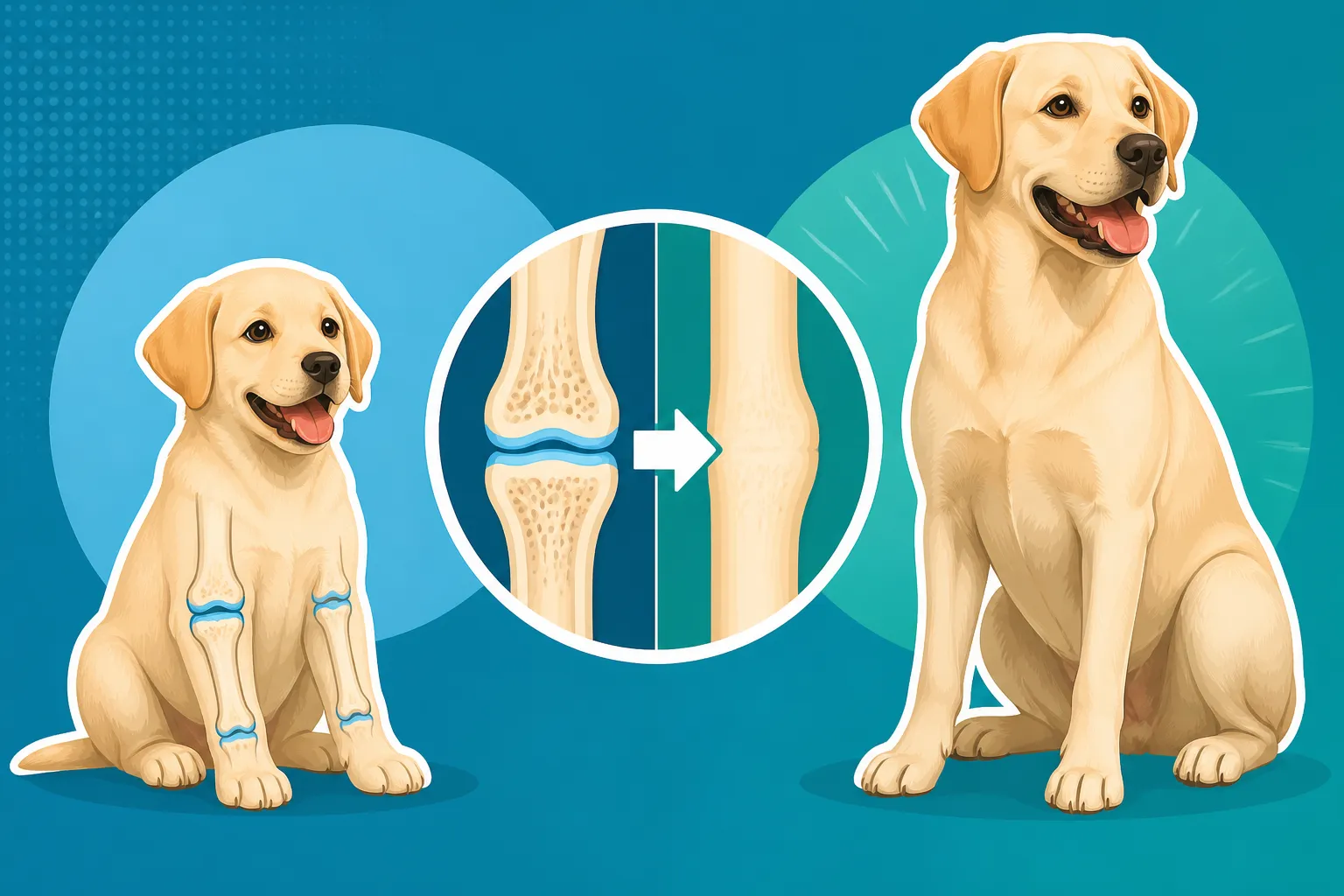
Think of growth plates, or epiphyseal plates as they're technically called, like the soft, flexible spots at the ends of a child's bones. In puppies, these are areas of cartilage located near the ends of their long bones – the femur in the thigh, the tibia in the lower leg, the radius and ulna in the forearm, and so on. These plates are literally factory floors for bone growth. Cells within the growth plate multiply and then mineralize, gradually extending the length of the bone. This process continues until the puppy reaches skeletal maturity, at which point the cartilage hardens into solid bone, effectively "closing" the growth plate.
These plates are significantly weaker than the surrounding bone or the ligaments and tendons attached to them. Imagine trying to walk on stilts made of soft clay versus solid wood; the clay stilts are far more susceptible to breaking. That’s essentially the vulnerability of a growth plate compared to mature bone. During this time, every jump, every hard landing, every sudden twist can put immense stress on these delicate structures. For a large, rapidly growing breed like the Labrador, this vulnerability is even more pronounced because of their sheer size and enthusiasm.
The Risks of Injury Before Closure
The consequences of a growth plate injury can range from frustrating to heartbreaking. When a growth plate is damaged, it’s not just a simple fracture; it can interfere with the bone's ability to grow normally. If the injury causes one side of the plate to close prematurely, or if the plate closes entirely on one bone but not its paired bone (like the radius and ulna in the forearm), it can lead to uneven bone growth. This can result in angular limb deformities, where a leg grows crooked, or one bone becomes significantly shorter than the other.
Imagine your Labrador puppy, full of life, suddenly developing a noticeable limp or having difficulty putting weight on a leg. These deformities can cause chronic pain, arthritis, and significantly impact their mobility and quality of life. In severe cases, extensive and costly surgeries might be required to correct the issue, but even then, a return to full, pain-free function isn't always guaranteed. Think of a puppy repeatedly jumping off a high couch, attempting intense, high-impact agility moves, or being forced on long, strenuous runs before their bones are ready. These aren't just minor bumps; they are significant trauma to incredibly vulnerable areas, setting the stage for lifelong struggles that could have been avoided with a little patience and careful management. This is why understanding Exercise Limits for a Labrador Puppy is so critical during these early months.
The Typical Timeline for Labrador Growth Plate Closure
The closure of growth plates isn't a single, instant event across a Labrador's entire body. It’s a gradual process, and for large breeds like our beloved Labs, it generally takes longer than for smaller dogs. Patience truly is a virtue here.
General Age Ranges for Closure
Most of a Labrador's growth plates will typically close between 12 and 18 months of age, with some variations depending on the specific bone and the individual dog. However, it's important to understand that this is a spectrum, not a hard-and-fast rule. Some of the smaller bones in the paws might close earlier, around 6-8 months, while major weight-bearing joints like the elbows and hips can take much longer, sometimes not fully fusing until 16-18 months or even a bit later. The general consensus among veterinarians is to treat a large breed puppy as if their growth plates are still open until at least 18 months, especially if you plan on engaging them in any higher-impact activities.
The closure of growth plates is influenced by hormones and genetics. For example, the distal radius (forearm) and ulna tend to close around 8-10 months, while the femur (thigh bone) can be 10-12 months. The tibia (shin bone) might be similar. The crucial shoulder joint (humerus) is often one of the last, sometimes extending past 15 months. It's a complex, staggered timeline, which is why a blanket "wait until they're two" recommendation for intense activity often surfaces, providing a safer buffer.
Factors Influencing Closure Time
While genetics play a significant role in determining the general timeline for growth plate closure, external factors like nutrition and exercise levels can also influence the process, sometimes to the detriment of your Labrador's health. Feeding a Labrador puppy a diet that’s too high in calories or contains an improper calcium-to-phosphorus ratio can cause them to grow too rapidly. This accelerated growth puts undue stress on immature joints and can lead to orthopedic problems like Labrador Hip and Elbow Dysplasia down the line, regardless of growth plate closure. It's not about making them huge as fast as possible; it's about steady, healthy development. We often see How Fast Growth Damages a Labrador's Joints when puppies are overfed.
Over-exercising a young Labrador is another major concern. While Labs are energetic, forcing them into long, repetitive, high-impact activities like extensive running on pavement, jumping from heights, or intense, sustained fetching sessions before their growth plates are closed can lead to injuries. These activities don't necessarily make the plates close faster, but they dramatically increase the risk of damaging them. It’s a delicate balance; puppies need exercise for mental and physical development, but it must be appropriate for their stage of skeletal maturity.
Here's a general guideline for when certain growth plates typically close in large breed dogs like Labradors:
| Bone/Joint | Typical Closure Age Range (Months) |
|---|---|
| Distal Radius & Ulna (Lower Foreleg) | 8 – 10 |
| Distal Femur (Lower Thigh) | 10 – 12 |
| Proximal Humerus (Upper Arm/Shoulder) | 12 – 15 |
| Proximal Tibia (Upper Shin Bone) | 12 – 14 |
| Pelvis (Hip Joint Components) | 12 – 18 |
| Vertebrae (Spinal Column) | 14 – 18 |
| Carpals & Tarsals (Wrists & Ankles) | 6 – 8 |
Remember, these are averages. Every Labrador is an individual, and consulting with your veterinarian for specific guidance regarding your puppy's development is always recommended. Using a high-quality Large Breed Puppy Food for a Labrador specifically formulated for their needs is a great starting point for proper nutrition.
Safeguarding Your Labrador's Growing Joints
Protecting your Labrador's joints during their growth phase is one of the best investments you can make in their long-term health and happiness. It means resisting the urge to push them too hard and embracing a more measured approach to their activity and care.
Safe Exercise for Labrador Puppies
For Labrador puppies, "exercise" should primarily mean free play on soft, forgiving surfaces. Think about romping around a grassy backyard, exploring a wooded trail on a loose leash, or engaging in short, supervised playdates with other calm, well-matched puppies. Short, gentle walks are perfectly fine and encouraged for socialization and training, but they should be brief – perhaps 5 minutes per month of age, twice a day, up to a certain point. So, a 4-month-old puppy might get two 20-minute walks.
What to avoid is just as important. Steer clear of repetitive, high-impact activities that put concussive force on their joints. This includes prolonged fetching sessions where they're constantly stopping and turning, jumping on and off furniture (or even off high objects like decks or truck beds), and long runs on hard surfaces like pavement. While swimming is an excellent, low-impact exercise for Labradors, even that needs to be approached with caution in very young puppies to prevent overexertion. Allowing them to choose their own pace and activity level during free play is ideal. Remember, a tired puppy from mental stimulation and gentle play is better than an exhausted puppy from forced, strenuous exercise.
Nutrition and Weight Management
Beyond genetics, proper nutrition and maintaining a lean body condition are paramount for healthy skeletal development. It's a common misconception that feeding a puppy more will make them grow bigger and stronger. In fact, overfeeding, especially with food not formulated for large breed puppies, can lead to dangerously rapid growth. The ideal puppy food for a Labrador should be labeled for "large breed puppies" and have controlled levels of calcium and phosphorus to support steady, healthy bone development, not accelerated growth. Brands like Eukanuba Large Breed Puppy or Purina Pro Plan Large Breed Puppy are often recommended for their balanced formulations.
Maintaining a lean physique means you should be able to easily feel your puppy's ribs when you run your hands along their sides, but they shouldn't be visibly sticking out. They should have a noticeable waist tuck. Being overweight as a puppy places extra strain on those vulnerable, developing growth plates and joints, significantly increasing the risk of conditions like hip and elbow dysplasia, as well as contributing to Labrador Obesity and the Years It Costs later in life. Portion control is key, and using measuring cups or even a kitchen scale for accuracy can make a huge difference.
Monitoring for Signs of Pain or Lameness
Labradors are famously stoic, and sometimes it can be incredibly difficult to tell when they're in pain or discomfort. They might hide subtle signs of lameness or soreness, continuing to play and act happy even when something is amiss. This is why careful observation is crucial. Look for changes in their gait – a slight limp, a reluctance to bear weight on a certain leg, or a bunny-hopping motion when they run. Pay attention if they struggle to get up after resting, are hesitant to jump, or are less enthusiastic about playtime than usual. Swelling around a joint, crying out when touched, or excessive licking of a particular area are also clear red flags.
If you notice any of these signs, it's always best to err on the side of caution and contact your veterinarian immediately. Early diagnosis and intervention can prevent minor issues from becoming major, debilitating problems. Your vet can perform a thorough examination, and sometimes X-rays are necessary to assess the growth plates and determine the extent of any injury. Having pet insurance, like a comprehensive plan from Healthy Paws, can provide immense peace of mind should unexpected orthopedic issues arise during these crucial growth stages or later in life. Being able to afford the best diagnostic and treatment options without financial strain is a huge relief for any pet parent. Understanding how to interpret Reading Pain in a Stoic Labrador is a skill every owner should cultivate.
Long-Term Implications and Continued Care
Even after your Labrador's growth plates have officially closed, the journey of joint care and responsible exercise isn't over. It simply shifts gears, allowing for a broader range of activities while still prioritizing their long-term well-being.
Transitioning to Adult Activity
Once your veterinarian confirms that your Labrador’s growth plates are closed (typically through X-rays, if there's a specific concern, or based on their age and breed development), you can gradually start introducing more strenuous activities. The key word here is gradually. Don't go from gentle walks to a 5-mile run overnight. Begin with slightly longer walks, introduce gentle jogging on softer surfaces, and slowly increase the intensity and duration of activities like fetching.
Always observe your Labrador for any signs of fatigue, soreness, or lameness. Their enthusiasm can often outweigh their physical limits, so it's up to us to be their responsible coaches. Keep up with low-impact activities like swimming, which continue to be fantastic for building muscle and maintaining joint health without undue stress. Even after full skeletal maturity, high-impact activities should still be balanced with rest and variety to prevent wear and tear. Discuss with your vet when it's appropriate to consider activities like competitive agility or prolonged running. For many Labradors, a well-structured routine that includes a mix of free play, moderate walks, and swimming is ideal for a lifetime of activity. Continuing to manage their weight and providing joint support as they age can also help in Slowing Joint Decline in an Older Labrador.
The Role of Preventative Care
Preventative care doesn't stop once your Labrador is an adult; it becomes even more critical for a long, healthy life. Regular veterinary check-ups, ideally twice a year for adults, allow your vet to monitor their overall health, including joint integrity, weight, and general well-being. These visits can catch potential issues early, often before they become major problems. Maintaining a healthy weight throughout your Labrador's life is perhaps the single most impactful thing you can do for their joint health. Even a few extra pounds can significantly increase the load on their hips, elbows, and knees, accelerating the onset of arthritis.
Consider discussing Joint Supplements That Help a Labrador with your vet, especially if your dog is active or has any pre-existing joint predispositions. Glucosamine, chondroitin, and omega-3 fatty acids are common ingredients in joint support supplements. Moreover, having a robust Pet Insurance for a Labrador Retriever plan, like those offered by Healthy Paws, provides a safety net for any unexpected health challenges. It covers accidents and illnesses, ensuring that you can always make decisions based on your Labrador's medical needs, not your wallet. Healthy Paws is known for its excellent coverage and quick claim processing, offering peace of mind for both routine and emergency care. From growth plate concerns in puppyhood to potential arthritis in their senior years, comprehensive insurance is a vital part of responsible Labrador ownership.
Disclaimer
This article is for general informational purposes only and does not constitute professional advice. Laws, prices and regulations vary by location and change over time. Consult a qualified professional for guidance on your specific situation.